How Much Does An Uninsured Dental Appointment Cost?
Dental care is essential for your overall health, but it can be expensive. If you do not have dental insurance, the cost of even a routine appointment can feel overwhelming. Many people delay or skip dental visits because they worry about the bill. This can lead to bigger problems down the road, including severe pain, tooth loss, and more expensive treatments.
So, how much does an uninsured dental appointment actually cost? The answer depends on where you live, the type of appointment, and the dentist you see. This guide will break down the costs of uninsured dental appointments, including routine exams, cleanings, X-rays, and common procedures. You will also learn about payment options, ways to save money, and why regular dental care is worth the investment.
What Is An Uninsured Dental Appointment?
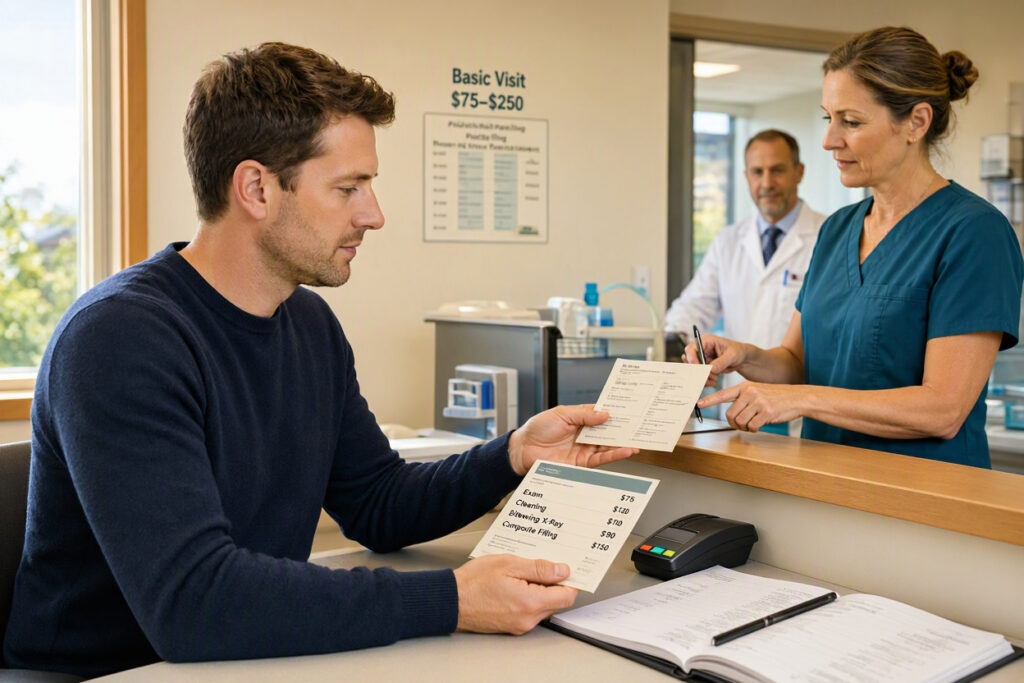
An uninsured dental appointment is any visit to a dentist that you pay for entirely out of pocket. You do not have dental insurance to cover part of the cost. You may also be underinsured, meaning your plan does not cover certain services or has reached its annual maximum.
Uninsured patients pay the full fee for:
- Routine exams and cleanings
- X-rays and diagnostic tests
- Fillings, crowns, and other restorations
- Root canals and extractions
- Cosmetic procedures
- Emergency dental care
Without insurance, you are responsible for 100% of the bill. However, many dentists offer discounts for uninsured patients who pay upfront or join a dental savings plan.
Average Cost Of An Uninsured Dental Appointment
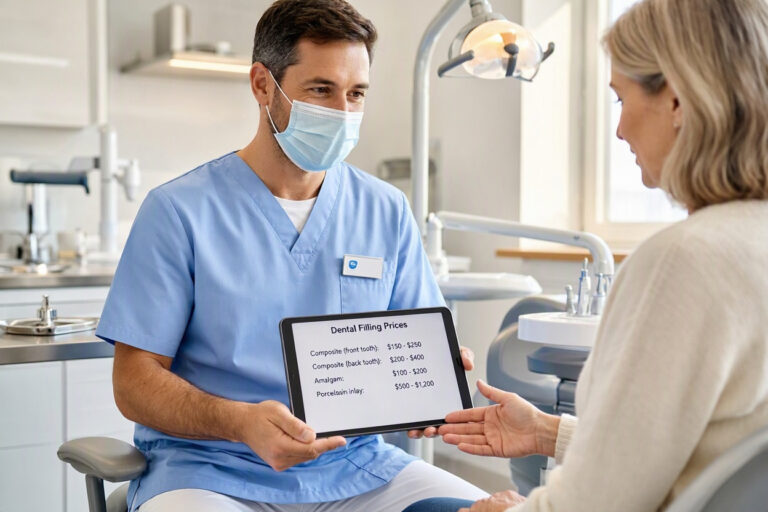
The cost of an uninsured dental appointment varies widely. Here is a breakdown of average prices in the United States for common services.
| Service | Average Cost (USD) |
|---|---|
| New patient exam | $50 – $200 |
| Routine exam (established patient) | $40 – $150 |
| Dental cleaning (prophylaxis) | $75 – $200 |
| Bitewing X-rays (4 films) | $50 – $150 |
| Full mouth X-rays | $100 – $250 |
| Panoramic X-ray | $100 – $200 |
| Fluoride treatment | $20 – $50 |
| Sealants (per tooth) | $30 – $75 |
| Composite filling (one surface) | $150 – $400 |
| Amalgam filling (one surface) | $100 – $250 |
| Root canal (front tooth) | $500 – $1,000 |
| Root canal (molar) | $800 – $1,500 |
| Extraction (simple) | $150 – $400 |
| Extraction (surgical) | $250 – $650 |
| Crown (ceramic) | $800 – $2,500 |
| Dentures (full set) | $1,000 – $5,000 |
| Teeth whitening | $300 – $800 |
These prices are for the United States. Costs in other countries can be much lower.
Regional Price Variations In The US
Dental fees vary by state and city. Here is a general comparison of average exam and cleaning costs.
| Region | Exam + Cleaning + X-rays |
|---|---|
| Northeast (e.g., New York) | $200 – $400 |
| West Coast (e.g., California) | $180 – $350 |
| Midwest (e.g., Ohio) | $120 – $250 |
| South (e.g., Texas) | $100 – $220 |
| Southwest (e.g., Arizona) | $130 – $280 |
Big cities charge more than rural areas. If you live in a high-cost area, consider traveling to a nearby town for lower fees.
Uninsured Dental Costs Around The World
If you live outside the US, uninsured dental costs vary. Here is a general comparison for a routine exam and cleaning.
| Country | Exam + Cleaning (Local Currency) | Approx. USD |
|---|---|---|
| United States | $100 – $400 | $100 – $400 |
| Canada | CAD $150 – $350 | $110 – $260 |
| United Kingdom (private) | £60 – £150 | $75 – $190 |
| Australia | AUD $150 – $350 | $100 – $230 |
| India | ₹500 – ₹2,000 | $6 – $25 |
| Mexico | MXN $500 – $1,500 | $25 – $75 |
| Thailand | THB $800 – $2,000 | $25 – $60 |
| Philippines | ₱500 – ₱2,000 | $10 – $40 |
In countries with universal healthcare, some dental care may be free or subsidized. But in the US, Canada, and many others, uninsured patients pay the full fee.
Factors That Influence Uninsured Dental Costs
Several things affect how much you pay for an uninsured dental appointment.
Geographic Location
Dentists in big cities charge more. Rent, staff salaries, and equipment costs are higher in urban areas. A cleaning in New York City may cost $200, while the same cleaning in a small town in the Midwest may cost $80.
Type Of Appointment
A routine exam and cleaning costs less than an emergency visit or a complex procedure. New patient exams often cost more because they include a comprehensive evaluation and X-rays.
Dentist’s Experience And Reputation
A highly experienced dentist or specialist may charge more. Patients pay for skill, better results, and a more comfortable experience.
Complexity Of The Procedure
A simple filling costs less than a root canal. A single extraction costs less than a surgical extraction. The more complex the procedure, the higher the fee.
Additional Services
Fluoride treatments, sealants, and mouthguards add to the cost. If you need multiple services at one appointment, the total bill rises.
Time Of Day
Emergency appointments, evening visits, and weekend visits often cost more. Some dentists charge a premium for after-hours care.
Uninsured Vs Insured: What Is The Difference?
| Feature | Uninsured | Insured |
|---|---|---|
| Cost of exam | $50 – $200 | Often covered at 100% |
| Cost of cleaning | $75 – $200 | Often covered at 100% |
| Cost of filling | $100 – $400 | 50% – 80% covered |
| Annual maximum | None | $1,000 – $2,000 |
| Deductible | None | $50 – $100 |
| Payment responsibility | Full fee | Co-pay or co-insurance |
| Preventive care | You pay | Often free |
Insurance can save you a lot of money, especially for preventive care. But if you do not have insurance, you are not out of options.
Does Anyone Qualify For Free Dental Care?
Some people can get free or low-cost dental care even without insurance. Options include:
- Medicaid: Covers dental care for low-income children and some adults. Coverage varies by state.
- CHIP: Children’s Health Insurance Program covers dental for families who earn too much for Medicaid but cannot afford private insurance.
- Medicare: Does not usually cover routine dental care, but some Medicare Advantage plans do.
- Community health centers: Federally Qualified Health Centers (FQHCs) offer sliding-scale fees based on income.
- Dental schools: Students provide low-cost care under supervision.
- Charity clinics: Organizations like Mission of Mercy and Remote Area Medical offer free dental care events.
- Veterans benefits: Some veterans qualify for free dental care through the VA.
If you are uninsured, check these options before paying full price.
Payment Options For Uninsured Patients
You do not have to pay everything at once. Many dentists offer:
- In-house payment plans: Monthly installments with low or no interest.
- Third-party financing: CareCredit, Cherry, and Sunbit offer dental loans.
- Credit cards: Convenient but watch for high interest rates.
- Dental savings plans: Discount plans that reduce fees by 10-60%.
- Health savings accounts (HSA): Use pre-tax dollars for qualified dental expenses.
- Flexible spending accounts (FSA): Use pre-tax dollars for eligible costs.
- Cash discounts: Some dentists offer 5-10% off for upfront cash payment.
Ask the front desk about payment options before your appointment.
How To Save Money On Uninsured Dental Care
- Get multiple quotes: Prices vary. Compare at least three dentists.
- Visit a dental school: Save 30-50% on cleanings, fillings, and more.
- Go to a community health center: Sliding-scale fees based on income.
- Join a dental savings plan: Save 10-60% at participating dentists.
- Negotiate: Ask for a cash discount or a payment plan.
- Bundle services: Some dentists discount when you combine exam, cleaning, and X-rays.
- Schedule during slow months: January and February often have promotions.
- Maintain good oral hygiene: Prevent problems so you need fewer treatments.
- Use HSA or FSA funds: Pay with pre-tax dollars.
- Ask about charity care: Some dentists set aside free care days each year.
The Uninsured Dental Appointment: What To Expect
1. Booking The Appointment
When you call to book, tell them you are uninsured. Ask for a fee estimate. Some offices offer a discount for uninsured patients.
2. New Patient Paperwork
You will fill out medical history and consent forms. Be honest about your health and medications.
3. Examination
The dentist examines your teeth, gums, and mouth. They may check for cavities, gum disease, and oral cancer.
4. X-Rays
X-rays may be taken to check for hidden problems. You can ask for only necessary X-rays to save money.
5. Cleaning
A hygienist removes plaque and tartar. They polish your teeth and may apply fluoride.
6. Treatment Plan
If problems are found, the dentist gives you a treatment plan with costs. You can decide what to do now and what to schedule later.
7. Payment
You pay at the end of the visit. Ask about payment plans if the bill is high.
Why You Should Not Skip Dental Care
Skipping dental care to save money often backfires. Small problems become big ones. A $200 filling can become a $1,500 root canal and crown. A cleaning can prevent gum disease that leads to tooth loss. Regular dental visits also help detect oral cancer early.
If you are uninsured, look for affordable options. Do not wait until you are in pain. Emergency dental care costs much more than preventive care.
Expert Opinions
“I see many uninsured patients who wait until they are in severe pain. By then, the treatment is more complex and more expensive. Preventive care is always cheaper than emergency care.”
— Dr. Angela Ramirez, DDS
“Uninsured patients should never be afraid to ask about discounts or payment plans. Most dentists want to help. We would rather work with you than have you avoid care altogether.”
— Dr. Brian O’Connor, General Dentist
Important Notes For Readers
Note 1: Prices in this article are estimates. Actual costs vary by dentist and location.
Note 2: Dental savings plans are not insurance. They offer discounts at participating dentists.
Note 3: Community health centers and dental schools are excellent options for uninsured patients.
Note 4: Do not skip X-rays if your dentist recommends them. They can catch problems early.
Note 5: If you are in pain, seek care immediately. Delaying treatment can make things worse.
Frequently Asked Questions
How much does an uninsured dental appointment cost?
An uninsured dental appointment costs between $100 and $400 for an exam, cleaning, and X-rays in the US. Costs vary by location and dentist.
Can I get dental care without insurance?
Yes. You can pay out of pocket, visit a dental school, go to a community health center, or join a dental savings plan. Some charity clinics offer free care.
How can I find an affordable dentist without insurance?
Search for FQHCs, dental schools, and dental savings plan providers. Call local dentists and ask about uninsured discounts.
Is it cheaper to pay cash at the dentist?
Sometimes. Some dentists offer a 5-10% discount for upfront cash payment. Always ask.
What happens if I cannot afford dental care?
Do not ignore the problem. Look for free or low-cost clinics in your area. Some hospitals offer financial assistance. Dental schools are also a good option.
Does Medicare cover dental care?
Original Medicare does not cover routine dental care. Some Medicare Advantage plans include dental benefits. Check your plan.
Can I negotiate dental prices?
Yes. Many dentists are willing to negotiate, especially for uninsured patients. Ask about discounts, payment plans, or bundled services.
Additional Resources
For more information about finding affordable dental care, visit the American Dental Association website. You can also search for Federally Qualified Health Centers in your area. For dental savings plans, visit DentalPlans.com.
Conclusion
An uninsured dental appointment costs between $100 and $400 for a routine visit in the US, with prices varying by location and services. Without insurance, you pay the full fee, but options like dental schools, community health centers, and savings plans can help. By seeking affordable care and not delaying treatment, you can protect your smile and your wallet.