Dental Office Artwork: How to Choose Decor That Calms and Impresses
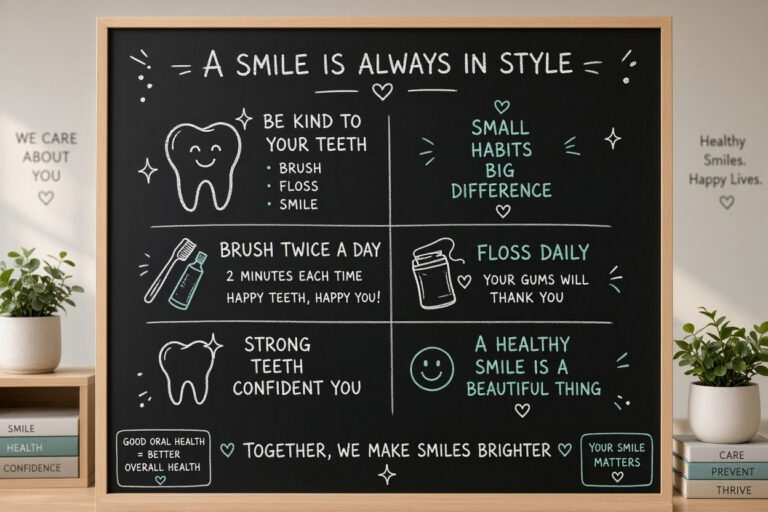
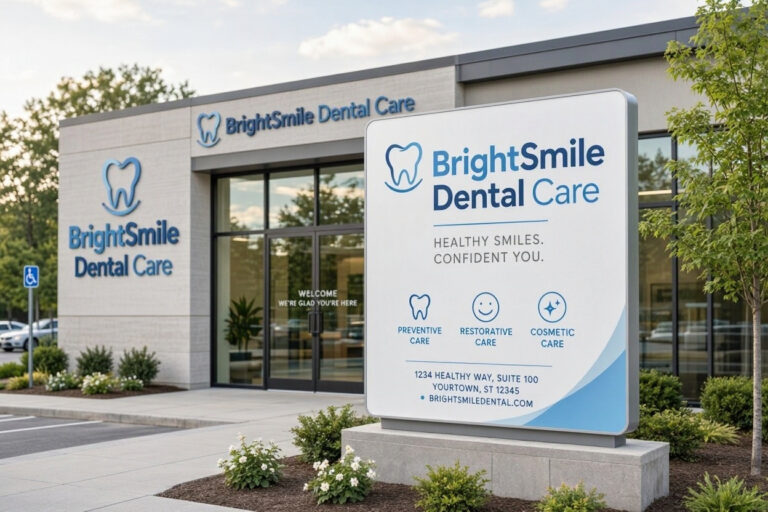
Walk into a dental office and look at the walls. What do you see? Blank white space? Faded posters from the 1990s? Or carefully chosen pieces that make you feel calm and welcome? Dental office artwork is more than decoration. It shapes how patients feel during their visit, and it can even reduce anxiety. This guide explains how to choose, place, and maintain artwork that works for your practice.
Why Artwork Matters in a Dental Office
Dental anxiety is real. Many patients feel nervous before an appointment. The environment plays a big role in easing that tension. Artwork can distract, soothe, and even start conversations.
Good artwork also reinforces your brand. A pediatric practice with bright, playful illustrations feels different from a luxury cosmetic dentistry clinic with abstract minimalism. Both can work, as long as the art matches the experience you want to create.
“The right artwork turns a clinical room into a welcoming space. Patients notice, even if they don’t say it out loud.” — Interior Designer, Healthcare Spaces
The Psychological Impact of Art
Research in healthcare design shows that certain types of art can lower stress levels. Nature scenes, soft colors, and abstract shapes tend to calm viewers. Sharp angles, dark tones, and chaotic patterns can increase tension.
- Nature imagery reduces anxiety and promotes relaxation.
- Soft abstracts create visual interest without overwhelming the eye.
- Bright, playful art works well for children and family practices.
- Local or community art adds a personal, authentic touch.
Choosing the Right Style for Your Practice
Your artwork should match your patient demographic and your brand identity. Here is a breakdown of popular styles and where they work best.
1. Nature and Landscape Art
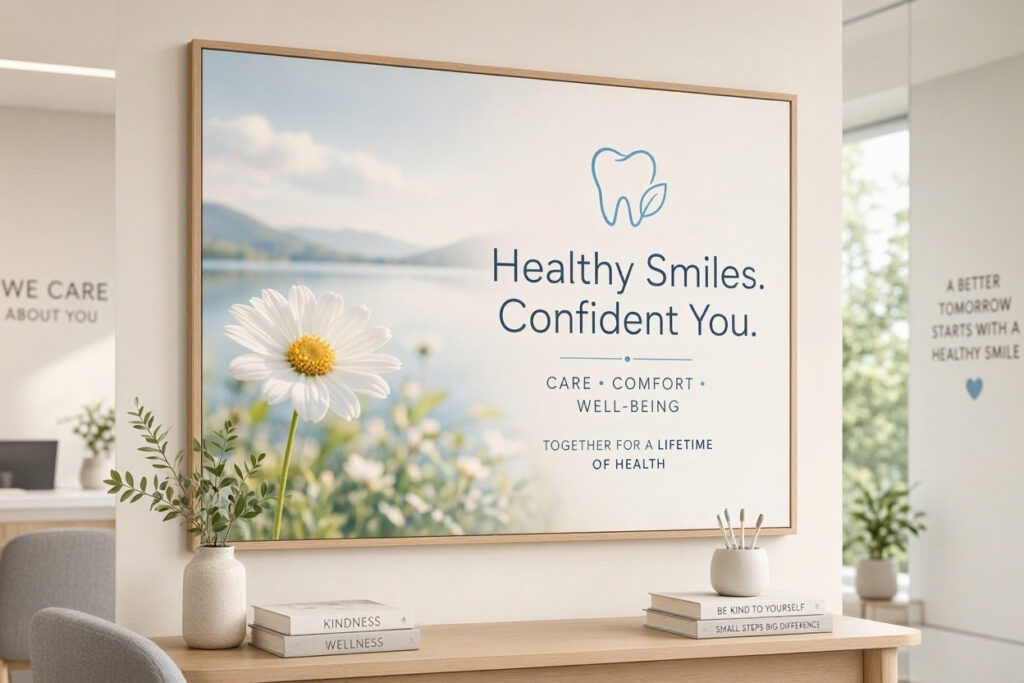
Photographs or paintings of forests, mountains, beaches, and flowers are safe, calming choices. They work in almost any dental setting, from waiting rooms to treatment areas.
Best for: General and family dentistry, cosmetic practices, anxiety-prone patients.
2. Abstract Art
Soft, flowing abstracts in muted colors add a modern feel without distracting. Avoid harsh geometric pieces with high contrast, which can feel aggressive.
Best for: Modern urban practices, cosmetic dentistry, adult-focused clinics.
3. Pediatric and Playful Art
Bright colors, friendly characters, animals, and whimsical illustrations help children feel at ease. Consider murals, wall decals, or framed prints with rounded shapes.
Best for: Pediatric dentistry, family practices with a dedicated kids’ area.
4. Black and White Photography
Clean, monochrome images create a sophisticated, spa-like atmosphere. Choose calming subjects like water, clouds, or architectural details.
Best for: High-end cosmetic practices, minimalist offices.
5. Local and Community Art
Supporting local artists adds authenticity and gives patients something to talk about. Rotating local art also keeps the space fresh.
Best for: Community-focused practices, boutique offices.
Comparison Table: Art Styles at a Glance
| Style | Mood | Best Rooms | Cost Range |
|---|---|---|---|
| Nature/Landscape | Calming | Waiting room, treatment rooms | Low to Medium |
| Abstract (soft) | Modern, soothing | Reception, hallways | Medium |
| Pediatric/Playful | Fun, friendly | Kids’ area, pediatric rooms | Low to High |
| Black and White | Elegant, clean | Reception, consultation rooms | Medium |
| Local Art | Authentic, unique | Waiting room, hallways | Medium to High |
Where to Place Artwork
Placement matters as much as the art itself. A beautiful piece in a bad spot goes unnoticed. A poorly chosen piece in a high-traffic area becomes an eyesore.
Waiting Room
This is the most important space. Patients sit here the longest and feel the most anxious. Use large, calming pieces that draw the eye. Avoid art with medical themes or sharp instruments.
Treatment Rooms
Patients lie back in the chair and stare at the ceiling or wall. Consider ceiling tiles with soft patterns or a framed print placed where the patient’s gaze naturally falls. Keep it simple and calm.
Hallways
Hallways are transition spaces. Use smaller, consistent pieces in a row. A gallery wall can work if the frames and style are uniform.
Reception Desk Area
This is your brand’s front door. Choose a statement piece that reflects your identity. It can be a bold abstract, a large nature photo, or a custom piece with your logo colors.
Kids’ Area
Use bright, durable art at child height. Wall decals and murals work well. Avoid glass frames that could break.
Important Note: Avoid hanging art where it can be bumped, splashed, or damaged by cleaning products. Treatment rooms need wipeable surfaces.
Choosing Frames and Materials
Frames affect both the look and the durability of your artwork.
- Metal frames: Sleek and durable. Good for modern offices.
- Wood frames: Warm and classic. Works well with nature art.
- Frameless prints: Affordable and easy to clean. Good for kids’ areas.
- Canvas prints: No glass, less glare. Good for large pieces.
- Acrylic face-mounts: Modern and glossy. Higher cost.
Frame Color Guidelines
| Office Style | Recommended Frame Colors |
|---|---|
| Modern/Minimalist | Black, white, silver |
| Warm/Traditional | Wood tones, gold, bronze |
| Pediatric | Bright colors, white |
| Spa-like | Light wood, white, brushed metal |
Note: Use UV-protective glass or acrylic for pieces in bright, sunlit areas. This prevents fading and keeps colors vibrant longer.
Budgeting for Dental Office Artwork
You do not need a huge budget. Smart choices can transform a space for a few hundred dollars.
| Approach | Typical Cost | Notes |
|---|---|---|
| DIY prints and frames | $100 – $500 | Use online print services |
| Stock art (licensed) | $200 – $1,000 | Buy high-resolution files |
| Local artist commissions | $500 – $3,000 | Unique, supports community |
| Gallery walls (mixed) | $300 – $1,500 | Combine prints and photos |
| Murals | $1,000 – $10,000+ | Best for pediatric offices |
Tip: Rotate art seasonally. Store pieces carefully and swap them out to keep the space feeling fresh without buying new items.
Artwork and Your Brand
Your art should feel like an extension of your practice. If your brand colors are soft blue and white, choose art that complements those tones. If your office has a playful, family-friendly vibe, let the art reflect that energy.
Consistency builds recognition. A patient who sees the same style of art in your waiting room, hallways, and social media posts will remember your practice more easily.
A Simple Brand Alignment Checklist
- Does the art match your color palette?
- Does the style fit your patient demographic?
- Would a patient describe this art as calming, fun, or elegant (matching your brand)?
- Are the frames and placement consistent throughout the office?
Maintenance and Rotation
Artwork collects dust and can fade over time. Keep it clean and fresh.
- Dust frames monthly with a soft, dry cloth.
- Clean glass with a non-ammonia cleaner to avoid streaks.
- Check for fading in sunlit areas and rotate pieces if needed.
- Update seasonally with subtle changes like winter scenes or spring florals.
Important Note: Avoid harsh chemical cleaners on canvas or acrylic. They can damage the surface.
Common Mistakes to Avoid
Even well-intentioned decor can go wrong. Watch out for these pitfalls.
- Too much art: Cluttered walls feel chaotic. Leave breathing room.
- Mismatched frames: Inconsistent framing looks careless.
- Medical imagery: Photos of teeth, drills, or procedures increase anxiety.
- Dark or aggressive art: Sharp angles and dark colors can feel threatening.
- Poor lighting: Art in shadow loses its impact. Add picture lights if needed.
Frequently Asked Questions
What kind of art is best for a dental waiting room?
Calming nature scenes, soft abstracts, and light-filled landscapes work best. Avoid anything that reminds patients of procedures.
Can I use posters from dental supply companies?
You can, but they often look generic and clinical. Framed, high-quality prints create a more professional impression.
How much should I spend on office artwork?
A reasonable starting budget is $500 to $1,500 for a small office. Prioritize the waiting room and reception area first.
Is it okay to use patient artwork?
Yes, with permission. A “patient art wall” can be a fun, community-building feature, especially in pediatric practices.
How often should I change the artwork?
Rotate pieces seasonally or annually. Full replacements every three to five years keep the space feeling current.
Additional Resource
For healthcare design inspiration and research on art’s impact on patient well-being, visit the Center for Health Design.
Conclusion
Dental office artwork is a practical, affordable way to reduce anxiety and strengthen your brand. Choose calming styles, place pieces thoughtfully, and keep frames and materials consistent. Match the art to your patients and your identity. With a little planning, your walls will do more than fill space. They will help patients feel at home.