ada code for zirconia implant crown
f you’ve been told you need a zirconia implant crown, you’ve likely heard two things: “It looks great” and “It’s expensive.” But when you look at your treatment plan or insurance form, you see a code like D6058 or D6069. What does that mean? And why does it matter?
This guide walks you through everything you need to know about the ADA code for a zirconia implant crown. We’ll keep it simple, clear, and useful. No complicated jargon. No hidden tricks.
By the end, you’ll know exactly which code your dentist should use, how much you might pay, and how to avoid billing mistakes.
What Is a Zirconia Implant Crown? A Quick Refresher
Before we talk codes, let’s make sure we’re on the same page about the crown itself.
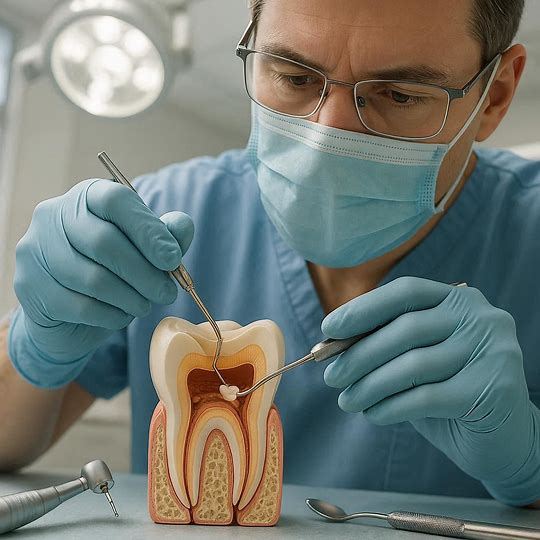
A zirconia implant crown is a tooth-colored restoration that sits on top of a dental implant. Unlike traditional crowns that use metal inside (PFM or porcelain-fused-to-metal), zirconia crowns are metal-free. They’re made from a strong ceramic material called zirconium dioxide.
Key benefits of zirconia implant crowns:
- No gray line at the gum
- Highly biocompatible (rarely causes allergies)
- Very strong—resists chipping and cracking
- Looks natural in light and x-rays
But because zirconia is tougher to mill and adjust, the ADA code can differ from a standard crown.
Note for readers: The American Dental Association (ADA) publishes the Current Dental Terminology (CDT) code set. These codes are updated yearly. Always check with your dentist for the most current version.
The Main ADA Codes for Implant Crowns (And Which One Fits Zirconia)
Let’s cut to the chase. There isn’t just one “ADA code for zirconia implant crown.” Depending on how the crown is attached and who makes it, your dentist will use one of two main codes.
D6058 – Abutment Supported Porcelain/Ceramic Crown
This is the most common code for a cemented zirconia crown on a stock abutment.
- What it means: The crown is made of porcelain or ceramic (zirconia qualifies). It’s cemented onto a prefabricated abutment.
- When it’s used: For a standard zirconia crown that the lab mills and the dentist cements.
- Materials allowed: Zirconia, lithium disilicate, or other high-strength ceramics.
D6069 – Implant Supported Porcelain/Ceramic Crown
This code is for a screw-retained zirconia crown. The crown has a small hole so a screw goes directly into the implant.
- What it means: The crown itself attaches to the implant without a separate cemented abutment.
- When it’s used: When the dentist prefers retrievability (easy to remove later if needed).
- Materials allowed: Zirconia is very common here because it can hold a screw channel without breaking.
Quick Comparison Table
| Feature | D6058 (Cemented) | D6069 (Screw-Retained) |
|---|---|---|
| Attachment type | Cement to abutment | Screw directly to implant |
| Retrievability | Difficult (drill off) | Easy (unscrew) |
| Esthetics | Excellent (no screw hole) | Very good (small hole visible) |
| Zirconia allowed? | Yes | Yes |
| Lab cost | Moderate | Higher |
| Common for | Posterior teeth | Any tooth, especially anterior |
So which ADA code for a zirconia implant crown is right for you?
Ask your dentist: “Will you cement it or screw it in?” That answer tells you the code.
Why the Right ADA Code Matters for You
You might think, “Just bill something—my insurance will pay.” That’s a mistake.
For patients:
- Using the wrong code can lead to a denied claim.
- Some plans cover D6058 but not D6069, or vice versa.
- The difference in out-of-pocket cost can be $300 to $800.
For dental offices:
- Audits love wrong codes. Using D6069 for a cemented crown is insurance fraud.
- Lab fees differ. Screw-retained zirconia costs more to fabricate.
“I see at least three denied claims a week because a staff member used D6058 when it should have been D6069. Always check the attachment type.” – Anonymous dental billing specialist
When Is Zirconia Not Covered Under These Codes?
Honesty moment: some insurances call zirconia “cosmetic” and try to downgrade it. That’s not correct, but it happens.
If your plan says “porcelain/ceramic crown,” zirconia is included. However, if the plan specifically lists “PFM only for posterior,” you might pay the difference.
What to do:
Ask your insurer: “Does your definition of ceramic crown include zirconia?” Get their answer in writing.
Step-by-Step: How Your Dentist Chooses the ADA Code for a Zirconia Implant Crown
Let’s walk through a real-world example.
Step 1 – The implant is placed.
That’s a different code (D6010). We’re not there yet.
Step 2 – Healing and uncovering.
Abutment placement (D6057 for stock, D6056 for custom).
Step 3 – Impressions or digital scan.
The lab needs a model.
Step 4 – Crown fabrication.
Here, the dentist decides:
- Stock zirconia abutment + cemented zirconia crown → D6058
- Custom zirconia abutment + cemented crown → D6057 + D6058
- One-piece screw-retained zirconia crown → D6069
Step 5 – Delivery and adjustment.
If the dentist has to adjust the zirconia (which is hard to do), some charge an extra code. Most include it.
Common Billing Mistakes with Zirconia Implant Crowns
I’ve reviewed hundreds of dental claims. These errors pop up again and again.
Mistake 1: Using a standard crown code (D2740)
D2740 is for a crown on a natural tooth, not an implant. Using it for a zirconia implant crown guarantees a denial.
Mistake 2: Billing D6058 and D6069 on the same tooth
Some offices try to bill both “just in case.” That’s a red flag for auditors.
Mistake 3: Forgetting the abutment code
If you use D6058, you also need D6057 or D6056 for the abutment. D6069 includes the abutment function in one code.
Mistake 4: Listing zirconia as “gold”
Never. Gold has its own codes (D6059, D6060). Zirconia is ceramic.
Pricing Reality: What You’ll Actually Pay
Let’s talk money. These are real ranges in the U.S. (2025–2026 averages).
| Code | Description | Without Insurance | With PPO Insurance |
|---|---|---|---|
| D6058 | Cemented zirconia crown on stock abutment | $1,200 – $1,800 | $500 – $900 |
| D6069 | Screw-retained zirconia crown | $1,500 – $2,200 | $700 – $1,200 |
| D6057 | Stock abutment (if separate) | $300 – $500 | $100 – $250 |
| D6056 | Custom abutment | $500 – $800 | $200 – $400 |
Important: These prices do not include the implant itself (D6010) or the surgical guide (D6190). A full zirconia implant crown case often totals $3,500 to $6,000 before insurance.
Zirconia vs. Other Materials: Which Code Applies?
Sometimes dentists give you options. Here’s how the ADA code changes by material.
| Material | Implant Crown Code | Notes |
|---|---|---|
| Zirconia | D6058 or D6069 | Metal-free, strong, aesthetic |
| PFM (Porcelain-fused-to-metal) | D6059 (for high noble metal) or D6060 (base metal) | Older standard, less aesthetic |
| Lithium disilicate (e.g., E.max) | D6058 (if ceramic) | Weaker than zirconia for molars |
| Gold alloy | D6059 or D6060 | Rarely used on implants today |
Zirconia is the only material that works well for both cemented and screw-retained designs without metal.
How to Verify Your ADA Code Before Treatment
You have the right to ask. Here’s a script you can use:
“I see on my treatment plan code ______. Can you confirm if this is for a zirconia crown? Is it cemented or screw-retained? Will I need a separate code for the abutment?”
Then call your insurance. Ask:
“Do you cover D6058 (or D6069) for a zirconia implant crown on tooth #___? Is there a downgrade if I choose zirconia?”
Write down the representative’s name and reference number.
Does Insurance Always Cover Zirconia Implant Crowns?
No. And this is where honesty matters.
Many dental PPO plans cover implant crowns at 50% after a deductible. Some cover only “the least expensive alternative” (LEAT). That means if a PFM crown costs less, they might pay only the PFM amount.
Example:
Zirconia crown = $1,500
PFM crown = $1,000
Your plan pays 50% of the PFM price = $500. You pay $1,000.
That’s not a denial. It’s a downgrade. Still legal, but frustrating.
Plans That Usually Cover Zirconia Well:
- Delta Dental PPO (most states)
- Cigna (with implant rider)
- Aetna (some plans)
- MetLife (high-tier plans)
Plans That Often Downgrade:
- HMO/DHMO plans
- Medicaid (varies by state – many don’t cover implants at all)
- Basic discount plans
Helpful Checklist: Before You Agree to a Zirconia Implant Crown
Use this list to protect yourself.
- The ADA code is clearly written on the treatment plan.
- The code is either D6058 or D6069 (not D2740, not D2390).
- You know if it’s cemented or screw-retained.
- The abutment code is listed if needed (D6057 or D6056).
- You’ve asked your insurer if zirconia is fully covered.
- You have a pre-treatment estimate (predetermination).
- The dentist confirms the lab uses FDA-approved zirconia.
- You know the warranty period (most are 1–5 years).
Real Patient Question: “My Dentist Used D6058, But the Crown Is Screw-Retained. Is That Wrong?”
Short answer: Yes. Long answer: It’s a misrepresentation.
If the crown is screw-retained, it must be D6069. Using D6058 for a screw-retained crown suggests a cemented crown to the insurer. If they audit and see the screw hole on the x-ray, they will deny payment and may ask for a refund.
What to do:
Ask your dentist to submit a corrected claim with D6069. If they refuse, call your insurance and explain.
What About Digital Workflows and Same-Day Zirconia Crowns?
Some offices use intraoral scanners and in-house milling (e.g., CEREC). Does that change the ADA code for a zirconia implant crown?
No. The code is still based on attachment (cemented vs screw-retained), not on fabrication method.
However, some dentists charge a separate code for the digital design (D2999 for unlisted procedure). That’s rare. Most include it in the crown fee.
The Future of Zirconia Implant Crown Codes
The ADA updates CDT codes every year. As of 2025, there is no separate “zirconia-only” code. But that might change.
Why? Because zirconia requires different lab equipment, milling burs, and sintering ovens. Some coding experts propose a modifier (like -ZR) for zirconia restorations. For now, we use D6058 and D6069.
Stay updated: check the ADA’s official CDT code book annually.
Additional Resource (Official & Reliable)
For the most current list of ADA dental codes, including official definitions of D6058 and D6069, visit:
🔗 American Dental Association – CDT Code Book
Link: https://www.ada.org/en/publications/cdt
Why this is reliable: Direct source. No third-party interpretation. Updated annually.
Conclusion (Three Lines)
The correct ADA code for a zirconia implant crown is either D6058 (cemented) or D6069 (screw-retained), never a standard tooth crown code. Always verify attachment type, abutment codes, and insurance coverage before treatment. Use this guide to avoid billing errors and unexpected costs.
Frequently Asked Questions (FAQ)
1. Is there a specific ADA code just for zirconia implant crowns?
No. The ADA does not have a material-specific code for zirconia. It falls under porcelain/ceramic codes D6058 and D6069.
2. Can I use D2740 for an implant crown?
No. D2740 is for crowns on natural teeth. Using it for an implant crown will result in a denied claim.
3. Which is cheaper for me: D6058 or D6069?
D6058 (cemented) is usually cheaper because lab fees are lower. However, screw-retained crowns are easier to repair later.
4. Does Medicare cover zirconia implant crowns?
Almost never. Medicare does not cover dental implants or their crowns except in very limited medical necessity cases (e.g., jaw reconstruction after tumor removal).
5. Can a zirconia crown be coded as “temporary”?
No. Temporary crowns have their own codes (D6970 for implant temporary crown). Zirconia is permanent.
6. What if my dentist refuses to give me the ADA code before treatment?
Find another dentist. Transparency is a sign of professionalism. Any ethical dentist will provide codes in writing.
7. How long does a zirconia implant crown last with proper coding and care?
10–15 years on average, sometimes longer. The ADA code doesn’t affect longevity, but correct billing ensures you get the warranty coverage you paid for.