Affordable Permanent Teeth
Losing a tooth can feel frustrating. It affects your smile, your confidence, and even the way you chew your food. But here is the good news: you do not need to spend a fortune to get a permanent solution. Affordable permanent teeth are within reach if you know where to look and what to ask for.
Many people believe that permanent tooth replacement automatically means expensive dental implants. While implants are a great option, they are not the only one. And even within the world of implants, there are budget-friendly paths you can take.
This guide walks you through everything you need to know. We will explore real costs, compare different methods, and give you honest advice on what works and what does not. No fake promises. No unrealistic shortcuts. Just clear, helpful information to help you make a smart decision for your mouth and your wallet.
Important note: This article is for informational purposes only. It is not a substitute for professional dental advice. Always consult a licensed dentist before making any treatment decisions.
Understanding What “Permanent Teeth” Really Means
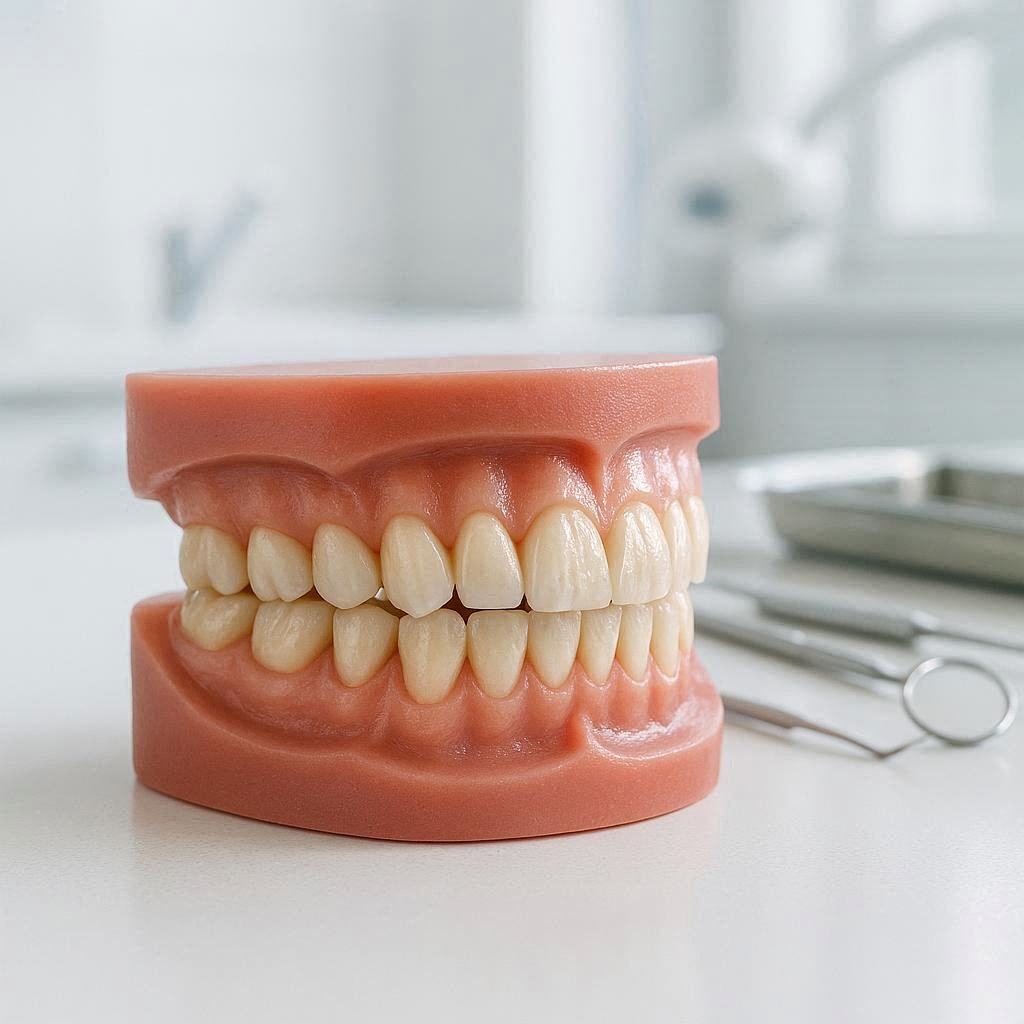
Before we talk about affordability, let us clarify what permanent means in dentistry. Unlike your natural teeth, no replacement is truly indestructible. When dentists say “permanent,” they usually mean a solution that stays fixed in your mouth and lasts many years with proper care.
There are two main categories of permanent tooth replacement:
- Fixed restorations: You cannot remove these yourself. A dentist places them, and they stay in your mouth like natural teeth.
- Removable but long-lasting: You take these out for cleaning, but they are designed to be used for a decade or more.
Understanding this difference is key. Some people think permanent means “lifelong.” In reality, even high-end dental implants may need maintenance after 15 to 20 years. That is okay. What matters is that you choose a solution that fits your health, your lifestyle, and your budget.
What Makes a Tooth Replacement “Affordable”?
Affordable means different things to different people. For some, it means paying less than 1,000.Forothers,itmeansapaymentplanthatspreads5,000 over two years. In this guide, we define affordable as:
- Clear upfront pricing
- Reasonable long-term maintenance costs
- Accessible payment options
- A good balance between price and durability
We will avoid extreme low-ball prices that sound too good to be true. Because they usually are.
The Most Affordable Permanent Teeth Options Compared
Let us jump straight into the numbers. Below is a realistic comparison of the main ways to replace missing teeth permanently or semi-permanently. Prices reflect averages in the United States as of 2025.
| Solution | Average Cost (per tooth/arch) | Lifespan | Removal | Best for |
|---|---|---|---|---|
| Traditional dental implant | 3,000−6,000 | 20+ years | Fixed | Single missing tooth |
| Implant-supported bridge | 4,000−8,000 (3-4 teeth) | 15-20 years | Fixed | Multiple adjacent missing teeth |
| Snap-on dentures (overdentures) | 8,000−12,000 per arch | 10-15 years | Removable | Full arch missing teeth |
| Fixed bridge (traditional) | 2,000−5,000 | 10-15 years | Fixed | One or two missing teeth |
| Mini dental implants | 1,500−2,500 per implant | 10-15 years | Fixed | Smaller teeth or narrow jawbone |
| Flipper (temporary) | 300−1,000 | 1-5 years | Removable | Temporary solution only |
As you can see, the cheapest permanent option is not always the best long-term investment. A traditional fixed bridge costs less upfront than an implant, but it may need replacement sooner. That said, for many people, a bridge is an excellent and affordable permanent teeth solution.
Snap-On Dentures: A Middle Ground Worth Considering
Snap-on dentures, also called implant-supported overdentures, are one of the most popular affordable permanent teeth solutions for people missing a full arch of teeth. Here is how they work:
- Two to four implants are placed in your jawbone.
- A custom denture snaps onto those implants.
- You can remove the denture for cleaning.
- The implants stay fixed in your mouth.
Why do people love them? Because they offer stability without the high cost of a full set of individual implants. You get the confidence of knowing your teeth will not slip while eating or talking. And they cost roughly half as much as replacing each tooth with a separate implant.
Reader note: Some clinics advertise “same-day teeth” or “teeth in a day” with snap-on dentures. While possible in ideal cases, most people need several months for healing. Be cautious of any clinic promising permanent teeth in a single visit without proper evaluation.
Hidden Costs to Watch Out For
Many people search for affordable permanent teeth and find a low price online. Then they visit the dentist and discover extra fees. Let us pull back the curtain on common hidden costs.
Bone Grafting
If you have missing teeth, your jawbone may have shrunk. That is normal. Without a tooth root, the bone resorbs (melts away). For implants, you often need enough bone to secure the screw. If you do not have it, you may need a bone graft.
Cost: 300to800 per site.
Extractions
Removing damaged or infected teeth is not always included in the quoted price. Simple extractions are cheap (75−200). Surgical extractions cost more (200−600 per tooth).
Temporary Restorations
While your permanent solution is being made, you might need a temporary tooth. This keeps you smiling and chewing normally. Some clinics include it. Many do not.
Cost: 100−500.
CT Scans and X-Rays
Modern implant planning requires a 3D CT scan. This is not the same as a simple dental X-ray.
Cost: 250−500.
Adjustments and Repairs
Snap-on dentures and bridges may need occasional adjustments. Implant crowns can chip. Always ask: Is there a warranty? And what does it cover?
Key question to ask every dentist: What is the total out-of-pocket cost including all diagnostics, procedures, materials, and follow-up visits for the first year?
Write that question down. Use it.
How to Find Low-Cost Permanent Tooth Replacement Without Sacrificing Quality
You want affordable permanent teeth. You also want safe, high-quality work. Here is how to get both.
1. Consider Dental Schools
Dental schools offer significantly reduced prices because students perform the work under expert supervision. You will spend more time in the chair, but you can save 30% to 50% or more.
- Pros: Low cost, cutting-edge techniques, multiple expert checks.
- Cons: Longer appointments, less flexible scheduling.
Find accredited dental schools near you through the American Dental Education Association (ADEA).
2. Ask About Payment Plans
Many clinics partner with third-party financing companies like CareCredit, Sunbit, or LendingClub. These plans spread your cost over 6 to 48 months. Some offer zero interest if paid in full within a certain period.
Do not be shy about asking. A 6,000implantbecomesmuchmoremanageableat125 per month.
3. Travel for Dental Care? Proceed Carefully
Dental tourism is real. Countries like Mexico, Costa Rica, Colombia, and Thailand offer lower prices for permanent teeth. A full set of implants in the US might cost 30,000.InCostaRica,thesameworkmightbe10,000.
However, there are risks:
- Limited legal recourse if something goes wrong
- Difficult follow-up care
- Variable quality standards
If you choose this route, do your homework. Visit only internationally accredited clinics (look for JCI or AAAHC certification). Get a detailed treatment plan before traveling. And always have a local dentist willing to manage complications.
4. Look for New Dentist Promotions
Young dentists or newly opened practices often run promotions to build their patient base. You might find discounts like:
- Free consultation + CT scan
- 15% off implant crowns
- Buy one implant, get the second at half price
These are legitimate. Just verify that the dentist has proper training (look for a DDS or DMD degree and state licensure).
5. Nonprofit and Community Health Centers
Some areas have low-cost dental clinics funded by grants or donations. These typically focus on extractions and dentures rather than implants. But for traditional bridges or partial dentures, they can be very affordable.
Search for “Federally Qualified Health Center (FQHC)” plus your city name.
Step-by-Step: What to Expect When Getting Affordable Permanent Teeth
Let us walk through a realistic timeline for someone getting, for example, an implant-supported bridge on three missing front teeth. This will help you understand why permanent teeth take time and why rushing often leads to poor results.
Step 1: Consultation and Imaging (1 visit)
The dentist examines your mouth, takes X-rays or a CT scan, and discusses your goals. You receive a full treatment plan with costs.
Step 2: Preparation (1-2 visits)
Any remaining damaged teeth are extracted. If needed, a bone graft is placed. You may wear a temporary partial denture or flipper.
Step 3: Healing (3-6 months)
This is the hardest part for most patients. You wait while your bone heals and integrates with the graft or the implant itself. You cannot skip this step. Healing is what makes permanent teeth possible.
Step 4: Implant Placement (1 visit)
The dentist places small titanium screws into your jaw. Local anesthesia keeps you comfortable. Most people describe the sensation as pressure, not pain.
Step 5: Osseointegration (3-6 more months)
Now the bone grows around the implant, locking it in place. This is a miracle of modern dentistry, but it takes time. No shortcuts.
Step 6: Abutment and Crown Placement (2 visits)
The dentist attaches a small connector (abutment) to the implant. Then they place your custom-made permanent crown or bridge. After a final adjustment, you walk out with your new permanent teeth.
Total estimated time: 6 to 12 months.
Total estimated cost for three adjacent teeth with implant bridge: 5,000to9,000.
Compare that to a traditional fixed bridge on natural teeth: 2,000to4,000 and only 3 to 4 weeks total. The traditional bridge is faster and cheaper. The implant bridge is more durable and preserves bone. Both are valid affordable permanent teeth options. Your choice depends on your priorities.
Realistic Expectations: What Your Permanent Teeth Can and Cannot Do
Let us be honest. No replacement tooth feels exactly 100% like a natural tooth. But modern dentistry comes very close. Here is what you should expect.
What They Can Do
- Chew most foods: Apples, steak, nuts, and raw vegetables are fine for implants and bridges.
- Look natural: Good laboratories match the color, shape, and translucency of your remaining teeth.
- Stay in place: Fixed options never slip or click.
- Last over a decade: With good care, many solutions last 15+ years.
What They Cannot Do
- Stop gum disease: Your permanent teeth will not decay (they are made of ceramic or acrylic), but your gums can still get infected. You must brush and floss normally.
- Survive neglect: Grinding teeth (bruxism) can crack crowns. Poor oral hygiene can cause implant failure.
- Feel temperature: Ceramic does not transmit cold or heat the way natural teeth do. You will not feel sensitivity, but you also will not feel that “icy” sensation.
- Never need maintenance: All restorations eventually need tightening, relining, or replacement.
Reader insight: Many patients say the biggest adjustment is not the feel of the teeth, but the change in cleaning habits. With implants, you need special floss or water flossers. With a bridge, you need threaders. Your dentist should teach you these techniques.
Maintaining Your Affordable Permanent Teeth to Maximize Lifespan
You saved money by choosing a smart, affordable solution. Now protect that investment. Follow these rules.
For Implants
- Brush twice daily with a soft-bristle brush.
- Floss with implant-specific floss or a water flosser.
- Avoid extremely hard foods like ice cubes or hard candies.
- Visit your dentist every 6-12 months for implant checks.
- Wear a night guard if you grind your teeth.
For Fixed Bridges
- Use a bridge threader or superfloss to clean under the fake tooth.
- Consider a water flosser on low pressure.
- Avoid sticky candies (caramel, toffee) that can pull on the bridge.
- Have the bridge polished and checked yearly.
For Snap-On Dentures
- Remove nightly and soak in denture cleaner.
- Brush the denture and your gums separately.
- Clean the implant attachments with a small brush provided by your dentist.
- Never sleep with snap-on dentures in place. This increases infection risk.
Average yearly maintenance cost: 200to500, mostly for checkups and cleaning supplies.
DIY Permanent Teeth? Why That Is Never the Answer
The internet is full of videos showing people ordering snap-on veneers or DIY bridge kits online. These are dangerous. Let us be clear.
Homemade or mail-order “permanent” teeth:
- Can trap food and bacteria, causing severe decay on your remaining natural teeth
- Often contain toxic materials like BPA or unregulated resins
- Do not fit properly, leading to gum sores, bone loss, and bite problems
- Have no quality control or safety testing
If a deal sounds too good to be true, it is. No reputable dentist will ever recommend an online-only tooth replacement system. Save your money, protect your health, and work with a real professional.
Frequently Asked Questions (FAQ)
1. What is the absolute cheapest permanent tooth replacement?
The cheapest fixed option is a traditional dental bridge, typically 2,000to5,000 per bridge. However, a removable partial denture (500−1,500) costs less but is not considered permanent.
2. Does insurance cover affordable permanent teeth?
Many dental insurance plans cover 50% of the cost of bridges and dentures. Implants are less commonly covered, but some plans now offer implant benefits. Always call your insurer before starting treatment.
3. How long do cheap permanent teeth last?
A budget-friendly bridge can last 10-15 years with excellent hygiene. Mini implants may last slightly less (8-12 years). Avoid any product advertised as “lifelong” at a low price.
4. Can I get permanent teeth without implants?
Yes. Traditional fixed bridges anchor onto your natural teeth. They are permanent (you cannot remove them) and cost less than implants.
5. Are mini implants a good option for affordable permanent teeth?
For small teeth (lower incisors) or patients with narrow bone, mini implants work well. For back molars that take heavy chewing force, standard implants are safer.
6. Will my permanent teeth look fake?
Not if you choose a skilled dentist. Modern materials like zirconia and layered ceramic mimic natural enamel beautifully.
7. Can I eat normally with affordable permanent teeth?
Yes, but take it slow for the first week. Avoid extremely hard or sticky foods until you adjust.
8. What happens if an implant or bridge fails?
The dentist removes it and evaluates why. Bone loss, infection, or mechanical damage are common causes. You may need a new restoration or a different solution.
Conclusion
Affordable permanent teeth are not a fantasy. Traditional bridges, mini implants, snap-on dentures, and payment plans make fixed tooth replacement accessible for many budgets. The key is to balance upfront cost with durability, avoid hidden fees, and commit to proper maintenance. Your smile is an investment. With realistic expectations and smart choices, you can enjoy a functional, natural-looking smile for years without going into debt.