Best Dentures in 2026
Losing your natural teeth can feel like losing a part of yourself. You might worry about your smile, your ability to eat your favorite foods, or even how you speak. You are not alone. Millions of adults face this same situation every year.
The good news is that modern dentistry has come a very long way. Today, the best dentures look natural, feel comfortable, and stay in place better than ever before. But with so many options available, how do you choose the right one?
This guide is here to help you. We will walk you through every type of denture, from traditional full sets to high-tech flexible partials. We will talk about real costs, comfort levels, and what you can honestly expect. No confusing medical jargon. No sales tricks. Just clear, useful information to help you smile with confidence again.
Important Note: This article is for informational purposes only. Every mouth is unique. Always consult with a licensed dentist or prosthodontist before making a final decision about your dental health.
1. Understanding Dentures: The Basics
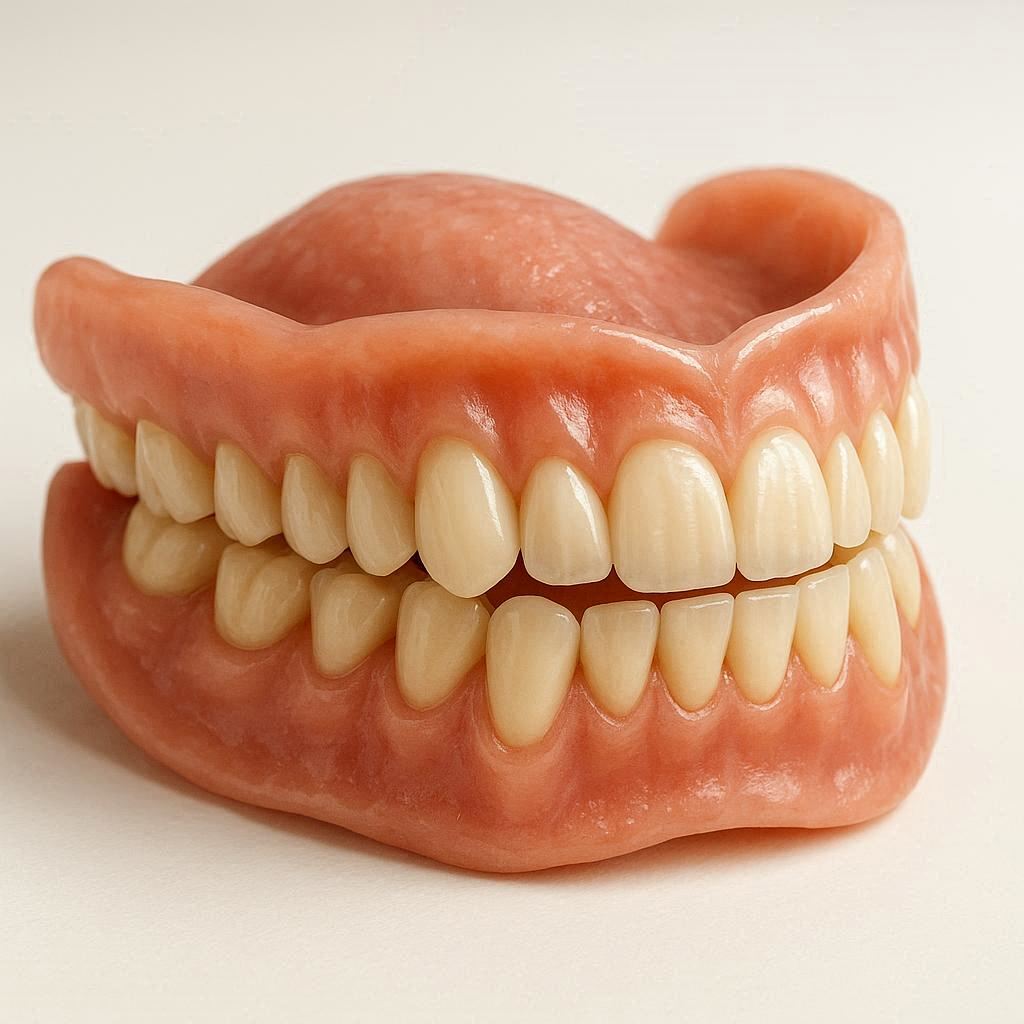
Dentures are removable dental appliances designed to replace missing teeth. They are not just “fake teeth.” They are medical devices that support your facial muscles, help you chew food properly, and improve your speech.
A complete denture has two main parts: the base (usually pink acrylic that sits on your gums) and the artificial teeth (made from porcelain or acrylic resin). Partial dentures attach to your remaining natural teeth using metal clasps or precision attachments.
Who needs dentures? You might be a candidate if you:
- Have lost most or all of your natural teeth.
- Have severe tooth decay that cannot be fixed with fillings or crowns.
- Suffer from advanced gum disease.
- Have a genetic condition that affects tooth development.
- Experience trauma or injury to the mouth.
The goal of the best dentures is not just to restore your smile but to restore your quality of life.
2. Types of Dentures: A Complete Breakdown
Not all dentures are created equal. Let us explore each type in detail, so you can understand which one fits your unique situation.
Full Conventional Dentures
These are the classic dentures most people picture. You receive them only after all your remaining teeth are removed and your gum tissue has fully healed. This healing process usually takes between 8 to 12 weeks.
Pros:
- Very stable fit once the gums heal.
- Lower initial cost compared to implant options.
- Easy to repair and reline.
Cons:
- You go without teeth for the healing period (2-3 months).
- May feel bulky at first.
- Can loosen over time due to bone loss.
Immediate Dentures
Immediate dentures are made in advance. Your dentist extracts your remaining teeth and places the denture on the same day. You never have to leave the office without teeth.
Pros:
- No embarrassing “toothless” period.
- Helps protect the extraction sites and control bleeding.
- Allows you to maintain a normal appearance immediately.
Cons:
- Requires frequent adjustments as your gums shrink and heal.
- Usually costs more than conventional dentures.
- Less stable fit during the first few months.
Real talk: Most people choose immediate dentures for social or professional reasons. Just be prepared to return to your dentist several times for relining.
Partial Dentures
If you still have some healthy natural teeth, partial dentures are an excellent choice. They fill the gaps and prevent your remaining teeth from shifting out of position.
Pros:
- Preserves your existing teeth.
- Prevents other teeth from drifting.
- Less expensive than bridges or implants.
- Removable for easy cleaning.
Cons:
- Metal clasps can be visible when you smile.
- May put stress on the anchor teeth.
- Some people find the metal frame uncomfortable.
Flexible Partial Dentures
This is one of the most popular innovations in recent years. Instead of a hard acrylic base, flexible partials are made from a thin, nylon-like material (often Valplast or TCS).
Pros:
- Virtually invisible. No metal clasps.
- More comfortable because they flex with your mouth.
- Lightweight and hypoallergenic.
- Will not break if dropped.
Cons:
- More expensive than traditional partials.
- Cannot be relined easily. You may need a new one if your gums change.
- Some users report they feel “slippery” when eating sticky foods.
Implant-Supported Dentures
For those seeking the closest thing to natural teeth, implant-supported dentures are the gold standard. A dental surgeon places titanium posts into your jawbone. The denture then attaches to these posts.
Pros:
- Incredible stability. No rocking or slipping.
- Prevents bone loss in your jaw.
- Restores up to 90% of natural chewing power.
- Feels very natural.
Cons:
- High upfront cost (15,000–30,000 per arch).
- Requires surgery and several months of healing.
- Not everyone has enough bone density for implants.
Snap-In Dentures
Think of snap-in dentures as a hybrid between traditional dentures and implants. You have 2 to 4 implants placed in your jaw. Your denture has special attachments that “snap” onto these implants.
Pros:
- More stable than regular dentures.
- Less expensive than full implant-supported dentures.
- You can still remove the denture for cleaning.
Cons:
- The snaps can wear out and need replacement.
- May still rock slightly if only two implants are used.
- Requires good oral hygiene to prevent infection around implants.
Economy vs. Premium Dentures
You will often see two price tiers at dental clinics.
Economy Dentures (Budget):
- Made from standard materials.
- Basic tooth shapes and colors.
- Limited warranty (often 1 year or less).
- Best for temporary use or extremely tight budgets.
Premium Dentures:
- High-quality acrylic or porcelain teeth.
- Custom shade matching and gum contouring.
- Natural-looking translucency and ridges.
- Longer warranty (3-5 years or more).
- Better fit and less adjustment time.
Honest advice: If you can afford premium dentures, they are worth the extra money. The fit and appearance are dramatically better.
3. How to Choose the Best Dentures for Your Lifestyle
Choosing the best dentures is not just about price. It is about how you live your life. Ask yourself these four questions.
Budget Considerations
Dentures are an investment. A cheap set might save you money today but cost you comfort every single day. Partial dentures start around 500perarch.Fullconventionaldenturesrangefrom1,200 to 3,500perarch.Premiumimplant−supporteddenturescangoabove30,000.
If money is tight, ask your dentist about payment plans or dental schools near you. Students need patients, and supervision is excellent.
Bone Health and Jaw Structure
Your jawbone changes dramatically after tooth loss. Without roots to stimulate the bone, your jaw begins to resorb (shrink). This process never stops.
If you have significant bone loss, traditional dentures will become loose over time. Implant-supported options are better, but you may need a bone graft first. Your dentist will take X-rays to measure your bone density.
Diet and Eating Habits
Do you love crunchy apples, steak, or corn on the cob? Be honest with yourself. Traditional dentures reduce your chewing efficiency by about 50%. You will need to cut food into smaller pieces.
Implant-supported dentures allow you to eat almost anything. Flexible partials handle soft to medium-hard foods well. Economy dentures are best for softer diets.
Aesthetic Expectations
Look at old photos of yourself. Did you have a broad smile? Did your upper lip have full support? The best dentures replicate your natural appearance.
Premium dentures offer features like:
- Hand-sculpted gum tissue.
- Teeth with slight color variations (incisal translucency).
- Proper lip support to prevent a “sunken” look.
If aesthetics are critical to you, do not choose economy dentures. You will regret the flat, uniform look.
4. Comparative Table: Denture Types at a Glance
| Type of Denture | Average Cost (per arch) | Stability | Appearance | Comfort | Longevity |
|---|---|---|---|---|---|
| Conventional Full | 1,200–3,000 | Fair | Good | Good | 5-8 years |
| Immediate | 1,500–3,500 | Poor | Fair | Fair | Temporary |
| Partial (Metal) | 700–1,800 | Good | Fair | Fair | 5-10 years |
| Flexible Partial | 1,000–2,500 | Good | Excellent | Excellent | 5-7 years |
| Snap-In (2 implants) | 4,000–8,000 | Very Good | Good | Very Good | 10-15 years |
| Implant-Supported | 15,000–30,000+ | Excellent | Excellent | Excellent | 20+ years |
Note on pricing: These figures are estimates for the United States market in 2026. Prices vary significantly by location, dentist experience, and laboratory fees.
5. The Cost of the Best Dentures: What You Will Really Pay
Let us talk numbers without the mystery.
A single economy denture might be advertised for 300.Thatisoftenalossleader.Bythetimeyouaddextractions,follow−upvisits,andrelines,youcouldpay800 to $1,200.
Here is a realistic breakdown of what you will actually pay:
- Initial consultation and X-rays: 100–300
- Extractions (per tooth): 75–300
- Basic full denture: 1,000–2,000
- Mid-range denture: 2,000–3,500
- Premium denture: 3,500–8,000
- Implant (each): 1,500–3,000
- Abutment and attachment: 500–1,000 per implant
- Reline (hard reline): 300–500
- Adjustment (minor): 50–150
Does insurance cover dentures? Most dental insurance plans cover 50% of the cost of basic dentures, up to a yearly maximum (often 1,000–1,500). Medicare generally does not cover dentures. Medicaid coverage varies by state.
Money-saving tip: Ask your dentist about “implant-retained overdentures” with only two implants. This offers excellent stability at half the price of full implant-supported dentures.
6. Living with Dentures: The First 30 Days
The first month with new dentures is an adjustment period. Do not panic if things feel strange. That is normal.
Day 1-3:
Your mouth will produce extra saliva. Your gums may feel sore. You will probably have a mild gag reflex. Eat only soft foods like yogurt, mashed potatoes, scrambled eggs, and smoothies. Remove your dentures at night to let your gums rest.
Week 1-2:
You will begin speaking more normally. Read aloud to yourself for 10 minutes each day. Focus on words with “s” and “f” sounds. You may notice sore spots. This is common. Your dentist will adjust the denture. Never try to sand or file the denture yourself.
Week 3-4:
Your gums are starting to heal and change shape. The denture may feel loose. You are not imagining it. Schedule a reline appointment. A reline adds new material to the inside of the denture to match your new gum shape.
A quote from a real denture wearer: “The first two weeks were rough. I cried once when an apple slice fell out of my mouth. But by week six, I forgot I was wearing them. Give yourself grace. It gets better.” — Margaret, 67
7. Cleaning and Maintenance: Make Your Dentures Last
Poor hygiene ruins more dentures than accidents do. Plaque and tartar build up just like on natural teeth. Here is your daily routine.
Daily steps:
- Rinse your dentures under cool water after eating.
- Brush your dentures with a soft-bristled brush and non-abrasive denture cleaner. Never use regular toothpaste. It scratches the acrylic.
- Brush your gums, tongue, and any remaining natural teeth with a soft toothbrush.
- Soak your dentures overnight in water or a mild cleaning solution. Dentures warp if they dry out.
- Rinse thoroughly before putting them back in your mouth.
What to avoid:
- Bleach products (they whiten but weaken the pink base).
- Hot water (causes warping).
- Hard-bristled brushes (create scratches where bacteria hide).
- Sleeping in your dentures (increases risk of fungal infections and bone loss).
How long do dentures last?
With perfect care, the best dentures last 7 to 10 years. However, your mouth continues to change. Most people need a new set every 5 to 8 years. If you notice cracks, stains that won’t come off, or a loose fit that relining cannot fix, it is time for replacement.
8. Common Problems and Real Solutions
Let us address the real issues denture wearers face. These are not failures. These are normal challenges.
Sore Spots
Problem: Red, painful areas on your gums where the denture rubs.
Solution: Never use a DIY method. Return to your dentist for a simple adjustment. They will shave down a tiny area of the denture base. Relief is almost immediate.
Clicking Sounds
Problem: Your dentures make a clicking noise when you talk or laugh.
Solution: This usually means the denture is too loose or your tongue is hitting the palate unnaturally. Practice speaking slowly. If clicking persists after two weeks, ask about a soft reline or denture adhesive.
Gag Reflex
Problem: The back of the upper denture triggers your gag reflex.
Solution: This often improves with time. Try breathing through your nose. Use salt water rinses to desensitize your palate. Your dentist can also shorten the back edge of the denture slightly.
Bone Resorption
Problem: Your jawbone shrinks over time, causing the denture to become very loose.
Solution: This is the biggest long-term problem with traditional dentures. The only real fix is implant support. Even two implants can halt bone loss in the front of your jaw.
Important Note: Do not ignore loose dentures. A poor fit leads to sores, difficulty eating, and even faster bone loss. See your dentist every year for a fit check.
9. Dentures vs. Dental Implants: A Fair Comparison
Many people ask, “Should I just get implants instead?” Here is the honest answer.
Choose traditional dentures if:
- You have a limited budget.
- You have significant bone loss and cannot afford grafting.
- You have health conditions that make surgery risky (uncontrolled diabetes, heart valve issues, radiation therapy to the jaw).
- You prefer a non-surgical solution.
Choose implants or implant-supported dentures if:
- You can afford the upfront investment.
- You want to eat normally without restrictions.
- You want to preserve your jawbone for the long term.
- You hate the feeling of a loose appliance.
A balanced perspective:
Implants are superior in function and feel. But they are not for everyone. Many happy denture wearers live full, active lives with traditional dentures. The best choice is the one you can afford and maintain.
10. Innovations in Modern Dentures
Dentures today are not your grandmother’s dentures. Technology has changed everything.
3D printed dentures: Some labs now use digital scans and 3D printers to create dentures. They require fewer appointments and fit more precisely.
Soft liners: Permanent soft liners are available for people with very sensitive gums or sharp bony ridges. They cushion the denture like a pillow.
CAD/CAM technology: Computer design ensures perfect symmetry and bite alignment. These dentures often require no adjustments after delivery.
Valplast and flexible resins: These materials are biocompatible, virtually unbreakable, and aesthetically superior to old pink plastic.
Magnetic attachments: Some partial dentures now use tiny magnets instead of metal clasps. They hold securely but release easily for cleaning.
11. Frequently Asked Questions (FAQ)
Q1: Do dentures hurt?
A: The first few days bring discomfort, not sharp pain. Your gums need time to adapt. Sharp pain means the denture needs adjustment. See your dentist immediately.
Q2: Can I sleep with my dentures in?
A: You should not. Your gums need at least 6 to 8 hours of rest daily. Sleeping in dentures increases your risk of gum inflammation, fungal infections, and accelerated bone loss.
Q3: How do I eat with new dentures?
A: Start with soft foods cut into small pieces. Chew on both sides of your mouth at the same time. Avoid sticky foods like caramel or tough foods like steak at first. Within a month, you will expand your diet.
Q4: Will people notice I am wearing dentures?
A: Modern dentures look incredibly natural. Most people will not notice. The only giveaways are poor fit (clicking) or unnaturally white teeth. Choose natural tooth shades, not Hollywood white.
Q5: Can I use denture adhesive every day?
A: You can, but you should not need to with well-fitting dentures. Overuse of adhesive can mask a poor fit. If you need adhesive daily, ask your dentist about relining or replacement.
Q6: Do dentures change the shape of my face?
A: Well-made dentures support your lips and cheeks, restoring a youthful appearance. Poorly made dentures can cause a sunken look. Always choose a dentist who focuses on facial aesthetics.
Q7: What is the fastest way to get dentures?
A: Immediate dentures give you teeth on the same day as extractions. However, they require more adjustments. The fastest permanent solution is 3D printed dentures, which can take as little as 2-3 appointments over two weeks.
Q8: How often should I see my dentist with dentures?
A: At least once a year. Your dentist will check for oral cancer, inspect your gums, and assess the fit of your denture. Annual exams catch problems early.
12. Additional Resources
For more reliable, evidence-based information on dentures and oral health, visit the American College of Prosthodontists:
This resource helps you find a specialist (prosthodontist) in your area who has three additional years of training beyond dental school in replacement teeth.
Other helpful resources:
- American Dental Association (ADA): MouthHealthy.org
- National Institute of Dental and Craniofacial Research: Denture care guides
- Local dental schools: Search for “[your city] dental school clinic” for reduced-cost dentures
13. Conclusion: Your Path Forward
Choosing the best dentures is a personal journey. Full conventional dentures offer affordability and reliability. Flexible partials provide comfort and invisibility. Implant-supported options deliver unmatched stability and bone preservation.
Be honest about your budget, your health, and your daily habits. Work with a dentist who listens to your concerns. Give yourself time to adjust. And remember: A smile without teeth is still a beautiful smile. Dentures are just a tool to help you share it more comfortably.
Three key takeaways:
- Premium materials and custom fitting always produce better long-term results than economy options.
- Implant-supported dentures are superior for chewing and bone health, but traditional dentures remain a valid, affordable choice.
- Your first 30 days will be an adjustment, but patience and regular dentist visits lead to a confident, natural-looking smile.
You deserve to eat, laugh, and speak without worry. The right dentures can give you that freedom back. Start your journey today with a single conversation with a trusted dentist.
Disclaimer: This article provides general educational information and does not constitute medical advice. Always seek the advice of a qualified dentist or prosthodontist with any questions you may have regarding a medical condition or dental treatment. Never disregard professional medical advice because of something you have read here.