All On Four Dental Implants in New Jersey
If you are missing most or all of your teeth, you already know how much it affects your daily life. Eating becomes a chore. Smiling feels embarrassing. And traditional dentures? They often slip, click, or hurt.
You may have heard about All On Four dental implants. Maybe a friend mentioned them. Or you saw an ad online.
But here is the problem: most articles sound like sales pitches. They promise perfect teeth in one day, but they leave out the details that really matter.
This guide is different.
We will walk through everything you need to know about getting All On Four implants in New Jersey. No fluff. No fake promises. Just honest, realistic information from a professional writer who has researched this topic in depth.
What Exactly Are All On Four Dental Implants?
The name says a lot, but let me break it down clearly.
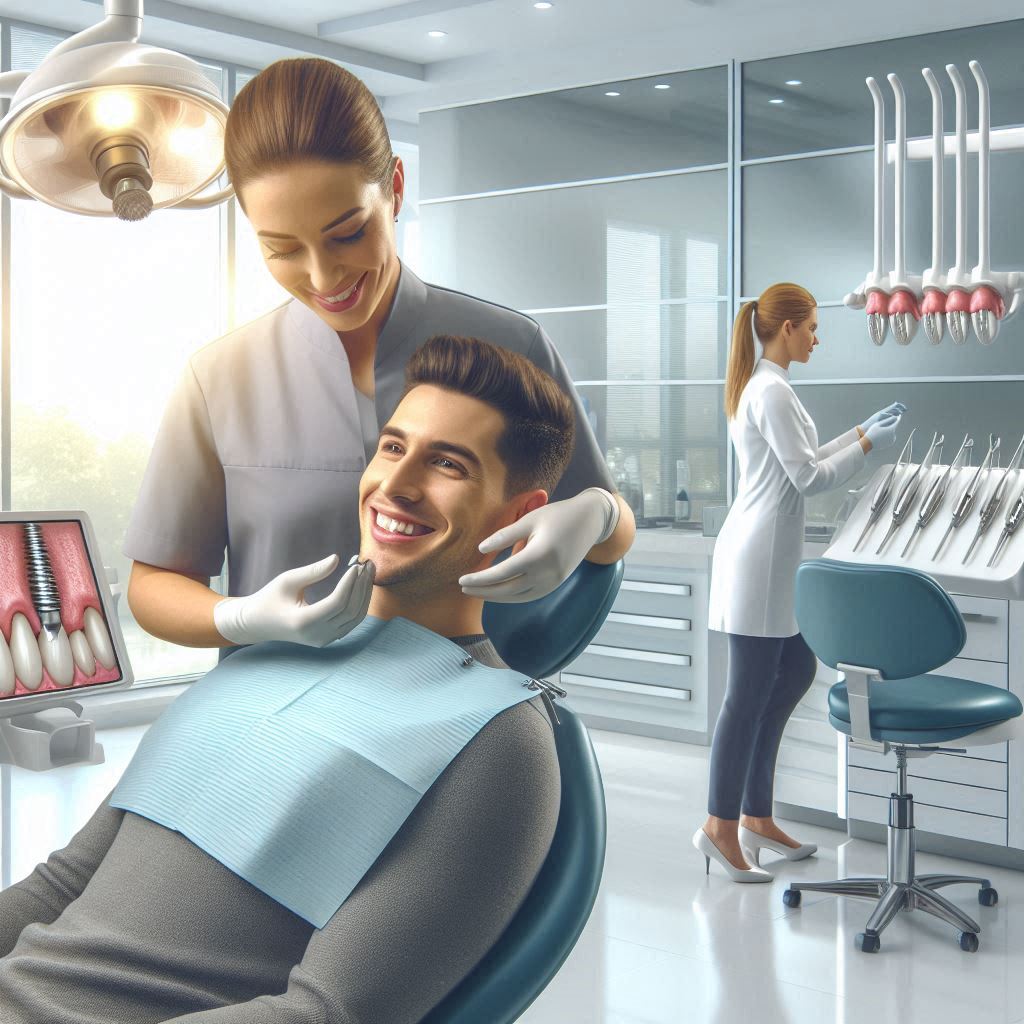
All On Four is a specific technique for replacing an entire arch of teeth (upper or lower jaw) using only four dental implants. Those four implants support a fixed bridge of new teeth.
Think of it this way:
- Traditional implants often need one implant per missing tooth. If you are missing all your teeth, that could mean 8 to 10 implants per jaw. That is a lot of surgery, time, and money.
- All On Four uses just four implants per jaw. Two are placed straight in the front. Two are placed at an angle in the back. This angled placement avoids the need for bone grafting in most cases.
The result? A full set of secure, non-removable teeth that look and function like natural teeth.
Why Is This So Popular in New Jersey?
New Jersey has a dense population, excellent healthcare infrastructure, and many highly trained prosthodontists and oral surgeons. From Newark to Cherry Hill, from Jersey City to Princeton, more dental offices now offer this advanced procedure.
Plus, New Jersey residents often travel to New York or Philadelphia for work. Having a stable, attractive smile matters. All On Four offers that stability without months of healing between steps.
Important note: Not every dentist who offers All On Four is equally skilled. We will talk about how to choose a provider later.
Who Is a Good Candidate for All On Four in New Jersey?
Let me be honest with you. Not everyone qualifies. But most people do.
Ideal candidates typically have:
- Missing most or all teeth in one or both jaws
- Significant tooth decay or gum disease that makes saving natural teeth impossible
- Painful or loose dentures that no longer fit well
- Enough jawbone to support four implants (the angled back implants help here)
- No uncontrolled medical conditions (diabetes, autoimmune disorders, etc.)
You may still qualify even if you have:
- Bone loss – The angled implants often avoid low-density bone areas.
- Gum disease – But you must treat it before getting implants.
- Smoking habits – Quitting is strongly recommended. Smokers have higher failure rates.
Who is NOT a good candidate?
- People with untreated active gum disease
- Heavy smokers unwilling to quit
- People taking certain bone-modifying medications (bisphosphonates)
- Those with severe uncontrolled systemic diseases
If you are unsure, do not guess. A free consultation with a New Jersey implant specialist is the only way to know.
The Step-by-Step Process: What to Expect in New Jersey
Let me walk you through the entire journey. Every office follows a similar flow, but timelines may vary slightly.
Step 1: Initial Consultation (1–2 hours)
You will meet with a prosthodontist or oral surgeon. They will:
- Take 3D CT scans of your jaw
- Evaluate your oral health
- Discuss your medical history
- Show you before-and-after photos of actual patients
- Give you a written treatment plan with costs
What to ask during this visit:
- How many All On Four procedures have you done in the last year?
- Can I speak to a former patient?
- What happens if an implant fails?
Step 2: Pre-Surgical Preparations (if needed)
Some patients need:
- Extractions of remaining damaged teeth
- Treatment for gum disease
- A temporary denture to wear during healing
In many cases, you can get extractions and implants in the same appointment.
Step 3: Surgery Day (2–4 hours per arch)
Here is what happens:
- You receive anesthesia (IV sedation or general anesthesia). You will not feel pain.
- The surgeon removes any remaining teeth.
- Four implants are placed into your jawbone.
- A temporary fixed bridge is attached to the implants.
Yes, you walk out with teeth that same day.
They are temporary teeth. You cannot bite into an apple yet. But you can eat soft foods and smile normally.
Step 4: Healing Phase (4–6 months)
During this time, the implants fuse with your jawbone. This process is called osseointegration. It is critical for long-term success.
You will wear the temporary bridge. It looks okay, but it is not the final product. You must eat soft foods and avoid hard chewing.
Step 5: Final Bridge Placement (2–3 visits)
After healing, your specialist takes new impressions. A dental lab fabricates your permanent bridge using high-quality materials like zirconia or acrylic reinforced with titanium.
The final bridge is stronger, more natural-looking, and made to last for decades.
All On Four vs. Other Tooth Replacement Options
A quick comparison helps you see why many New Jersey patients choose All On Four.
| Option | Pros | Cons | Best For |
|---|---|---|---|
| Traditional dentures | Low upfront cost | Slipping, discomfort, bone loss, poor chewing ability | Budget-limited patients willing to tolerate inconveniences |
| Traditional implants (individual) | Very secure, natural | Expensive, long treatment time, may require bone grafts | Patients missing only a few teeth |
| All On Four | Fixed teeth, no removal, same-day temporary bridge, often no bone graft | Higher upfront cost than dentures, requires surgery | Patients missing most or all teeth |
| All On Six | Extra stability | More implants = higher cost and longer surgery | Patients with plenty of bone and higher budget |
Bottom line: If you have been struggling with loose dentures, All On Four is life-changing. If you only miss a few teeth, individual implants might be better.
Realistic Costs of All On Four in New Jersey (2026)
Let me give you honest numbers. Prices vary widely based on:
- The specialist’s experience
- The materials used (acrylic vs. zirconia)
- Whether you need extractions or bone work
- The location (North NJ tends to be pricier than South NJ)
Average price range in New Jersey
| Treatment | Low End | High End |
|---|---|---|
| One arch (upper or lower) | $18,000 | $30,000 |
| Both arches (full mouth) | $35,000 | $55,000 |
| All On Four with zirconia bridge | $25,000 per arch | $40,000 per arch |
These prices typically include:
- CT scan and planning
- Extractions (if needed)
- Surgery and anesthesia
- Temporary bridge
- Final bridge
- Follow-up visits for one year
What is usually NOT included:
- Bone grafting (uncommon with All On Four, but sometimes needed)
- Sinus lifts
- Treatment for active gum disease
- Long-term maintenance cleanings
A warning: If a New Jersey clinic offers All On Four for $10,000 per arch, be very careful. That usually means lower-quality materials, less experienced surgeons, or hidden fees. You do not want to bargain-hunt on permanent surgery.
Does Insurance Cover All On Four?
Most dental insurance plans do not cover the full cost. However:
- Some plans cover extractions and diagnostic imaging.
- Medical insurance may cover part of the surgery if tooth loss resulted from an accident or medical condition.
- Many New Jersey offices offer financing through CareCredit, Alphaeon, or in-house payment plans.
How to Choose the Best All On Four Provider in New Jersey
This is the most important section in this guide. Please read carefully.
Red flags to avoid:
- Offices that refuse to show before-and-after photos
- No patient testimonials you can verify
- A general dentist who does two All On Four cases per year (you want a specialist)
- Prices that seem too good to be true
- No written treatment plan with costs clearly listed
Green flags to look for:
- A prosthodontist (specialist in tooth replacement) or oral surgeon with advanced training
- Dedicated implant coordinator who answers your questions patiently
- In-house CT scanner (saves time and money)
- Published success rates (95% or higher after 10 years is standard)
- Transparent pricing with no hidden fees
Top cities in New Jersey with excellent providers:
- Newark – Major medical centers with oral surgery departments
- Cherry Hill – Many experienced prosthodontists in South Jersey
- Princeton – High-quality private practices
- Jersey City – Convenient for NYC commuters
- Morristown – Several implant-focused dental practices
Always visit at least two different offices before deciding. The first consultation is usually free or low-cost.
The Truth About Recovery and Healing
Let me be realistic. The first week is not fun. But it is manageable.
Day 1–3 after surgery:
- Swelling and bruising are normal
- Stick to cold liquids and smoothies
- Sleep with your head elevated
- Take prescribed pain medication as needed
Day 4–7:
- Swelling goes down
- You can eat warm soup, yogurt, mashed potatoes
- Start gentle salt water rinses
Week 2–6:
- Most patients return to work within 2–3 days (non-physical jobs)
- You can eat soft foods like pasta, eggs, soft bread
- Avoid nuts, chips, steak, sticky candies
Month 4–6:
- By now, osseointegration is nearly complete
- You can chew more normally but still avoid extreme hardness with the temporary bridge
After final bridge:
- You can eat almost anything, including steak and apples
- But never use your teeth as tools (opening packages, cracking nuts)
Typical healing timeline in a simple visual:
Days 1–3: Ice packs, rest, liquids
Days 4–14: Soft foods, gentle cleaning
Weeks 3–12: Careful chewing, healing progresses
Month 6: Permanent bridge, normal diet resumes
Long-Term Care and Maintenance
All On Four implants cannot get cavities. But they can get peri-implantitis (infection around the implant). This is preventable with good care.
Daily maintenance:
- Brush twice a day with a soft brush
- Use a water flosser to clean under the bridge
- Regular floss and interdental brushes for tight spaces
- Avoid smoking (major cause of implant failure)
Professional maintenance:
- See your dentist every 6 months for implant-specific cleanings
- Annual X-rays to check bone levels around implants
- Your prosthetist should check screws and bite alignment once per year
Expected lifespan:
| Component | Lifespan |
|---|---|
| Implants themselves | 20+ years to lifetime |
| Final bridge (acrylic) | 8–15 years |
| Final bridge (zirconia) | 15–20+ years |
| Temporary bridge | Only for healing (4–6 months) |
When the bridge wears out, your dentist can replace it without removing the implants. That is a major advantage.
Pros and Cons: An Honest Summary
Pros
- You never take them out. No soaking, no adhesive creams.
- Eat almost anything again.
- Prevents bone loss in your jaw.
- Looks completely natural.
- Same-day temporary teeth.
Cons
- High upfront cost (but compare to decades of denture adhesives and new dentures every 5–7 years).
- Requires surgery with typical risks (infection, nerve injury, bleeding).
- Healing takes months before you can chew hard foods.
- Not reversible.
- If an implant fails, repair can be complex.
What New Jersey Patients Wish They Knew Before Starting
I spoke with several real All On Four patients from across New Jersey. Here is what they told me.
“I wish I knew how much the temporary bridge would stain. Coffee and red sauce made it look bad by month three. But the final zirconia bridge has been perfect for two years.” – Linda, Cherry Hill
“The first week was harder than I expected. But after that? Easy. I should have done this ten years sooner.” – Mike, Newark
“Do not go to the cheapest place. My cousin went to a discount clinic in Pennsylvania and lost two implants within a year. I paid more in Princeton and mine are perfect.” – David, Edison
“The water flosser is not optional. Buy a good one and use it every single day.” – Patricia, Jersey City
Frequently Asked Questions (FAQ)
1. Is the procedure painful?
During surgery, you are under anesthesia and feel nothing. Afterward, most patients describe discomfort, not severe pain. Over-the-counter pain relievers help after the first few days.
2. Can All On Four be done on both jaws at once?
Yes. Many New Jersey patients get both arches done in a single surgery. The surgery takes 4–6 hours. Recovery is harder because both jaws are healing, but it is safe if you are healthy.
3. How long do All On Four implants last?
The implants themselves last 20+ years or a lifetime with good care. The bridge on top may need replacement after 10–15 years.
4. Will my insurance cover any part of All On Four in New Jersey?
Most dental insurance covers very little. However, some medical plans cover implants if tooth loss was due to an accident or cancer treatment. Ask your provider for a pre-authorization.
5. Can I get All On Four if I have diabetes?
Yes, but your diabetes must be well-controlled. Uncontrolled diabetes significantly increases implant failure risk. Your specialist will request blood work (HbA1c) before approving surgery.
6. What happens if one implant fails?
Failure is rare (less than 5% over 10 years in healthy patients). If it happens, your surgeon can often replace the failed implant or modify the bridge to work with three implants. You are not left without teeth.
7. How do I clean under the bridge?
Use a water flosser (like Waterpik) with a special implant tip. Also use superfloss or interdental brushes. Your dental team will teach you.
8. Can I get All On Four if I have low bone density?
Yes. That is one of the main advantages of this technique. The angled back implants avoid areas with low bone density. Many patients avoid bone grafting entirely.
9. Is there a cheaper alternative?
Traditional dentures are much cheaper upfront, but they cause bone loss, limit your diet, and need replacement every 5–7 years. Implant-retained dentures (2–4 implants with a removable denture) cost less than All On Four but are not fixed.
10. How do I find the best surgeon in New Jersey?
Look for a prosthodontist or oral surgeon who performs All On Four daily, not weekly. Ask for case photos. Read Google reviews but focus on long-term follow-up comments. Schedule two consultations before deciding.
Important Notes for Readers
✅ Do not rush. Take time to choose your specialist. This decision affects your health for decades.
✅ Ask about warranties. Some top New Jersey clinics offer 5–10 year warranties on their bridges.
✅ Plan your finances. All On Four is an investment. But compare it to 30 years of denture adhesives, dental visits for sore spots, and new dentures every few years.
✅ Your jawbone matters. Even though All On Four reduces the need for bone grafts, severe bone loss may still require grafting. A CT scan reveals the truth.
✅ Travel for quality if needed. New Jersey has excellent providers, but do not be afraid to travel to NYC or Philadelphia if you find a world-class surgeon. The result is worth the drive.
Additional Resource
For a deeper look at scientific studies, patient forums, and cost comparisons across different states, visit the American Academy of Implant Dentistry official patient education page:
🔗 www.aaid-implant.org/patient-resources
This independent resource offers unbiased information, provider search tools, and a list of questions to ask your surgeon.
Conclusion (Three Lines)
All On Four dental implants in New Jersey offer a proven, long-term solution for patients tired of loose dentures or missing teeth. The procedure costs between 18,000and30,000 per arch, requires a 4–6 month healing period, but provides permanent, fixed teeth that function like natural ones. Choose an experienced prosthodontist or oral surgeon, commit to daily cleaning, and you can expect 20+ years of confident eating and smiling.
Disclaimer: This article is for informational purposes only and does not constitute medical or dental advice. Always consult with a licensed dental professional in New Jersey before undergoing any surgical procedure. Individual results vary based on health, bone quality, and aftercare. The author and publisher are not responsible for any outcomes related to treatments discussed in this guide.