Are Dental Implants Removable?
You have probably heard a lot about dental implants. Maybe your dentist mentioned them. Maybe a friend got one. And now you are asking a very smart question: Are dental implants removable?
The short answer is: It depends on the type of implant.
Some dental implants are permanent. You cannot take them out at home. Others are designed to be removable. They snap in and out for cleaning.
This guide will give you the full picture. No confusing terms. No fake promises. Just honest, clear, and useful information to help you understand your options.
What Exactly Is a Dental Implant?
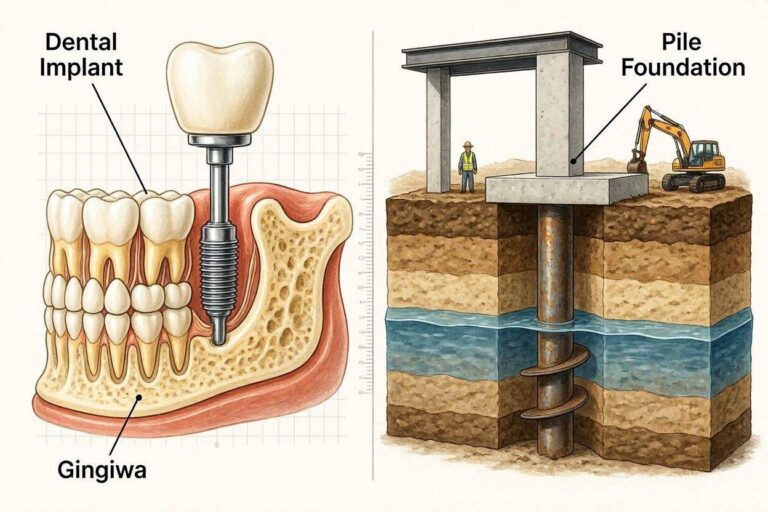
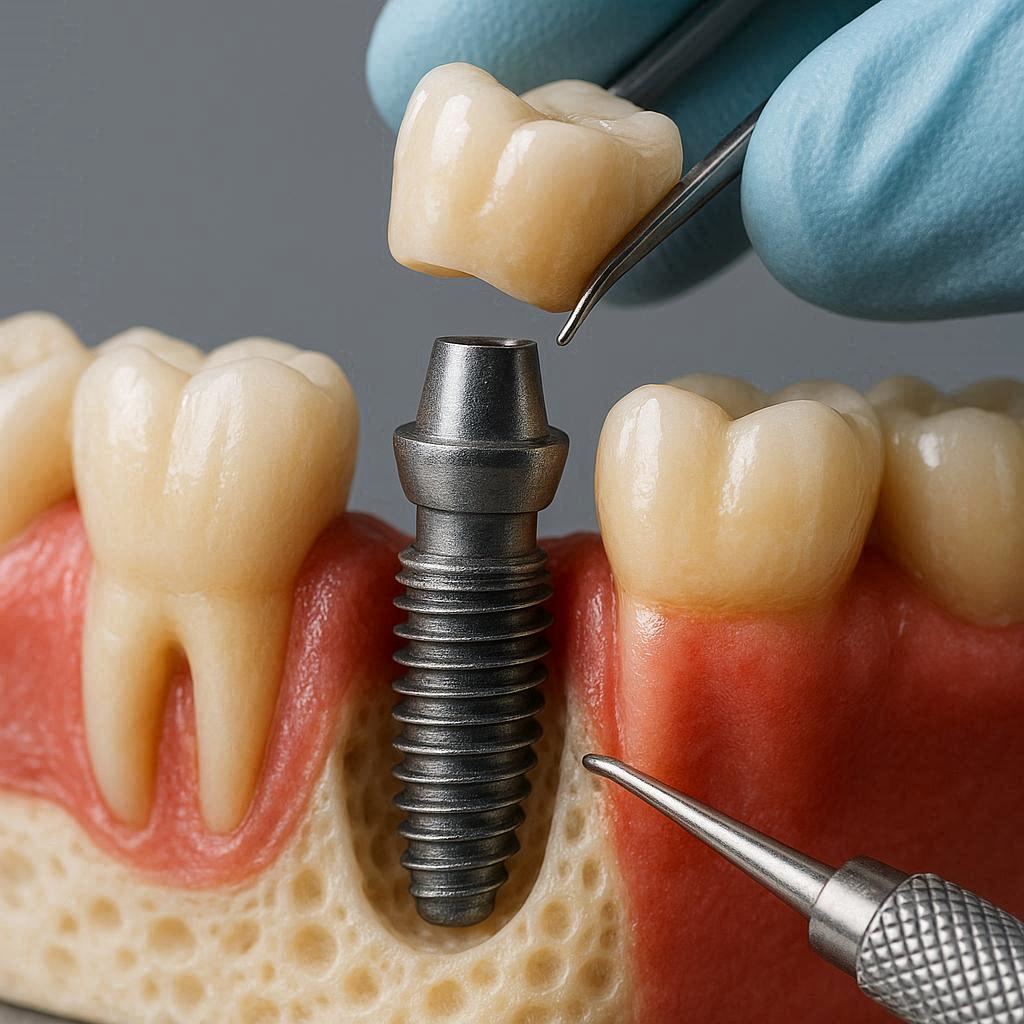
A dental implant is a small screw. It is usually made of titanium. A surgeon places this screw into your jawbone. Over time, the bone grows around the screw. This makes the implant very strong.
Think of it like an artificial tooth root.
Once the implant is stable, the dentist adds a connector. Then they place a fake tooth on top. That fake tooth is called a crown.
But here is the key point. Not all implants work the same way. Some hold a single crown. Others hold a bridge or even a full set of teeth.
And yes, some are removable. Others are not.
The Two Main Types of Implants
To understand if dental implants are removable, you need to know the two main categories.
| Type of Implant | Removable? | Who is it for? |
|---|---|---|
| Fixed (permanent) | No | People who want a permanent solution. |
| Removable (overdenture) | Yes | People who want easy cleaning. |
Let us look at each one in detail.
Fixed Dental Implants (Non-Removable)
Fixed implants are permanent. You cannot remove them at home. Only a dentist can remove them with special tools.
How do fixed implants work?
The implant screw is placed in the jawbone. After healing, the dentist attaches a crown. The crown is screwed or cemented onto the implant. Once attached, it stays there. You brush it like a natural tooth. You floss around it. You never take it out.
Common examples of fixed implants
- Single implant crown: Replaces one missing tooth.
- Implant-supported bridge: Replaces two or more missing teeth in a row.
- All-on-4 or All-on-6: A full arch of fixed teeth held by four or six implants. These are permanent. You do not remove them at night.
Important note: Fixed implants feel very close to natural teeth. You forget they are there. But they require good oral hygiene. If you do not clean them well, problems can happen.
Removable Dental Implants (Overdentures)
Yes, some implants are removable.
These are called implant-supported overdentures.
How do removable implants work?
You still get implants placed in your jawbone. But instead of a fixed crown, you get a special denture. The denture snaps onto the implants using attachments.
Every day, you can snap the denture out. You clean it. You clean around the implants. Then you snap it back in.
Who chooses removable implants?
- People who want more stability than a regular denture.
- People who have low bone density.
- People who want easier cleaning.
- People who prefer a lower cost option than fixed full-arch implants.
Example
Imagine you have no teeth on your lower jaw. You get two or four implants placed. Then you get a denture that clicks onto those implants. It stays firmly in place while you eat and talk. But at night, you take it out to let your gums rest.
Important note: Removable implant dentures are much more stable than traditional dentures. They do not slip. But they are still removable. You are responsible for taking them out and cleaning them daily.
Fixed vs. Removable: A Detailed Comparison
Let us compare these two options side by side. This will help you see the differences clearly.
| Feature | Fixed Implants | Removable Implants (Overdenture) |
|---|---|---|
| Removal | Only by dentist | You can remove daily |
| Cleaning | Brushing and flossing like natural teeth | Remove and clean outside the mouth |
| Stability | Very high | High (better than regular dentures) |
| Cost | Higher | Lower to moderate |
| Bone requirement | Needs good bone density | Works with less bone |
| Number of implants needed | 1 per tooth or 4-6 per arch | 2-4 per arch |
| Feels like | Natural teeth | Very stable denture |
| Sleeping | Worn 24/7 | Usually removed at night |
Can You Remove a Fixed Implant If You Want To?
This is an important question.
You cannot remove a fixed implant yourself. It is screwed or cemented in place. Trying to remove it at home would cause serious damage. You could break the implant. You could hurt your jawbone. You could injure your gums.
However, a dentist can remove a fixed implant if needed. Why would they do that?
- The implant fails (rare, but possible).
- The crown breaks.
- You have an infection.
- You want to upgrade the crown.
But removal is a surgical procedure. It is not like taking out a denture. So if you choose fixed implants, think of them as permanent. That is the whole point.
A quote from a prosthodontist: “Fixed implants are designed to stay in your mouth for decades. They are not meant to be taken out for cleaning. If you want something removable, you are looking for an overdenture.”
Why Would Anyone Choose Removable Implants?
Good question. If fixed implants are permanent, why choose removable?
Here are the most common reasons.
1. Easier cleaning
Cleaning fixed full-arch implants can be tricky. You need special floss and brushes. Removable overdentures come out. You can clean them thoroughly at the sink.
2. Lower cost
Fixed full-arch implants (like All-on-4) cost more. Removable implant dentures use fewer implants. The laboratory work is simpler. So the price is lower.
3. Less bone required
If your jawbone is thin, fixed implants may not be possible without a bone graft. Removable overdentures can often be placed with less bone.
4. Letting gums rest
Many dentists recommend removing overdentures at night. This gives your gums and bone a break. It can improve long-term health.
5. Easier repairs
If a removable denture breaks, it can be repaired or relined. If a fixed implant crown breaks, it is more complex to fix.
How Do Removable Implants Stay in Place?
You might be wondering: If they are removable, how do they stay put during eating?
Great question.
Removable implant dentures use special attachments. The most common are:
- Locator attachments: A metal housing in the denture snaps onto a ball-shaped abutment on the implant. You feel and hear a click.
- Bar attachments: A metal bar connects the implants. The denture clips onto the bar.
- Magnets: Less common, but some systems use small magnets.
These attachments hold the denture firmly. You need a gentle tug to remove it. It will not fall out when you laugh, cough, or eat an apple.
Step-by-Step: What to Expect with Removable Implants
Let us walk through the process. This will help you understand if it is right for you.
Step 1: Consultation
Your dentist examines your mouth. They take X-rays or a CT scan. They check your bone density.
Step 2: Implant placement
A surgeon places 2 to 4 small implants into your jawbone. This is done with local anesthesia. You may feel pressure, but not pain.
Step 3: Healing period
You wait 3 to 6 months. During this time, the bone grows around the implants. This is called osseointegration. It is very important.
Step 4: Attachments added
After healing, the dentist uncovers the implants. They attach small connectors (abutments).
Step 5: Denture creation
The dentist takes impressions. A dental lab creates your custom denture. It will have special housings that snap onto the implants.
Step 6: Fitting
You try in the denture. The dentist adjusts it for comfort and bite. Then you learn how to snap it in and out.
Step 7: Home care
You go home with your new removable implant denture. You practice removing and inserting it.
Important note: The process takes several months. But the result is a stable, comfortable denture that does not slip.
Step-by-Step: What to Expect with Fixed Implants
For comparison, here is the fixed implant process.
Step 1: Consultation
Same as above. The dentist checks your bone and overall health.
Step 2: Implant placement
Implants are placed in the jawbone.
Step 3: Healing
3 to 6 months of healing.
Step 4: Abutment and crown placement
The dentist attaches an abutment, then a crown. The crown is screwed or cemented. You never remove it.
Step 5: Ongoing care
You brush and floss daily. You visit the dentist regularly. The crown stays in your mouth permanently.
Cleaning and Maintenance: Removable vs. Fixed
Cleaning is different for each type. Let us compare.
| Task | Fixed Implants | Removable Implants |
|---|---|---|
| Daily brushing | Brush like natural teeth | Remove denture, brush it, brush implants |
| Flossing | Needed around each implant | Not needed the same way |
| Special tools | Water flosser, superfloss, implant brushes | Denture brush, implant cleaning brushes |
| Nighttime | Wear 24/7 | Usually remove and soak |
| Professional cleaning | Every 6 months | Every 6 months |
| Replacement of parts | Rare | Attachments wear out every 1-2 years |
How Long Do Removable Implants Last?
This is an honest section. No fake promises.
The implants themselves (the screws in your bone) can last 20+ years or a lifetime if well cared for.
The removable denture part lasts 5 to 10 years. Over time, the plastic teeth wear down. The pink base can stain. The attachments lose their snap.
The good news? You can make a new denture. The implants stay in place. So you only replace the denture, not the implants.
The attachments (the snap parts) wear out faster. You may need new plastic inserts every 12 to 24 months. This is a simple, low-cost procedure.
How Long Do Fixed Implants Last?
Fixed implant crowns also last a long time. A single crown can last 15 years or more. Full-arch fixed bridges may need maintenance after 10 to 15 years.
But again, the implant screw itself can last a lifetime.
The difference? Fixed crowns are harder to replace. It requires a dentist visit and sometimes a lab. Removable dentures are easier to repair or remake.
Which One Costs More?
Let us talk money. Prices vary a lot by location and dentist. But here are general ranges in the United States (without insurance).
| Procedure | Approximate Cost |
|---|---|
| Single fixed implant + crown | $3,000 – $6,000 |
| Implant-supported overdenture (2 implants) | $4,000 – $8,000 per arch |
| Implant-supported overdenture (4 implants) | $6,000 – $12,000 per arch |
| Fixed All-on-4 (full arch) | $15,000 – $30,000 per arch |
Removable is almost always cheaper. That is one of its biggest advantages.
Pros and Cons of Removable Implants
Let us make a simple list.
Pros
- Lower cost than fixed full-arch implants
- Easier to clean
- Can be removed at night
- Works with less bone
- Easier to repair
- More stable than regular dentures
Cons
- You have to remove and insert daily
- Attachments wear out every 1-2 years
- Less natural feeling than fixed
- Denture part needs replacement every 5-10 years
- Can feel bulkier in the mouth
Pros and Cons of Fixed Implants
Pros
- Feels very close to natural teeth
- No daily removal
- No loose parts
- Very high stability
- Long-lasting
Cons
- Higher cost
- Harder to clean (especially full-arch)
- Requires good bone density
- Difficult to repair if broken
- Only dentist can remove
Common Myths About Removable Implants
Let us clear up some misunderstandings.
Myth 1: Removable implants are just like regular dentures
False. Regular dentures rest on gums. They can slip. Removable implants snap onto implants. They are much more stable. You can eat steak and apples.
Myth 2: You have to remove fixed implants at night
False. Fixed implants stay in 24/7. You never remove them.
Myth 3: Removable implants damage the bone
False. Implants actually preserve bone. The bone stays healthier because it has a screw to hold onto. Regular dentures can accelerate bone loss. Removable implants prevent that.
Myth 4: All implants are permanent
False. As you now know, some are removable by design. The word “implant” refers to the screw in the bone. That screw is permanent. But what attaches to it can be removable.
Can You Convert Removable Implants to Fixed Later?
Yes, in some cases.
If you start with two implants and a removable overdenture, you can sometimes add more implants later. Then you can convert to a fixed bridge.
But this is not always simple. It may require new surgery. It will cost more. It is better to decide upfront which type you prefer.
Talk to your dentist. Tell them: “I might want fixed in the future.” They can plan accordingly.
Who Is a Good Candidate for Removable Implants?
You might be a good candidate if:
- You have missing teeth (several or all)
- You already wear a denture and hate the slipping
- You have some bone loss but not enough for fixed implants
- You want a lower-cost implant solution
- You are okay with removing your teeth at night
- You want something more stable than a regular denture
- You want easy cleaning
Who Is a Good Candidate for Fixed Implants?
You might be a good candidate if:
- You have good bone density
- You want the closest thing to natural teeth
- You do not want to remove anything daily
- You can afford a higher cost
- You are committed to excellent oral hygiene
- You have one or two missing teeth (single crowns)
What Happens If You Do Not Clean Removable Implants?
This is serious.
If you do not clean removable implants, plaque builds up around the implants. This can cause peri-implantitis. That is an infection around the implant. It leads to bone loss. In severe cases, the implant fails and falls out.
Cleaning removable implants is not hard, but you must do it.
Daily cleaning routine for removable implants
- Remove the denture.
- Rinse the denture under water.
- Brush the denture with a soft denture brush and mild soap or denture paste (not regular toothpaste).
- Brush around each implant in your mouth with a soft brush.
- Use a special implant brush or interdental brush to clean around the abutments.
- Rinse your mouth with water or mouthwash.
- Snap the denture back in.
At night, many people soak the denture in water or a denture cleaning solution.
Important note: Never sleep with removable implant dentures unless your dentist says it is okay. Most recommend removing them at night to let your gums rest.
What Happens If You Do Not Clean Fixed Implants?
Similar problems. Plaque builds up. Gums get inflamed. Bone loss occurs. The implant can fail.
But with fixed implants, you cannot remove them to clean. So you must learn special techniques.
Daily cleaning for fixed implants
- Brush twice a day with a soft brush.
- Use a water flosser (like Waterpik) around each implant.
- Use superfloss or implant floss to clean under the bridge.
- Use small interdental brushes.
- Visit your dentist every 6 months for professional cleaning.
Fixed implants require more effort to clean. That is a fact.
A Realistic Look at Failure Rates
Let us be honest. Implants can fail. But the success rate is very high.
| Type | Success rate after 10 years |
|---|---|
| Single fixed implant | 95-97% |
| Fixed full-arch (All-on-4) | 94-98% |
| Removable overdenture (2 implants) | 90-95% |
Failure is rare. When it happens, common reasons include:
- Smoking
- Poor oral hygiene
- Uncontrolled diabetes
- Grinding teeth (bruxism)
- Insufficient bone
- Infection
If an implant fails, the dentist may remove it. Then you can try again after healing. Or you may choose a different option.
Can You Feel the Difference Between Fixed and Removable?
Yes, you can.
Fixed implants feel almost exactly like natural teeth. You bite, chew, and speak without thinking about them.
Removable implant dentures feel very stable. Much better than regular dentures. But you are aware that they are dentures. You feel the plastic base on your gums. You feel the click when they snap in.
For many people, that is perfectly fine. The stability matters more than the feeling.
What Do Patients Say?
Let us share realistic patient experiences. Names are changed for privacy.
Linda, 68, removable overdenture: *”I had regular dentures for 10 years. They slipped when I laughed. I could not eat corn on the cob. Now with my snap-in implants, I eat everything. I take them out at night. Cleaning is easy. Best decision I made.”*
Robert, 55, fixed All-on-4: “I wanted permanent teeth. No removing. No soaking. My fixed implants feel like my real teeth did 20 years ago. But cleaning takes time. I use three different brushes and a water flosser every night. Worth it.”
Maria, 72, removable overdenture: “I chose removable because of cost. I paid half of what fixed would cost. I am very happy. They stay in place all day. I remove them at night. My only complaint? The attachments wear out every year. But my dentist changes them cheaply.”
James, 62, fixed single implant: “I lost one front tooth. The fixed implant is perfect. I forget it is there. I floss around it. No problems in 8 years.”
Frequently Asked Questions (FAQ)
1. Are dental implants removable by the patient?
It depends. Fixed implants are not removable by the patient. Removable implant overdentures are removable by the patient daily.
2. Can I sleep with my removable implants?
Most dentists recommend removing them at night. This gives your gums and bone a rest. It also prevents damage from grinding.
3. Do removable implants hurt?
The placement surgery is done with anesthesia. You should not feel pain. After surgery, you may have soreness for a few days. The denture itself should not hurt once adjusted.
4. How many implants do I need for removable dentures?
Usually 2 to 4 per arch. Two is the minimum. Four provides more stability.
5. Can I eat normally with removable implants?
Yes. You can eat most foods. But very sticky or hard foods (like taffy or whole nuts) may be tricky. Your dentist will give you a list.
6. Do removable implants look natural?
Yes. The denture is made to match your gums and surrounding teeth. Most people cannot tell you have implants.
7. How often do attachments need replacement?
Every 12 to 24 months. It is a quick, low-cost procedure.
8. Can I get removable implants on both jaws?
Yes. Many people get them on the upper and lower jaws.
9. Are removable implants covered by insurance?
Some dental insurance plans cover part of the cost. Medicare generally does not. Check with your provider.
10. What is the main difference between All-on-4 and removable overdentures?
All-on-4 is fixed. You do not remove it. Overdentures are removable daily.
Additional Resource
For more detailed clinical information and research on implant overdentures, visit the American College of Prosthodontists patient education page:
https://www.gotoapro.org/dental-implants (external link)
This resource provides dentist-reviewed information on fixed and removable implant options.
Important Notes for Readers
- Not everyone is a candidate. Your bone health, gum health, and overall medical history matter.
- Implants require commitment. You must clean them daily. You must see your dentist regularly.
- Cost is an investment. Cheaper options exist, but quality matters. Do not choose based only on price.
- Get a second opinion. If one dentist says you cannot have implants, ask another.
- Ask about warranties. Some dentists offer warranties on implants and crowns.
- Removable does not mean low quality. Many patients prefer removable for practical reasons.
- Smoking reduces success. If you smoke, your implant failure risk is much higher. Quitting helps.
Final Checklist: Fixed or Removable?
Ask yourself these questions.
| Question | If Yes → Consider |
|---|---|
| Do I want permanent teeth I never remove? | Fixed |
| Do I want easier cleaning? | Removable |
| Is cost a major factor? | Removable |
| Do I have good bone density? | Either |
| Do I have low bone density? | Removable |
| Am I willing to clean carefully every day? | Either |
| Do I want the most natural feel? | Fixed |
| Do I want to remove my teeth at night? | Removable |
| Do I grind my teeth at night? | Removable (remove at night) |
| Do I want a solution for one missing tooth? | Fixed single implant |
Conclusion (Three Lines)
Dental implants can be fixed (permanent) or removable (snap-in overdentures). Fixed implants stay in your mouth forever and feel like natural teeth, while removable implants let you take out your denture for easy cleaning and lower cost. Your choice depends on your bone health, budget, and how much maintenance you prefer.