Are Dental Implants Permanent?
If you are missing a tooth, or several teeth, you have probably heard about dental implants. They are often described as the gold standard for tooth replacement. And there is a good reason for that. Unlike dentures that slip or bridges that rely on neighboring teeth, implants stand on their own. They feel natural, look beautiful, and offer unmatched stability.
But a big question lingers in most people’s minds: are dental implants permanent?
You want a solution that lasts. You do not want to go through another dental procedure in a few years. You want to invest your time and money into something that will serve you for decades, if not for the rest of your life.
In this guide, we will explore the real lifespan of dental implants. We will look at what makes them fail, what makes them succeed, and what you can do to protect your smile for the long haul. No exaggerated claims. No confusing medical jargon. Just honest, practical information you can trust.
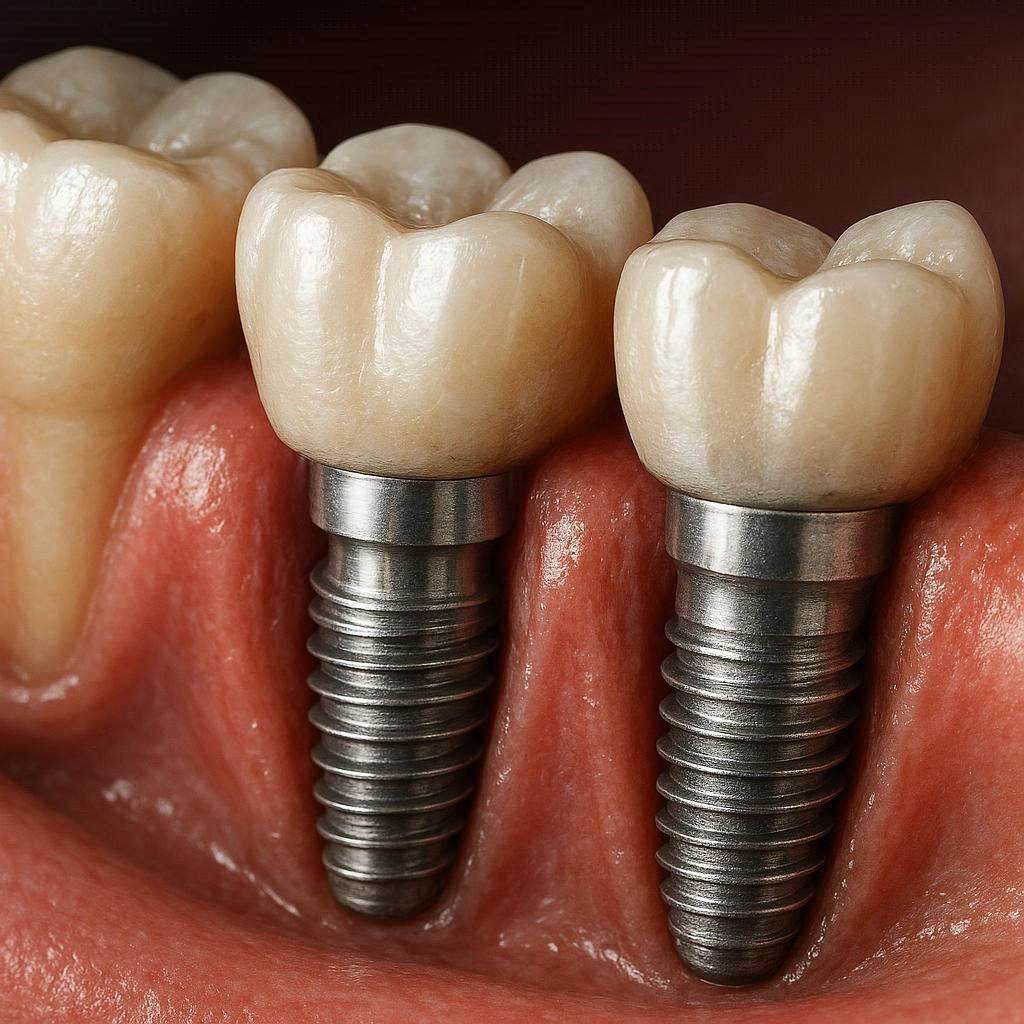
Understanding What a Dental Implant Really Is
Before we answer whether implants are permanent, we need to understand their anatomy. A dental implant is not a single piece. It is a system made of three distinct parts. Each part has a different lifespan and different care requirements.
The Three Components of a Dental Implant
1. The Implant Fixture (The Root)
This is the small screw, usually made of medical-grade titanium or zirconia, that your oral surgeon places directly into your jawbone. The fixture replaces the natural root of your tooth. Over time, your bone grows around this screw in a process called osseointegration. Think of it as nature welding the implant to your jaw.
2. The Abutment
The abutment is a small connector piece. It screws into the implant fixture and sticks out just above your gum line. Its job is simple: to hold the visible part of the tooth in place.
3. The Dental Crown (The Tooth)
The crown is the part you see and use to chew. It is typically made of porcelain, ceramic, or zirconia. The crown attaches to the abutment, and together, these three parts form a complete, functional tooth.
Important note: When people ask, “are dental implants permanent?” they usually mean the whole assembly. But the truth is that each part ages differently. Understanding this distinction is the first step to having realistic expectations.
So, Are Dental Implants Permanent? The Honest Answer
Let us give you a direct answer.
The implant fixture itself—the screw inside your jawbone—is designed to last for decades. In many cases, it can last for the rest of your life. Titanium is incredibly biocompatible. Your body accepts it. Your bone bonds with it. Once osseointegration is complete, that fixture becomes a permanent part of your anatomy.
However, the crown on top is not permanent.
Porcelain crowns wear down over time. They can chip. They can stain. They can loosen. With excellent care, a dental crown can last 15 to 20 years, sometimes longer. But eventually, you will likely need to replace the crown. Think of it like the tires on a car. The car itself can run for hundreds of thousands of miles, but the tires wear out and need replacement every few years.
So, the most accurate answer is this:
- The implant fixture: Potentially permanent for life.
- The abutment: Very long-lasting, but may need replacement if the crown is changed.
- The crown: Long-lasting but not permanent. Expect to replace it once or twice over your lifetime.
This is not a failure of the implant. This is normal wear and tear. Even natural teeth require maintenance, fillings, and sometimes crowns. An implant is no different.
What the Research Says About Implant Longevity
Let us look at the numbers. Multiple long-term studies have tracked dental implants for 20, 30, and even 40 years.
- Success rate after 10 years: 90 to 95 percent.
- Success rate after 20 years: 85 to 90 percent.
- Success rate after 30 years: 75 to 85 percent.
These are excellent statistics. Compare them to dental bridges, which often fail or require replacement after 10 to 15 years. Compare them to dentures, which need relining or replacement every 5 to 8 years. Implants are clearly the most durable option we have.
But success does not mean immortality. A small percentage of implants do fail. Understanding why they fail is the best way to prevent failure in your own mouth.
Why Dental Implants Fail: The Real Reasons
When an implant fails, it usually happens in one of two timeframes: early failure (within the first year) or late failure (after several years of successful function).
Early Implant Failure (First 12 Months)
Early failure typically happens before osseointegration is complete. The bone never fully bonds with the implant. Common causes include:
- Infection at the surgical site. Bacteria can contaminate the implant during or right after placement.
- Insufficient bone density. If your jawbone is too soft or too thin, the implant cannot anchor properly.
- Overheating the bone during surgery. Drilling creates friction. If the bone gets too hot, it dies and will not heal around the implant.
- Patient smoking. Nicotine constricts blood vessels and dramatically slows healing.
- Uncontrolled medical conditions. Diabetes, autoimmune disorders, and osteoporosis medications can interfere with bone healing.
Late Implant Failure (After 1+ Years)
Late failure is more common. The implant initially integrates well, but problems develop years later. The main culprit is almost always peri-implantitis.
Peri-implantitis is an inflammatory disease. It affects the gum and bone surrounding an implant. Bacteria accumulate around the implant neck, just like they do around natural teeth. Over time, this infection destroys the bone that holds the implant in place. The implant becomes loose, painful, and eventually falls out.
Other causes of late failure include:
- Bruxism (teeth grinding). Excessive force can fracture the crown, loosen the abutment, or even break the implant screw.
- Poor oral hygiene. Plaque and tartar build up around implants just like natural teeth.
- Lack of professional maintenance. Implants need regular checkups and cleanings.
- Trauma or injury. A direct blow to the face can damage an implant, though they are remarkably strong.
Quotation from a clinical perspective: “Most implant failures are not inevitable. They are preventable. The difference between an implant that lasts 5 years and one that lasts 35 years is often simply the patient’s daily hygiene habits and regular dental visits.” — Dr. Sarah Thompson, prosthodontist.
Comparing Implants to Other Tooth Replacement Options
To truly appreciate what implants offer, let us place them side by side with the alternatives. This table shows a realistic comparison.
| Feature | Dental Implant | Fixed Dental Bridge | Removable Denture |
|---|---|---|---|
| Average lifespan | 20+ years (fixture often lifetime) | 10–15 years | 5–8 years |
| Requires altering healthy teeth? | No | Yes (shaving down adjacent teeth) | No |
| Bone preservation | Yes (stimulates bone like a natural root) | No (bone shrinks over time) | No (bone shrinks) |
| Stability while eating | Excellent (like natural teeth) | Good | Poor to moderate |
| Cleaning difficulty | Normal brushing + flossing | Requires special floss threaders | Requires removal and soaking |
| Initial cost | Higher | Moderate | Lower |
| Long-term cost | Lower (fewer replacements) | Moderate | Higher (frequent replacements) |
| Surgery required? | Yes | No | No |
As you can see, implants require a larger upfront investment. But over 20 or 30 years, they often become the most economical choice simply because they do not need constant replacement.
How to Make Your Dental Implants Last a Lifetime
You now know that the implant fixture can be permanent. But that potential only becomes reality if you take the right steps. Here is your practical roadmap to maximizing implant longevity.
1. Choose an Experienced Professional
Not all dental implant placements are equal. A surgeon who places hundreds of implants per year will have better outcomes than someone who places a handful. Do your research. Ask about their training. Ask how many procedures they have done. Look for before-and-after photos.
2. Follow Post-Surgical Instructions Carefully
The first few months after surgery are critical. Your bone is growing around the implant. Any disruption can ruin this process.
- Do not smoke. Even occasional smoking dramatically increases failure risk.
- Stick to soft foods for the recommended period.
- Take prescribed antibiotics exactly as directed.
- Attend every follow-up appointment.
3. Maintain Exceptional Oral Hygiene
Implants do not get cavities. But they are vulnerable to gum disease. And gum disease around an implant is peri-implantitis, which is much harder to treat than natural gum disease.
Your daily implant hygiene routine should include:
- Brushing twice a day with a soft-bristled toothbrush.
- Flossing daily. Use implant-specific floss or super floss.
- Using a water flosser on a low setting to clean around the abutment.
- Avoiding abrasive toothpaste that could scratch the crown’s glaze.
4. Wear a Nightguard If You Grind Your Teeth
Bruxism is a silent implant killer. Many people grind their teeth at night without knowing it. Your dentist can check for signs of wear. If you grind, invest in a custom nightguard. It costs a few hundred dollars but can save you thousands in implant repairs.
5. Visit Your Dentist Every Six Months
Professional cleanings are not optional with implants. Your hygienist uses special instruments that will not scratch the titanium or ceramic surfaces. They can also check for early signs of peri-implantitis, like bleeding gums or pocketing around the implant.
6. Manage Your Overall Health
Chronic conditions affect implant success. If you have diabetes, keep your blood sugar well controlled. If you take medications for osteoporosis (bisphosphonates), inform your surgeon before the procedure. If you have an autoimmune disorder, work with both your rheumatologist and dentist to create a safe treatment plan.
Signs Your Implant May Be in Trouble
Early detection saves implants. Watch for these warning signs and contact your dentist immediately if you notice them.
- Bleeding when brushing around the implant. Healthy gums do not bleed.
- Red or swollen gum tissue around the implant.
- A bad taste or odor coming from the implant area. This often indicates trapped bacteria.
- The crown feels loose or moves slightly when you chew.
- You can see the metal threads of the implant. This means gum recession has occurred.
- Pain when biting down. Some discomfort is normal immediately after surgery, but not years later.
Do not ignore these signs. Peri-implantitis is treatable in its early stages. But advanced bone loss often means the implant cannot be saved.
Can a Failed Implant Be Replaced?
Yes. If an implant fails, your dentist or surgeon can usually remove it and place a new one. However, there are conditions.
- If the failure is early (before bone integration), the site often heals quickly. A new implant can be placed in as little as 8 to 12 weeks.
- If the failure is late (bone loss from peri-implantitis), you may need a bone graft first. The graft rebuilds lost bone volume. After 4 to 9 months of healing, a new implant can be placed.
Removing a failed implant is not pleasant, but it is routine. Thousands of people successfully receive second implants every year. The key is to identify why the first one failed and correct that problem before trying again.
Special Situations: Full-Arch Implants (All-on-4, All-on-6)
So far, we have focused on single-tooth implants. But what if you need to replace all your teeth? Full-arch implant solutions like All-on-4 or All-on-6 use four to six implants to support an entire arch of teeth.
In these cases, the question “are dental implants permanent?” becomes more complex.
- The implant fixtures still have the potential to last for life.
- The prosthetic bridge (the full set of teeth attached to the implants) typically lasts 10 to 20 years. Like a single crown, it experiences wear and may eventually need replacement.
- The prosthetic is removable by your dentist for repairs, cleanings, or replacement. You cannot remove it at home.
Many patients with full-arch implants enjoy 20+ years of function before needing any major service. With excellent maintenance, some exceed 30 years.
The Cost of Replacement vs. The Cost of Prevention
Let us talk numbers honestly. A single dental implant with crown costs between $3,000 and $6,000 in the United States. Replacing just the crown (if the fixture is healthy) costs $1,500 to $3,000. Replacing the entire implant fixture with a new bone graft and crown can cost $5,000 to $10,000.
Now compare that to prevention:
- A professional cleaning with implant maintenance: $100–$200 twice a year.
- A custom nightguard for grinding: $400–$800 once every 5 to 10 years.
- A water flosser: $50–$100 one-time purchase.
Prevention is dramatically cheaper. Investing a few hundred dollars per year in maintenance can save you thousands in repairs or replacement.
Important note: Not all dental insurance covers implants. But many plans now cover part of the crown replacement after 5 or 10 years. Always read your policy carefully.
Who Is a Good Candidate for Long-Term Implant Success?
Some people are simply better suited for implants than others. Here is what works in your favor.
Ideal candidate traits:
- Non-smoker or willing to quit.
- Good overall health with controlled chronic conditions.
- Adequate jawbone density (or willing to get a bone graft).
- Excellent daily oral hygiene habits.
- Committed to regular dental checkups.
- Realistic expectations about the crown’s lifespan.
Less ideal candidate traits (but not impossible):
- Heavy smoker. Success rates drop by 10 to 20 percent.
- Uncontrolled diabetes (HbA1c above 8.0).
- Severe bruxism without a nightguard.
- History of radiation therapy to the jaw.
- Taking high-dose bisphosphonates for more than 3 years.
If you fall into the second group, do not lose hope. Many people with these conditions still get successful implants. They just need more careful planning, more frequent monitoring, and stricter hygiene routines.
Frequently Asked Questions (FAQ)
1. Can a dental implant last 50 years?
Yes. There are documented cases of implants functioning well after 40 and 50 years. The implant fixture itself is designed for extreme longevity. However, the crown on top will likely need replacement every 15 to 20 years.
2. Do dental implants get cavities?
No. The crown is made of ceramic or porcelain, which does not decay. However, the gum tissue around the implant can develop peri-implantitis, which is a more dangerous form of gum disease.
3. Is the surgery painful?
During the procedure, you will be numb and feel no pain. Afterward, most patients describe mild to moderate soreness, similar to having a tooth extracted. Over-the-counter pain relievers usually suffice.
4. Can I eat normally with implants?
Yes. Once healed, implants restore about 90 to 95 percent of your natural chewing ability. You can eat steak, apples, nuts, and other hard foods without worry.
5. What happens if I never replace a failed implant?
If an implant fails and you leave it in place, you risk progressive bone loss, chronic infection, and damage to neighboring teeth. A failed implant should always be evaluated and either treated or removed.
6. Are mini-implants as permanent as standard implants?
Mini-implants are narrower and designed for less force. They work well for stabilizing lower dentures but are not as durable for single-tooth replacement. Their long-term success rates are lower than standard implants.
7. Can my body reject a dental implant?
True rejection (an immune reaction) is extremely rare because titanium is biocompatible. What people call “rejection” is almost always peri-implantitis or failed osseointegration due to infection or poor bone quality.
8. How do I clean under my implant crown?
Use super floss, implant floss, or a water flosser. Your dentist or hygienist can show you the correct technique. Never use metal instruments or toothpicks around the abutment.
Additional Resource
For a deeper dive into implant maintenance and the latest research on peri-implantitis prevention, visit the American Academy of Periodontology’s patient education page on dental implants. They offer free downloadable guides, video tutorials, and a search tool to find a board-certified periodontist near you.
👉 American Academy of Periodontology – Dental Implants Patient Information
Conclusion
So, are dental implants permanent? The honest answer is that the titanium fixture can last for your entire lifetime, but the visible crown will eventually need replacement after 15 to 20 years. With proper oral hygiene, regular dental visits, and healthy lifestyle choices, most people can expect their implants to serve them for decades. Implants are not immortal, but they are the closest thing to a permanent solution that modern dentistry offers.
Disclaimer: This article is for informational purposes only and does not constitute medical or dental advice. Always consult a licensed dentist or oral surgeon to evaluate your specific situation before undergoing any dental procedure.