Are Emergency Dentists More Costly?
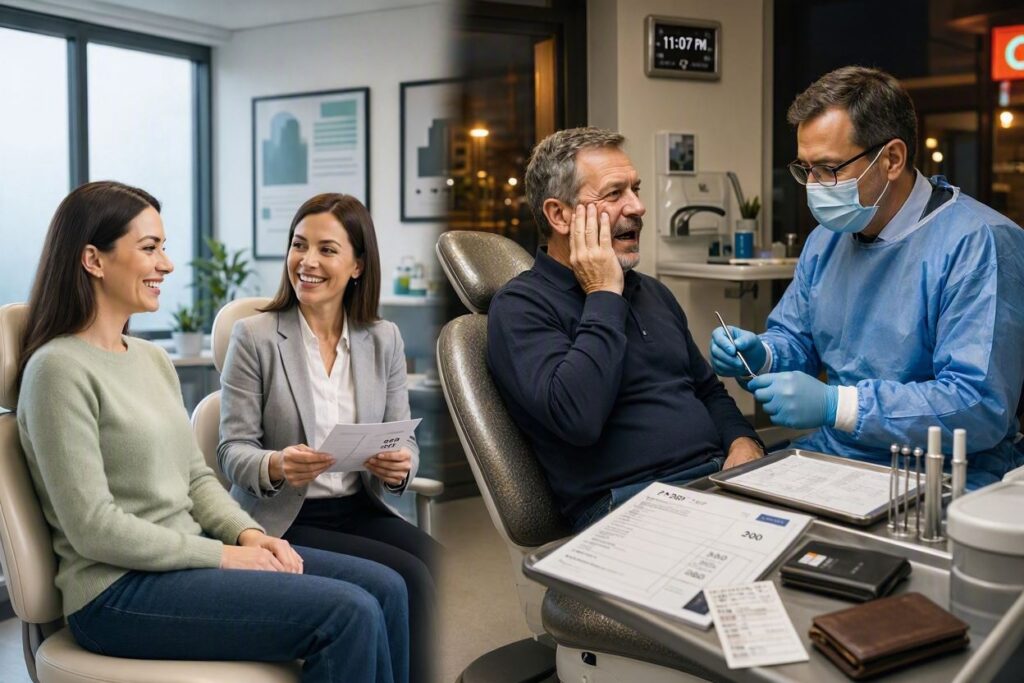
Dental pain does not follow a schedule. It can strike at midnight, on a weekend, or during a holiday. When it does, you may find yourself searching for an emergency dentist. These are dental professionals who offer urgent care outside normal office hours. They can relieve pain, treat infections, and save teeth when time is critical.
But many people hesitate to call an emergency dentist because they worry about the cost. Are emergency dentists more expensive than regular dentists? The short answer is: often, yes. But not always. And the extra cost may be worth it when you consider the alternatives — waiting in pain, risking a worse infection, or ending up in a hospital emergency room.
This guide will explain how emergency dental costs work. We will look at average prices, compare emergency fees with regular fees, explain what affects the cost, and share ways to manage the expense. By the end, you should understand when to see an emergency dentist, what you will pay, and how to avoid surprises.
What Is An Emergency Dentist?
An emergency dentist is a dental professional who provides urgent care for dental problems. They may work in a dedicated emergency dental clinic, a regular dental office that offers after-hours care, or a hospital dental department.
Emergency dentists treat problems such as:
- Severe toothache
- Knocked-out (avulsed) tooth
- Broken or cracked tooth
- Lost filling or crown
- Dental abscess or infection
- Swelling in the face or jaw
- Bleeding that will not stop
- Jaw injury or dislocation
- Orthodontic emergencies (broken wires, loose brackets)
Some emergency dentists are available 24/7. Others offer extended hours on evenings and weekends. Some are general dentists who take turns being on call. Others are specialists, such as oral surgeons or endodontists.
The key difference between an emergency dentist and a regular dentist is availability. Emergency dentists are available when you need them most — outside normal business hours.
Why Do Emergency Dentists Charge More?
Emergency dental care often costs more than routine care. There are several reasons for this.
1. Convenience
You are paying for access. Emergency dentists are available when other offices are closed. They may come in on a Sunday, stay late on a Friday, or answer calls at 2 a.m. This convenience comes at a premium.
2. Overhead Costs
Keeping an office open after hours costs money. Staff must be paid overtime. Utilities, security, and other overhead costs continue. These expenses are passed on to patients.
3. Urgency
Emergency treatment requires quick action. The dentist must be ready to handle complex cases with little notice. This requires skill, experience, and preparation.
4. Risk
Emergency dental work can be more challenging. The patient may be in severe pain, anxious, or unable to cooperate fully. The dentist may need to make quick decisions with limited information.
5. Limited Competition
During normal hours, you can choose from many dentists. At 3 a.m., your options are limited. This lack of competition can lead to higher prices.
6. Specialized Equipment
Some emergency dentists use specialized equipment, such as portable X-ray machines or surgical kits. This equipment is expensive to buy and maintain.
The Average Cost Of Emergency Dental Care
Let us look at the numbers. Emergency dental care costs vary widely depending on the procedure, the time of day, and where you live.
Here are some average costs for common emergency dental procedures in the United States:
| Procedure | Average Cost (USD) |
|---|---|
| Emergency consultation/exam | $50 – $200 |
| Emergency X-rays | $50 – $150 |
| Emergency filling | $100 – $400 |
| Emergency root canal (front tooth) | $300 – $800 |
| Emergency root canal (molar) | $500 – $1,200 |
| Emergency extraction (simple) | $150 – $400 |
| Emergency extraction (surgical) | $250 – $650 |
| Emergency crown (temporary) | $100 – $300 |
| Emergency treatment for abscess | $200 – $600 |
| After-hours surcharge | $50 – $200 |
These prices are for the procedure itself. They do not include any after-hours surcharge, which can add $50 to $200 or more to your bill.
Some emergency dentists charge a flat fee for the visit, plus the cost of treatment. Others charge by the procedure. Always ask for a full estimate before treatment begins.
Emergency Dentist Vs. Regular Dentist: Cost Comparison
To understand whether emergency dentists are more costly, let us compare them with regular dentists.
| Procedure | Regular Dentist (USD) | Emergency Dentist (USD) |
|---|---|---|
| Consultation/exam | $50 – $150 | $50 – $200 |
| X-rays | $50 – $150 | $50 – $150 |
| Simple extraction | $75 – $300 | $150 – $400 |
| Root canal (molar) | $500 – $1,000 | $500 – $1,200 |
| Filling | $90 – $300 | $100 – $400 |
| After-hours surcharge | None | $50 – $200 |
As you can see, the base prices are often similar. The main difference is the after-hours surcharge. Emergency dentists may also charge more for the same procedure because of the convenience and overhead costs.
In some cases, emergency dentists are not more expensive at all. If you go to a regular dental office that offers emergency hours, you may pay the same as you would during the day. The key is to call around and ask.
What Affects The Cost Of Emergency Dental Care?
Many factors influence the final price. Let us look at the most important ones.
1. Time Of Day
Emergency dental care is most expensive late at night, on weekends, and on holidays. These are times when staff must be paid overtime, and demand may be high.
- Normal hours: Standard fees
- Evenings: 10% – 20% higher
- Weekends: 20% – 50% higher
- Holidays: 50% – 100% higher
2. Type Of Procedure
A simple consultation is cheaper than a root canal or extraction. The more complex the procedure, the higher the cost.
3. Location
Emergency dental care in a big city like New York, Los Angeles, or Chicago will cost more than in a small town. The cost of living and rent affect fees.
4. Type Of Clinic
A dedicated emergency dental clinic may charge more than a regular dental office that offers emergency hours. Hospital emergency rooms are the most expensive option for dental care.
5. Dentist’s Experience
An experienced emergency dentist or specialist may charge more than a general dentist. However, complex cases may require a specialist.
6. Insurance Coverage
If you have dental insurance, your out-of-pocket cost may be much lower. If you do not, you pay the full fee. We will discuss insurance later.
7. Additional Procedures
Emergency treatment may require X-rays, medication, or follow-up visits. These add to the overall cost.
8. Payment Method
Some emergency dentists offer discounts for cash payments. Others charge more for credit card payments. Always ask about payment options.
Does Insurance Cover Emergency Dental Care?
In most cases, dental insurance covers emergency dental care. Emergency treatment is considered medically necessary, not cosmetic. However, coverage varies.
Here is what you need to know:
- Percentage covered: Many plans cover 50% to 80% of the cost after you meet your deductible.
- Annual maximum: Most plans have an annual maximum, such as $1,000 or $2,000. Once you reach that limit, you pay the full cost.
- Deductible: You may need to pay a deductible before insurance kicks in.
- In-network providers: You may get better coverage if you see a dentist in your insurance network.
- Pre-authorization: Some procedures may require pre-authorization. In an emergency, this may be waived.
If you do not have dental insurance, you may be able to use:
- Medical insurance: Some medical plans cover emergency dental care if it is related to an accident or injury.
- Medicaid: Medicaid may cover emergency dental care for eligible individuals. Check your state’s rules.
- Medicare: Original Medicare does not cover dental care. Some Medicare Advantage plans may offer dental benefits.
Always call your insurance company before treatment, if possible. Ask specific questions:
- Is emergency dental care covered?
- What percentage is covered?
- Is there a deductible?
- Are there any waiting periods?
- Do I need pre-authorization?
When Should You See An Emergency Dentist?
Not every dental problem requires emergency care. Here are some signs that you should seek urgent treatment.
1. Severe Toothache
A toothache that keeps you awake or does not respond to over-the-counter pain relievers may be a sign of infection or nerve damage.
2. Swelling In The Face Or Jaw
Swelling can indicate a serious infection. If it spreads to your neck or throat, it can become life-threatening.
3. Knocked-Out Tooth
If a tooth is knocked out, you have a short window of time to save it. See an emergency dentist immediately.
4. Broken Or Cracked Tooth
A broken tooth can be painful and may expose the nerve. It needs prompt treatment.
5. Bleeding That Will Not Stop
Persistent bleeding after an extraction or injury requires urgent care.
6. Lost Filling Or Crown
A lost filling or crown can expose the tooth to infection. See a dentist as soon as possible.
7. Dental Abscess
An abscess is a pocket of pus caused by infection. It can be painful and dangerous if not treated.
8. Jaw Injury
A jaw injury may require immediate attention to prevent long-term problems.
9. Orthodontic Emergency
Broken wires or loose brackets can cause pain and delay treatment. See your orthodontist or an emergency dentist.
If you are unsure whether your problem is an emergency, call your dentist. They can advise you over the phone.
How To Find An Emergency Dentist
Here are some ways to find an emergency dentist when you need one.
1. Call Your Regular Dentist
Your regular dentist may offer emergency hours or have a referral list. Call their office first.
2. Search Online
Search for “emergency dentist near me” or “24-hour dentist [your city].” Read reviews and check credentials.
3. Use a Dental Directory
The American Dental Association (ADA) has a Find-a-Dentist tool. You can search for dentists who offer emergency care.
4. Call Your Insurance Company
Your insurance company can provide a list of in-network emergency dentists.
5. Go To A Hospital
If you cannot find an emergency dentist, go to a hospital emergency room. They can treat severe infections and injuries. However, hospital ERs are not equipped for routine dental work, and they are the most expensive option.
6. Ask Friends And Family
Word of mouth can be helpful. Ask people you trust for recommendations.
How To Save Money On Emergency Dental Care
Emergency dental care can be expensive. Here are some ways to reduce the cost.
1. Call Around
Prices vary. Call several emergency dentists and ask for their fees. Choose the most affordable option.
2. Ask About Payment Plans
Many emergency dentists offer payment plans. You pay a down payment and then monthly installments.
3. Use Insurance
If you have dental insurance, use it. Even a small contribution helps.
4. Negotiate
Dentistry is a business. Sometimes you can negotiate the price, especially if you are paying cash. Be polite and respectful, but do ask.
5. Go To A Dental School
Some dental schools offer emergency care at reduced costs. Call ahead to see if they can help.
6. Community Health Centers
Federally Qualified Health Centers (FQHCs) provide dental care on a sliding scale based on income. Some offer emergency services.
7. Prevent Problems
The best way to avoid emergency dental costs is to prevent problems. Brush twice a day, floss daily, and visit your dentist regularly.
8. Use An FSA Or HSA
If you have a Flexible Spending Account (FSA) or Health Savings Account (HSA), you can use pre-tax dollars to pay for emergency dental care.
The Process Of Emergency Dental Treatment
Understanding what happens during an emergency dental visit can help you prepare.
Step 1: Triage
When you arrive, the staff will assess your condition. They will ask about your symptoms, medical history, and medications.
Step 2: Examination
The dentist will examine your mouth and may take X-rays. They will identify the problem and discuss treatment options.
Step 3: Pain Relief
The dentist will provide pain relief. This may include local anesthesia, pain medication, or antibiotics.
Step 4: Treatment
The dentist will treat the problem. This may involve a filling, root canal, extraction, or temporary repair.
Step 5: Aftercare Instructions
The dentist will give you instructions for aftercare. They may prescribe medication or schedule a follow-up visit.
Step 6: Payment
You will pay for the visit. If you have insurance, the office will file a claim.
Quotations From Dental Professionals
“Emergency dental care is more expensive because it is more convenient. But when you are in pain, convenience is worth a lot.”
— Dr. Michael Ross, Emergency Dentist
“I always tell my patients to call their regular dentist first. Many offices have emergency hours or can refer you to someone who does.”
— Dr. Sarah Mitchell, General Dentist
“The best way to avoid emergency dental bills is to take care of your teeth. Regular check-ups and cleanings can prevent most emergencies.”
— Dr. Emily Nguyen, Dentist
Important Notes For Readers
- Prices in this article are estimates. Always confirm fees with your dental clinic.
- Emergency dental care is often more expensive than routine care, especially after hours.
- If you have insurance, check your coverage before your appointment.
- If you do not have insurance, ask about payment plans, discounts, and community programs.
- Do not ignore dental pain. It can get worse and more expensive to treat.
- If you cannot find an emergency dentist, go to a hospital emergency room.
- Prevent emergencies with regular dental care and good oral hygiene.
FAQ
1. Are emergency dentists more expensive?
Often, yes. Emergency dentists may charge an after-hours surcharge or higher fees for the same procedure.
2. How much does an emergency dentist visit cost?
A consultation costs $50 to $200. Procedures cost more, depending on the treatment.
3. Does insurance cover emergency dental care?
Yes, most dental insurance plans cover emergency care. Check your plan for details.
4. When should I see an emergency dentist?
See an emergency dentist for severe pain, swelling, knocked-out teeth, broken teeth, or bleeding that will not stop.
5. Can I go to the hospital for a dental emergency?
Yes, but hospital ERs are not equipped for routine dental work. They can treat severe infections and injuries.
6. How do I find an emergency dentist?
Call your regular dentist, search online, use a dental directory, or call your insurance company.
7. What should I do if a tooth is knocked out?
Handle the tooth by the crown, not the root. Rinse it gently and try to reinsert it. If you cannot, put it in milk or saline and see a dentist immediately.
8. Can I prevent dental emergencies?
Yes. Brush twice a day, floss daily, wear a mouthguard during sports, and visit your dentist regularly.
9. What is the cheapest way to get emergency dental care?
Go to a dental school, community health center, or your regular dentist if they offer emergency hours.
10. How can I pay for emergency dental care?
Use insurance, payment plans, credit cards, or an FSA/HSA. Ask about discounts for cash payments.
Additional Resource
For more information on emergency dental care, visit the American Dental Association:
https://www.ada.org
Conclusion
Emergency dentists are often more expensive than regular dentists, especially after hours. But the extra cost may be worth it when you need urgent care. Insurance usually covers a portion of the cost. By preventing dental problems and knowing your options, you can manage emergency dental expenses and protect your smile.