Can I Vape With A Dental Implant?
The popularity of vaping has grown substantially over the past decade. Many individuals who have undergone or are considering dental implant treatment wonder whether vaping poses risks to their implant’s success. The short answer is that vaping compromises healing, increases complication risks, and threatens long-term implant survival. This article examines the scientific evidence, explains the biological mechanisms of harm, and provides practical guidance for implant patients who vape.
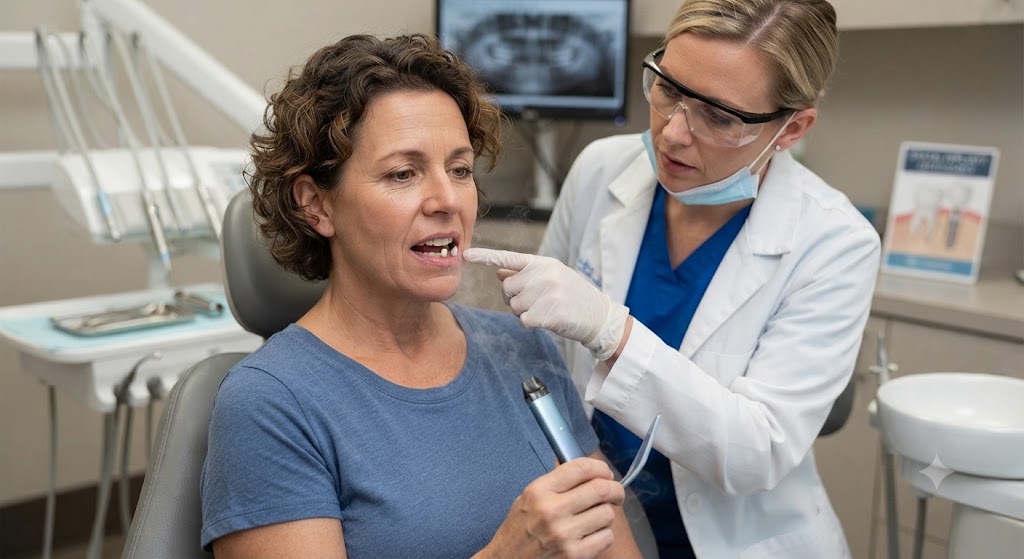
The Healing Period: The Most Critical Time
The weeks and months following implant placement represent a vulnerable period during which the implant must integrate with the surrounding bone. This process, called osseointegration, requires an optimal biological environment. Vaping disrupts that environment in multiple ways.
Nicotine’s Vasoconstrictive Effects
Nicotine, whether delivered through traditional cigarettes or vaping devices, acts as a potent vasoconstrictor. It narrows blood vessels, reducing blood flow to tissues throughout the body, including the oral cavity. Surgical sites depend on robust blood flow to deliver oxygen, nutrients, and immune cells essential for healing. Nicotine-induced vasoconstriction starves the healing implant site of these critical elements.
Research demonstrates that nicotine reduces gingival blood flow by significant percentages. This reduction persists for hours after nicotine exposure. For a healing implant, diminished blood flow translates directly to slower healing, increased risk of infection, and compromised bone formation around the implant surface.
Effects of Heat and Chemical Irritants
Vaping involves inhaling heated aerosol containing propylene glycol, vegetable glycerin, flavorings, and often nicotine. The heat itself can irritate oral tissues. The chemical constituents of vape aerosol contact the oral mucosa and surgical sites directly. While vaping lacks the tar and many carcinogens found in combustible tobacco, it still delivers chemicals not intended for contact with healing surgical wounds.
Dry Mouth and Altered Oral Microbiome
Vaping reduces salivary flow, creating xerostomia or dry mouth. Saliva plays a crucial protective role in oral health, buffering acids, providing antimicrobial factors, and maintaining a balanced microbial environment. Reduced saliva allows pathogenic bacteria to proliferate. An implant surgical site bathed in a dry, bacteria-rich environment faces increased infection risk.
Long-Term Risks to Established Implants
Even after successful osseointegration, vaping poses ongoing threats to implant longevity.
Peri-Implantitis Risk
Peri-implantitis is an inflammatory condition affecting the tissues surrounding an osseointegrated implant. It involves bacterial infection that leads to progressive bone loss around the implant. Without treatment, peri-implantitis can cause implant failure years after successful placement.
Vaping contributes to peri-implantitis risk through several mechanisms. The vasoconstrictive effects of nicotine reduce the tissue’s ability to mount an effective immune response. Dry mouth alters the bacterial population, favoring pathogenic species associated with peri-implant disease. The heat and chemicals may directly irritate peri-implant tissues, making them more susceptible to bacterial invasion.
Impaired Immune Response
Nicotine suppresses multiple components of the immune system. It reduces neutrophil function, impairing the body’s first line of defense against bacterial invaders. It alters cytokine signaling, disrupting the coordinated inflammatory response necessary for fighting infection. An implant patient who vapes maintains a compromised immune environment in the oral cavity, creating opportunities for peri-implant disease initiation and progression.
Soft Tissue Compromise
Healthy peri-implant soft tissue forms a seal around the implant abutment, protecting the underlying bone from bacterial invasion. Vaping may compromise this soft tissue attachment through chemical irritation and reduced blood supply. A compromised soft tissue seal allows bacteria to reach the bone-implant interface more easily.
Comparing Vaping to Traditional Smoking
Some implant patients believe vaping represents a safer alternative to smoking regarding implant outcomes. The evidence for this assumption remains limited and does not support complacency.
What Research Shows
Most implant research focuses on traditional cigarette smoking. Smokers consistently demonstrate higher implant failure rates, increased marginal bone loss, and greater peri-implantitis incidence compared to non-smokers. Studies specifically examining vaping and implant outcomes are sparse, given vaping’s relative novelty.
However, the known biological effects of nicotine and vaping aerosol constituents suggest significant risk. The vasoconstrictive, immunosuppressive, and xerostomic effects of vaping mirror those of smoking in important ways. While vaping may avoid some harms of combustible tobacco, the nicotine delivery and oral tissue effects relevant to implant health remain similar.
The Absence of Safety Data
No long-term studies demonstrate that vaping is safe for dental implant patients. The lack of evidence for harm does not equal evidence of safety. Given what researchers understand about wound healing, bone metabolism, and peri-implant disease pathogenesis, the prudent assumption is that vaping impairs implant outcomes until proven otherwise.
Practical Recommendations for Implant Patients
If you vape and are considering or have received dental implants, specific strategies can reduce your risk.
Before Implant Surgery
Discontinue vaping, if possible, in the weeks leading up to surgery. This allows oral tissues to recover some vascular function. Discuss your vaping habits honestly with your implant surgeon. They need accurate information to assess your risk profile and plan accordingly. Some surgeons may decline to place implants in active nicotine users, viewing the failure risk as unacceptably high.
During the Healing Phase
The period from surgery through osseointegration, typically three to six months, is when the implant is most vulnerable. Complete nicotine cessation during this period offers the best chance for successful healing. If complete cessation proves impossible, reducing frequency and nicotine concentration reduces harm, though no safe threshold has been established.
After Osseointegration
Even after successful implant integration, continued vaping threatens long-term survival. Commitment to excellent oral hygiene, regular professional maintenance, and vigilance for signs of peri-implant disease become even more critical for patients who continue vaping.
Nicotine Replacement Options
Patients who struggle to discontinue nicotine use might discuss nicotine replacement therapy with their physician. Patches, gum, or lozenges deliver nicotine without the heat and inhalational chemicals of vaping. However, these products still deliver nicotine and its vasoconstrictive effects. They represent harm reduction, not harm elimination.
Signs of Implant Problems to Watch For
Patients who vape should monitor their implants carefully for warning signs.
- Bleeding when brushing or probing around the implant
- Redness or swelling of the gums around the implant
- Pus or exudate from the implant site
- Increased pocket depth around the implant
- Mobility of the implant or crown
- Radiographic bone loss noted by the dentist
Any of these signs warrants immediate professional evaluation. Early intervention for peri-implant disease offers better outcomes than delayed treatment.
Conclusion
Vaping with a dental implant carries real and significant risks. The nicotine in most vape products constricts blood vessels, impairing the healing necessary for osseointegration. The chemicals and heat in vape aerosol irritate oral tissues. Long-term vaping promotes dry mouth, alters oral bacteria, and suppresses immune function, all contributing to peri-implant disease risk. The safest course is complete nicotine cessation before implant treatment and ongoing. Patients unable or unwilling to quit should understand the elevated failure risk and commit to intensified maintenance and monitoring.
Frequently Asked Questions
Can I vape without nicotine and still be safe?
Nicotine-free vaping eliminates the vasoconstrictive and immunosuppressive effects of nicotine but still exposes oral tissues to heated aerosol and chemical flavorings. The effects of nicotine-free vaping on implant healing have not been studied. Complete avoidance of vaping remains the safest recommendation.
How long after implant surgery must I wait to vape?
No safe waiting period has been established. Osseointegration continues for months after surgery. Resuming vaping at any point reintroduces risks to healing and long-term maintenance. Permanent cessation offers the best outcome.
Will my dentist know if I vape?
Dentists may observe signs consistent with vaping, including dry mouth, tissue changes, or delayed healing. Honest disclosure serves your health interests. Your dentist can better interpret clinical findings and adjust treatment recommendations when they know your full history.
Does vaping cause implant failure?
Vaping contributes to implant failure through impaired healing, increased infection risk, and promotion of peri-implant disease. It acts as a significant risk factor rather than a direct sole cause in most cases.
Additional Resource
For evidence-based information on smoking, vaping, and oral health, visit the Centers for Disease Control and Prevention oral health page at www.cdc.gov/oralhealth. The CDC provides resources on tobacco and nicotine effects on oral conditions.