Dental Assistant Aesthetic: Building a Professional and Approachable Image
Dental assistants are the face of your practice. They greet patients in the operatory. They prepare instruments. They hold hands during anxious moments. They are often the first person a patient sees after leaving the waiting room. Their appearance and demeanor set the tone for the entire visit.
The dental assistant aesthetic is not about being fashionable. It is about being professional, approachable, and trustworthy. It is about looking like someone who knows what they are doing and cares about the person in the chair. This guide explores how dental assistants can build an aesthetic that serves both their career and their patients.
Why the Dental Assistant Aesthetic Matters
You might think appearance is superficial. In healthcare, it is not. Patients are nervous. They look for signals of competence and care. A dental assistant who looks professional and friendly sends a clear message: “You are safe here.”
“I remember one patient who was terrified of the dentist. She told me later that my calm voice and neat appearance helped her relax. She said I looked like someone who cared. That stuck with me.” — Amanda Rivera, Dental Assistant
Building Trust
Trust is the foundation of the patient-provider relationship. Patients trust providers who look clean, organized, and attentive. A messy appearance suggests a messy practice. A neat appearance suggests attention to detail.
Team Cohesion
When assistants look professional, the whole team looks professional. A consistent aesthetic across the team builds brand identity. It also boosts morale. When you look good, you feel good.
Career Growth
Dental assistants who present themselves well are more likely to be promoted. They are chosen for leadership roles. They are trusted with complex cases. A strong aesthetic is an investment in your career.
The Core Elements of the Dental Assistant Aesthetic
The aesthetic is built on several pillars. Each one contributes to how patients and colleagues perceive you.
1. Wardrobe: Practical and Professional
Your clothing must be functional. You move constantly. You work with instruments. You are exposed to aerosols and splashes. Comfort and safety come first.
Scrubs
Scrubs are the uniform of the dental profession. Choose wisely.
- Fit: Well-fitted scrubs look professional. Avoid oversized or tight clothing.
- Color: Most practices have brand colors. Navy, teal, and gray are common. Patterns are acceptable in some offices.
- Fabric: Moisture-wicking and wrinkle-resistant fabrics look better and feel more comfortable.
- Pockets: You need pockets for pens, notepads, and small instruments.
Footwear
You are on your feet all day. Support matters.
- Clinical clogs: Brands like Dansko and Crocs offer support and easy cleaning.
- Professional sneakers: Clean, solid-colored sneakers with good arch support.
- Avoid: High heels, open-toe shoes, sandals, and shoes with poor grip.
Accessories
Keep it minimal and safe.
- Name badge: Wear it proudly. Patients like to know your name.
- Watch: A simple watch with a second hand is useful.
- Jewelry: Small earrings are fine. Avoid dangling earrings, bracelets, and rings that can interfere with procedures.
- Hair accessories: Clips and bands are fine. Avoid anything that dangles or could fall.
2. Grooming: Neat and Clean
Grooming is about hygiene as much as appearance.
Hair
- Tied back: Long hair must be secured. It should not fall into your face or a patient’s mouth.
- Styles: Ponytails, buns, braids, and pixie cuts are practical and professional.
- Color: Natural colors are safest. Fun colors may be acceptable in some practices.
Nails
- Short and clean: Long nails can tear gloves and harbor bacteria.
- No acrylics or gels: These can lift and trap bacteria.
- Polish: Clear or light colors are acceptable in most practices.
- Nail hygiene: Keep nails clean and trimmed.
Makeup
- Natural look: Keep it simple and professional.
- Masks: If you wear a mask all day, focus on eyes and brows.
- Skincare: Healthy skin is the best foundation.
Fragrance
- Avoid strong perfumes: Some patients are sensitive to fragrances. Choose unscented products.
3. Communication Style: Warm and Competent
Your aesthetic is not just visual. It is how you speak and listen.
The Comforting Presence
Dental assistants are often the calm in the storm. Patients are scared. They need reassurance.
- Speak softly: A gentle voice lowers anxiety.
- Explain what you are doing: “I am going to put a bib on you now.” This reduces surprises.
- Listen actively: Nod, make eye contact, and acknowledge concerns.
- Use simple words: Avoid jargon. Say “sleepy juice” instead of “injection.”
The Competent Professional
You are not just a comforting presence. You are a skilled professional.
- Know your instruments: Handle them confidently.
- Anticipate the dentist’s needs: Have instruments ready before they ask.
- Stay calm under pressure: Emergencies happen. Your calm demeanor helps the whole team.
“The best assistants are the ones who can be both warm and efficient. They comfort the patient while preparing for the next step. It is a balance.” — Dr. Nicole Adams, Pediatric Dentist
4. Body Language and Posture
How you carry yourself matters.
- Stand tall: Good posture projects confidence.
- Move purposefully: Walk with intention. Avoid slouching or shuffling.
- Respect personal space: Give patients room. Do not loom over them.
- Smile: A genuine smile is the best accessory. It is visible even under a mask.
5. Social Media Presence
Many dental assistants share their work lives on social media. Your online presence is part of your aesthetic.
What to Share
- Behind-the-scenes: A day in the life of a dental assistant.
- Educational content: “What is a dental dam?” or “How to prepare a tray.”
- Style posts: “What I wear to work” or “My favorite scrubs.”
- Career tips: Advice for new assistants.
What to Avoid
- Patient information: Never post photos or details about patients.
- Negative posts: Avoid complaining about your job or coworkers.
- Controversial topics: Keep your professional profile neutral.
Comparative Table: Aesthetic Choices by Practice Type
| Practice Type | Wardrobe Style | Grooming Focus | Communication Tone |
|---|---|---|---|
| General/Family | Colorful scrubs, comfortable shoes | Neat hair, minimal jewelry | Warm, reassuring |
| Cosmetic | Elegant scrubs, polished look | Professional makeup, neat nails | Confident, informative |
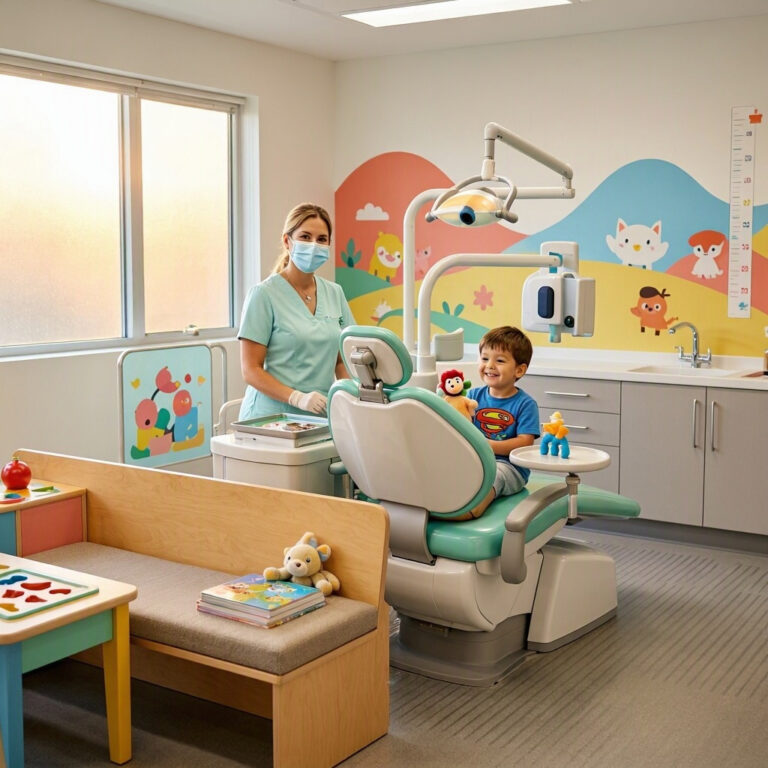
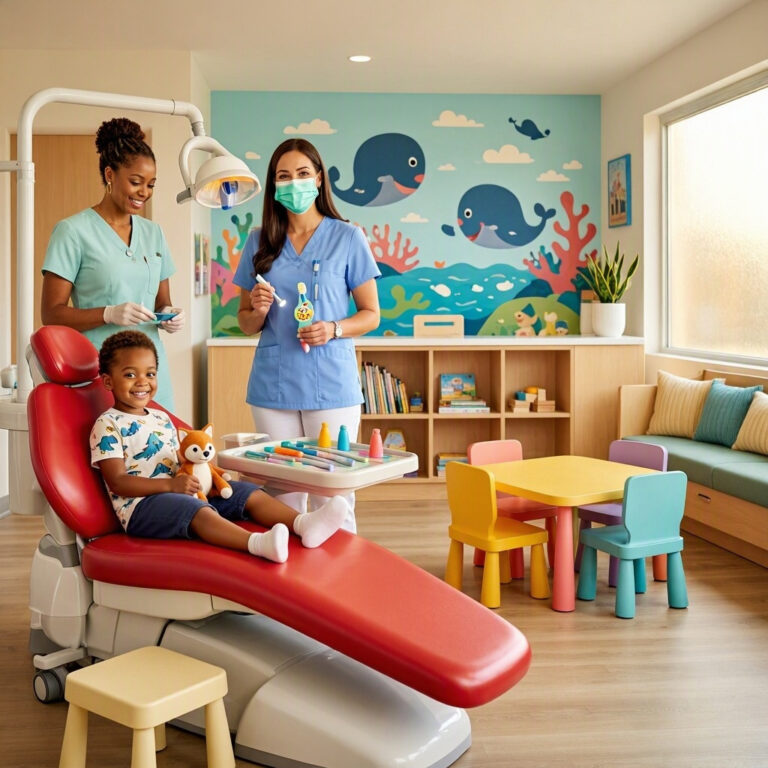
| Pediatric | Fun scrubs, themed accessories | Playful hair accessories | Engaging, playful |
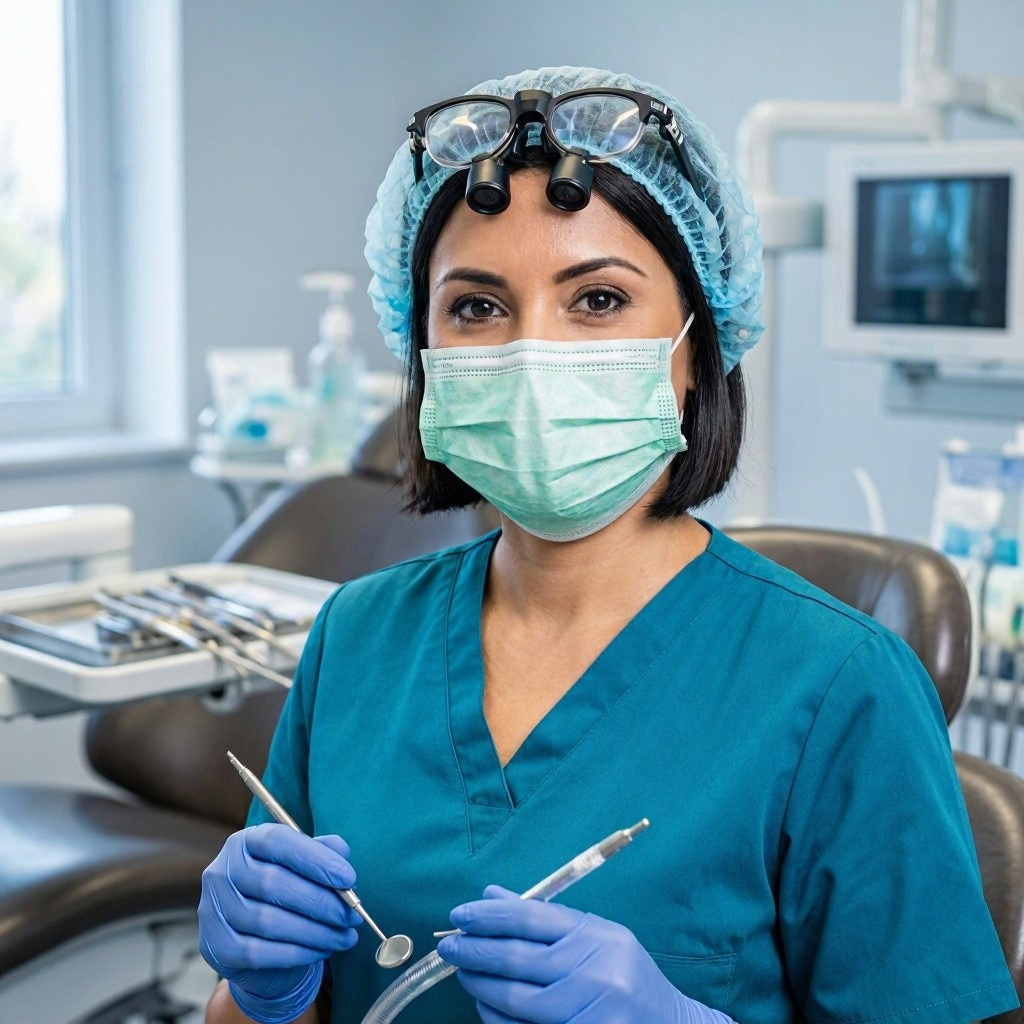
| Surgical/Specialty | Plain scrubs, surgical cap | Minimal jewelry, short nails | Calm, efficient |
| Holistic/Biological | Natural fabrics, earth tones | Natural look, no fragrance | Educational, wellness-focused |
Important Notes for Readers
Note on Infection Control: Clothing must be clean and changed daily. Scrubs should be washed separately from other laundry. Avoid jewelry that can trap bacteria.
Note on Safety: Long hair must be tied back. Dangling jewelry is a hazard. Shoes must have non-slip soles.
Note on Professionalism: Aesthetic choices should never compromise professionalism. Follow your practice’s dress code. When in doubt, choose conservative options.
Note on Confidence: Confidence is the best accessory. Stand tall, speak clearly, and trust your training.
Note on Comfort: You work long hours. Choose clothing and shoes that support you. Comfort and professionalism can coexist.
Conclusion
The dental assistant aesthetic is a blend of professionalism, practicality, and warmth. Focus on clean, well-fitted scrubs, neat grooming, and a comforting communication style. Present yourself as both competent and caring. When your aesthetic aligns with your skills, patients trust you and your career thrives.
Frequently Asked Questions (FAQ)
Q: What should a dental assistant wear to work?
A: Clean, well-fitted scrubs in your practice’s colors. Comfortable, non-slip shoes. Minimal jewelry. Hair tied back.
Q: Can dental assistants wear colorful scrubs?
A: Yes, in most practices. Check your employer’s dress code. Colors and subtle patterns are generally acceptable.
Q: Can dental assistants wear nail polish?
A: Clear or light-colored polish is usually acceptable. Avoid long nails, acrylics, and gels, which can harbor bacteria and tear gloves.
Q: Is it okay to wear jewelry in the operatory?
A: Minimal jewelry is fine. Small earrings and a watch are acceptable. Avoid dangling earrings, bracelets, and rings that can interfere with procedures.
Q: How can a dental assistant look professional on social media?
A: Share behind-the-scenes content, educational posts, and career tips. Avoid patient information, negative posts, and controversial topics.
Additional Resource:
For more career guidance and professional development, visit the Dental Assisting National Board (DANB) website.