Dental Implants in Oxnard CA: The Complete, Honest Guide to Restoring Your Smile
If you are reading this, you are probably dealing with a missing tooth. Or maybe several. You might feel self-conscious when you laugh. Chewing could be difficult. Perhaps your dentures are starting to feel loose or uncomfortable.
You are not alone.
Every day, people in Ventura County look for a permanent solution to tooth loss. Among the most popular options are dental implants. And if you live in Oxnard or the surrounding areas like Port Hueneme, Camarillo, or Ventura, you have access to excellent dental care.
But let us be clear from the start: getting dental implants is a journey. It is not magic. It requires surgery, healing time, and a financial investment. However, for many people, it is the closest thing to growing natural teeth again.
This guide will walk you through everything. No fluff. No exaggerated promises. Just real, useful information to help you decide if dental implants in Oxnard CA are right for you.
What Exactly Are Dental Implants? (A Simple Explanation)
Let us break this down in plain English.
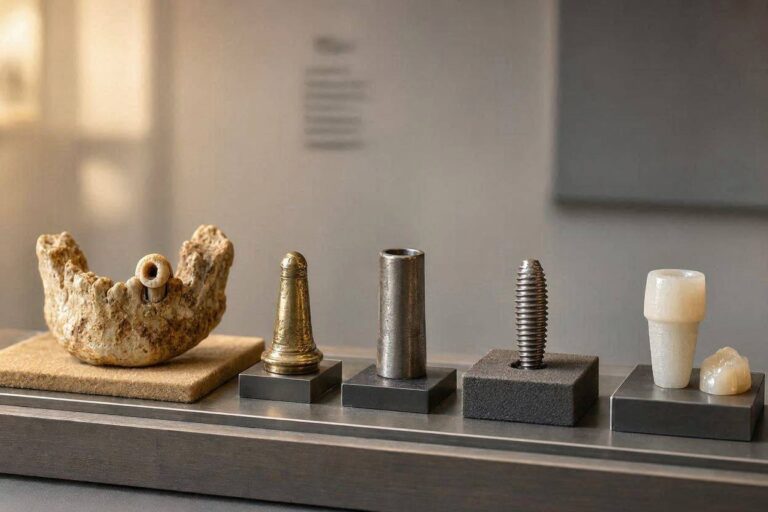
A dental implant is not the tooth itself. It is an artificial tooth root. Think of it as a tiny screw, usually made of titanium, that a dentist places into your jawbone. Over time, your bone grows around that screw. This creates a super strong foundation.
Once the implant is stable, the dentist attaches an abutment (a small connector) and then a dental crown on top. The crown looks and functions like a real tooth.
![Illustration idea: Simple diagram showing implant, abutment, crown]
Why Titanium?
Titanium is special. Your body does not reject it. In fact, your bone loves it. The bone cells will attach directly to the titanium surface. This process is called osseointegration (say that three times fast). Because of this, implants can last for decades.
The Three Main Parts of an Implant
To keep it simple, remember these three parts:
- The Implant Fixture: The screw inside your bone.
- The Abutment: The connector piece above the gum.
- The Prosthesis: The crown, bridge, or denture you see and use to chew.
Important Note: Not every dentist places implants. This is a surgical procedure. You want someone with specific training and experience. In Oxnard, you will find general dentists who place implants, but also specialists like oral surgeons and periodontists. We will talk about how to choose later.
Dental Implants vs. Other Options: A Honest Comparison
Before you commit to implants, you should know your alternatives. Each option has pros and cons. Let us look at a quick comparison.
| Feature | Dental Implants | Fixed Bridge | Removable Dentures |
|---|---|---|---|
| Stability | Excellent. Feels like natural teeth. | Good. But relies on adjacent teeth. | Poor. Can slip or click. |
| Bone Health | Preserves jawbone. Stops bone loss. | Does not prevent bone loss. | Accelerates bone loss over time. |
| Impact on Neighbors | None. Stands alone. | Requires grinding down healthy teeth. | Can cause sore spots on gums. |
| Comfort | Very comfortable. | Comfortable but can trap food. | Often uncomfortable. |
| Longevity | 20+ years or lifetime. | 7-15 years. | 5-7 years. |
| Cost (Initial) | Higher upfront. | Moderate. | Lower upfront. |
| Cost (Long-term) | Lower maintenance. | May need replacement. | Frequent relines and replacements. |
| Healing Time | 3-6 months. | 2-3 weeks. | Immediate. |
What Do Patients Say?
“I had a partial denture for three years. I hated it. The metal clips showed when I smiled. Food got stuck underneath. I finally switched to two implants in Oxnard. The healing took patience, but now I forget they are even there.” — Linda, Oxnard resident.
“My bridge lasted ten years. But when it failed, the teeth next to it were damaged. My dentist recommended an implant this time to save my other healthy teeth. It was more expensive, but I wish I had done it first.” — Mark, Port Hueneme.
A Quick Note on Cost Illusions
You might see ads for “cheap implants.” Be careful. An unusually low price often means hidden fees. Maybe it excludes the crown. Maybe it uses low-quality materials. Or maybe the dentist lacks experience. In Oxnard, a single implant can range from 3,000to6,000 when you include surgery, abutment, and crown. That is a realistic number. Always ask for a complete written estimate.
The Step-by-Step Process of Getting Dental Implants in Oxnard CA
Let us walk through what will actually happen. Knowing the steps reduces fear. You will not be surprised.
Step 1: The Initial Consultation (60–90 minutes)
Your first visit is about information gathering. The dentist will:
- Examine your mouth.
- Take X-rays or a 3D CT scan (very important).
- Review your medical history.
- Discuss your goals.
This is where you ask questions. Write them down before you go.
Step 2: Treatment Planning
Using the CT scan, the dentist will measure your jawbone. You need enough bone density to hold an implant. If you do not, do not worry. That leads us to the next section.
Step 3: Bone Grafting (If Necessary)
About 30% to 40% of patients need a bone graft. Why? Because when you lose a tooth, your body reabsorbs the bone that used to support it. It is like a muscle that shrinks when not used.
A bone graft adds material to your jaw. It can come from:
- Your own bone (from another area).
- Donated human bone (safe and sterile).
- Animal bone (usually cow).
- Synthetic materials.
Healing from a bone graft takes 4 to 9 months before you can place the implant. Yes, that is a long time. But skip this step, and your implant will fail.
Step 4: The Implant Placement Surgery
This is the big day. Do not worry. Most people say it is less painful than a tooth extraction.
Here is what happens:
- Numbing: Local anesthesia. You are awake but feel nothing.
- Incision: The dentist makes a small cut in your gum.
- Drilling: A precise hole is drilled into the bone.
- Placement: The titanium implant is screwed into place.
- Suturing: The gum is stitched over or around the implant.
The surgery itself takes about 1 to 2 hours for a single implant. Multiple implants take longer.
Step 5: Healing and Osseointegration (The Waiting Game)
This is the most important phase. Your bone needs to fuse to the implant. This takes 3 to 6 months. During this time:
- You eat soft foods.
- You keep the area clean.
- You avoid chewing directly on the implant site.
You will have a temporary tooth if needed, but it will not touch the implant.
Step 6: Abutment Placement
Once the implant is solid, the dentist makes a small cut to expose it. They attach the abutment. Then the gum heals around it for 2 weeks. This shapes the gum tissue nicely for the final crown.
Step 7: The Final Crown
Your dentist takes impressions. These go to a dental lab. About 2 to 4 weeks later, your custom crown is ready. The dentist screws or cements it onto the abutment.
Congratulations. You now have a new tooth.
Total Timeline Summary
| Phase | Duration |
|---|---|
| Consultation & Planning | 1 week |
| Bone Graft (if needed) | 4–9 months healing |
| Implant Surgery | 1 day |
| Osseointegration | 3–6 months |
| Abutment | 2 weeks healing |
| Crown Fabrication | 2–4 weeks |
| Total (no graft) | 4–7 months |
| Total (with graft) | 9–14 months |
Yes, it takes time. But that time is what makes implants so durable.
Who Is a Good Candidate for Dental Implants in Oxnard CA?
Not everyone can get implants on the same day. Let us be realistic.
Ideal Candidates
You are likely a good candidate if you:
- Have one or more missing teeth.
- Have a fully grown jawbone (older than 18-20 years).
- Have enough bone density (or are willing to get a graft).
- Have healthy gums (no active gum disease).
- Do not smoke heavily (smoking slows healing).
- Are committed to good oral hygiene.
- Are in generally good health.
Medical Conditions to Discuss
Some health conditions do not automatically disqualify you, but your dentist needs to know. These include:
- Uncontrolled diabetes (slows healing).
- Autoimmune diseases.
- Blood clotting disorders.
- Radiation therapy to the jaw (history).
- Heavy alcohol or drug use.
- Osteoporosis medications (bisphosphonates).
Important Note: Do not hide your medical history. The dentist is not judging you. They need this information to keep you safe. Complications are rare, but honesty prevents problems.
Age Is Not a Barrier
Are you 75? 85? Implants can still work. Many older adults in Oxnard get implants to replace failing teeth or stabilize dentures. As long as you are healthy enough for a simple oral surgery, age does not matter.
Types of Dental Implants (It Is Not One-Size-Fits-All)
You have options. The right choice depends on how many teeth you are missing.
Single Tooth Implant
This replaces one missing tooth. One implant. One crown. Simple and effective.
Implant-Supported Bridge
You are missing two or three teeth in a row. Instead of one implant per tooth, you place two implants (one on each end) and a bridge sits between them. This saves money and reduces surgery time.
Implant-Supported Denture (Overdenture)
Traditional dentures rest on your gums. Implant dentures snap onto implants. They are far more stable. You can get:
- Removable overdenture: You take it out to clean. Usually uses 2 to 4 implants.
- Fixed hybrid denture: You cannot remove it yourself. The dentist removes it for cleaning. Uses 4 to 6 implants (All-on-4 or All-on-6).
All-on-4 or All-on-6
This is for people missing all teeth in one arch (upper or lower). The dentist places 4 or 6 implants strategically. They then attach a full arch of teeth. You leave with teeth on the same day in many cases.
In Oxnard, the All-on-4 procedure is popular among seniors who want to ditch their loose dentures. The cost is higher initially, but patients report life-changing results.
The Cost of Dental Implants in Oxnard CA: Real Numbers
Let us talk money. No vague answers.
Average Costs You Can Expect (2025-2026)
These are typical prices in Ventura County. Remember, Oxnard prices are similar to Camarillo and Ventura, but often lower than Santa Barbara or Los Angeles.
| Procedure | Low End | Average | High End |
|---|---|---|---|
| Single Implant (total package) | $3,200 | $4,500 | $6,000 |
| Bone Graft (small) | $300 | $600 | $1,000 |
| Bone Graft (large/sinus lift) | $1,500 | $2,500 | $4,000 |
| Connective tissue graft (gums) | $600 | $1,200 | $2,000 |
| Implant Bridge (3 units, 2 implants) | $6,000 | $8,000 | $12,000 |
| Implant Overdenture (lower, 2 implants) | $5,000 | $7,000 | $10,000 |
| All-on-4 (per arch) | $15,000 | $22,000 | $30,000 |
| Full mouth restoration (both arches) | $28,000 | $40,000 | $60,000 |
Why Such a Range?
- Materials: A premium German or Swiss implant costs more than a generic Korean or Chinese implant. Both can work, but premium brands have more long-term research.
- Experience: A prosthodontist or oral surgeon charges more than a general dentist. That is because they have 3+ years of extra training.
- Technology: Digital scanning and 3D-guided surgery add cost but increase precision.
- Location: A high-end boutique clinic in Oxnard Shores costs more than a smaller office near downtown.
Does Insurance Cover Implants?
The honest answer is: partially, if at all.
Traditional dental insurance was designed for bridges and dentures. However, more plans now cover implants. But do not expect 80% coverage. You might get:
- 1,000to2,000 lifetime maximum (which barely covers the crown).
- No coverage for the implant itself, but coverage for the crown.
- Coverage for bone grafting if deemed medically necessary.
Pro tip: Call your insurance before your consult. Ask: “Do you cover the implant fixture, the abutment, and the crown?” Write down the answer.
Financing Options in Oxnard
Most dental offices in Oxnard offer payment plans. Look for:
- CareCredit: A healthcare credit card with 6, 12, or 18 months no-interest (if paid in full).
- LendingClub or Proceed Finance: Longer terms but with interest.
- In-house membership plans: Some clinics offer a discount for uninsured patients.
Do not let cost scare you away from a consultation. Many offices provide a free or low-cost scan and quote.
Benefits of Choosing Dental Implants (Beyond Looks)
You already know implants look good. But the real benefits go deeper.
1. You Preserve Your Jawbone
When a tooth is missing, the bone melts away. This changes your face shape. Your cheeks look hollow. Your chin rotates forward. You look older.
Implants stop this process. They stimulate the bone, just like a natural root. You keep your youthful face shape.
2. You Protect Healthy Teeth
A traditional bridge requires grinding down the two adjacent teeth. Those teeth become vulnerable to decay and future failure. An implant stands alone. No drilling on healthy neighbors.
3. You Eat Whatever You Want
With dentures, you avoid steak, apples, nuts, and corn on the cob. With implants? Go ahead. Bite into that crisp apple. Chew that caramel popcorn. The force is transferred to your bone, not your gums.
4. You Speak Clearly
Dentures can slip and cause clicking sounds. They can make you slur or whistle. Implants stay put. Your speech remains natural.
5. You Gain Confidence
This one is hard to measure but very real. People smile more. They laugh without covering their mouth. They stop worrying that their tooth will fall out during dinner.
6. Long-Term Savings
Yes, implants cost more upfront. But a bridge lasts 10 years. Dentures last 5 to 7 years. An implant can last 30 years or more with good care. Over a lifetime, implants are often cheaper.
Risks and Complications: A Realistic View
No surgery is risk-free. You deserve to know what can go wrong.
Common but Minor Issues
- Swelling and bruising: Normal for 3 to 5 days.
- Minor bleeding: Controlled with gauze.
- Pain: Usually less than an extraction. Managed with over-the-counter meds.
Less Common but Serious
- Infection: Occurs in about 1% to 2% of cases. Treated with antibiotics. Rarely requires implant removal.
- Nerve damage: The lower jaw has a nerve (inferior alveolar). If damaged, you can feel numbness in your lip or chin. Usually temporary. Permanent risk is very low (less than 1%) with proper imaging.
- Implant failure (early): The bone fails to fuse. Happens in 2% to 5% of cases. Often due to smoking, infection, or poor bone quality. The implant is removed, and you try again later.
- Implant failure (late): Years later, the implant loosens. Usually from gum disease (peri-implantitis) or clenching/grinding.
Peri-Implantitis: The Silent Threat
This is gum disease around an implant. It is the leading cause of late implant failure. Without treatment, it destroys bone. How to prevent it?
- Brush and floss daily (special floss or interdental brushes).
- See your dentist every 6 months for checkups.
- Do not smoke.
- If you grind your teeth at night, wear a nightguard.
Warning sign: Bleeding when you brush around the implant. Do not ignore it. See your dentist.
How to Choose the Best Dentist for Dental Implants in Oxnard CA
You have choices. Many. Here is how to narrow them down.
Step 1: Understand the Different Providers
| Provider Type | Training | Best For |
|---|---|---|
| General Dentist with implant training | Dental school + weekend courses | Simple single implants, healthy patients |
| Oral Surgeon | 4-6 years surgical residency | Difficult cases, bone grafts, nerve proximity |
| Periodontist | 3 years gum specialist | Gum health, soft tissue grafts, aesthetics |
| Prosthodontist | 3 years restorative specialist | Full mouth reconstruction, All-on-4, complex cases |
Many clinics in Oxnard have an oral surgeon place the implant and a general dentist restore the crown. That is fine. Just make sure they communicate well.
Step 2: Ask These 7 Questions at Your Consult
- “How many implants have you placed in the last year?” (Look for 100+ if a surgeon).
- “What is your success rate?” (Over 95% is good).
- “Do you use 3D CT scans and guided surgery?” (Yes is better).
- “What brand of implants do you use?” (Brands like Nobel Biocare, Straumann, Zimmer, or Hiossen are reputable).
- “Who handles the emergency if something goes wrong after hours?”
- “Can you show me before and after photos of patients from Oxnard?”
- “What is the total cost including all phases and possible complications?”
Step 3: Read Reviews, but Take Them with a Grain of Salt
Google reviews help, but they are not medical advice. Look for patterns. If five people mention pain during healing, that is a red flag. If one person complains about the receptionist, do not worry.
Also check the California Dental Board website to verify licenses and look for disciplinary actions.
Step 4: Visit the Office
Does it look clean? Do the staff seem organized? Is the technology up to date (digital X-rays, intraoral camera)? Trust your gut. You will spend many hours here over several months.
What to Expect During Recovery (Day by Day)
Knowledge reduces fear. Here is a realistic timeline.
Day of Surgery
- You feel: Numb for 2-4 hours. No pain yet.
- Do: Rest. Apply ice packs (20 mins on, 20 off). Eat soft cold foods (yogurt, smoothie, ice cream).
- Avoid: Spitting, using a straw, hot drinks, exercise.
Day 1 to 3 (The Peak)
- You feel: Swelling peaks at day 2. Mild to moderate discomfort. Bruising possible.
- Do: Take prescribed or OTC pain meds. Continue ice for 48 hours, then switch to warm compress. Rinse gently with warm salt water after 24 hours.
- Avoid: Chewing on that side. Smoking (this is critical). Alcohol.
Day 4 to 7 (Turning Point)
- You feel: Much better. Swelling goes down. Pain becomes mild.
- Do: Return to light activities. Eat soft foods like eggs, pasta, mashed potatoes.
- Avoid: Crunchy, hard, or sticky foods.
Week 2 to End of Healing
- You feel: Normal. No pain. You forget the implant is there.
- Do: Resume normal brushing (gentle near the site). Use a water flosser on low setting.
- Avoid: Chewing ice or hard candy. If you have a healing abutment, keep it clean.
Signs to Call Your Dentist Immediately
- Fever over 101°F (38.3°C).
- Severe pain not controlled by medication.
- Bleeding that soaks through gauze after 4 hours.
- Swelling that worsens after 3 days.
- A bad taste or smell (possible infection).
Most people return to work the next day if they have a desk job. For physical jobs, take 2 to 3 days off.
Long-Term Care for Your Dental Implants
You want your implant to last decades? Then treat it like a luxury car, not a rental.
Daily Home Care
- Brushing: Use a soft or extra-soft toothbrush. Brush twice a day. Pay attention to the gumline around the implant.
- Flossing: Use implant-specific floss (superfloss) or interdental brushes. Regular floss can shred.
- Water flosser: Excellent for flushing out debris around implants and bridges.
- No metal tools: Never use metal scrapers at home. They scratch the implant surface and invite bacteria.
Professional Maintenance
Visit your dentist every 6 months. This is not optional. They will:
- Check for bleeding.
- Probe around the implant (special plastic probes).
- Take X-rays every 1-2 years to check bone levels.
- Clean with special plastic or carbon-fiber instruments.
Lifestyle Changes to Consider
- Stop smoking: Smokers have double the failure rate. If you cannot quit, at least stop for 2 months before and 2 months after surgery.
- Manage teeth grinding: Ask your dentist about a custom nightguard. Grinding can crack crowns or loosen implants.
- Control diabetes: Keep your HbA1c below 7.0.
How Long Do Implants Really Last?
| Component | Average Lifespan |
|---|---|
| Implant fixture (the screw) | 30+ years (often lifetime) |
| Abutment | 20+ years |
| Crown (single) | 10-15 years (then needs replacement) |
| Implant bridge | 10-15 years |
| Implant denture teeth | 8-12 years |
| Hybrid acrylic teeth | 5-10 years |
The crown wears out before the implant. Replacing a crown is simple and cheaper than replacing the whole implant.
Dental Implants vs. Mini Implants: What Is the Difference?
You may hear about “mini dental implants” (MDIs). They are smaller and cheaper. But there are trade-offs.
| Feature | Standard Implant | Mini Implant |
|---|---|---|
| Diameter | 3.5mm – 6.0mm | 1.8mm – 3.0mm |
| Durability | High | Moderate (more fractures) |
| Best for | Single teeth, bridges, all-on-4 | Stabilizing lower dentures |
| Can it support a crown? | Yes | Usually no (too weak) |
| Healing time | 3-6 months | 6-8 weeks (faster) |
| Cost (each) | 1,500−3,000 | 500−1,500 |
| Long-term data | Extensive | Limited |
Realistic advice: Mini implants are a good solution for loose lower dentures in patients with thin bone who cannot have grafting. But for a single missing tooth? Choose a standard implant. The extra cost is worth the strength.
Navigating Dental Tourism vs. Staying in Oxnard
You might think, “Why not go to Mexico or Costa Rica for cheaper implants?”
It is a valid question. Let us be honest about pros and cons.
Potential Benefits of Dental Tourism
- Lower upfront cost (maybe 50% to 70% less).
- Combine treatment with a vacation.
- Some clinics have modern equipment.
Real Risks You Cannot Ignore
- No follow-up care: Implants require multiple visits. If you have a complication after returning, your local Oxnard dentist may charge you extra to fix someone else’s work. Or refuse entirely.
- Different standards: Sterilization, training, and material standards vary. Some countries are excellent. Others are not.
- Communication issues: Misunderstandings about treatment plans are common.
- No legal recourse: If something goes wrong, suing a foreign clinic is nearly impossible.
- Travel costs add up: Flights, hotels, meals, and lost work days reduce your savings.
The Verdict
For simple dental work like fillings or cleanings, tourism can work. For complex, multi-step surgery like implants? Most dentists in Oxnard recommend staying local. The ability to walk into your dentist’s office if something feels wrong is priceless.
If budget is a concern, talk to your Oxnard dentist about sliding scales, payment plans, or treatment at a local dental school (UCLA or USC are within driving distance).
Real Stories from Oxnard Patients (Names Changed)
Robert, 58, Retired Electrician
Missing: Two lower molars
“I put off implants for five years. I used a partial denture that hurt. Finally my wife pushed me to see Dr. L. in Oxnard. The bone graft added 4 months and $800. But now? I eat ribs again. Real ribs. I cried the first time.”
Maria, 42, School Teacher
Missing: Upper front tooth (accident)
“My biggest fear was the look. I teach children. I smile all day. My dentist did a temporary ‘flipper’ tooth during healing. The final implant crown is perfect. No one knows it is not real. The process took 6 months. Worth every week.”
James, 71, Retired
Missing: All lower teeth
“My lower denture floated. I used three tubes of adhesive a week. My dentist recommended two implants to snap the denture in. Now it clicks into place. No glue. I can taste my food again. Best $6,000 I ever spent.”
Helen, 65, Smoker (Now Ex-Smoker)
Missing: Three upper teeth
“My first implant failed. The dentist asked if I smoked. I lied and said no. Six months later, the implant was loose. I quit smoking, had a second surgery, and that one worked. Learn from my mistake: Be honest.”
Preparing for Your First Consultation: A Checklist
You will get more out of your visit if you prepare. Use this list.
Documents to Bring
- Dental insurance card.
- List of current medications (including vitamins and supplements).
- List of allergies (especially to penicillin, latex, or metals).
- Recent X-rays if you have them (not required, they will take new ones).
- Your dentist’s name if you have a referring doctor.
Questions to Ask
- Am I a good candidate today, or do I need bone grafting?
- Can I see a CT scan of my jaw?
- How many similar cases have you done?
- Do you offer sedation? (For anxious patients).
- What is the total estimated cost in writing?
- How long will my specific case take?
- What happens if the implant fails?
What to Expect at the Exam
- A visual exam of your mouth.
- Gum probing (measuring pockets).
- Review of your CT scan images.
- Discussion of your health history.
Do not be nervous. This is just information gathering.
The Connection Between Gum Disease and Implant Success
We need to talk about your gums. Healthy gums are the soil. Implants are the tree. Bad soil = dead tree.
What Is Gum Disease?
Gum disease (periodontitis) is a bacterial infection. It destroys the bone around teeth. It also destroys the bone around implants.
Before You Get Implants
If you have active gum disease, no ethical dentist will place implants. You must first complete periodontal treatment. This may include:
- Deep cleaning (scaling and root planing).
- Antibiotics.
- In severe cases, gum surgery.
Treatment takes 3 to 6 months. Then your gums are re-evaluated. Only then can you move forward.
After You Get Implants
Gum disease does not go away. You can manage it, but not cure it. That means you must be obsessive about hygiene. And you must see your dentist every 3 to 4 months instead of 6.
Hard truth: If you have moderate to severe gum disease and are unwilling to change your hygiene habits, implants are not for you. Stick with a bridge or denture. It is better than losing an infected implant.
Sedation Options for Nervous Patients
Does the thought of dental surgery make your palms sweat? You are normal. Many people feel this way.
Options Available in Oxnard
| Sedation Type | How It Works | Awareness Level | Best For |
|---|---|---|---|
| Local anesthetic only | Numbing injection | Fully awake | Low anxiety, simple cases |
| Nitrous oxide (laughing gas) | Inhaled gas | Relaxed but awake | Mild to moderate anxiety |
| Oral sedation | Pill taken 1 hour before | Drowsy, may sleep lightly | Moderate anxiety |
| IV sedation | Medicine through vein | Deeply relaxed, little memory | High anxiety or long surgeries |
| General anesthesia | Breathing tube or IV | Completely asleep | Complex cases, special needs |
Cost of Sedation
- Nitrous oxide: 50−150 per hour.
- Oral sedation: 150−300.
- IV sedation: 400−800 per hour.
- General anesthesia: 800−1,500+ (often at a surgery center).
Most insurance does not cover sedation for implants unless medically necessary (e.g., severe gag reflex or developmental disability).
Ask your dentist: “Do you offer in-house sedation, or do I need to see an outside anesthesiologist?”
Common Myths About Dental Implants (Busted)
Let us clear up some misinformation.
Myth 1: “Implants are painful.”
Truth: The surgery is done with anesthesia. You feel pressure, not pain. Post-surgery pain is usually less than a tooth extraction. Most people compare it to a mild bruise.
Myth 2: “Implants fail often.”
Truth: The success rate is 95% to 98% for lower jaw and 90% to 95% for upper jaw. Failure is not common. When it happens, it is usually due to smoking, poor hygiene, or medical conditions.
Myth 3: “I am too old for implants.”
Truth: Age is not a factor. Healthy 90-year-olds get implants. The question is health, not the number on your ID.
Myth 4: “The implant can get a cavity.”
Truth: Titanium does not decay. But the gum around it can get infected (peri-implantitis). That is the real concern.
Myth 5: “It is cheaper to wait and do it later.”
Truth: Every year you wait, you lose more bone. Less bone means more grafting. More grafting means higher cost and longer treatment. Do it sooner if you can.
Myth 6: “Any dentist can place implants.”
Truth: Many dentists place implants. But not all should. Look for advanced training. Do not be afraid to ask for credentials.
Insurance and Dental Implants: A Deeper Dive
Let us decode insurance language.
Key Terms to Know
- Missing tooth clause: Some plans will not cover any replacement for a tooth missing before the policy started.
- Annual maximum: Usually 1,000to2,000. That is the most they pay per year.
- Waiting period: Some plans make you wait 6 to 12 months before covering major procedures.
- Implant rider: An optional add-on that specifically covers implants (rare but exists).
How to Maximize Your Benefits
- Stage your treatment across calendar years. Place the implant in December. Place the crown in January. Use two annual maximums.
- Use a PPO network. Out-of-network dentists can balance bill. In-network dentists accept negotiated fees.
- Submit pre-treatment estimate. Always. The insurance company will tell you exactly what they cover before you start.
If You Have Medi-Cal (Denti-Cal)
Medi-Cal for adults covers very little. As of 2025, it does NOT routinely cover dental implants. It covers extractions, fillings, and dentures. Some exceptions exist for medically necessary cases (e.g., congenital defects or cancer). For most adults, expect to pay out-of-pocket.
Discount Dental Plans
These are not insurance. You pay a yearly fee (100−150) and get a discount (15% to 50%) at participating dentists. In Oxnard, some offices accept plans like Careington or Aetna Dental Access. These can help, but read the fine print. Discounts may not apply to implants or may be lower (10% to 20%).
What If You Are Missing All Your Teeth?
Losing all teeth is stressful. But modern implant dentistry offers excellent solutions.
Two Main Options
Option 1: Implant-Supported Overdenture (Removable)
- Uses 2, 4, or 6 implants.
- The denture snaps onto the implants.
- You remove it nightly for cleaning.
- Cost: 6,000to15,000 per arch.
- Best for: Patients who want stability but lower cost.
Option 2: Fixed Hybrid Denture (Non-Removable)
- Uses 4 to 8 implants (often All-on-4 or All-on-6).
- The prosthesis is screwed onto the implants.
- You cannot remove it yourself.
- It feels very close to natural teeth.
- Cost: 20,000to35,000 per arch.
- Best for: Patients who want the most natural feel and function.
Which Is Right for You?
| Factor | Overdenture | Fixed Hybrid |
|---|---|---|
| Cost | Lower | Higher |
| Cleaning | Remove and brush | Brush like natural teeth + floss underneath |
| Stability | Good | Excellent |
| Bulkiness | Some plastic palate (upper) | Less bulk |
| Repair difficulty | Easy (send to lab) | Moderate (requires dentist) |
| Bone loss prevention | Good | Very good |
Realistic expectation: A fixed hybrid denture is the gold standard. But it costs as much as a new car. An overdenture is a fantastic middle ground. Do not let perfection be the enemy of good.
Dental Implants and Sinus Lifts (Upper Jaw)
The upper back jaw (maxillary molars) is tricky. Why? Because the maxillary sinuses are right above. If there is not enough bone, the implant can poke into the sinus. That is bad.
What Is a Sinus Lift?
A sinus lift (sinus augmentation) adds bone to the upper jaw. The surgeon lifts the sinus membrane and places bone graft material underneath.
Two Types
| Type | Description | Healing Time |
|---|---|---|
| Lateral window sinus lift | Small window cut in bone. For large defects (5mm+ needed). | 6-9 months |
| Osteotome sinus lift | Less invasive. Through the implant site. For small defects (2-4mm). | 4-6 months |
Does It Hurt?
The recovery from a sinus lift can be more uncomfortable than a standard implant. You may have:
- Mild sinus pressure.
- Nasal congestion.
- A feeling of fullness in your cheeks.
- Instructions not to blow your nose for 2 weeks.
But thousands of patients go through it successfully. Without it, implants in the upper back jaw would fail.
Cost of a Sinus Lift in Oxnard
- Osteotome technique: 1,000−2,000
- Lateral window: 2,000−4,000
This is in addition to the implant cost.
The Psychological Benefits of Restoring Your Smile
We have focused on mechanics and money. But let us talk about how you feel.
Loss of a Tooth Is Loss of Self
A missing tooth can change how you see yourself. You may:
- Avoid smiling in photos.
- Cover your mouth when you laugh.
- Speak less in meetings or social settings.
- Feel “old” before your time.
After Implants, Something Shifts
Patients report:
- “I smile at strangers now.”
- “I forgot I had a missing tooth.”
- “My family says I look happier.”
- “I applied for a job and felt confident.”
This is not vanity. It is human connection. Your smile is one of the first things people notice. Restoring it restores something deeper.
“I did not realize how much I was hiding until I got my implant. Now I realize I was depressed about my teeth. That depression is gone.” — Sophia, Oxnard.
Finding the Right Clinic for Dental Implants in Oxnard CA
Oxnard has many dental offices. Here is how to find the hidden gems.
Areas to Look
- Downtown Oxnard (C Street area): Several long-standing practices with experienced dentists.
- Oxnard Boulevard (near the Collection): Newer clinics with modern technology.
- South Oxnard (near Channel Islands Harbor): Quieter offices, some specialists.
- Near St. John’s Regional Medical Center: Some oral surgeons have offices here.
Red Flags to Avoid
- Pressure to decide today: “This discount expires tonight.” Run.
- No CT scan on site: They cannot properly plan without it.
- Vague about costs: “We will know after we start.” No. You need a written estimate.
- No mention of healing time: If they promise a permanent crown in 2 weeks, that is impossible. Osseointegration takes months.
- Unusually low price: $1,500 for a complete implant? That is unrealistic. Something is missing.
Green Flags to Look For
- Detailed consultation: They spend 45+ minutes with you.
- Clear written treatment plan: Includes all phases, costs, and contingencies.
- Before/after photos: Especially of patients who look like you (similar bone loss).
- Multiple implant brands: They can explain why they choose one over another.
- Emergency protocol: Who to call nights and weekends.
Comparison Table: Implant Dentists vs. Specialists in Oxnard CA
| General Dentist with Implant Training | Oral Surgeon | Periodontist | |
|---|---|---|---|
| Placement only | Yes | Yes | Yes |
| Placement + restoration | Often yes | Rarely (they place, send back to dentist) | Sometimes |
| Bone grafting | Basic only | Complex, including sinus lifts | Moderate |
| Gum grafting | Usually no | No | Yes (specialist) |
| Sedation options | Oral sedation, nitrous | IV sedation, general anesthesia | Oral sedation, sometimes IV |
| Average cost (placement only) | 1,200−1,800 | 1,800−2,800 | 1,800−2,500 |
| Referral needed? | No | Usually yes | Usually yes |
Which to choose?
- For a simple, single implant with good bone: A skilled general dentist is fine.
- For complex bone loss, sinus lifts, or nerves near the implant: Oral surgeon.
- For thin or receding gums: Periodontist.
Many Oxnard clinics have a team approach. One person places, another restores. That is okay as long as they communicate.
Post-Surgery Diet: What to Eat and Avoid (With Examples)
Healing requires proper nutrition. But you cannot chew well. Here is a practical guide.
First Week (Liquid and Soft Foods)
Yes:
- Smoothies (no seeds or nuts)
- Yogurt
- Pudding
- Applesauce
- Mashed potatoes (room temperature)
- Scrambled eggs (finely mashed)
- Soup broth (not hot)
- Protein shakes
No:
- Hot coffee or tea (heat increases bleeding)
- Carbonated drinks (delays healing)
- Alcohol (thins blood)
- Crunchy foods (chips, crackers)
- Seeds (can get stuck in sutures)
Week 2 to 4 (Soft but More Variety)
Yes:
- Oatmeal
- Pancakes (soft)
- Pasta (cut into small pieces)
- Soft cheese
- Canned tuna or chicken salad (finely shredded)
- Well-cooked vegetables (carrots, zucchini)
No:
- Steak or tough meats
- Raw vegetables
- Crusty bread
- Popcorn (a major risk for getting stuck)
- Nuts or seeds
Week 4 to 12 (Gradual Return)
Yes:
- Slowly introduce harder foods one at a time.
- Chew on the opposite side if possible.
- Cut food into small pieces.
Listen to your body: If it hurts, stop. Wait another week.
Long-Term (After Crown Placement)
You can eat normally. But be smart. Do not use your implant to open beer bottles or crack nutshells. Common sense applies.
Smoking and Dental Implants: The Brutal Truth
We cannot sugarcoat this. Smoking wrecks implants.
What Happens to Smokers?
- Lower success rate: Smokers have a 5% to 15% higher failure rate.
- Slower healing: Nicotine constricts blood vessels. Less oxygen reaches the bone.
- More infections: Smokers get peri-implantitis at triple the rate.
- More bone loss: Over 5 years, smokers lose twice as much bone around implants.
Honest Advice
- Best: Quit permanently before you even start.
- Good: Quit for 2 months before and 2 months after surgery.
- Acceptable: Switch to nicotine patches or gum (still not ideal, but better).
- Not recommended: Continue smoking during treatment.
If you cannot quit, be upfront. Your dentist may recommend a different treatment like a bridge.
“I smoked a pack a day. My first implant failed. I spent $4,000 for nothing. I quit for the second try. It worked. Now I use that money saved from cigarettes to pay for the implant.” — David, Oxnard.
Children, Teens, and Implants: Why Wait
If your teenager lost a tooth in a sports accident, you want to fix it quickly. But implants are not for growing children.
Why the Delay
The jawbone continues growing until age 18-20 for girls and 20-22 for boys. If you place an implant in a growing child, the implant stays in place while the rest of the jaw grows. That leaves the implant looking like it is sinking or misaligned.
What to Do Instead
- Space maintainer: A small appliance to hold the gap open.
- Partial denture (removable): For aesthetics.
- Resin-bonded bridge (Maryland bridge): Glued to adjacent teeth (reversible).
Then, once growth is complete, place the implant. It is worth the wait.
Frequently Asked Questions (FAQ)
1. How long does the actual implant surgery take?
For one implant, the surgery takes 60 to 90 minutes. For multiple implants, 2 to 3 hours. This does not include healing time.
2. Can I get a temporary tooth during healing?
Yes. A temporary removable partial denture (flipper) is common. But it should not touch the implant site. Your dentist can make one for you.
3. Will my insurance cover any part of dental implants in Oxnard CA?
Some PPO plans cover the crown or a portion of the implant. Call your insurer. Ask specifically about “implant services” and “major restorative.”
4. Are dental implants safe for diabetics?
Yes, if your diabetes is well-controlled (HbA1c below 7.0-7.5). Uncontrolled diabetes slows healing and raises infection risk. Your dentist may request a letter from your doctor.
5. What is the failure rate for implants?
About 2% to 5% in healthy non-smokers. Higher for smokers (up to 15%), upper jaw (slightly higher), and people with uncontrolled medical conditions.
6. Can implants get cavities?
No. Titanium does not decay. But the gum around them can get infected (peri-implantitis), which is similar to gum disease.
7. How do I clean under a fixed implant bridge?
Use superfloss (has a stiff end to thread under), interdental brushes, or a water flosser. Your dentist will show you.
8. Will my face look different after implants?
Yes, in a good way. By preserving jawbone, implants maintain your facial structure. You look younger compared to someone with long-term denture use.
9. Can I have an MRI if I have implants?
Yes. Titanium is not magnetic. However, some older implants (pre-1990s) may have magnetic components. Tell the MRI technician you have implants. It is generally safe.
10. What is the warranty on implants?
Most implant manufacturers offer a limited lifetime warranty for the fixture if it fails without cause. But this does not cover the crown. Your dentist may offer their own guarantee. Ask for it in writing.
Additional Resources
For more reliable, fact-based information, visit the American Academy of Implant Dentistry (AAID) official website.
Link: www.aaid.com (Look for the “Patient Resources” section)
Here you will find:
- A “Find an Implant Dentist” tool.
- Educational videos on procedures.
- A glossary of terms.
- Answers to clinical questions.
Conclusion (Three-Line Summary)
Dental implants in Oxnard CA offer a permanent, natural-looking solution for missing teeth, preserving your jawbone and confidence for decades. The process requires surgery, several months of healing, and a significant upfront investment, but the long-term benefits outweigh the alternatives for most healthy patients. Choose an experienced provider, commit to excellent oral hygiene, and you can enjoy eating, smiling, and living without worrying about your teeth.
Disclaimer: This article is for informational purposes only and does not constitute medical or dental advice. Every patient is unique. Always consult with a licensed dentist or oral surgeon in Oxnard CA for a personal examination and treatment plan. The author and publisher are not responsible for any outcomes resulting from the use of this information.