free dental implants for low-income
Let’s be honest. If you are missing teeth and living on a tight budget, dental implants often feel like a fantasy. A single implant can cost between 3,000and6,000. For a full mouth, you might look at $30,000 or more.
You have probably searched online for “free dental implants for low-income” and found confusing ads or false promises. This article is different. We will not sell you a dream. Instead, we will walk you through the real, proven paths to get implants for little to no money. We will also look at honest alternatives when free implants are not available.
This guide is for real people with real financial limits. Let us explore your options together.
Understanding the Real Cost of Dental Implants
Before we look for free help, you need to understand why implants are so expensive. This will help you spot scams and recognize a good deal when you see it.
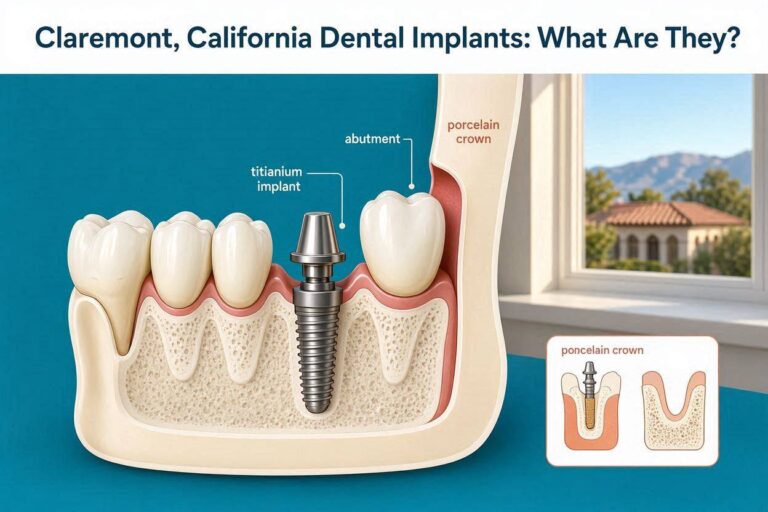
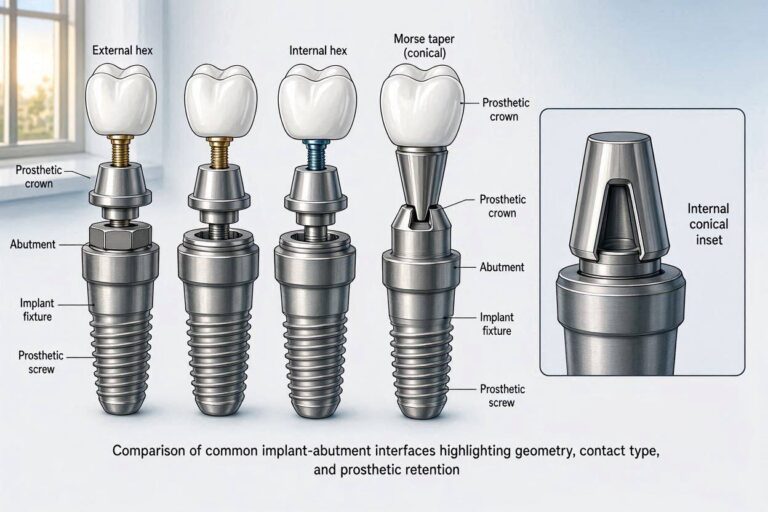
A dental implant is not just one thing. It is a surgical procedure with several parts:
- The implant post: A titanium screw placed into your jawbone (acts as the new tooth root).
- The abutment: A small connector piece placed on top of the post.
- The crown: The visible, artificial tooth attached to the abutment.
- Surgical guides and imaging: CT scans and 3D X-rays to plan surgery safely.
- The procedure: Surgeon time, anesthesia, and follow-up visits.
When a program offers “free implants,” they usually cover only the first part (the post). You may still need to pay for the crown on top. Always ask for a complete breakdown.
Important note: If a website promises “absolutely free dental implants for everyone,” you should be very careful. No government or large non-profit has unlimited funds for this. Free slots are rare and competitive.
Who Qualifies as “Low-Income” for Dental Programs?
Different programs use different numbers. However, most use the Federal Poverty Guidelines (FPG). You generally qualify for most dental assistance if your household income is:
- 100% to 200% of the FPG. For a single person in 2026, that means roughly 15,000to30,000 per year. For a family of four, that is roughly 31,000to62,000 per year.
Some programs are stricter. Others are more flexible. Many will also consider:
- Disability status (SSDI or SSI recipients).
- Veteran status (honorable discharge).
- Age (seniors over 65 get priority in some programs).
- Medical need (you cannot eat, speak, or have infections from missing teeth).
The Honest Truth: Free Implants Are Rare
Let us set realistic expectations. You can find free dental cleanings, fillings, and extractions relatively easily. But implants are complex surgery. They require specialist training and expensive materials.
Most “free” programs are one of three things:
- Clinical trials (you trade your participation for free surgery).
- Charity events (one-day clinics that rarely do implants due to time limits).
- Dental school competitions (students need complex cases to graduate).
The good news is that while 100% free is rare, low-cost implants are much more common. You can often get implants for 50% to 75% less than private practice prices.
True Sources for Free Dental Implants for Low-Income Adults
Let us go through the only reliable sources. These are real, verifiable options.
1. NIH and University Clinical Trials
This is the number one source for truly free implants. Universities and research hospitals run clinical trials to test new implant materials, techniques, or coatings. They need volunteers.
How it works: You apply for a specific study. If selected, the research grant pays for everything: surgery, imaging, and the final crown. In exchange, you attend extra follow-up visits and allow researchers to collect data.
Where to look:
- ClinicalTrials.gov (run by the U.S. National Institutes of Health).
- Search terms: “dental implant,” “edentulous” (no teeth), “mandibular reconstruction.”
Pros: Completely free. Usually top-level care from experts.
Cons: Very hard to get selected. You must meet strict medical criteria. You cannot choose your treatment timeline.
2. Dental Schools with Implant Programs
Dental schools are not free, but they are close to free. A private implant might cost 5,000.Atadentalschool,thesameimplantmightcost1,500 to $2,500. Some schools have charity funds for patients who truly cannot pay a dime.
How to find them: Search for “dental school implant clinic [your state].” Call and ask two questions:
- “Do you have a financial assistance application for patients below 150% of poverty?”
- “Do you have a graduate prosthodontics or periodontics program?” (These do implants.)
List of top low-cost implant schools (USA):
| School Name | City, State | Typical Implant Cost (post + crown) | Charity Slots? |
|---|---|---|---|
| University of Washington | Seattle, WA | 2,000−3,000 | Yes, limited |
| UTHealth Houston | Houston, TX | 1,800−2,500 | Yes |
| University of Michigan | Ann Arbor, MI | 2,200−3,200 | For emergencies |
| Loma Linda University | Loma Linda, CA | 2,500−3,500 | Mission program |
| NYU College of Dentistry | New York, NY | 2,500−4,000 | Rare |
Reader tip: Call the school’s patient coordinator. Ask if they have a “patient selection clinic” for complex cases. Tell them you are low-income and willing to be treated by supervised students. Be polite and patient. Waitlists can be six months to two years.
3. The Dental Lifeline Network (Donated Dental Services)
This is a national non-profit. It connects volunteer dentists with people who have permanent disabilities or are medically fragile. They do not usually do full-mouth implants for everyone. However, they sometimes cover implant-retained dentures for patients who cannot wear normal dentures.
Eligibility: You must have a permanent disability (like MS, Parkinson’s, or spinal cord injury) or be over 65 with a serious medical condition. Plus, you must prove low income.
How to apply: Go to DentalLifeline.org. Find your state’s DDS program. Complete their application. Wait times are often 12–18 months.
What they cover: Cleanings, fillings, extractions, and in selected cases – implants to stabilize a lower denture.
4. Non-Profit Mission Trips (Remote Area Medical – RAM)
Remote Area Medical (RAM) runs massive two-day free clinics. They do extractions, fillings, and cleanings. Traditionally, they have not done implants because they take multiple visits. However, some RAM events now partner with implant companies for single-tooth implants.
Reality check: Do not travel to a RAM event expecting an implant. Go for an extraction or a filling. If an implant is available, consider it a miracle. But you should have a backup plan.
How to prepare: Follow RAM on social media. They announce clinics 4–6 weeks in advance. Arrive at 3 AM or earlier. No joke – people sleep in their cars to get a place in line.
5. State-Funded Programs for Seniors (Very Rare)
A handful of states use Medicaid money to cover implant-supported dentures. This is not common. Currently, only Minnesota, California (under certain waivers), and Maryland have tested these programs.
Example: Minnesota’s “Senior Dental Care Program” sometimes pays for lower implant overdentures for eligible seniors on Medicaid. You need a referral from a social worker.
How to check: Call your state’s Medicaid dental helpline. Ask: “Does our state’s adult dental benefit cover implant-retained prosthetics?” Most will say no. But some will say “maybe under prior authorization.” That is your door.
Realistic Alternatives When Free Implants Are Not Available
If you have searched for months and found no free option, do not give up. The goal is a healthy, functional smile. Implants are the gold standard, but they are not the only option.
Sliding Scale Clinics (Federally Qualified Health Centers – FQHCs)
FQHCs charge you based on your income. They rarely place implants. However, they do make partial dentures and full dentures for as little as 200–500 per arch.
Why this helps: A denture is not an implant. But a well-fitted denture allows you to eat and smile. Plus, you can save money to add implants later (two implants can “snap” onto a denture to hold it in place).
Find an FQHC: Search “FQHC dental near me” on HRSA.gov.
Dental Tourism with a Charity Twist
Some non-profits organize trips to Mexico or Costa Rica. You pay a small fee (1,000–2,000 for a full set of implant-supported dentures), and the non-profit arranges transportation and lodging. This is not “free,” but it is 90% cheaper than the US.
Example: The M clinic in Los Algodones, Mexico (near Yuma, AZ). Many US snowbirds go there. Do your research. Look for dentists trained in the US or with an AAID (American Academy of Implant Dentistry) fellowship.
Warning: Do not go alone to a cheap foreign clinic without research. Ask for before/after photos and patient reviews from the last three months.
CareCredit and Grant Writing (For the Persistent)
This is unusual, but it works for some people. You write a one-page letter asking for help. You send it to:
- Your local dental society (they have small emergency funds).
- Religious organizations (Catholic Charities, Jewish Family Services).
- Lions Clubs and Rotary Clubs (they often sponsor medical care).
In your letter, state:
- Your medical need (pain, inability to eat).
- Your income situation.
- A specific cost estimate from a dental school (cheapest option).
- An offer to volunteer or share your story.
You would be surprised. Sometimes a local church will pay $2,000 for a stranger’s implants. It happens.
How to Apply for Free Dental Implants: A Step-by-Step Checklist
Do not just browse websites. Follow this workflow.
- Get a formal diagnosis.
- Visit a FQHC or dental school for a $50 exam.
- Ask for a written treatment plan. How many implants? Do you need bone grafting?
- Document your financial status.
- Gather your last three months of pay stubs.
- Get your SNAP, Medicaid, or Social Security award letter.
- Write a one-page personal statement (describe how missing teeth affect your daily life).
- Apply to three sources at once.
- Source A: ClinicalTrials.gov (search for 5 active implant studies).
- Source B: Your nearest dental school (ask for financial aid application).
- Source C: Dental Lifeline Network (if you have a disability).
- Follow up every 4 weeks.
- Be polite. Call the clinic coordinator. Say: “Hello, this is [name]. I applied on [date]. I am just checking if any spots have opened up. I remain very interested.”
- Create a low-cost backup plan.
- Save 20perweek.Inoneyear,youwillhave1,000.
- With $1,000, you can get a partial denture from an FQHC or start a payment plan for one implant at a dental school.
Common Scams to Avoid
When you search for “free dental implants,” you will see ads. Many are traps.
| Red Flag | What It Actually Means |
|---|---|
| “Free implants for everyone” | You will pay for X-rays, consultation, or “processing fees.” |
| “Government grant for implants” | No such grant exists. The government does not give individuals money for implants. |
| “You won a free implant” | You entered a contest you do not remember. They want your credit card for “tax fees.” |
| “FDA-approved new material” | Real clinical trials do not charge you. If they ask for money, it is not a real trial. |
Golden rule: If they ask for a credit card number before you have a signed contract or a university letterhead, walk away.
Frequently Asked Questions (FAQ)
1. Can I get free dental implants through Medicaid?
No, not usually. Medicaid covers implants for children in rare cases (trauma). For adults, Medicaid covers extractions and dentures. Only a few states cover implant-supported dentures for seniors with severe medical need. Call your state Medicaid office to be sure.
2. Does the VA cover free implants for veterans?
Yes, but only if you have a 100% service-connected disability rating or are in the VA’s Dental Insurance Program (VADIP). Even then, implants require prior approval and a clear medical need (e.g., you cannot wear a denture due to jaw surgery). Contact your local VA dental clinic.
3. How long do I have to wait for a free implant?
Realistically? 6 months to 3 years. Clinical trials move slowly. Dental school waitlists are long. Non-profits get high demand. The best strategy is to apply to multiple programs and start saving 20–50 per week in the meantime.
4. What if I only need one implant? Is that easier to get for free?
Yes, a single implant is more likely to be covered by a clinical trial or a dental school teaching case. Contact the implant coordinator at your nearest dental school and say: “I need a single tooth implant #19 (or whatever number). I am low-income. Do you have any research spots?”
5. What is an “implant-supported denture” vs. a full set of single implants?
- Full single implants: Each missing tooth gets its own implant. Very expensive ($30,000+).
- Implant-supported denture: Two to four implants hold a full arch of fake teeth. Much cheaper (6,000–12,000 at a dental school). Many free programs prefer this because it is simpler and more stable for seniors.
Additional Resource
For the most current, state-by-state list of low-cost implant programs and to check for new clinical trials, visit the American Academy of Implant Dentistry (AAID) Patient Resource Page:
👉 https://www.aaid.com/patients/financial-assistance/
Note: The AAID does not pay for implants, but they maintain a list of accredited implant dentists who offer sliding scale fees.
Conclusion
Finding truly free dental implants for low-income adults is difficult, but not impossible. Your best real chances are university clinical trials, dental school charity slots, and the Dental Lifeline Network for those with disabilities. For everyone else, the most practical path is a low-cost implant from a dental school or a high-quality denture from a community health center while you save for the future. Stay persistent, avoid scams, and always get a second opinion.
Disclaimer: This article is for informational purposes only and does not constitute medical or financial advice. Dental implant costs, program eligibility, and funding availability change frequently. You should always consult directly with a licensed dentist and a financial aid officer at any program mentioned. The author and publisher are not responsible for any decisions you make based on this content.