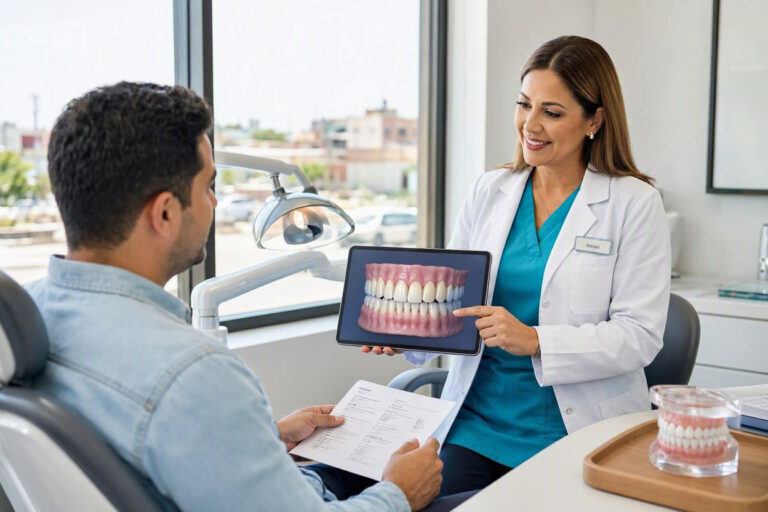
How Much Does It Cost To Purchase Veneers?
Purchasing veneers is not like buying a product off a shelf. Veneers are custom-made for your teeth. The cost to purchase the veneers themselves—the lab fee—ranges from $100 to $500 per tooth. However, the total cost to get veneers placed by a dentist is $500 to $2,500 per tooth. This includes the dentist’s time, the lab work, and the materials. If you buy snap-on veneers online, you might pay $300 to $1,500 for a set, but these are temporary and not a substitute for professional veneers. This guide explains the real costs of purchasing veneers, the difference between lab fees and total fees, and how to avoid wasting money on cheap alternatives that don’t last.

What Does “Purchasing Veneers” Mean?
When people ask how much it costs to purchase veneers, they usually mean one of two things. Some want to know the total price of getting veneers from a dentist. Others want to know the cost of the veneer itself—the material and lab work—separate from the dental fees. It is important to understand the difference.
Veneers are not sold in stores like toothpaste. They are custom restorations. A dental lab makes them based on impressions or digital scans of your teeth. You cannot buy a set of porcelain veneers and glue them on yourself. The purchase price includes the lab’s materials, equipment, and skilled labor. The dentist’s fee covers the exam, tooth preparation, impressions, fitting, bonding, and follow-up care.
The Difference Between Lab Fees And Total Fees
Here is a breakdown of what you are actually paying for when you purchase veneers.
| Cost Component | What It Covers | Typical Range Per Tooth |
|---|---|---|
| Lab fee | Materials, technician time, equipment | $100–$500 |
| Dentist’s fee | Exam, planning, tooth prep, bonding, follow-up | $400–$2,000 |
| Total fee | Everything combined | $500–$2,500 |
The lab fee is only part of the total cost. Even if you could buy the veneer directly from the lab, you would still need a dentist to prepare your tooth, take impressions, and bond the veneer. Skipping the dentist is not safe or practical.
Types Of Veneers And Their Purchase Costs
Different materials have different lab fees and total costs. Here is a comparison.
| Type of Veneer | Lab Fee Per Tooth | Total Cost Per Tooth | How Long It Lasts |
|---|---|---|---|
| Composite (direct) | $50–$150 | $250–$800 | 5–7 years |
| Porcelain (lab-made) | $150–$400 | $800–$2,500 | 10–15 years |
| Minimal-prep porcelain | $200–$450 | $900–$2,500 | 10–15 years |
| Zirconia | $200–$500 | $1,000–$2,500 | 10–15 years |
| Premium branded porcelain | $300–$600 | $1,200–$3,000 | 15–20 years |
| Snap-on (removable) | $50–$200 per set | $300–$1,500 per set | 1–3 years |
Composite veneers are the cheapest. They are applied directly to the tooth by the dentist and do not require a lab. Porcelain veneers are made in a lab and cost more. Premium brands like Lumineers or Da Vinci cost the most. Snap-on veneers are removable and cheap, but they do not look or function like real veneers.
Can You Buy Veneers Directly?
Some websites and clinics sell “DIY veneers” or “snap-on veneers” directly to consumers. These are removable plastic shells that fit over your teeth. They are not bonded to your teeth and do not require tooth preparation. They cost $300 to $1,500 for a set.
However, snap-on veneers have serious drawbacks. They can make your teeth look bulky. They can trap food and bacteria, leading to decay and gum disease. They do not correct bite problems. They are not durable. Most dentists do not recommend them for long-term use.
You cannot buy professional porcelain veneers directly from a lab. Labs sell to licensed dentists. Even if you could, you would not be able to bond them safely at home. The bonding process requires special equipment, adhesives, and training. Attempting to place veneers yourself can permanently damage your teeth.
What Affects The Cost Of Purchasing Veneers?
Several factors change the price of veneers.
Geographic Location
Dental fees are higher in big cities and lower in rural areas. A veneer in New York City may cost 50% more than the same veneer in a small town in the Midwest.
Dentist’s Experience And Reputation
A cosmetic dentist with many years of experience may charge more than a general dentist. A dentist with a strong reputation for smile makeovers may charge premium fees.
Material Used
Composite is cheaper than porcelain. Porcelain is cheaper than premium branded porcelain or zirconia. The material affects the look, durability, and price.
Number Of Teeth
The more veneers you need, the higher the total cost. Some dentists offer a discount for multiple veneers. Ask about bulk pricing.
Lab Quality
A high-quality dental lab charges more for its work. The technician’s skill affects the fit, color, and lifespan of the veneer. A cheap lab may produce a veneer that looks fake or fails early.
Complexity Of The Case
If your teeth need reshaping, gum contouring, or bite adjustments, the cost goes up. Some patients need orthodontics first to straighten their teeth before veneers.
Insurance Coverage
Dental insurance rarely covers veneers because they are considered cosmetic. Some plans may cover part of the cost if the veneer is medically necessary, such as after a trauma. Always check with your insurance company.
How The Process Works
Knowing the steps helps you understand where your money goes.
- Consultation and exam. The dentist checks your teeth and discusses your goals. Cost: $50–$200.
- Treatment planning. The dentist designs your new smile. This may include digital imaging or a wax-up. Cost: $100–$500.
- Tooth preparation. The dentist removes a thin layer of enamel from the front of your teeth. Cost: included in the total fee.
- Impressions. The dentist takes a mold or digital scan of your teeth. This is sent to the lab. Cost: $50–$150.
- Temporary veneers. You may get temporary veneers while the lab makes your permanent ones. Cost: $100–$500.
- Lab work. The lab makes your custom veneers. This takes one to three weeks. Cost: the lab fee.
- Bonding. The dentist tries on the veneers and bonds them to your teeth. Cost: included in the total fee.
- Follow-up. You may need a follow-up to check your bite. Cost: usually included.
The lab fee is only one part of the total. The dentist’s skill and time are the largest part of the bill.
How To Save Money On Veneers
You do not have to pay the highest price. Here are practical ways to lower your costs.
- Ask for a cash discount. Many dentists offer 5–10% off if you pay upfront.
- Use a dental school. Some dental schools offer cosmetic dentistry at lower rates. Students work under supervision.
- Compare at least three quotes. Call different offices and ask for a written estimate for the same service.
- Choose composite veneers. They are cheaper than porcelain and can be placed in one visit.
- Get veneers on fewer teeth. If you only need to fix a few teeth, you can save thousands.
- Consider dental tourism. Some patients travel to Mexico, Costa Rica, or Thailand for cheaper veneers. Research the dentist carefully.
- Use an HSA or FSA. Health savings accounts and flexible spending accounts let you pay with pre-tax dollars.
- Ask about payment plans. Many offices offer zero-interest financing for 6–12 months.
- Negotiate. Do not be afraid to ask for a lower fee or a bundled price for multiple veneers.
- Avoid snap-on veneers. They may seem cheap, but they can damage your teeth and cost more in the long run.
Important note: Do not choose a dentist based only on price. Poorly made veneers can look fake, fall off, or cause bite problems. Quality matters. A cheap veneer that needs to be replaced in two years is not a bargain.
Real-World Examples
Example 1: Four composite veneers in a small town.
A patient wants to fix four front teeth. The dentist uses composite. The total cost is $2,400. The lab fee is $200 per tooth. Insurance does not cover it. The patient pays the full amount. The office offers a 5% cash discount, so the patient pays $2,280.
Example 2: Six porcelain veneers in a large city.
A patient wants a smile makeover on six upper teeth. The dentist is a cosmetic specialist. The total cost is $12,000. The lab fee is $400 per tooth. Insurance does not cover it. The patient uses a payment plan over 12 months with zero interest.
Example 3: Snap-on veneers online.
A patient buys a set of snap-on veneers online for $500. They look bulky and make it hard to speak. The patient stops wearing them after a week. The money is wasted. The patient later gets professional porcelain veneers for $9,000.
These examples show how much prices can vary. Your own quote will depend on your unique needs.
Quotations From Dental Professionals
“Patients often ask if they can buy veneers online. I tell them that veneers are medical devices. They need to be custom-made and bonded by a professional. Buying them online is like buying prescription glasses without an eye exam.” — Cosmetic dentist in California.
“I always explain the difference between the lab fee and the total fee. The lab makes the veneer, but the dentist makes the smile. You are paying for skill and experience.” — General dentist in Texas.
Frequently Asked Questions
How much do veneers cost to purchase?
The lab fee for veneers is $100–$500 per tooth. The total cost with dental work is $500–$2,500 per tooth. Snap-on veneers cost $300–$1,500 per set.
Can I buy veneers directly from a lab?
No. Dental labs sell to licensed dentists. You need a dentist to prepare your teeth and bond the veneers.
Are snap-on veneers a good alternative?
Snap-on veneers are cheap but temporary. They can trap food and bacteria, leading to decay. Most dentists do not recommend them.
Why are veneers so expensive?
The cost covers the lab fee, the dentist’s time, the materials, and the skill required to create a natural-looking smile.
Does insurance cover veneers?
Most dental plans do not cover veneers because they are cosmetic. Some plans may cover part of the cost if the veneer is medically necessary.
How long do veneers last?
Porcelain veneers last 10–15 years. Composite veneers last 5–7 years. Snap-on veneers last 1–3 years.
Can I get veneers if I have crooked teeth?
You may need orthodontics first to straighten your teeth. Then veneers can be placed.
What is the difference between veneers and crowns?
Veneers cover only the front surface of the tooth. Crowns cover the entire tooth. Crowns are used for damaged or weak teeth.
How do I care for my veneers?
Brush twice a day with a soft toothbrush. Floss daily. Avoid abrasive toothpaste. Visit your dentist every six months.
Can I whiten my veneers?
No. Porcelain veneers do not respond to whitening agents. If you want whiter teeth, whiten before getting veneers.
Additional Resources
For more information on veneers and cosmetic dentistry, visit the American Academy of Cosmetic Dentistry at aacd.com. You can also check with the American Dental Association at ada.org for a list of qualified dentists.
Conclusion
Purchasing veneers is not a simple transaction. The lab fee is $100–$500 per tooth, but the total cost with dental work is $500–$2,500 per tooth. Snap-on veneers are cheap but risky. To get the best value, choose a qualified dentist, compare quotes, and consider composite veneers if you are on a budget. Veneers are an investment in your smile, so take the time to do your research.