How Much Does Student Dentistry Cost?
Dental care can be expensive. Many people delay treatment because they cannot afford it. But there is an option that many people overlook: student dentistry. Dental schools offer treatment at a fraction of the cost of private clinics. Students perform the work under the close supervision of experienced professors.
So how much does student dentistry cost? The answer ranges from $20 to $2,500, depending on the procedure. A basic exam and cleaning might cost $20 to $80. A filling costs $50 to $150. A crown costs $400 to $800. A dental implant costs $1,000 to $2,500. Compare that to private practice, where these same procedures cost two to three times more.
But student dentistry is not for everyone. Treatment takes longer. Appointments are less flexible. And you may need to travel to a dental school. Still, the savings can be substantial.
In this comprehensive guide, we will explore the cost of student dentistry. We will look at different procedures, average prices, factors that affect costs, and tips to get the best value. By the end, you will know exactly what to expect.
What Is Student Dentistry?
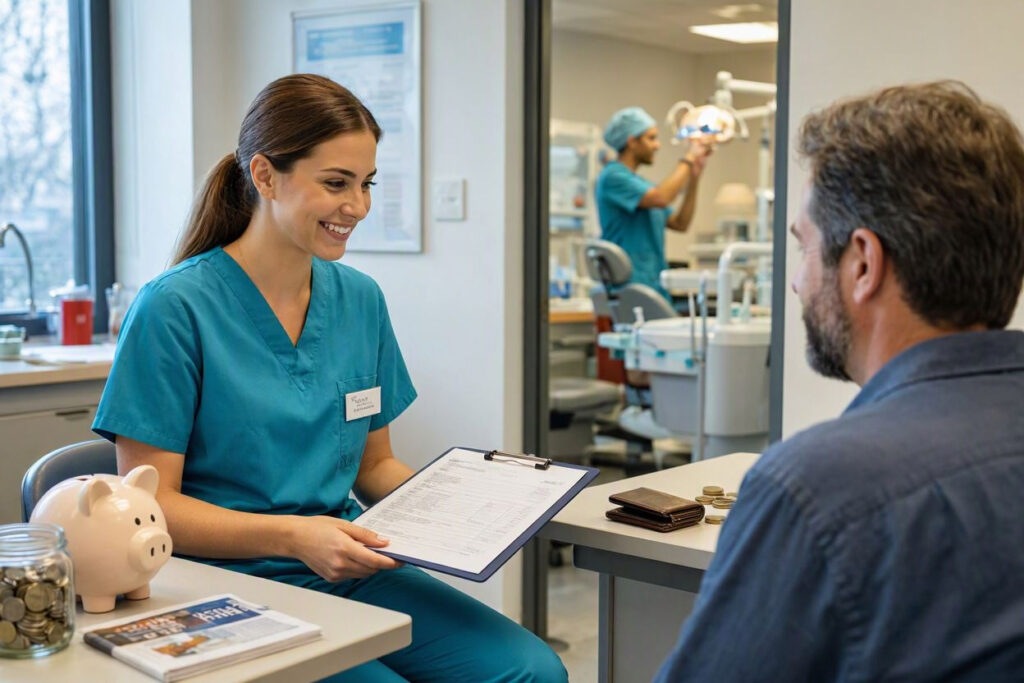
Student dentistry is dental care provided by dental students. These students are in their final years of dental school. They have completed their classroom training. They are now gaining clinical experience under supervision.
Dental schools operate teaching clinics. These clinics serve the public. Patients receive quality care at reduced prices. The students perform the procedures. Licensed dentists and specialists supervise every step.
Student dentistry is not “fake” dentistry. The work is real and permanent. The students are closely monitored. Their work is checked and graded. Many dental schools require students to meet high standards before graduating.
Why Is Student Dentistry Cheaper?
Student dentistry costs less for several reasons.
Students Need Patients
Dental students must complete a certain number of procedures to graduate. They need patients to practice on. This creates a high demand for patients, which keeps prices low.
No Profit Motive
Dental schools are educational institutions, not businesses. They do not need to make a profit. Their goal is to train students and serve the community.
Lower Overhead Costs
Dental schools often receive funding from universities and government programs. This helps cover equipment, materials, and staff salaries.
Supervision Instead of Solo Practice
You are not paying for a licensed dentist’s full time. You are paying for a student’s time, plus a portion of the supervisor’s time. This reduces the overall cost.
Slower Pace
Student dentistry takes longer. A procedure that takes one hour in private practice may take two or three hours in a dental school. The school passes some of these time savings on to you.
Types Of Student Dentistry Services
Dental schools offer a wide range of services. Here are the most common.
Preventive Care
- Dental exams
- X-rays
- Cleanings
- Fluoride treatment
- Sealants
- Oral cancer screenings
Restorative Care
- Fillings (amalgam and composite)
- Crowns
- Bridges
- Inlays and onlays
- Root canal treatment
- Posts and cores
Prosthodontics
- Complete dentures
- Partial dentures
- Implant crowns
- Implant-supported dentures
Periodontics
- Deep cleaning (scaling and root planing)
- Gum surgery
- Bone grafting
- Gum grafts
Oral Surgery
- Simple extractions
- Surgical extractions
- Wisdom teeth removal
- Biopsies
Orthodontics
- Braces (metal and ceramic)
- Clear aligners
- Retainers
Pediatric Dentistry
- Children’s exams
- Cleanings
- Fillings
- Sealants
- Space maintainers
Endodontics
- Root canal treatment
- Apicoectomy
- Pulpotomy
Cosmetic Dentistry
- Teeth whitening
- Veneers
- Bonding
Important Note: Not all dental schools offer all services. Check with your local dental school to see what is available.
Average Cost Of Student Dentistry
Now, let’s get to the numbers. Here is a breakdown of typical student dentistry costs compared to private practice.
| Procedure | Student Dentistry (USD) | Private Practice (USD) |
|---|---|---|
| Initial exam | $20 – $50 | $50 – $150 |
| X-rays (full mouth) | $30 – $80 | $100 – $250 |
| Basic cleaning | $30 – $70 | $75 – $300 |
| Deep cleaning (per quadrant) | $50 – $150 | $150 – $400 |
| Fluoride treatment | $10 – $30 | $20 – $50 |
| Sealant (per tooth) | $10 – $30 | $30 – $70 |
| Amalgam filling (1 surface) | $40 – $100 | $100 – $250 |
| Composite filling (1 surface) | $60 – $150 | $150 – $350 |
| Root canal (front tooth) | $200 – $500 | $700 – $1,200 |
| Root canal (molar) | $300 – $700 | $1,000 – $2,000 |
| Simple extraction | $50 – $150 | $150 – $400 |
| Surgical extraction | $100 – $300 | $300 – $800 |
| Wisdom tooth removal | $150 – $400 | $400 – $1,000 |
| Dental crown | $400 – $800 | $1,000 – $3,500 |
| Dental bridge (3 units) | $800 – $1,800 | $2,500 – $7,500 |
| Complete denture (one arch) | $300 – $800 | $1,000 – $5,000 |
| Partial denture | $400 – $1,000 | $1,500 – $4,000 |
| Dental implant | $1,000 – $2,500 | $3,000 – $6,000 |
| Implant crown | $400 – $800 | $1,000 – $2,500 |
| Braces (metal) | $1,500 – $3,500 | $3,000 – $7,000 |
| Clear aligners | $1,500 – $4,000 | $3,000 – $8,000 |
| Teeth whitening | $100 – $250 | $300 – $800 |
| Veneer (per tooth) | $300 – $600 | $800 – $2,500 |
Note: These prices are estimates. Actual costs vary by dental school, location, and case complexity.
Average Cost Of Student Dentistry By Country
Student dentistry is available in many countries. Here is a comparison of typical costs.
| Country | Exam and Cleaning (USD) | Filling (USD) | Crown (USD) | Implant (USD) |
|---|---|---|---|---|
| United States | $30 – $100 | $40 – $150 | $400 – $800 | $1,000 – $2,500 |
| Canada | $40 – $120 | $50 – $180 | $450 – $900 | $1,200 – $2,800 |
| United Kingdom | $20 – $80 | $30 – $120 | $300 – $700 | $800 – $2,000 |
| Australia | $40 – $120 | $50 – $180 | $450 – $900 | $1,200 – $2,800 |
| New Zealand | $35 – $110 | $45 – $160 | $400 – $850 | $1,100 – $2,600 |
| Ireland | $25 – $90 | $35 – $130 | $320 – $750 | $900 – $2,200 |
| Germany | $20 – $80 | $30 – $120 | $300 – $700 | $800 – $2,000 |
| France | $15 – $70 | $25 – $100 | $250 – $600 | $700 – $1,800 |
| Spain | $15 – $60 | $20 – $90 | $220 – $550 | $600 – $1,600 |
| Italy | $20 – $70 | $30 – $100 | $250 – $600 | $700 – $1,800 |
| Mexico | $10 – $40 | $15 – $60 | $150 – $400 | $400 – $1,200 |
| Costa Rica | $12 – $45 | $18 – $70 | $180 – $450 | $450 – $1,300 |
| Thailand | $8 – $35 | $12 – $50 | $120 – $350 | $350 – $1,000 |
| Vietnam | $5 – $25 | $10 – $40 | $100 – $300 | $300 – $900 |
| Philippines | $5 – $25 | $10 – $40 | $100 – $300 | $300 – $900 |
| India | $3 – $15 | $5 – $25 | $60 – $200 | $200 – $700 |
| Turkey | $8 – $30 | $12 – $45 | $120 – $320 | $350 – $950 |
| Hungary | $15 – $50 | $20 – $70 | $180 – $450 | $450 – $1,200 |
Key Takeaway: Student dentistry is most affordable in India, Vietnam, and the Philippines. It is most expensive in the United States, Canada, and Australia. However, even in expensive countries, student dentistry costs significantly less than private practice.
Average Cost Of Student Dentistry In The United States
Prices vary across the United States. Here is a breakdown by region.
| Region | Exam and Cleaning (USD) | Filling (USD) | Crown (USD) | Implant (USD) |
|---|---|---|---|---|
| Northeast | $40 – $120 | $50 – $180 | $450 – $900 | $1,200 – $2,800 |
| Midwest | $25 – $80 | $35 – $130 | $350 – $700 | $900 – $2,200 |
| South | $25 – $85 | $35 – $140 | $380 – $750 | $950 – $2,300 |
| West | $35 – $110 | $45 – $170 | $420 – $850 | $1,100 – $2,600 |
| Southwest | $30 – $95 | $40 – $150 | $400 – $800 | $1,000 – $2,500 |
Note: These prices are for dental school clinics. Private practice prices are two to three times higher.
What Affects The Cost Of Student Dentistry?
Several factors determine the final price. Let’s examine each one.
Dental School Location
Dental schools in big cities charge more than those in smaller towns. The cost of living, rent, and wages all affect prices.
Type Of Procedure
Simple procedures like exams and cleanings cost less. Complex procedures like implants and orthodontics cost more.
Number Of Teeth Involved
Restoring one tooth costs less than restoring several. Full mouth reconstruction costs the most.
Materials Used
Amalgam fillings cost less than composite fillings. Metal crowns cost less than porcelain or zirconia crowns. Premium materials add to the cost.
Case Complexity
Simple cases cost less. Complex cases with gum disease, bone loss, or bite problems cost more.
Student’s Level
Senior students may perform more complex procedures. Junior students perform simpler ones. The cost may reflect the student’s experience level.
Supervision Level
Some procedures require more supervision than others. More supervision means more faculty time, which can increase costs.
Additional Services
X-rays, medications, and follow-up visits may add to the cost. Ask what is included.
Payment Method
Paying in full upfront may earn a discount. Payment plans may include interest or fees.
Insurance Coverage
Some dental insurance plans cover treatment at dental schools. Check your policy.
What’s Included In The Price?
Before you book, ask what the price includes. Some dental schools charge separately for certain items.
Typically Included:
- Initial screening
- Treatment planning
- Student’s time
- Basic materials
- Supervision
Often Not Included:
- X-rays
- Medications
- Lab fees
- Additional procedures
- Follow-up visits
Important Note: A low price may not include everything. Read the fine print. Ask for a written estimate.
Pros And Cons Of Student Dentistry
Student dentistry has advantages and disadvantages. Here is a balanced look.
Pros
Lower Cost
The biggest advantage is cost. You can save 50% to 70% compared to private practice.
Quality Care
Students are closely supervised. Their work is checked at every step. Many dental schools have strict quality standards.
Modern Equipment
Dental schools often have up-to-date equipment. They use the latest techniques and materials.
Thorough Treatment
Students have more time per patient. They are not rushed. This can lead to more careful, thorough care.
Comprehensive Care
Dental schools offer a wide range of services. You can get most of your dental needs met in one place.
Educational Experience
You are helping train the next generation of dentists. Many patients find this rewarding.
Cons
Longer Treatment Time
Appointments take longer. A procedure that takes one hour in private practice may take two or three hours.
More Appointments
You may need more visits to complete treatment. This can be inconvenient.
Less Flexibility
Appointments are limited to school hours. Evening and weekend appointments are rare.
Student Turnover
Students graduate and leave. You may need to switch to a new student mid-treatment.
Limited Availability
Dental school clinics are not available everywhere. You may need to travel.
Screening Process
You must qualify as a patient. Dental schools accept cases based on educational needs. Complex cases may be accepted. Simple cases may be referred elsewhere.
Waiting Lists
Popular dental schools have long waiting lists. You may wait weeks or months for an appointment.
How To Find A Dental School Near You
Finding a dental school is easy. Here are some resources.
Search Online
Search for “dental school clinic near me” or “dental school [your city]”. Most dental schools have websites with clinic information.
Contact The American Dental Association
The ADA maintains a list of accredited dental schools. Visit their website for a directory.
Ask Your Dentist
Your dentist may know about local dental schools. They may also refer you if your case is suitable.
Check University Websites
Many universities have dental schools. Check their websites for clinic information.
Call The Dental School
Call the dental school directly. Ask about services, prices, and how to become a patient.
How To Become A Patient At A Dental School
The process is different from a private clinic. Here is what to expect.
Step 1: Screening
You call the dental school to request an appointment. They schedule a screening visit. This is a brief exam to determine if your case is suitable for student treatment.
Step 2: Assignment
If accepted, you are assigned to a student. The student reviews your case with a supervising dentist.
Step 3: Treatment Planning
The student creates a treatment plan. They discuss it with you. They explain the costs and timeline.
Step 4: Treatment
The student performs the procedures. A supervising dentist checks every step. You may need multiple appointments.
Step 5: Completion
When treatment is complete, the supervising dentist reviews the work. You receive follow-up care instructions.
Step 6: Maintenance
You may return for check-ups and cleanings. Some schools offer ongoing maintenance.
What Dental Students Say About Patient Care
We spoke with dental students about their experience treating patients. Here is what they shared.
“I take great pride in my work. I know my patients are trusting me with their smiles. I want to do my best every time.” — Maria S., third-year dental student
“The supervision is intense. My professor checks everything I do. If something is not right, I have to fix it. It is a great learning experience.” — James L., fourth-year dental student
“I spend more time with my patients than a private dentist could. I get to know them. I care about their results.” — Aisha K., third-year dental student
What Dentists Say About Student Dentistry
We spoke with dentists who supervise students and those who work in private practice. Here is what they shared.
“Student dentistry is a win-win. Patients get affordable care. Students get valuable experience. The quality is high because we check everything.” — Dr. Robert Chen, Dental School Professor
“I refer patients to dental schools when they cannot afford private care. The work is good. It just takes longer.” — Dr. Sarah Johnson, Private Practice Dentist
“Some patients are nervous about student dentistry. But they should not be. The students are well-trained. The supervision is strict. The results are excellent.” — Dr. Michael Park, Dental School Clinical Instructor
Important Notes For Readers
Keep these points in mind before choosing student dentistry.
Treatment takes longer.
Be prepared for longer appointments and more visits. Bring a book or something to do.
Appointments are limited.
Dental schools operate during school hours. Evening and weekend appointments are rare.
You may need to qualify.
Not everyone is accepted. Dental schools prioritize cases that meet educational needs.
You may wait for an appointment.
Waiting lists can be long. Call early to schedule.
Students graduate.
Your student may leave mid-treatment. You may need to switch to a new student.
Quality is high.
Students are closely supervised. Their work is checked at every step. Do not worry about quality.
Ask about costs upfront.
Get a written estimate. Ask what is included and what is not.
Consider travel time.
Dental schools may be far from your home. Factor in travel time and costs.
Be patient.
Student dentistry is a learning process. Be patient with your student. They are learning.
Provide feedback.
If you have concerns, speak up. The supervising dentist wants to know.
Alternatives To Student Dentistry
If student dentistry is not right for you, consider these alternatives.
Community Health Clinics
Community health clinics offer low-cost dental care. They charge based on income. They are a good option for uninsured patients.
Dental Missions
Some organizations run dental missions in underserved areas. They offer free exams, cleanings, and fillings.
Dental Savings Plans
Discount plans offer 10% to 60% off dental services. You pay an annual fee. These are not insurance.
Private Practice Payment Plans
Many private dentists offer payment plans. You pay a down payment, then monthly installments.
Dental Tourism
Traveling abroad can save 50% to 70%. Popular destinations include Mexico, Thailand, and Costa Rica.
Insurance
If you have dental insurance, use it. It covers preventive care and reduces costs for other treatments.
Frequently Asked Questions
How much does student dentistry cost?
Student dentistry costs 50% to 70% less than private practice. A basic exam and cleaning costs $30 to $100. A filling costs $40 to $150. A crown costs $400 to $800. An implant costs $1,000 to $2,500.
Is student dentistry safe?
Yes. Students are closely supervised by licensed dentists. Their work is checked at every step. Dental schools follow strict safety and sterilization protocols.
How long does student dentistry take?
Treatment takes longer than private practice. A procedure that takes one hour in private practice may take two or three hours. You may need more appointments.
Can I choose my student?
No. You are assigned to a student based on your case and the school’s needs. You cannot choose your student.
What if I don’t like my student?
You can request a change. However, this may delay your treatment. Speak with the clinic supervisor if you have concerns.
Does student dentistry hurt?
You receive anesthesia for procedures. You should not feel pain during treatment. Afterward, you may have some soreness. Pain medication helps.
Is student dentistry available for children?
Yes. Many dental schools offer pediatric dentistry. Children receive care from students supervised by pediatric specialists.
Does insurance cover student dentistry?
Some dental insurance plans cover treatment at dental schools. Check your policy. Even without insurance, student dentistry is affordable.
How do I find a dental school near me?
Search online for “dental school clinic near me.” Contact the American Dental Association for a directory. Ask your dentist for referrals.
How do I become a patient at a dental school?
Call the dental school to request a screening appointment. If accepted, you are assigned to a student. The student creates a treatment plan and performs the work under supervision.
Conclusion
Student dentistry costs 50% to 70% less than private practice. A basic exam and cleaning costs $30 to $100. A filling costs $40 to $150. A crown costs $400 to $800. An implant costs $1,000 to $2,500. Student dentistry is safe, high-quality, and supervised by licensed dentists. Treatment takes longer and appointments are less flexible. But the savings are substantial. If you need dental care and cannot afford private practice, consider student dentistry. Call your local dental school to see if you qualify. Your smile will thank you.
Additional Resource
For more information on student dentistry and dental care, visit:
- American Dental Association: https://www.ada.org
- American Dental Education Association: https://www.adea.org
- Commission on Dental Accreditation: https://www.ada.org/en/coda