How Painful is it to Get a Cavity Filled?
Going to the dentist can trigger a wave of anxiety, especially if you just found out you need a treatment. The most common question people ask when facing the dental chair is simple: How painful is it to get a cavity filled?
The short answer is that it should not hurt at all during the actual procedure. Modern dental technology, local anesthetics, and advanced techniques have transformed cavity fillings into routine, highly manageable, and virtually painless experiences. However, understanding what happens during the process—and knowing your options for care—can dramatically lower your anxiety.
Let’s pull back the curtain on dental fillings, explore the evolving world of holistic dental health, and answer the burning questions you have about keeping your smile bright and pain-free.
What to Expect During a Cavity Filling
The Numbing Process
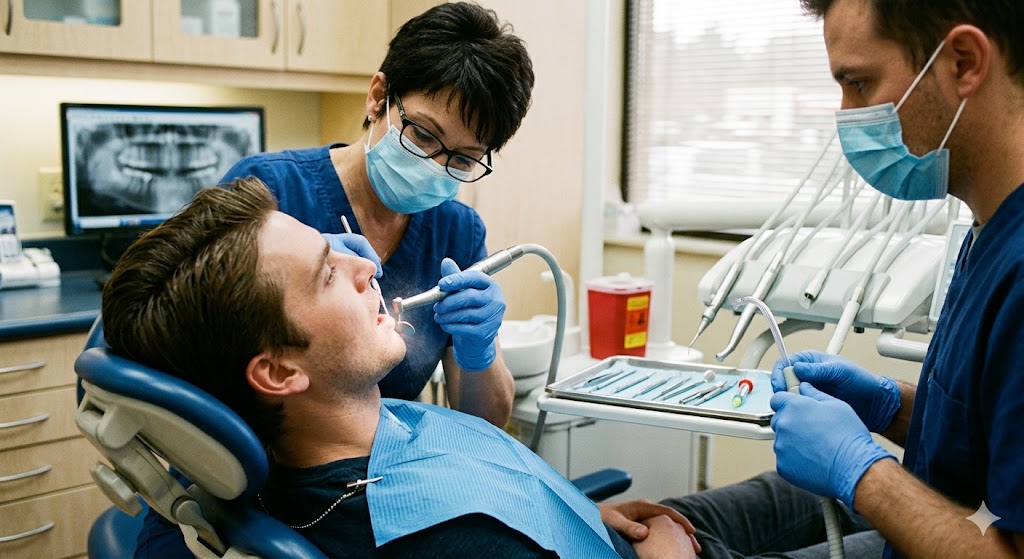
Before the dentist touches the tooth, they will ensure you are comfortable. This starts with a topical numbing gel applied to your gums with a cotton swab. After a few minutes, the dentist administers a local anesthetic to completely block the nerve pathways in the area. You might feel a tiny pinch or a stinging sensation for a few seconds, but the area will quickly go numb.
Removing the Decay
Once the anesthetic takes full effect, you will feel pressure and vibration, but zero sharp pain. The dentist uses specialized tools to clear away the decayed portions of the tooth structure. This cleans the area and prepares it to hold the filling material securely.
Placing the Material
After cleaning the cavity, the dentist fills the space with a durable material to restore the tooth’s shape and function. Depending on the material used, they may apply a special bonding light to harden the layers quickly. Finally, they polish the tooth and check your bite to ensure everything feels perfectly aligned.
Patient Note: If you ever feel sharp pain at any point during your procedure, raise your hand immediately. Dentists can easily administer additional numbing agent to ensure your absolute comfort.
What is a Biological Dentist?
As you research dental health, you might come across different approaches to oral care. One term gaining significant traction is “biological dentistry.”
A biological dentist—often called a holistic or biocompatible dentist—is a fully licensed dental professional who practices dentistry by looking at the relationship between oral health and the rest of the body. They perform the same core treatments as traditional dentists, such as filling cavities, treating gum disease, and extracting teeth. However, their philosophy focuses on using materials and techniques that are non-toxic and highly compatible with human biology.
Key Focus Areas of Biological Dentistry
- Biocompatible Materials: Avoiding materials like amalgam fillings (which contain mercury) in favor of composite resins, ceramics, or porcelain.
- Whole-Body Connection: Treating oral issues with the understanding that dental infections and inflammation can impact cardiovascular health, digestion, and the immune system.
- Conservative Treatments: Prioritizing therapies that preserve as much natural, healthy tooth structure as possible.
- Safe Removal Protocols: Using specialized filtration, high-volume suction, and protective barriers when removing old mercury fillings to protect the patient and the environment.
Are Biological Dentists Depending on Age?
The choice to see a biological dentist often shifts based on a patient’s stage in life. Pediatric patients, adults, and seniors all have unique biological needs that a holistic approach addresses differently.
Pediatric and Youth Care
For young children, biological dentists place a heavy emphasis on prevention, airway development, and non-invasive treatments. Instead of immediately drilling a small cavity in a baby tooth, a biological dentist might use silver diamine fluoride (SDF) or ozone therapy to halt the decay naturally. They also evaluate how a child’s jaw and airway are growing to prevent future sleep issues and orthodontic complications.
Adult and Senior Care
For adults, care often centers around replacing old, degraded materials with stable, biocompatible alternatives. For seniors, the focus shifts to managing dry mouth (often caused by prescription medications), preserving aging bone structure, and managing the systemic links between chronic gum inflammation and conditions like diabetes or cognitive decline.
Are Biological Dentists Depending on Location?
Access to biological dentistry varies dramatically depending on where you live. Because this field requires advanced certifications beyond standard dental school, practitioners are distributed unevenly across geographic regions.
Urban and Suburban Hubs
You are much more likely to find a wide selection of biological dentists in major metropolitan areas and progressive suburban communities. Cities often support niche medical fields due to higher population densities and a greater concentration of consumers actively seeking wellness-focused lifestyles.
Rural and Remote Areas
In rural locations, finding a certified biological dentist can be a challenge. Patients living outside major cities often have to travel significant distances to find a provider who follows strict holistic protocols, such as the Safe Mercury Amalgam Removal Technique (SMART). If travel isn’t an option, rural patients must work closely with traditional local dentists to request specific biocompatible filling materials.
Are Biological Dentists vs. Exact Dentures?
When a tooth cannot be saved by a filling, tooth replacement becomes necessary. A common point of confusion is how biological dentists approach tooth replacement options like conventional dentures versus precise, modern dental implants or bio-friendly prosthetics.
Biological dentists evaluate tooth replacement through the lens of biocompatibility and structural balance. If a patient requires dentures, a biological practitioner will ensure the materials used are completely free of common allergens, heavy metals, or toxic monomer residues often found in cheap, pink acrylic bases.
Furthermore, while traditional dentistry might prioritize the cosmetic look or immediate fit of a denture, a biological approach looks closely at how the prosthetic affects jaw alignment, the temporomandibular joint (TMJ), and the patient’s ability to breathe properly at night. They focus on an “exact” fit that supports the musculoskeletal health of the entire face.
Biological Dentistry vs. Regular Dentistry
To better understand your options when managing cavities and general oral health, it helps to see how these two paradigms approach patient care side by side.
| Feature | Regular (Traditional) Dentistry | Biological (Holistic) Dentistry |
| Primary Focus | Treating isolated dental symptoms, disease, and structural damage in the mouth. | Treating oral health as an integrated component of overall systemic wellness. |
| Filling Materials | May utilize dental amalgam (mercury-silver) or composite resins. | Strictly utilizes mercury-free, biocompatible materials (composites, ceramics). |
| Root Canal Therapy | Standard procedure used to save a severely infected or dead tooth. | Evaluated case-by-case; some avoid it due to concerns over lingering microscopic bacteria. |
| Fluoride Usage | Highly recommended as a primary defense against tooth decay. | Often avoided or replaced with natural alternatives like hydroxyapatite. |
| X-Ray Protocols | Standard digital or traditional film X-rays on a set calendar schedule. | Minimal use of ultra-low-dose digital X-rays or 3D cone-beam imaging only when necessary. |
Tips for Managing Dental Anxiety
If the thought of getting a cavity filled still makes you nervous, you are not alone. Try these simple strategies to keep your next visit stress-free:
- Communicate Early: Tell your dental team about your anxiety beforehand so they can move at your pace.
- Bring Headphones: Listen to your favorite podcast, calming music, or an audiobook to drown out the sound of the dental equipment.
- Practice Breathwork: Use slow, deep diaphragmatic breathing while sitting in the chair to naturally lower your heart rate.
- Agree on a Stop Signal: Establish a clear signal—like raising your left hand—so you know you can pause the procedure at any second if you need a break.
Frequently Asked Questions
How long does the pain last after a cavity filling?
Any minor tenderness or tooth sensitivity to hot and cold liquids typically fades within a few days to a week. If you experience severe, throbbing pain or a bite that feels uneven after a week, contact your dentist for a quick adjustment.
Can a cavity heal on its own without a filling?
If the decay is caught in its earliest stage (called demineralization), it can sometimes be reversed with excellent oral hygiene, dietary changes, and remineralizing agents like hydroxyapatite or fluoride. Once the decay breaks through the enamel and forms a physical hole (cavity), it cannot heal on its own and requires a filling.
Why do some dentists still use silver fillings?
Amalgam fillings are durable, cost-effective, and highly resilient in moisture-heavy environments, which is why traditional dentistry still utilizes them. However, biological dentists reject them due to their mercury content and the way they expand and contract with temperature changes, which can fracture teeth over time.
Additional Resources
- For comprehensive directories of certified holistic dental professionals, visit the official International Academy of Biological Dentistry and Medicine (IABDM) website.
Conclusion
Getting a cavity filled is a routine, painless procedure thanks to modern anesthetics, though you may feel slight pressure during the appointment. Deciding between a traditional and a biological dentist depends on your personal wellness philosophy, age, and geographic location. Ultimately, addressing decay early preserves your natural smile and protects your long-term health.