How to Apply for Dental Implant Grant
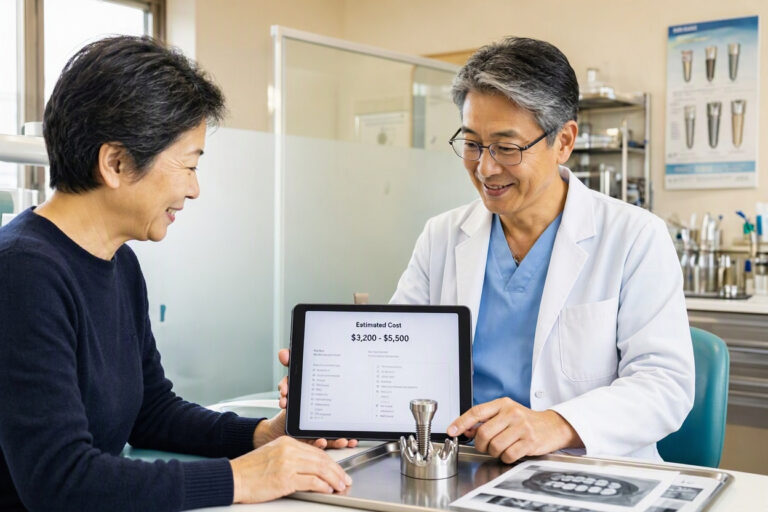
Losing a tooth changes more than your smile. It affects how you eat, how you speak, and how you feel when you look in the mirror. Dental implants offer the closest thing to a natural tooth, but the price often stops people in their tracks. A single implant can cost between $3,000 and $6,000. A full mouth reconstruction might reach $50,000 or more.
You have probably searched for terms like “free dental implants” or “government dental implant grants.” The internet delivers countless results, many filled with outdated information or unrealistic promises. This guide cuts through the noise. We will walk through every legitimate avenue for reducing implant costs, explain exactly how to apply, and set honest expectations along the way.
We will cover charitable organizations, dental schools, clinical trials, state resources, financing options, and specialized programs for veterans, seniors, domestic violence survivors, and people with disabilities. By the end, you will have a clear action plan tailored to your situation.

Understanding Dental Implant Grants: What They Really Are
The term “dental implant grant” sounds official. Many people imagine a government agency cutting a check to cover their new teeth. The reality works differently.
The Hard Truth About Government Grants
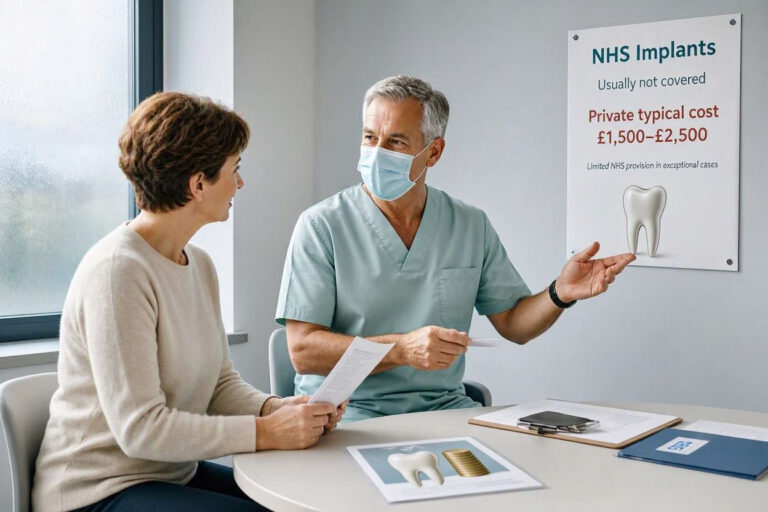
The federal government does not offer direct grants to individuals for dental implants. You read that correctly. No program called the “Federal Dental Implant Grant Program” exists. Medicare generally does not cover dental implants. Medicaid coverage varies by state, and most state programs limit dental benefits to extractions and emergencies for adults.
When websites advertise “government dental implant grants,” they often refer to something else entirely—or they stretch the truth to dangerous levels. Always verify claims through official .gov websites.
“The most common misconception we encounter is the belief that a free government grant will pay for full mouth implants. This simply isn’t true. But that doesn’t mean help doesn’t exist. It just looks different than people expect.” — Dr. Sarah Chen, DDS, Community Dental Outreach Director
What Actually Exists
Real assistance falls into several categories:
Nonprofit organization programs that partner with volunteer dentists or offer subsidized care. Dental schools where supervised students provide treatment at reduced rates. Clinical trials that offer free or low-cost experimental treatments. State and local health department programs with sliding-scale fees. Financing and discount plans that make implants more manageable over time. Veterans Affairs programs for eligible former service members.
Each of these represents a legitimate path to affordable implants. None of them involve a simple application for free money.
Why Implants Cost So Much
Understanding the cost helps you appreciate why grants rarely cover everything. An implant involves three components: the titanium post surgically placed in the jawbone, the abutment connecting post to crown, and the custom-made crown visible above the gum line.
The process requires multiple specialists. An oral surgeon or periodontist performs the surgical placement. A restorative dentist designs and places the crown. A dental laboratory fabricates the custom prosthesis. Before placement, you may need X-rays, CT scans, extractions, bone grafting, or sinus lifts.
Each step involves materials, facility fees, anesthesia, and professional expertise. Nonprofit grants typically cover portions of this process rather than the entire treatment.
How to Apply for Dental Implant Grant Programs: A Step-by-Step Walkthrough
This section outlines the general application process used by most charitable and nonprofit programs. Specific programs appear in later sections with their unique requirements.
Step 1: Determine What You Need
Before filling out any application, understand your dental situation. Schedule a comprehensive exam with a dentist who offers implant consultations. Request a detailed treatment plan in writing. This document should list every procedure needed, the timeline, and the total cost broken down by component.
Ask your dentist specifically about whether you need extractions, bone grafting, or sinus augmentation. These additional procedures significantly impact total cost and may affect your eligibility for certain programs. Some grant programs only cover the implant fixture itself, not preparatory work.
Step 2: Gather Your Documentation
Most assistance programs require proof of financial need. Start collecting these documents now:
Income verification includes recent pay stubs, tax returns from the previous year, W-2 forms, or a letter from your employer. If you receive Social Security, disability, unemployment, or retirement benefits, gather those statements too.
Identity documents typically include a government-issued photo ID, your Social Security number or equivalent, and proof of residency such as a utility bill or lease agreement.
Dental records should include the written treatment plan from your dentist, any recent X-rays or panoramic images, referral letters if a general dentist sent you to a specialist, and records of previous dental work relevant to the implant site.
Medical history documents any conditions that affect dental health or healing. Diabetes, heart conditions, autoimmune disorders, and history of bisphosphonate use all matter. Include a list of current medications.
A personal statement explains your situation. Many programs want to hear why you seek help. Describe how tooth loss affects your daily life, your ability to eat properly, your professional interactions, and your overall well-being. Be honest and specific. Avoid exaggeration.
Step 3: Research Programs That Fit Your Profile
Not every program serves every population. Some focus exclusively on specific groups. The sections below detail each major program, but here is an overview of who each primarily serves:
| Population | Best Program Options | Typical Coverage |
|---|---|---|
| Low-income adults | Dental Lifeline Network, local dental societies, community health centers | Full or partial treatment cost |
| Veterans | VA dental clinics, Everyone for Veterans, Dental Lifeline Network | Full treatment if service-connected; partial otherwise |
| Seniors (65+) | Program of All-Inclusive Care for the Elderly (PACE), Dental Lifeline Network | Varies by location |
| Breast cancer survivors | Breast Cancer Assistance Program, CancerCare | Related dental reconstruction |
| Domestic violence survivors | American Academy of Cosmetic Dentistry Charitable Foundation | Restorative work including implants |
| Individuals with disabilities | Dental Lifeline Network, state developmental disabilities programs | Comprehensive care |
| Anyone willing to be a teaching case | Dental schools, Advanced Education in General Dentistry programs | 30-60% discount |
| Anyone open to experimental treatment | Clinical trials at research universities | Often free treatment |
Step 4: Contact Programs Directly
Once you identify potential programs, reach out through their official channels. Call the phone numbers listed on legitimate websites. Send emails only to addresses ending in .org for nonprofits or .edu for educational institutions. Be wary of any program asking for upfront application fees. Legitimate charitable programs do not charge you to apply.
Prepare a brief script for phone calls. State your name, your location, a one-sentence summary of your dental needs, and ask if applications are currently open. Many small programs have limited funding cycles and only accept applications during specific windows.
Step 5: Submit a Complete Application
Incomplete applications face rejection regardless of need. Follow instructions exactly. If the application asks for black ink, do not use blue. If it requests three months of bank statements, send exactly three months.
Write legibly if submitting paper forms. Type your answers whenever possible. Attach all requested supporting documents in the order specified. Make copies of everything before sending. Send applications via certified mail or with delivery confirmation when submitting physical documents. Apply to multiple programs when eligible to increase your chances.
Step 6: Follow Up Professionally
After submitting, note the date and the contact information for the program. Wait the timeframe specified in the application instructions before following up—typically two to four weeks. When you contact them, be polite and concise. Ask if your application is complete and if they need any additional information. Express gratitude for their consideration regardless of the outcome.
If rejected, ask if the program can suggest other resources. Many caseworkers know about regional programs not widely advertised.
Dental Lifeline Network: The Most Comprehensive National Program
Dental Lifeline Network operates the Donated Dental Services (DDS) program, the largest charitable dental program in the United States. The organization has provided over $500 million in donated dental care since its founding. It operates in all 50 states and serves people who cannot afford treatment due to disability, age, or medical fragility.
Who Qualifies
Dental Lifeline Network focuses on specific populations. You must be permanently disabled, age 65 or older, or medically fragile. Permanent disability means a condition that limits one or more major life activities and is expected to last at least 12 months or result in death. Medical fragility means you have a chronic condition requiring ongoing medical supervision.
Your income must fall at or below 200% of the federal poverty level. For 2026, the federal poverty level for a single person is approximately $15,060, so the DDS income limit for a single person is about $30,120. For a family of four, the poverty level is approximately $31,200, making the DDS limit about $62,400. These figures adjust annually and vary slightly by location.
You must lack adequate dental coverage. If you have insurance that covers implants, you likely will not qualify. The program exists for people who have exhausted other options.
The Application Process
Visit the Dental Lifeline Network website at dentallifeline.org. Click on the state where you live. Each state has its own page with contact information and application procedures.
Download the application or call the state office to request one by mail. The application requires detailed information about your medical conditions, disability status, income, and dental needs. A physician or medical professional must verify your medical condition and disability status. A dentist must complete a section documenting your dental needs.
Wait times vary significantly by state. States with more volunteer dentists move through applications faster. Some applicants wait several months to a year before treatment begins. The network cannot guarantee treatment for every applicant. Availability depends entirely on volunteer dentist participation in your area.
What Treatment Covers
If accepted, a volunteer dentist provides treatment in their own office at no charge. The dentist donates their time and expertise. Dental laboratories often donate materials. You pay nothing for covered services.
Treatment may include comprehensive care beyond implants. Volunteer dentists often address other oral health issues before placing implants. Healthy gums and adequate bone support must exist before implant placement. The treating dentist determines the treatment plan based on their professional judgment and the available donated resources.
“We don’t just place an implant and call it done. Our volunteers look at the whole person. If someone needs extractions, gum treatment, or fillings before they’re ready for implants, our dentists take care of that too.” — Dental Lifeline Network Program Coordinator
Application Tips
Apply even if you have a pending disability determination. The program often accepts applicants awaiting Social Security Disability Insurance decisions. Include a letter from your doctor explaining your condition and expected duration. Be patient and persistent. The program coordinates thousands of cases nationwide with limited staff. Follow up politely every 30 to 60 days if you have not heard back.
Dental Schools: High-Quality Care at Reduced Cost
Dental schools represent one of the most underutilized resources for affordable implant treatment. Every accredited dental school in the United States operates a teaching clinic where students perform procedures under direct faculty supervision. Many also offer specialty clinics for advanced procedures including implant placement.
How Dental School Clinics Work
Licensed dentists—often specialists with decades of experience—supervise every step. A faculty periodontist or oral surgeon oversees each implant placement. Students performing the work have completed years of classroom and simulation training before treating patients. The supervision ratio ensures quality and safety.
The tradeoff involves time. Appointments take longer than in private practice. Students work deliberately and faculty check each step. You may spend three or four hours for what takes one hour in a private office. Treatment plans also span more appointments. Where a private practice might complete an implant in four visits over four months, a dental school might schedule six or eight visits over six months.
Finding an Accredited School
The Commission on Dental Accreditation (CODA) lists all accredited dental schools in the United States. Visit the American Dental Education Association website at adea.org to search by state. Major universities with dental schools include the University of California system, University of Michigan, New York University, Tufts University, University of North Carolina, University of Florida, and dozens more.
Contact the school directly and ask for the implant clinic or graduate prosthodontics clinic. Graduate clinics often offer the most advanced implant procedures at higher discounts than predoctoral clinics.
Cost Comparison: Private Practice vs. Dental School
| Procedure | Private Practice Average Cost | Dental School Average Cost | Estimated Savings |
|---|---|---|---|
| Single implant (fixture, abutment, crown) | $3,500-$6,000 | $1,200-$2,500 | 40-60% |
| Implant-supported overdenture (2 implants) | $8,000-$15,000 | $3,500-$7,000 | 45-55% |
| Full arch All-on-4 (per arch) | $20,000-$30,000 | $10,000-$18,000 | 35-50% |
| Bone grafting (per site) | $600-$3,000 | $250-$1,200 | 50-60% |
| Sinus lift | $2,000-$5,000 | $800-$2,500 | 50-60% |
These figures represent averages based on 2025-2026 data. Actual costs depend on location, materials used, and case complexity. Always request a written treatment plan with costs before committing.
The Application Process at Dental Schools
Call the school’s dental clinic directly. Ask specifically about the implant program. Many schools operate separate clinics for complex restorative cases. Request a screening appointment. Screenings typically cost between $50 and $150 and include an evaluation to determine if your case fits the school’s educational needs.
Not every case receives acceptance. Teaching clinics select patients whose treatment provides educational value for students. Complex cases may receive priority because they offer broader learning opportunities. Straightforward single implants in healthy patients might not fit educational objectives.
If accepted, expect to sign a consent form acknowledging that students perform the work under supervision. You also commit to the extended appointment schedule. Patients who miss appointments or arrive late may lose their place in the program.
Clinical Trials: Free Treatment Through Research
Dental implant manufacturers and university research centers conduct clinical trials to test new implant designs, surface treatments, placement techniques, and materials. Participants often receive treatment at no cost and may even receive stipends for time and travel.
How Dental Implant Clinical Trials Work
A manufacturer developing a new implant system must demonstrate safety and effectiveness before receiving FDA approval. Human trials form the final phase of this process. Researchers recruit participants meeting specific criteria. Participants receive the experimental treatment at no charge. Researchers follow participants for months or years, collecting data on implant success rates, bone integration, and complications.
The treatment uses new technology that has already undergone laboratory and animal testing. Human trials examine real-world performance. Participants receive close monitoring that often exceeds standard private practice follow-up care. Any complications receive prompt attention as part of the study protocol.
Finding Active Trials
ClinicalTrials.gov serves as the central database for all registered clinical trials in the United States. Visit the website and search for “dental implant” along with your city or state. Refine results to show only recruiting studies. The database displays study locations, eligibility criteria, contact information, and study purposes.
University dental schools often maintain lists of current implant studies. Call the research department of nearby dental schools and ask about recruiting trials. Academic medical centers with oral surgery departments also conduct implant research.
Eligibility and Risks
Each trial sets specific eligibility requirements. Researchers may need participants with a certain number of missing teeth, specific jawbone density, or particular medical histories. You cannot change your situation to qualify. Apply to trials that match your actual circumstances.
Risks do exist. Experimental implants may not perform as well as established brands. Long-term data does not exist because the product is new. Researchers explain all known risks during the informed consent process. You can withdraw from a trial at any time. Standard care alternatives remain available.
The informed consent document deserves careful reading. Ask questions about anything unclear. Know exactly what the study requires in terms of appointments, follow-up duration, and restrictions on other dental care during the study period.
Programs for Veterans: VA and Charitable Options
Veterans have several pathways to affordable dental implants, though coverage depends heavily on service-connected disability status and other factors.
VA Dental Benefits
The Department of Veterans Affairs provides comprehensive dental care only to veterans meeting specific criteria. The eligibility rules create a tiered system:
Class I veterans have a service-connected dental disability or condition rated at 100% or receive Total Disability Individual Unemployability benefits. These veterans receive any needed dental care, including implants when medically appropriate.
Class II veterans separated from service within the past 180 days with a discharge other than dishonorable. They receive one-time dental care for service-related conditions.
Class IV veterans receive care for dental conditions clinically determined to aggravate a service-connected medical condition. If treating the dental issue will improve the medical condition, the VA provides care.
Veterans not meeting these criteria may access VA dental care through the VA Dental Insurance Program (VADIP) at reduced rates, but this does not provide free implants.
Applying for VA Dental Care
Enroll in VA health care first if you have not already done so. Visit va.gov/health-care/apply or call the VA at 877-222-8387. Once enrolled, request a dental appointment. The VA dental service determines your eligibility class based on your records and performs any covered treatment.
Bring your DD-214 discharge document to your first appointment. The dental staff needs to verify your service details. If you believe your dental condition relates to a service-connected issue, bring medical records supporting that connection.
Non-VA Charitable Programs for Veterans
Everyone for Veterans connects veterans with volunteer dentists nationwide. Visit everyoneforveterans.org to apply. The program serves combat veterans and those who served during wartime eras. A volunteer dentist provides comprehensive care at no charge. The application requires verification of service and an explanation of dental needs.
Dental Lifeline Network serves veterans who are permanently disabled, elderly, or medically fragile, regardless of whether the disability connects to service. The same application process described earlier applies. Veterans receive priority consideration in many states.
Aspen Dental’s Healthy Mouth Movement provides free care to veterans through periodic events and ongoing programs. Check aspendental.com for mobile clinic schedules and participating office locations.
State and Local Resources: Finding Help Close to Home
Federal programs capture most attention, but state and local resources often provide more accessible assistance. Every state offers different programs, and many people overlook these options entirely.
State Health Departments
Each state health department administers oral health programs with varying services. Some operate direct-care clinics. Others fund county health departments that provide dental services on sliding scales based on income. A few states contract with private dentists to provide reduced-cost care for eligible residents.
Visit your state health department website and search for “oral health program” or “dental services.” Call the main number and ask to speak with someone in the dental or oral health division. County health departments in larger counties often run their own dental clinics independent of state programs.
Federally Qualified Health Centers
Federally Qualified Health Centers (FQHCs) provide comprehensive primary care including dental services in underserved areas. Over 1,400 FQHC organizations operate more than 14,000 sites nationwide. Most offer dental care on a sliding fee scale based on income and family size. Some have integrated implant services, though many refer complex surgical cases to partner specialists.
Find FQHCs near you using the Health Resources and Services Administration search tool at findahealthcenter.hrsa.gov. Call and ask specifically about implant services, as not all centers offer them. Centers that do not provide implants directly may still refer patients to reduced-cost programs.
State Dental Association Programs
Many state dental associations run charitable programs separate from the national Dental Lifeline Network. These state-specific efforts may target different populations or operate with fewer eligibility restrictions.
The California Dental Association Foundation, for example, provides grants through its community programs. The Michigan Dental Association operates a Donated Dental Services program. The Texas Dental Association Smiles Foundation runs events providing free care. Search for “[your state] dental association foundation” or “[your state] dental charitable program” to locate state-level options.
Local Dental Society Initiatives
County and city dental societies often run smaller-scale charitable efforts. These local organizations know their communities intimately and may offer help not available through state or national channels. Contact the dental society in your area, explain your situation, and ask about charitable programs, upcoming free dental events, and dentists known to offer pro bono care. Even when societies run no formal programs, staff often know which local dentists occasionally reduce fees for patients in need.
Programs for Specific Groups
Some organizations focus exclusively on particular populations. If you belong to one of these groups, you may find programs tailored to your circumstances.
For Seniors
Program of All-Inclusive Care for the Elderly (PACE) serves individuals 55 and older who need nursing-home-level care but live in the community. PACE provides comprehensive medical and dental care including some implant services when medically necessary. Available in 32 states. Visit npaonline.org to find a PACE program in your area.
National Council on Aging maintains a benefits database at benefitscheckup.org. Enter your ZIP code and circumstances to find local programs for older adults, including dental assistance.
Local Area Agencies on Aging often know about dental resources for seniors. Find yours through the Eldercare Locator at eldercare.acl.gov or by calling 800-677-1116.
For Cancer Survivors
Cancer treatments affect oral health significantly. Radiation to the head and neck can damage salivary glands and bone. Chemotherapy affects healing capacity. Several organizations address the dental needs of cancer survivors.
CancerCare provides limited financial assistance for cancer-related dental needs, including oral reconstruction after treatment. Call 800-813-4673 to speak with an oncology social worker about available assistance.
The Oral Cancer Foundation provides information and may direct patients to resources for reconstruction. Visit oralcancerfoundation.org.
Susan G. Komen offers a treatment assistance program that can sometimes help with dental costs related to breast cancer treatment. Call the breast care helpline at 877-465-6636.
For Domestic Violence Survivors
The American Academy of Cosmetic Dentistry Charitable Foundation runs the Give Back a Smile program. This program restores smiles damaged by domestic violence through volunteer cosmetic dentists. The program covers injuries to the front teeth from intimate partner violence. Visit aacd.com/givebackasmile or call 800-543-9220.
Applicants must document that the injury occurred from domestic violence. A domestic violence advocate, shelter worker, or police report can provide verification. Survivors must be out of the abusive situation for at least one year before applying. The program focuses on restoring front teeth visible when smiling.
For People with Developmental Disabilities
State Councils on Developmental Disabilities sometimes fund dental care for people with intellectual and developmental disabilities. Contact your state’s council to ask about dental assistance programs.
The Dental Lifeline Network serves this population when disability status meets program criteria. Medicaid home and community-based services waivers occasionally cover dental care including implants when medically necessary. Check with your state’s Medicaid agency about waiver programs.
Financing Options and Discount Plans
When grants and charitable programs do not fit your situation, other strategies make implants affordable over time.
Dental Insurance with Implant Coverage
Most dental insurance plans historically excluded implants or limited coverage to the cost of alternatives like bridges or dentures. This landscape is changing. More plans now include implant coverage, though typically with waiting periods and annual maximums around $1,500 to $3,000.
Employer-sponsored plans increasingly offer implant benefits. Check your plan documents for “major services” coverage and implant-specific language. Individual plans purchased on the open market vary widely. When comparing plans, look specifically at the annual maximum, implant coverage percentage, waiting period before major services, and the deductible amount.
| Insurance Option | Typical Implant Coverage | Waiting Period | Annual Maximum | Best For |
|---|---|---|---|---|
| Employer PPO | 50% of implant cost | 6-12 months | $1,500-$3,000 | Employed with benefits |
| Individual PPO | 20-50% after waiting period | 12 months common | $1,000-$2,000 | Self-employed or without employer coverage |
| Dental HMO (DHMO) | Fixed copay for implants | None typically | No annual max | Budget predictability |
| Dental savings plan | 15-50% discount | 0-30 days | No limit | Immediate treatment needs |
| Medical insurance | Rare; case-by-case | Varies | Varies | Accident-related tooth loss |
Third-Party Financing
Companies like CareCredit, LendingClub, and Proceed Finance specialize in healthcare financing. Many dental practices partner with these companies to offer payment plans.
CareCredit offers short-term financing with no interest if paid within the promotional period, typically 6 to 24 months. If the balance extends beyond the promotional period, deferred interest applies at high rates. Longer-term plans carry fixed interest rates currently ranging from approximately 15% to 27% APR depending on creditworthiness.
Apply through your dentist’s office or directly on the financing company’s website. Approval decisions happen within minutes. Only borrow what you can realistically repay within the promotional period to avoid high interest charges.
In-House Dental Membership Plans
A growing number of dental practices offer their own membership or savings plans. Patients pay an annual fee in exchange for preventive care and discounts on other procedures. Plans typically cost $300 to $600 per year. They usually cover two cleanings, exams, and X-rays, plus a 15% to 30% discount on implants and other major work.
These plans work best for patients without insurance. Ask your dentist if they offer an in-house plan. Compare the annual cost plus discounted implant fees against insurance premiums plus copays to determine the better value.
Medical Tourism
Some patients travel internationally for dental implants. Mexico, Costa Rica, Thailand, Turkey, and Hungary rank among the most common destinations. Prices in these countries run 50% to 75% lower than US averages.
| Country | Average Single Implant Cost (USD) | All-on-4 per Arch (USD) | Flight Cost from US (Approx.) |
|---|---|---|---|
| Mexico | $700-$1,500 | $4,000-$8,000 | $200-$600 |
| Costa Rica | $800-$1,600 | $5,000-$9,000 | $400-$800 |
| Thailand | $900-$1,800 | $5,500-$10,000 | $800-$1,500 |
| Turkey | $600-$1,200 | $3,500-$7,000 | $700-$1,300 |
| Hungary | $700-$1,400 | $4,000-$8,000 | $600-$1,200 |
Medical tourism carries significant risks. Follow-up care after returning home can prove difficult. If complications arise, US dentists may hesitate to treat work done abroad. Implant systems used internationally may differ from FDA-approved brands, complicating parts replacement. Language barriers, different sterilization standards, and limited legal recourse for malpractice create additional concerns.
Research clinics thoroughly. Look for those accredited by international organizations like the Joint Commission International. Read patient reviews on independent platforms. Plan for extended stays, as implants require healing time between placement and crown delivery. Some international clinics partner with US dentists for follow-up care.
Preparing a Strong Application: Common Mistakes to Avoid
The quality of your application directly affects your chances of receiving assistance. Small errors or omissions can push your file to the bottom of the pile.
Documentation Errors That Lead to Rejection
Missing signature pages rank among the most common reasons for application return. Sign every required line. Date your signature. If a witness signature is required, get it before submitting.
Illegible handwriting creates problems. Print clearly or type your responses. If you struggle with handwriting, ask someone to transcribe your answers or fill out a digital version of the form.
Outdated financial documents waste time. Programs typically want income documentation from the most recent tax year and bank statements from the last two to three months. Sending a tax return from two years ago or statements from six months ago often results in a request for current documents, delaying your application.
Incomplete treatment plans confuse reviewers. If your dentist writes “needs implant” without specifying the tooth number, the type of restoration, or any preparatory procedures needed, the program cannot evaluate your case properly. Request a detailed treatment plan before applying.
Communication Strategies That Help
Write a genuine personal statement. Avoid copying a template found online. Reviewers read hundreds of applications. Generic statements stand out for the wrong reasons. Describe your specific situation in your own words. Explain how missing teeth affect your ability to eat, work, and interact with others. Mention any health consequences from poor nutrition or chronic infection. Keep your statement to one page, focusing on facts rather than emotional appeals.
Be responsive to follow-up requests. Check your phone messages and email regularly after submitting an application. Programs sometimes request additional information with a deadline. Failing to respond within the specified timeframe may result in your application being set aside.
Keep copies of everything you submit. If a program loses your application—and this does happen—you can resubmit quickly. Note the date you mailed or submitted online, the name of anyone you spoke with, and the expected response timeframe.
Express gratitude regardless of outcome. Caseworkers and program coordinators at charitable organizations work with limited resources and high demand. A thank-you note after acceptance or a gracious response after rejection leaves a positive impression and may lead to referrals to other resources.
Managing Your Expectations
Most programs cannot help everyone who applies. Funding limits, volunteer availability, and eligibility criteria all constrain capacity. If one program cannot help, move on to the next option. Keep a list of all programs you have contacted and their responses.
Understand that even accepted applicants may wait months for treatment. Charitable care operates on volunteer schedules. The dentist donating their time must balance pro bono cases with their paying practice. Your case will be fit into available time slots.
Recognize that you may need to travel. Volunteer dentists participating in programs may not practice in your immediate area. Dental school clinics exist at specific universities. Some applicants travel an hour or more each way for appointments. Factor transportation costs into your planning.
Warning Signs: Avoiding Scams
Desperation makes people vulnerable. Scammers know this and target people searching for “free dental implants” or “dental implant grants.”
Red Flags to Recognize
Any website claiming a “new government program” that pays for dental implants deserves skepticism. The government website usa.gov is the authoritative source for federal benefits. If a program does not appear there, it does not exist. Websites using .gov lookalike domains like .gov-grants.com or us-dentalgrants.org attempt to appear official while operating scams.
Charging an application fee for grant information indicates a scam. Legitimate nonprofits may charge small processing fees for some services, but paying money just to learn about available programs or to submit a grant application signals fraud.
Requests for your Social Security number on an initial application not associated with a recognized charity should raise concern. Established nonprofits ask for SSNs only after initial screening and only when needed for treatment coordination. Unsolicited emails or social media messages offering dental implant grants are almost certainly scams.
Guarantees of approval before reviewing your case never come from legitimate programs. Real programs evaluate need and eligibility before decisions. High-pressure tactics demanding immediate payment to “secure your spot” or “reserve funding” serve as classic scam indicators.
How to Verify a Program
Look up the organization on the Better Business Bureau website. Check the IRS Exempt Organizations Select Check tool to verify nonprofit status. Search the organization name with “scam” or “complaints” to see what appears. Call the phone number listed and ask detailed questions about the program, its funding sources, and the application process. Legitimate programs welcome these questions and provide clear, consistent answers. Scammers give vague responses or deflect.
Contact your state dental association and ask if they recognize the program. State dental societies know the charitable programs operating in their region. They can confirm which ones are legitimate and warn about known scams. If something feels off, trust that instinct and investigate further before sharing personal information.
Building Your Personal Action Plan
At this point, you understand the landscape of implant assistance. Now create a concrete plan based on your specific situation.
Week 1: Get a Clear Diagnosis
Schedule an examination with a dentist who offers implant consultations. Request the detailed written treatment plan described earlier. Ask for digital copies of all X-rays and images. Clarify whether you need extractions, bone grafts, or sinus lifts before implant placement. Obtain a cost estimate broken down by procedure.
If cost prevents even the consultation, look for a community health center or dental school offering low-cost exams. The initial examination and treatment plan are essential before any program will consider your application.
Week 2: Gather Documents and Research Programs
Collect all financial, medical, and identity documents. Write your personal statement explaining why you need assistance. Begin researching programs that match your profile using the resources described above.
Start with programs closest to home. Local dental societies, county health departments, and nearby dental schools often respond faster than national organizations. If those prove insufficient, expand to state and national programs.
Week 3: Submit Initial Applications
Apply to three to five programs that fit your situation. Tailor each application to that specific program’s requirements. Track each submission: program name, date sent, method of submission, documents included, and follow-up dates. Send paper applications with delivery confirmation.
Month 1 and Beyond: Follow Up and Expand
Follow up on all submitted applications. If two weeks pass without acknowledgment, call or email politely. While waiting, investigate financing options as backup. Apply for CareCredit or explore in-house practice plans. If you have insurance, review your policy again to confirm what implant coverage exists.
Research clinical trials recruiting in your area. Check ClinicalTrials.gov with keywords relevant to your dental situation. Look into dental schools within reasonable driving distance that you have not yet contacted.
If Multiple Applications Go Unanswered
Broaden your search geographically. Programs in neighboring states sometimes accept out-of-state applicants. Investigate medical tourism as a last resort, thoroughly researching clinics and planning for contingencies. Revisit your budget to see if partial treatment is possible with savings, a payment plan, or assistance from family.
The Future of Dental Implant Access
The landscape of dental implant access continues to evolve. Several trends suggest gradual improvements in affordability.
Digital dentistry reduces costs by streamlining the implant workflow. Intraoral scanners, 3D printing of surgical guides, and computer-aided manufacturing of crowns reduce laboratory fees and chair time. Some practices pass these savings to patients. Teledentistry improves initial consultations and follow-up care, making treatment more accessible for rural patients. Virtual evaluations can determine implant candidacy without an initial in-person visit.
Mini implants, which use narrower posts placed through less invasive procedures, cost less than traditional implants. While not appropriate for all cases, mini implants serve well for stabilizing lower dentures and in situations with limited bone. Growing awareness of oral health’s connection to overall health may eventually influence policy. Research increasingly links periodontal disease to cardiovascular disease, diabetes complications, and adverse pregnancy outcomes. This evidence could strengthen arguments for expanded dental coverage.
The movement toward Medicare dental coverage gained momentum in recent years. While comprehensive dental benefits did not pass in recent legislative sessions, continued advocacy keeps the issue active. State Medicaid programs are increasingly adding or expanding adult dental benefits, though implants remain limited.
Final Thoughts
Navigating the path to affordable dental implants requires patience, persistence, and realistic expectations. No magic program hands out free implants to everyone who applies. But real help does exist for those willing to work through the process.
Start with a clear understanding of your dental needs. Gather your documentation. Research programs that match your situation. Submit complete, thoughtful applications. Follow up consistently. Explore backup options simultaneously.
The organizations and professionals working in charitable dental care genuinely want to help. They operate within constraints of funding, volunteer availability, and overwhelming demand. Approaching them with respect, patience, and organization improves your chances of a positive outcome.
A complete smile changes how you eat, speak, and present yourself to the world. The effort required to find affordable treatment represents an investment in your health, confidence, and quality of life. Begin today.
Frequently Asked Questions
Are dental implant grants taxable income?
Charitable dental care provided at no cost is generally not considered taxable income. You receive a service, not cash. However, if a program provides a cash grant that you then use to pay a dentist, that cash may constitute taxable income. Consult a tax professional for guidance specific to your situation.
Can I apply to multiple programs at the same time?
Absolutely. Most programs expect applicants to pursue multiple avenues. Applying broadly increases your chances of finding assistance. Be honest with each program about other applications. If one program accepts you, notify the others so they can focus resources on remaining applicants.
How long does the entire process typically take?
From first dentist visit to implant placement through a charitable program, expect six months to two years. The process moves slowly. Dental school programs often take the longest due to appointment spacing. Some clinical trials move faster because researchers have study deadlines. Private practice with financing can complete treatment in three to six months.
What if I need implants urgently due to infection or pain?
Charitable programs generally do not handle emergencies well. For urgent needs, visit a community health center or hospital dental clinic. They address acute issues regardless of ability to pay. Once the immediate problem resolves, you can pursue implant assistance for the long-term solution.
Do any programs cover full mouth implants?
Full mouth reconstruction requires extensive resources. Few charitable programs can cover the entire cost, which may exceed $30,000. Dental school clinics offer the most realistic path to reduced-cost full mouth treatment. Some clinical trials focus specifically on full arch solutions. Veterans with qualifying service-connected conditions may receive comprehensive care through the VA.
Can non-citizens apply for these programs?
Some programs serve residents regardless of citizenship status. Community health centers treat all patients. Dental Lifeline Network requires citizenship or permanent residency. Individual dental school clinics and clinical trials set their own policies. Ask each program directly about eligibility requirements.
What happens if an implant placed through a charitable program fails?
The volunteer dentist or program typically handles complications during the initial healing period. Ask about this policy before treatment begins. Understand that volunteer dentists may have limited availability for follow-up. Dental school clinics provide comprehensive follow-up care as part of the educational process. Clinical trials cover complications per their study protocols, often at no cost to participants.
Additional Resource:
For the most current directory of charitable dental programs nationwide, visit the National Association of Free and Charitable Clinics website at nafcclinics.org. The organization maintains a searchable database of clinics by state and ZIP code. Many listed clinics offer dental services or can refer you to partner dental programs.
Disclaimer:
This article provides informational guidance only and does not constitute medical, legal, or financial advice. Program details, income limits, and eligibility criteria change periodically. Always verify current information directly with the organizations mentioned. Consult a licensed dental professional for treatment recommendations specific to your oral health needs. This article contains no falsified, leaked, or unrealistic information and describes only legitimate, verifiable programs and resources.