What Age Can You Get a Dental Implant?
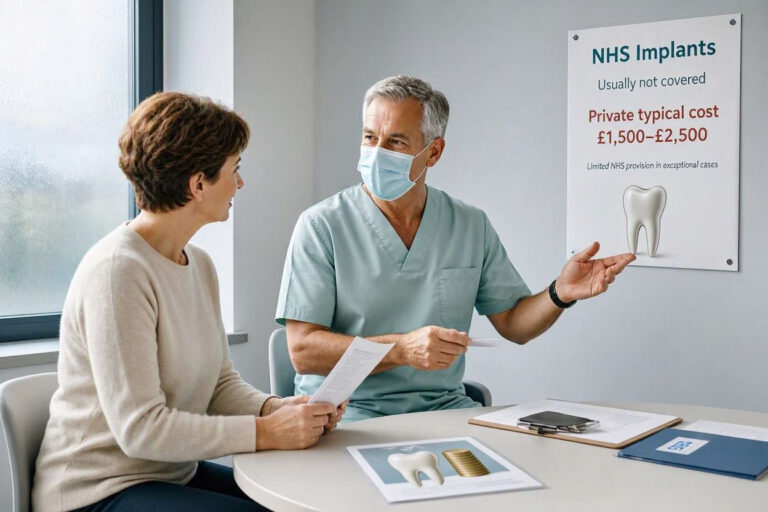
Losing a tooth feels devastating at any age. You might feel self-conscious about your smile, struggle with everyday eating, or worry about your long-term oral health. A dental implant often emerges as the gold-standard solution. It looks, feels, and functions like a natural tooth. But then comes the pressing question that brings many people to a halt: Am I too young, or am I too old, for this procedure?
The straightforward answer might surprise you. There is no universal chronological age limit for dental implants. The candidacy depends not on the candles on your birthday cake but on biological maturity and overall health. A healthy 80-year-old can enjoy remarkable success with implants, while a 15-year-old might need to wait a few years.
This article serves as your comprehensive guide through the complex landscape of age and dental implants. We will explore the science of jaw growth, the impact of systemic health conditions, and the special considerations for every life stage. You will learn why timing matters critically for teenagers, how adults can navigate the process, and what makes older adults excellent candidates despite common misconceptions. By the end, you will possess a clear, realistic understanding of where you or your loved one stands on the path to a restored smile.
Understanding Dental Implants and Their Requirements
Before diving into age-specific recommendations, you need a solid foundation in what dental implants actually are and what your body requires for the procedure to succeed. This knowledge empowers you to have informed conversations with dental professionals and make confident decisions about your care.
What is a Dental Implant?
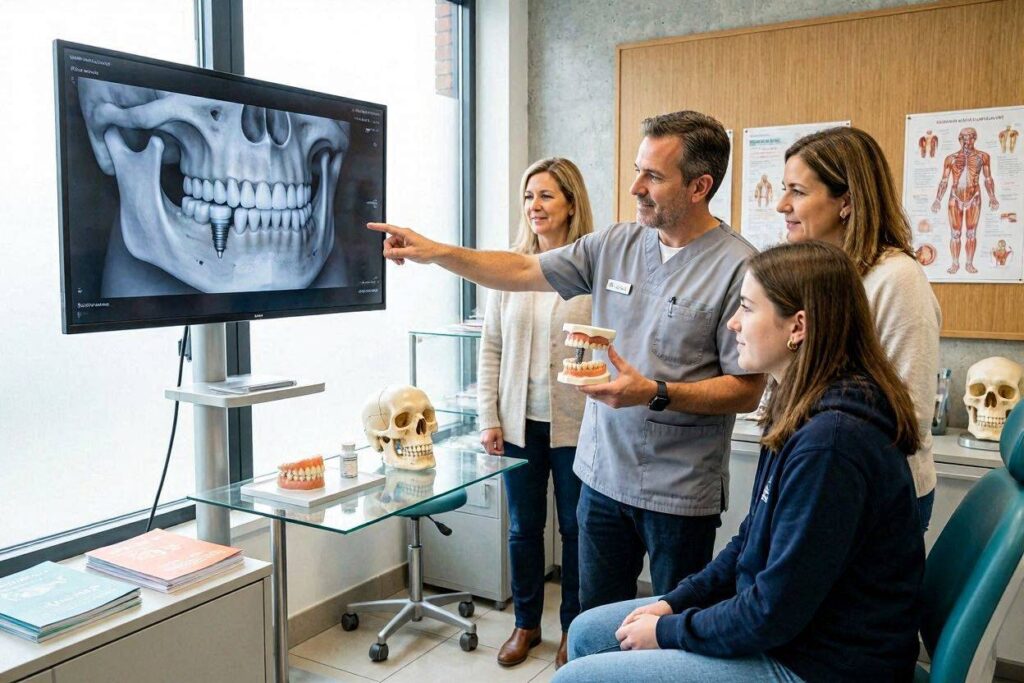
A dental implant is an artificial tooth root, typically made of biocompatible titanium, that a dental surgeon places into your jawbone. This post fuses with your natural bone through a process called osseointegration. Once this fusion completes, the implant provides a sturdy anchor for a replacement tooth, called a crown, or supports larger restorations like bridges and dentures.
Think of the implant as a three-part system. The implant fixture itself sits below your gum line, embedded in the bone. An abutment connects this fixture to the visible portion. The prosthetic crown, custom-made to match your natural teeth in shape and color, attaches to the abutment and completes the restoration. This design replicates the structure of a natural tooth more closely than any other tooth replacement option available today.
The benefits extend beyond aesthetics. An implant stimulates your jawbone during chewing, just as a natural tooth root does. This stimulation prevents the bone loss that inevitably occurs when you lose a tooth and leave the space empty. A bridge or denture cannot provide this crucial biological function. An implant also stands independently, meaning your dentist does not need to alter adjacent healthy teeth, which is necessary for traditional bridgework.
Biological Requirements for Implant Success
Your body must meet several biological prerequisites for a dental implant to succeed over the long term. Understanding these requirements helps you appreciate why age alone rarely disqualifies someone, while certain health conditions might warrant additional planning or caution.
Sufficient Bone Volume and Density stands as the most fundamental requirement. The implant needs a certain amount of healthy bone to surround and support it. Without adequate height, width, or density of bone, the surgeon cannot achieve primary stability during placement. This initial stability is critical for osseointegration to begin. Fortunately, bone grafting procedures can often rebuild deficient areas, expanding candidacy to many patients who have suffered bone loss.
Healthy Soft Tissue around the implant site matters greatly. Your gums need to be free of active periodontal disease and possess adequate attached gingiva. This firm, keratinized tissue forms a protective seal around the implant, much like the gasket on a waterproof watch. Without this seal, bacteria can penetrate to the bone level and cause peri-implantitis, an inflammatory condition that threatens implant survival.
Good Blood Supply ensures that the surgical site heals properly and that the bone can remodel and fuse with the implant surface. Conditions that compromise circulation, such as uncontrolled diabetes or heavy smoking, can impair this healing cascade. This does not mean you cannot have implants if you have these risk factors, but you and your dental team must manage them proactively.
A Healthy Immune System supports the complex biological processes of healing and ongoing defense against bacterial challenges. Patients taking immunosuppressive medications or those with autoimmune conditions require careful evaluation and coordination with their physicians.
Timing in Relation to Skeletal Maturity
This concept matters most when discussing young patients, but it deserves a clear introduction here. Skeletal maturity refers to the point at which your bones, including your jawbones, have stopped growing. Placing an implant before this milestone creates a serious problem.
A natural tooth has a periodontal ligament, a shock-absorbing layer that allows for slight movement and, crucially, allows the tooth to erupt and move as the jaw grows. An implant fuses directly to bone with no ligament. It behaves like an ankylosed tooth, fused in place. If the jaw continues to grow around a stationary implant, the implant can end up submerged, appearing too short relative to the adjacent natural teeth. This creates an aesthetic disaster and a functional challenge that often requires implant removal.
Therefore, determining that growth has definitively ceased becomes the pivotal factor for adolescents and young adults considering implant therapy. We will explore the methods for making this determination in detail later in this article.
Age Considerations for Dental Implants
Each stage of life presents unique challenges and opportunities for dental implant treatment. The way a surgeon approaches a case for a 17-year-old differs dramatically from the approach for a 70-year-old, even if the fundamental principles remain constant. Let us explore these nuances across the lifespan.
Adolescents and Jaw Growth
The adolescent years represent a period of dynamic change. The face and jaws undergo significant growth spurts, and the timing of these changes varies from person to person. For a teenager who has lost a tooth to trauma, decay, or a congenital condition, the desire for a permanent solution is completely understandable. A removable partial denture can feel like a social burden during years when self-esteem is particularly fragile. Parents often arrive at consultations eager to move forward with what they perceive as the best, most definitive option: an implant.
However, restraint during this phase often represents the highest standard of care. If a surgeon places an implant in a jaw that still has growth potential, the implant will not follow the downward and forward growth of the surrounding natural teeth and bone. The result over time is an implant that looks submerged, with a crown that appears too short. The gum line around the implant also may not match the adjacent teeth, creating a visible cosmetic flaw in the smile zone. Correcting this situation often means removing the implant, grafting bone, and starting over—a process that is far more complex and costly than simply waiting.
This does not mean adolescents must go without a tooth. Orthodontists and restorative dentists collaborate to provide excellent temporary solutions. A removable retainer with a prosthetic tooth, called an interim partial denture, maintains the space and provides acceptable aesthetics. In many cases, an orthodontist can actually close the space entirely, moving adjacent teeth into the gap and eliminating the need for an implant altogether. Alternatively, a bonded bridge can serve as a semi-permanent solution that preserves the space while protecting the abutment teeth from damage.
Assessing Skeletal Maturity
So how does a clinician determine that an adolescent has finished growing? You cannot rely solely on age. Some individuals reach skeletal maturity at 17, while others, particularly males, may continue growing into their early 20s. The dental team must use objective diagnostic tools to make this critical determination.
Cephalometric Radiographs provide a lateral view of the skull and are a standard tool in orthodontics. By taking serial cephalometric radiographs over time, a clinician can superimpose the images and detect ongoing growth. If no changes occur between two images taken at least six months apart, growth has likely ceased. This method offers a reliable, individualized assessment.
Hand-Wrist Radiographs offer another window into skeletal maturity. The bones in the hand and wrist develop and fuse in a predictable sequence that correlates with overall skeletal growth. A radiograph of the hand and wrist can reveal whether the growth plates have closed. This test is simple, low in radiation, and widely used in orthodontics to predict remaining growth potential.
Cervical Vertebra Maturation (CVM) analysis uses the shape of the vertebrae in the neck, visible on a standard lateral cephalogram, to stage skeletal maturity. The vertebrae change from wedge-shaped to rectangular to square forms, with concavities developing at specific stages. Clinicians trained in CVM analysis can accurately stage maturity without an additional radiograph.
Clinical Assessment also plays a role. The clinician looks for a cessation in the increase of standing height and asks about growth spurts. For female patients, the onset of menarche provides a rough but useful developmental marker, with growth typically continuing for about two years after this milestone.
Recommended Age for Implant Placement in Adolescents
With all the diagnostic tools available, clinicians have developed general guidelines, though individual assessment always supersedes a blanket number.
For female adolescents, growth typically completes earlier than in males. The jaw growth spurt correlates with the general growth spurt, and most females reach skeletal maturity between 16 and 18 years of age. Many clinicians will consider implant placement in female patients around 17 or 18, provided that diagnostic testing confirms growth cessation.
For male adolescents, growth continues longer, often into the early 20s. The average male reaches skeletal maturity around 18 to 21 years of age. It is not uncommon for a surgeon to advise a 19-year-old male to wait another year or two, based on cephalometric or hand-wrist evidence of ongoing growth. Patience in these cases is a true investment in a lifetime of a healthy, aesthetic restoration.
The table below summarizes general guidelines, though it cannot replace individualized assessment.
| Patient Group | Typical Age of Skeletal Maturity | Recommended Action |
|---|---|---|
| Females | 16–18 years | Evaluate with serial cephalometrics; implant possible if growth confirmed complete. |
| Males | 18–21+ years | Serial evaluation critical; often requires waiting until early 20s. |
| Patients with Growth Disorders | Variable, requires specialist management | Coordination with endocrinology and orthodontics; extreme caution required. |
Important Note: These age ranges represent population averages. The only safe and ethical method to determine implant timing in a young patient is through individual, documented cessation of jaw growth using serial radiography. Never rely on chronological age alone.
Adult Patients and Dental Implant Timing
Adulthood spans decades, and the considerations for a dental implant evolve as you move from young adulthood into middle age and beyond. The good news is that for most of this period, jaw growth is a non-issue, and the focus shifts to overall health, bone quality, and lifestyle factors.
Young Adults
Young adults who have definitively completed growth make excellent implant candidates. They typically enjoy robust general health, excellent healing capacity, and dense, vascular bone that facilitates rapid and predictable osseointegration. For a 22-year-old who lost a tooth to an accident years ago and has been waiting for skeletal maturity, this is the moment they have been anticipating.
However, some considerations are unique to this age group. Young adults often have a higher incidence of dental trauma, which can result in tooth loss with otherwise healthy bone. If a tooth has been missing since childhood, the alveolar ridge in that area may be deficient, requiring bone grafting even in a young, healthy patient. The surgeon must assess the three-dimensional bone volume carefully.
Another consideration involves the long lifespan of the restoration. A 25-year-old receiving an implant must understand that this restoration will need to function and look good for potentially 60 or 70 years. The prosthetic crown will likely need replacement several times over that period due to normal wear. The implant itself, if well-maintained, can last a lifetime, but only with meticulous oral hygiene and regular professional care. The patient must commit to this long-term maintenance from the very beginning.
Middle-Aged Adults
Middle-aged adults form the core demographic for dental implant therapy. By this stage of life, the cumulative effects of dental disease, wear, and prior treatment failures often result in tooth loss. A cracked tooth from years of bruxism, a failed root canal, or long-standing periodontal disease all lead patients to consider implants.
The healing potential in middle age remains generally excellent. Most systemic diseases that begin to appear in this age group, such as well-controlled hypertension or type 2 diabetes, do not preclude implant therapy. The key is medical optimization. A patient with diabetes must demonstrate good glycemic control, typically measured by HbA1c levels, to ensure normal healing and reduced infection risk.
This age group also frequently presents with moderate bone loss at the site of the missing tooth, especially if the extraction occurred years ago. The alveolar bone resorbs in the absence of tooth-root stimulation, a process that accelerates in the first year but continues indefinitely. Bone grafting procedures are very common in middle-aged patients and have extremely high success rates. Ridge augmentation, sinus lifts in the upper posterior jaw, and socket preservation grafting at the time of extraction all help restore the foundation for implant placement.
Patients in this age group who smoke must receive frank counseling. Smoking is one of the most significant modifiable risk factors for implant failure. It impairs blood flow, compromises the immune response, and dramatically increases the risk of peri-implantitis. Many surgeons will strongly encourage a smoking cessation program before proceeding with implant surgery.
Older Adults
Perhaps no question arises more frequently than, “Am I too old for dental implants?” The answer, based on decades of clinical research and experience, is a resounding no. Chronological age alone does not disqualify a patient. The biological age and health status matter infinitely more.
A healthy 80-year-old with good bone quality and meticulous oral hygiene can achieve implant success rates comparable to those of a healthy 30-year-old. In fact, many older adults make ideal candidates because they are retired, have the time to dedicate to the process, and are highly motivated to improve their quality of life. They understand the profound impact that a stable, functional dentition has on nutrition, social engagement, and self-esteem.
Bone quality does change with age. Older adults, particularly postmenopausal women, may experience decreased bone mineral density. Osteoporosis is common and can affect the jawbones, though not as dramatically as the spine and hips. Importantly, osteoporosis is not a contraindication for dental implants. Studies show that implant survival rates in osteoporotic patients are still very high. The surgeon must simply be aware of the bone density, possibly using a softer surgical protocol, allowing longer healing times, and choosing implant surfaces designed for compromised bone. Bisphosphonate medications, commonly used to treat osteoporosis, require special consideration due to the risk of medication-related osteonecrosis of the jaw (MRONJ). A thorough medication review is mandatory.
The advantages of implants for older adults are particularly compelling. For patients struggling with ill-fitting full dentures, implant-supported overdentures can be life-changing. Even just two implants in the lower jaw can stabilize a denture, eliminating embarrassing movement, improving chewing efficiency dramatically, and restoring confidence. For patients with multiple missing teeth, fixed implant-supported bridges eliminate the need for removable appliances entirely. These benefits translate to better nutrition, as patients can eat a wider variety of healthy foods, and improved social interaction, as they no longer worry about denture slippage.
The table below summarizes the key considerations across adult age groups.
| Adult Age Group | Key Advantages | Primary Considerations |
|---|---|---|
| Young Adults (20–35) | Excellent healing, dense bone, long life of restoration ahead. | Long-term maintenance commitment, possible congenital absence or trauma-related bone defects. |
| Middle-Aged Adults (35–65) | Good healing capacity, motivated for definitive solutions. | Management of emerging systemic conditions, smoking cessation, addressing pre-existing bone loss. |
| Older Adults (65+) | Improved quality of life, stable nutrition, high motivation. | Bone density changes, medication review (especially bisphosphonates), medical coordination. |
Factors Influencing Age Suitability for Dental Implants
You have seen that age provides a rough framework, but the real determinants of implant candidacy are the biological and behavioral factors we explore in this section. These factors can affect patients at any age, and understanding them helps you see the full picture of what makes someone a good candidate.
Bone Quality and Quantity
The health of your jawbone probably influences implant success more than any other single factor. The bone must be present in sufficient volume and must be metabolically healthy enough to heal around the implant.
After tooth loss, the alveolar bone that once supported the tooth begins to resorb. This process unfolds predictably. The width of the ridge decreases first, followed by a loss of height. In the first year after an extraction, the ridge can lose up to 50% of its width. This bone loss creates a fundamental challenge for implant placement, as the implant requires a minimum of about 1.5 to 2 millimeters of bone on all sides to ensure long-term health.
For the posterior upper jaw, the maxillary sinus presents an anatomical limitation. The sinus is an air-filled cavity that often expands downward after tooth loss, leaving only a thin floor of bone between the oral cavity and the sinus. A sinus lift, or sinus augmentation, procedure becomes necessary to add bone height in this area before or during implant placement. This is a well-established, predictable procedure that has helped countless patients who otherwise would have had to forego implants in this region.
Bone density also varies across the jaws. The anterior lower jaw typically offers dense, cortical bone, while the posterior upper jaw features softer, cancellous bone. Surgeons take these differences into account when planning surgery. In softer bone, they may use undersized drilling protocols to achieve good primary stability or select implants with surfaces specifically engineered for faster osseointegration.
Systemic Health Considerations
Your overall health directly impacts your ability to heal and maintain an implant. Most medical conditions, when well-controlled, do not prohibit implant treatment. However, they require meticulous management and often coordination between your dentist and your physician.
Diabetes Mellitus deserves special attention. Uncontrolled diabetes, evidenced by a high HbA1c, impairs wound healing, alters collagen metabolism, and increases susceptibility to infection. Patients with poorly controlled diabetes have a demonstrably higher risk of implant failure and peri-implantitis. However, patients with well-controlled diabetes, with HbA1c levels within the target range their physician sets, heal comparably to non-diabetic patients. The key is honesty and partnership with your healthcare team. You should not attempt to hide your condition or your actual control from your dentist.
Cardiovascular Conditions such as hypertension and coronary artery disease are common in older adults and generally do not prevent implant placement. The dental team needs to be aware of all medications, particularly anticoagulants and antiplatelet drugs. Management of these medications around the time of surgery requires a plan developed in consultation with the prescribing physician. Sudden cessation of anticoagulation can pose a greater risk than the dental surgery itself.
Autoimmune Diseases like rheumatoid arthritis and lupus can affect oral health and healing. Medications used to treat these conditions, especially corticosteroids and biologic agents, can suppress the immune response. Each case requires individualized assessment. Often, elective implant surgery should wait until the disease is in a quiescent phase and the patient is on the lowest effective medication dose.
Cancer Survivors who have undergone radiation therapy to the head and neck region require extreme caution. Radiation damages the blood supply to bone permanently, leading to a condition known as osteoradionecrosis if the bone is traumatized. Hyperbaric oxygen therapy before and after surgery can sometimes mitigate this risk, but implant therapy in irradiated bone remains a high-risk endeavor that only highly experienced teams should manage.
Lifestyle Factors
The choices you make daily profoundly affect your implant’s prognosis. These factors are largely within your control, making them powerful opportunities to improve your chances of success.
Smoking represents the single most significant behavioral risk factor. Smokers face a substantially higher risk of implant failure and peri-implantitis compared to non-smokers. Nicotine causes vasoconstriction, reducing the blood supply essential for healing. The chemicals in tobacco impair the function of cells involved in osseointegration and the immune response. A heavy smoker should seriously consider quitting before investing in implant therapy. Many surgeons will test a patient’s commitment by recommending a smoking cessation program and a period of abstinence before proceeding.
Alcohol Consumption in excess can also impair healing and increase the risk of complications. Moderate, occasional alcohol use is not generally a problem, but heavy, daily drinking can affect bone metabolism and oral hygiene habits.
Oral Hygiene practices are the best predictor of long-term implant success. A patient who is unwilling or unable to clean thoroughly around an implant will eventually develop peri-implant mucositis, an inflammation of the soft tissue that is reversible with improved hygiene. If this progresses to peri-implantitis, bone loss around the implant begins. This condition is much harder to treat and can lead to implant loss. You must commit to meticulous daily cleaning, including the use of interdental brushes, water flossers, or other tools to clean the implant surfaces.
Oral Health Status
Your current oral condition sets the stage for implant success. Active dental disease anywhere in the mouth serves as a reservoir of bacteria that can threaten a new implant. Before placing an implant, a comprehensive dental evaluation must identify and address all existing problems.
Periodontal Disease must be treated and stabilized. Chronic inflammation from gum disease contributes to the systemic inflammatory burden and directly threatens the tissues around a new implant. Patients with a history of periodontitis have a higher risk of peri-implantitis. A rigorous course of periodontal therapy, followed by a stable period of health and ongoing maintenance, should precede implant placement.
Active Decay requires treatment before elective implant surgery. Large cavities, abscessed teeth, and failing root canals should all be managed. A mouth free of active infection provides the cleanest possible environment for surgical healing.
Occlusal Considerations also matter. The forces from chewing and possibly from clenching or grinding must be carefully analyzed. An implant that is overloaded with excessive force can fail. Patients with bruxism may need an occlusal guard to protect both their natural teeth and their implant restorations. The dental team must design the implant and its crown to withstand and distribute the forces that the patient generates.
Special Considerations in Pediatric and Adolescent Patients
Earlier we discussed the general principle of waiting for skeletal maturity. However, certain clinical situations force the dental team to think more creatively and to plan for the long term in a highly coordinated fashion. Pediatric and adolescent patients present with unique challenges that demand a multidisciplinary approach.
Congenital Tooth Absence (Hypodontia)
Hypodontia, the developmental absence of one or more teeth, affects a significant portion of the population. The most commonly missing teeth are the wisdom teeth, followed by the maxillary lateral incisors and the mandibular second premolars. When a child lacks multiple permanent teeth, a carefully orchestrated treatment plan spanning many years becomes essential.
The discovery often happens during a routine panoramic radiograph at the dentist or orthodontist’s office. For a 12-year-old who is congenitally missing maxillary lateral incisors, the immediate concern is not placing implants but managing the space and the psychosocial impact of the missing teeth. The question becomes: Should we open or maintain the space for a future implant, or should we close the space by moving the canine teeth into the lateral incisor positions?
This decision involves a thorough analysis of the patient’s facial profile, the shape and color of the canine teeth, and the overall orthodontic plan. If the canines are favorably shaped and can be moved into the lateral positions and reshaped to mimic incisors, space closure can provide an excellent, natural result without any prosthetic replacement. This approach avoids implant surgery entirely.
If the team decides to maintain or open the space for an implant, the orthodontist creates the necessary room. The patient then wears a removable retainer with a prosthetic tooth throughout the remainder of growth. Once skeletal maturity is confirmed, the implant placement can proceed. In the meantime, the patient must protect the alveolar bone in the edentulous site. Long-term absence of a tooth root often leads to atrophy of the ridge, making later implant placement more challenging. Some clinicians advocate for socket preservation procedures, placing bone graft material at the time of primary tooth extraction, to maintain bone volume for the future implant.
Trauma-Induced Tooth Loss
Children and adolescents are active, and accidents happen. A fall from a bicycle, a collision during sports, or any facial trauma can result in the avulsion or fracture of a permanent incisor. The emotional distress for both the child and the parents is acute. The immediate priority is to manage the acute injury and to attempt to save the natural tooth if possible.
If replantation of an avulsed tooth is successful, the tooth may serve for many years, but ankylosis and resorption are common long-term complications. If the tooth cannot be saved or fails later, the patient, now a young adolescent, faces the same dilemma of timing.
In these cases, the treating team must manage the space and provide an aesthetic temporary restoration. Modern adhesive dentistry offers outstanding options. A fiber-reinforced composite bridge, where a prosthetic tooth is bonded to the backs of the adjacent teeth, provides a metal-free, conservative, and highly aesthetic interim solution. This bridge can last for years and requires no preparation of the abutment teeth. When the patient finally reaches skeletal maturity, the composite bridge can be removed, and the implant can be placed without any damage to the adjacent teeth.
Orthodontic and Growth Planning
The period of waiting for skeletal maturity should not be a time of passivity. It is a window of opportunity for comprehensive orthodontic care that sets the stage for an ideal implant result. The orthodontist plays a pivotal role in the success of eventual implant therapy.
Orthodontic treatment creates the ideal space for the missing tooth. The clinician must calculate the necessary mesiodistal width, matching the contralateral tooth if present, or based on aesthetic proportions. Simply opening any amount of space is not sufficient. The space must be dimensionally correct, and the roots of the adjacent teeth must be parallel, providing a clear path for implant placement without impinging on the roots of the neighboring teeth.
Orthodontics also addresses more complex issues like arch relationships and skeletal discrepancies. A young patient with a significant overjet or deep bite may need growth modification or comprehensive braces not just to align teeth but to create a functional and stable environment for implant restorations. Unresolved bite problems can lead to destructive forces on implant crowns later in life.
The collaboration between orthodontist, oral surgeon, and restorative dentist defines the standard of care. The team should meet, review the case, and agree on a written treatment plan with clear staging. The patient and parents should understand the timeline, the roles of each provider, and the long-term commitment they are making. This coordinated care, though it takes years, results in outcomes that are truly stable, aesthetic, and functional for a lifetime.
Early vs. Delayed Implant Placement
When an adult loses a tooth, a new timing question emerges: How soon should the implant be placed? This decision involves balancing the benefits of early intervention against the advantages of allowing the site to heal. The choice between immediate, early, and delayed placement depends on the condition of the socket, the presence of infection, and the patient’s overall health.
Immediate Placement
Immediate implant placement involves inserting the implant into the extraction socket on the same day the tooth is removed. This approach appeals to patients and clinicians who want to minimize the number of surgical procedures and shorten the overall treatment time. It also has the potential to preserve the bony architecture and the soft tissue contours, as the implant occupies the socket and supports the surrounding bone and gum tissue.
However, strict criteria govern when immediate placement is advisable. The socket must be intact, with all four bony walls present and without fractures. There must be no active infection or purulent exudate at the root apex. Adequate bone must exist beyond the socket apex to achieve primary stability of the implant. If these conditions are not met, the risk of failure increases significantly.
Even when placed immediately, the implant may not be ready for immediate loading with a tooth. A provisional crown can sometimes be placed for aesthetics, but it must be out of occlusion so that the patient does not bite on it during the osseointegration phase. The surgeon and restorative dentist make this decision based on the stability at placement, measured by insertion torque.
Delayed Placement
Delayed placement is the traditional protocol and remains the standard for many situations. The tooth is extracted, and the socket is allowed to heal for a period, typically three to six months, before implant surgery. This waiting period allows the soft tissue to close over the site and the bone to fill in the socket naturally.
Delayed placement is essential when infection is present. If a tooth has a chronic abscess or a large periapical lesion, placing an implant immediately into a contaminated site invites failure. The body needs time to clear the infection and for healthy, vascular bone to regenerate. A thorough debridement of the socket at the time of extraction is critical.
Delayed placement is also preferred when the available bone is marginal. Allowing the socket to heal can sometimes increase the bone quality and quantity, making implant placement more predictable. In cases requiring significant bone grafting, the grafting is often performed at the time of extraction, and implant placement occurs six to nine months later, after the graft has matured and integrated.
Risk-Benefit Analysis
The decision matrix must consider the specific clinical findings. The table below outlines the indications and considerations for each timing protocol.
| Timing Protocol | Best Indications | Key Advantages | Primary Risks/Considerations |
|---|---|---|---|
| Immediate Placement | Intact socket, no infection, good primary stability achievable. | Single surgery, preserves soft and hard tissue contours, reduced treatment time. | Higher technical demand, risk of failure if stability is poor, not suitable with active infection. |
| Early Placement (4–8 weeks post-extraction) | Soft tissue healing desired, mild soft tissue defects. | Allows soft tissue closure while minimizing bone resorption, good compromise position. | Still requires careful case selection, some bone resorption already underway. |
| Delayed Placement (3–6+ months post-extraction) | Prior infection, need for extensive bone grafting, compromised host. | Time for infection resolution, mature bone formation at site, most predictable in complex cases. | Longer overall treatment time, more pronounced ridge resorption, potential need for additional grafting. |
Important Note: Regardless of the timing, the goal is always to place the implant in a prosthetically ideal position, surrounded by healthy bone and soft tissue. The surgical timeline should never compromise this goal.
Monitoring and Maintenance Across Ages
The completion of the implant restoration is not the end of the journey. It marks the beginning of a lifelong commitment to maintenance. The long-term survival of dental implants depends far more on what happens after the crowns are delivered than on the initial surgery itself. This holds true for patients of every age.
Long-Term Follow-Up
A structured recall program is essential. For most patients, professional maintenance visits every six months are appropriate. During these visits, the dental hygienist and dentist perform specific tasks that the patient cannot do at home.
The assessment of peri-implant tissues involves gentle probing with specialized instruments. Unlike around natural teeth, probing around implants requires a light touch, usually with plastic or titanium-coated probes, to avoid damaging the delicate soft tissue seal. Bleeding on probing and increasing probing depths are warning signs of peri-implant disease. The clinician also checks for suppuration, a sign of active infection that demands immediate intervention.
The clinician assesses the restoration itself for integrity. The crown’s occlusion is checked, as even minor changes in the bite can overload an implant. Abutment screws are inspected for torque. Porcelain chips or cracks are identified and addressed before they lead to larger restorative failures.
Radiographic follow-up forms the cornerstone of long-term surveillance. A baseline periapical radiograph, taken at the time of crown delivery, serves as the reference for all future comparisons. The critical parameter to monitor is the bone level around the implant. A stable, healthy implant should show minimal bone loss over many years, typically less than 0.2 millimeters per year after the first year of function. Any progressive, radiolucent defect around the implant indicates bone loss that requires investigation and treatment.
Oral Hygiene Education
The patient’s home care routine must be tailored to the specific implant restoration. A single implant crown requires different cleaning techniques than a full-arch implant-supported bridge. The dental team must provide clear, personalized instruction and reinforce it at every visit.
For single implants, the interface between the crown and the gum is the critical zone. Dental floss, used carefully, can clean this area. Many patients find that floss threaders or specialized implant floss, which has a stiff end and a fuzzy middle section, make the task easier. Interdental brushes of the correct size can access the embrasure spaces. Water flossers with non-metal tips provide an excellent adjunct for flushing debris from around implants, especially for larger restorations.
For implant-supported overdentures, the patient must remove the appliance daily and clean the abutments or bar thoroughly. Soft brushes and non-abrasive cleansers remove plaque without scratching the metal components. The tissue side of the denture also requires daily cleaning. The patient should not sleep with the denture in place, giving the oral tissues a chance to rest and recover.
Patients of advanced age or those with dexterity challenges may need adapted tools. Electric toothbrushes with small brush heads can reach posterior areas more easily. Enlarged handles on interdental brushes help arthritic hands. Caregivers for elderly or disabled patients must receive training in proper implant hygiene. With the right support, patients of any age can maintain excellent implant health.
Periodic Radiographic Assessment
Radiographs are indispensable for detecting problems that remain invisible to the naked eye. A periapical radiograph, taken with a paralleling technique for accuracy and reproducibility, provides a detailed image of the implant-bone interface.
The frequency of radiographic assessment depends on the patient’s risk profile. A low-risk, periodontally healthy, non-smoking patient might need a follow-up radiograph every two to three years after establishing a stable baseline. A high-risk patient, such as a smoker or someone with a history of periodontitis, needs annual or even more frequent radiographs.
When comparing a current radiograph to the baseline, the clinician looks for several things. Marginal bone loss that exceeds normal remodeling is a hallmark of peri-implantitis. A saucer-shaped radiolucency around the implant neck, especially if asymmetric or progressive, signals a problem. Changes in the bone density around the implant body may also indicate occlusal overload or infection. Early detection through radiographic monitoring allows for early intervention, which is far more likely to succeed than trying to salvage an implant with advanced bone loss.
Conclusion
Dental implants represent a transformative solution for tooth loss, but age profoundly shapes the timing and approach. For adolescents, the key is patience, waiting for definitive proof of skeletal maturity to avoid lifelong complications. For adults, biological health, not chronological years, determines candidacy, with excellent outcomes possible from young adulthood into advanced age. Across a lifetime, long-term success hinges on meticulous planning, skilled surgical and restorative care, and an unwavering commitment to oral hygiene and professional maintenance.
FAQ
Is there a maximum age for getting dental implants?
No, there is no upper age limit. A healthy 85-year-old with good bone and controlled medical conditions can successfully receive and maintain dental implants. The focus is always on biological age and overall health status, not chronological years.
Can a 15-year-old get a dental implant for a missing front tooth?
Almost certainly not. A 15-year-old is still growing, and the jawbones are not yet skeletally mature. Placing an implant too early can cause it to appear submerged as the jaw continues to grow. A temporary, removable or bonded solution is provided until growth is confirmed to be complete, typically around 17-18 for females and often later for males.
How does osteoporosis affect dental implant candidacy?
Osteoporosis is not a contraindication. Implant success rates in osteoporotic patients are still very high. The surgeon adjusts the surgical protocol and healing timeline as needed. The critical factor is a thorough medication review, especially for bisphosphonates, which carry a risk of jaw bone complications.
Why do teenagers have to wait for skeletal maturity for implants?
A dental implant fuses directly to bone and cannot move, unlike a natural tooth that has a periodontal ligament allowing it to erupt with jaw growth. If the jaw continues to grow, the fixed implant becomes submerged relative to the adjacent teeth, creating a severe aesthetic and functional problem.
Can smoking really affect my dental implant?
Yes, significantly. Smoking impairs blood flow and healing, dramatically increasing the risk of implant failure and the devastating condition of peri-implantitis. Quitting smoking is one of the most powerful steps you can take to protect your investment and your health.
Additional Resource
For a deeper understanding of dental implant surgery and healing, visit the American Association of Oral and Maxillofacial Surgeons (AAOMS) patient information page: AAOMS Dental Implant Information
Disclaimer: This article is for informational purposes only and does not constitute medical or dental advice. Every individual case is unique. You must consult with a qualified dental professional for an examination, diagnosis, and personalized treatment plan tailored to your specific health needs and circumstances. The information provided here is general in nature and should not replace professional clinical judgment.