When Is a Dental Implant Necessary
A missing tooth changes more than just a smile. It alters how you eat, how you speak, and even how you feel about yourself in daily interactions. Dental implants have transformed restorative dentistry, offering a solution that closely mimics natural teeth. Yet a crucial question persists for many people: when is a dental implant actually necessary? This decision involves a careful assessment of oral health, bone structure, lifestyle factors, and long-term goals. It is not a choice to make lightly, and understanding the precise indicators helps you navigate the conversation with your dentist confidently. This guide walks you through every realistic scenario, from single tooth loss to full arch restoration, explaining the boundaries between elective and essential treatment. By the end, you will have a clear, grounded understanding of whether this procedure aligns with your needs.
Understanding What a Dental Implant Truly Is
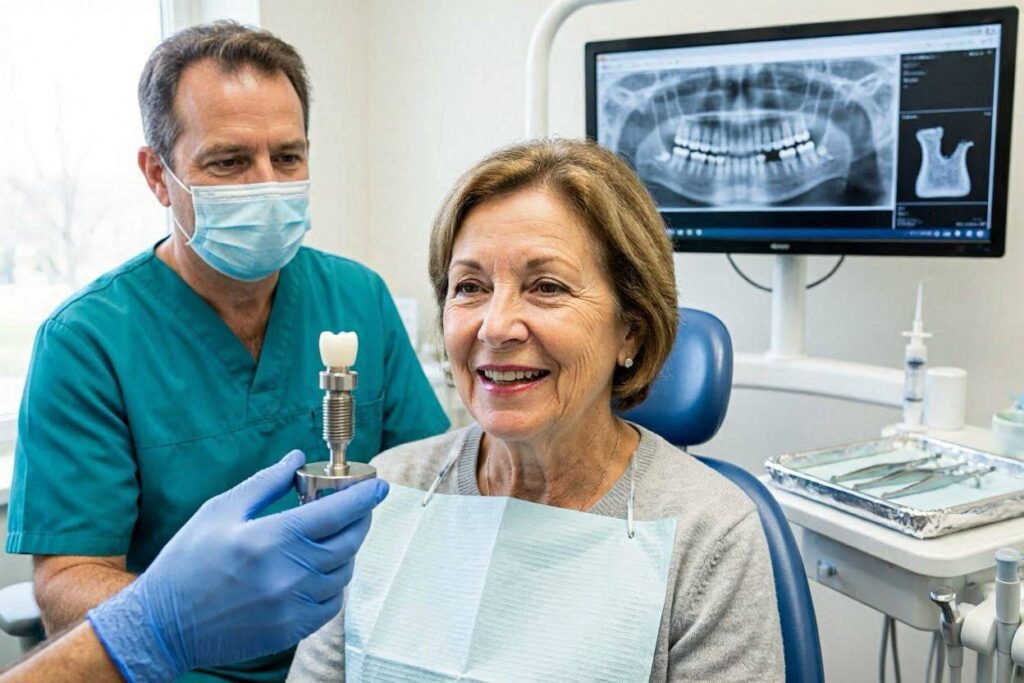
A dental implant is an artificial tooth root, typically crafted from biocompatible titanium, surgically placed into the jawbone. Over several months, the bone fuses with the implant surface through a process called osseointegration. This creates a stable foundation for a crown, bridge, or denture. Unlike removable prosthetics, an implant becomes a permanent part of the oral anatomy. The design replicates the natural structure of a tooth, with the implant itself acting as the root, an abutment connecting the root to the visible portion, and a custom-made prosthetic tooth completing the restoration. This structural mimicry is what sets implants apart from every other tooth replacement option available today.
The materials used in modern implants have an exceptional track record of safety and durability. Titanium remains the gold standard because bone cells readily attach to it without triggering an immune response. Zirconia implants offer a metal-free alternative for patients with specific sensitivities or aesthetic concerns. Both materials resist corrosion and withstand the substantial forces generated during chewing. Understanding this basic architecture helps demystify why an implant might be recommended over simpler solutions. The implant does not just fill a gap; it restores the entire tooth system from root to crown, preserving the health of surrounding tissues in ways that surface-level replacements cannot.
The Core Principle: Why Replacing a Tooth Matters
Nature abhors a vacuum, and the human body follows this rule precisely. When a tooth disappears, the surrounding structures begin a cascade of changes. The adjacent teeth drift into the empty space, tilting and rotating in ways that disrupt the bite alignment. The opposing tooth, with nothing to chew against, may begin to over-erupt, searching for contact that no longer exists. These movements happen gradually, often painlessly, until significant damage has occurred. The consequences extend beyond misalignment. Altered chewing patterns place unusual stress on remaining teeth, potentially leading to fractures, excessive wear, or temporomandibular joint disorders.
Bone loss represents the most invisible yet consequential effect of tooth loss. The jawbone requires constant stimulation from tooth roots to maintain its density and volume. When a tooth is extracted and not replaced with an implant, the bone in that area begins to resorb. Over the first year alone, up to 25% of the bone width can disappear. This progressive loss continues indefinitely, eventually affecting facial contours and creating a sunken appearance around the mouth. Dentures and bridges do not address this underlying bone deterioration because they sit on top of the gum or rely on adjacent teeth for support. Only an implant provides the internal stimulation necessary to preserve bone volume long-term, making the decision to choose an implant as much about structural preservation as it is about aesthetics.
The Clear-Cut Scenario: Single Tooth Loss with Healthy Adjacent Teeth
A single missing tooth surrounded by perfectly healthy neighbors represents the strongest indication for a dental implant. In this scenario, traditional alternatives require sacrificing healthy tooth structure. A fixed bridge demands that the dentist grind down the enamel of the two adjacent teeth to serve as anchors. This irreversible modification weakens otherwise sound teeth and increases their vulnerability to decay and root canal complications down the road. The bridge also creates hygiene challenges, as flossing underneath the pontic requires special threaders and meticulous technique. Many patients struggle to maintain this area properly, leading to recurrent decay at the margins of the supporting crowns.
An implant eliminates these compromises entirely. The titanium post occupies only the space of the missing root, leaving neighboring teeth completely untouched. This conservative approach preserves maximum natural tooth structure, aligning with the fundamental principle of minimally invasive dentistry. The implant also functions independently, so forces during chewing distribute naturally without overloading adjacent teeth. For a young or middle-aged adult with a single missing premolar or molar and excellent oral hygiene, an implant is not merely one option among many. Dentists widely consider it the standard of care, the treatment that most closely restores the original anatomy and prevents future complications. Delaying this decision often leads to drifting teeth and bone loss that complicate implant placement later, potentially requiring additional grafting procedures.
When the Tooth Is Failing But Not Yet Missing
A tooth does not always need to be absent for an implant to enter the conversation. Severely compromised teeth present a crossroads where extraction and implant placement may offer better long-term value than heroic salvage attempts. Teeth with vertical root fractures, for instance, cannot heal. Bacteria infiltrate the fracture line, and no amount of endodontic treatment seals this pathway. Similarly, teeth with extensive decay that extends deep below the gum line or into the furcation area of molars often have a hopeless prognosis. The remaining tooth structure is insufficient to support a reliable restoration, and attempting to build up such a tooth with posts and cores frequently results in eventual failure.
In these cases, an implant becomes necessary not as a replacement for a missing tooth, but as a proactive strategy to avoid years of escalating treatments and costs. The decision involves honest conversations about predictability. A root canal followed by a post, core, and crown on a structurally compromised tooth might last three to five years before failing, at which point significant bone loss may have occurred. Placing an implant immediately after extraction, sometimes during the same visit, preserves the existing bone and sets the stage for a restoration that routinely exceeds 95% ten-year survival rates. This approach requires a shift in thinking from “saving the tooth at all costs” to “investing in the most durable and predictable long-term solution.” Experienced dentists guide patients through this calculus, weighing the immediate effort and expense against the likelihood of retreatment.
Extensive Tooth Loss and the Limits of Partial Dentures
When multiple teeth are missing in the same arch, the conversation shifts from individual tooth replacement to comprehensive oral rehabilitation. Partial dentures have served as the conventional solution for generations, but their limitations become increasingly apparent as the number of missing teeth grows. Removable partial dentures rely on metal clasps that hook onto remaining teeth. These clasps create plaque-trapping zones that dramatically increase the risk of decay and gum disease on the very teeth they depend on for retention. Patients often report discomfort, compromised taste sensation due to acrylic coverage of the palate, and gradual loosening as the underlying bone continues to resorb.
For a patient missing three or more adjacent teeth, implant-supported bridges offer a transformative alternative. Instead of clasping onto natural teeth, the bridge anchors securely to strategically placed implants. This eliminates the damaging forces that removable appliances exert on remaining dentition. The fixed nature of the restoration restores chewing function to near-natural levels, allowing patients to eat foods they had long abandoned. Apples, nuts, and steak become possible again. Perhaps more importantly, the implants continue to stimulate the jawbone, halting the progressive bone loss that accelerates with each passing year of wearing a partial denture. The necessity of implants in this scenario stems from the desire to break the cycle of bone resorption and preserve the remaining natural teeth rather than watching them slowly deteriorate under the burden of supporting a removable prosthesis.
The Psychological Dimension of Extensive Tooth Loss
Function and aesthetics dominate clinical discussions, but the psychological impact of extensive tooth loss deserves equal attention. Multiple missing teeth, especially in visible areas, profoundly affect self-esteem and social behavior. People begin to smile with lips pressed tightly together. They avoid photographs. They decline dinner invitations out of anxiety over what they can manage to eat without embarrassment. Over time, these avoidant behaviors shrink a person’s social world, contributing to isolation and diminished quality of life. Dentists observe this pattern repeatedly in patients who have lived with removable prosthetics for years.
Implant-supported restorations address this psychological burden directly. The security of teeth that do not move, click, or fall out during conversation restores a sense of normalcy that removable appliances rarely provide. Patients describe a freedom they had forgotten, laughing openly without reflexive hand-over-mouth gestures. The necessity of implants in this context extends beyond masticatory function into the realm of mental well-being. When tooth loss undermines a person’s willingness to engage fully in life, the intervention transcends cosmetic improvement and enters the territory of essential healthcare. Recognizing this human dimension helps patients and clinicians alike frame the decision in terms of whole-person health rather than isolated dental mechanics.
The Journey Through Full Arch Restoration
Complete tooth loss in one or both jaws represents a life-altering condition. Conventional complete dentures, while widely used, impose significant compromises. The lower denture notoriously lacks stability, held in place only by gravity and the patient’s ability to balance it with tongue and cheek muscles. Eating becomes an exercise in managing a floating appliance rather than enjoying food. The upper denture covers the palate, dulling taste perception and triggering gag reflexes in many wearers. Over time, relentless bone resorption shrinks the ridges that once supported the denture, causing it to become progressively looser, requiring repeated relines and eventually new fabrications.
Implant-supported full arch restorations fundamentally change this equation. By strategically placing four to six implants in the jaw, a dentist can anchor a full arch prosthesis securely. The implants provide stability that even the most skillfully crafted conventional denture cannot approach. This stability translates into dramatically improved chewing efficiency, allowing patients to consume a varied, nutritious diet that supports overall health. The implants also transmit loading forces to the bone, substantially slowing the resorption process that inevitably follows complete tooth loss. For a patient facing the prospect of decades of life with unreliable dentures, implants represent a necessary investment in functional independence and nutritional adequacy.
Deciding Between Removable and Fixed Implant Prostheses
Full arch implant treatment branches into two primary paths: removable overdentures and fixed hybrid prostheses. Understanding the distinction helps patients align their choice with their priorities. A removable overdenture snaps onto a bar or locator attachments on the implants. The patient can take it out for cleaning but enjoys vastly improved retention compared to a conventional denture. This option often requires fewer implants and a lower financial investment. It suits patients who value easy hygiene access and those with significant bone loss that limits implant placement options.
A fixed hybrid prosthesis, sometimes called an All-on-4 or similar designation, screws directly onto the implants and remains in place permanently, removed only by a dentist for maintenance. This restoration most closely mimics the sensation of natural teeth. There is no palate coverage, no movement, and no need for overnight soaking. The fixed option demands meticulous hygiene with specialized tools like water flossers and proxy brushes. It generally involves a higher initial cost but offers a level of psychological comfort and functional performance that many patients describe as life-changing. The necessity of one approach over the other depends on bone volume, budget, and the patient’s willingness to perform daily maintenance. Honest discussions with the restoring dentist clarify which path offers the best balance of benefit and practicality.
Factors Influencing Full Arch Implant Decisions
- The quality and quantity of remaining jawbone, assessed through cone beam CT imaging
- The patient’s medical history, particularly conditions affecting healing like uncontrolled diabetes
- Smoking status, which significantly impacts implant success rates and healing timelines
- The patient’s manual dexterity and commitment to daily hygiene protocols
- Financial resources and insurance coverage for implant procedures
- Geographic availability of experienced surgical and restorative teams
- The patient’s aesthetic expectations and the skill of the laboratory fabricating the prosthesis
- Previous denture experience and the psychological importance of fixed versus removable teeth
Immediate Implant Placement: When Timing Becomes Critical
The traditional approach to implants involves extracting a tooth, waiting months for the socket to heal, and then placing the implant in a separate surgical procedure. Immediate implant placement follows a different timeline, positioning the implant into the fresh extraction socket at the same visit as the tooth removal. This protocol requires careful case selection. The extraction must be atraumatic, preserving the bony walls of the socket without fractures or excessive damage. There must be no active infection at the root apex, as bacteria compromise the initial healing environment. The bony anatomy must allow the implant to achieve primary stability, meaning it feels tight and immobile at placement despite being in a fresh socket.
When these conditions align, immediate placement offers compelling advantages. The total treatment time shortens considerably. The patient avoids a second surgery and the associated recovery period. Most critically, placing the implant immediately appears to help preserve the bundle bone, the thin layer of bone lining the socket that rapidly resorbs after extraction. Preserving this bone maintains more natural soft tissue contours, contributing to superior aesthetic outcomes in the anterior region. The necessity of immediate placement arises most often in the aesthetic zone, where even minor bone loss after extraction creates visible defects that require complex grafting to correct later. Acting quickly, within days of the decision to extract, can make the difference between a straightforward implant restoration and a protracted multi-stage reconstruction.
The Role of Temporary Prosthetics During Healing
Immediate implant placement often pairs with immediate provisionalization, where the dentist attaches a temporary crown or bridge to the implant at the time of surgery. This approach, sometimes called “teeth in a day,” addresses the understandable anxiety about leaving the dental office with a visible gap. The temporary restoration stays slightly out of occlusal contact with opposing teeth, protecting the implant from chewing forces during the critical osseointegration period. It serves as a sculpting tool, shaping the gum tissue into an ideal emergence profile that the final crown will later replicate.
This protocol demands precise surgical execution and disciplined patient compliance. The patient must adhere to a soft diet and avoid any biting on the provisional tooth. The temporary crown must be contoured perfectly to support, not compress, the surrounding tissues. Done well, immediate provisionalization delivers outstanding aesthetic results and eliminates the need for a removable interim appliance like a flipper. The necessity of this approach rests heavily on the location of the missing tooth. A front tooth loss creates a social and professional urgency that makes immediate temporization far more important than it would be for a second molar, where a gap goes unnoticed. Dentists weigh these social factors alongside the clinical parameters when recommending a timeline.
Bone Grafting and the Necessity of Foundational Procedures
Insufficient bone volume remains the most common obstacle to implant placement. Years of denture wear, periodontal disease, or simply the passage of time after extraction deplete the bony foundation required to stabilize an implant. Bone grafting procedures rebuild this foundation, creating a site capable of supporting an implant of adequate dimensions. The necessity of grafting becomes apparent during the diagnostic imaging phase, when cone beam CT scans reveal insufficient bone height or width. Without grafting, placing an implant in deficient bone risks encroachment on critical anatomical structures—the inferior alveolar nerve in the lower jaw or the maxillary sinus in the upper jaw—or results in a thin-walled implant site prone to early failure.
Several grafting techniques address different anatomical deficiencies. Socket preservation grafts placed at the time of extraction fill the empty socket with particulate bone material, reducing the resorption that naturally follows tooth removal. Ridge augmentation grafts rebuild width deficiencies using block grafts harvested from the patient’s own jaw or processed donor bone. Sinus lift procedures elevate the sinus membrane and pack graft material beneath it, creating vertical height for implants in the posterior upper jaw. Each of these procedures adds time and cost to the overall treatment, but they transform anatomically challenging sites into viable implant locations. The necessity of grafting is not optional when bone is insufficient; attempting implant placement without adequate bone invites complications that are far more difficult and expensive to manage than performing the graft properly in the first place.
Understanding Bone Graft Materials
| Graft Material | Source | Advantages | Limitations | Typical Integration Time |
|---|---|---|---|---|
| Autograft | Patient’s own bone (often chin, ramus, or hip) | Gold standard; contains living cells and growth factors; no immune rejection | Requires second surgical site; potential donor site morbidity | 3-4 months |
| Allograft | Processed human donor bone (tissue bank) | Avoids second surgical site; abundant supply; well-documented safety | No living cells; slower incorporation; theoretical (extremely low) disease transmission risk | 4-6 months |
| Xenograft | Bovine or porcine bone, processed to remove organic components | Excellent scaffold for bone growth; very slow resorption maintains volume long-term | No human growth factors; slower remodeling; some patients have ethical/religious concerns | 6-9 months |
| Alloplast | Synthetic materials like hydroxyapatite or beta-tricalcium phosphate | Unlimited supply; no disease transmission risk; consistent properties | Variable resorption rates; some materials resorb too quickly or too slowly | 4-8 months |
Medical Conditions That Influence Implant Necessity and Timing
A patient’s overall health profile plays a decisive role in determining whether, when, and how implants should be placed. Uncontrolled diabetes mellitus impairs wound healing and increases infection risk, directly threatening implant osseointegration. Patients with hemoglobin A1c levels above 7-8% face significantly higher failure rates. The necessity of implants in this population does not disappear, but the timing shifts. First priority goes to achieving glycemic control, after which implant treatment can proceed with careful monitoring and possibly extended healing periods. The implant dentist and the patient’s primary care physician or endocrinologist must communicate to optimize conditions before surgery.
Medications also influence treatment planning. Bisphosphonates, commonly prescribed for osteoporosis, and related antiresorptive drugs carry a risk of medication-related osteonecrosis of the jaw (MRONJ). This serious condition causes exposed, non-healing bone after even minor oral surgical procedures. Patients on intravenous bisphosphonates for cancer treatment face the highest risk, and elective implant surgery may be contraindicated. Those on oral bisphosphonates for osteoporosis require careful counseling, drug holiday consideration in consultation with their prescribing physician, and meticulous atraumatic surgical technique. The necessity of implants must be weighed against this small but real risk, with extensive informed consent discussions documented thoroughly.
Autoimmune Conditions and Healing Considerations
Autoimmune diseases such as rheumatoid arthritis, lupus, and Sjögren’s syndrome introduce additional complexity. These conditions and their treatments, particularly immunosuppressive medications and corticosteroids, can compromise healing and alter the oral environment. Sjögren’s syndrome, which reduces salivary flow, accelerates tooth decay and increases the risk of peri-implant infections due to the loss of saliva’s protective antimicrobial and buffering properties. The necessity of implants for patients with these conditions is not ruled out, but it requires a more conservative approach. Extended healing times, more frequent maintenance visits, and meticulous attention to oral hygiene become non-negotiable elements of the treatment plan.
Periodontal Disease: Treating Infection Before Placing Implants
Active periodontal disease creates a hostile environment for implants. The same bacteria that destroy the bone and gum attachment around natural teeth will attack the tissues surrounding an implant. Peri-implantitis, the inflammatory condition affecting implant-supporting tissues, shares pathogenic mechanisms with periodontitis. Placing an implant in a mouth with untreated gum disease is like building a house on a foundation riddled with termites—the underlying problem must be eliminated first. The necessity of periodontal treatment before implant placement is absolute. Periodontal therapy, including deep cleanings, possible surgical interventions, and establishment of excellent home care, must bring the disease under control.
Equally important is the patient’s demonstrated ability to maintain periodontal health after treatment. A history of tooth loss due to periodontitis signals a susceptibility that will not disappear simply because implants replace natural teeth. Patients who lost teeth to gum disease must understand that implants require the same rigorous hygiene as natural teeth, if not more. Regular periodontal maintenance visits every three to four months become a lifelong commitment. The decision to proceed with implants for a patient with a history of periodontitis involves an honest assessment of whether the factors that led to the original tooth loss—hygiene habits, smoking, genetic susceptibility, infrequent dental visits—have been adequately addressed.
“The most successful implant is placed in a mouth that is periodontally healthy, meticulously maintained, and monitored regularly. The implant itself is not a cure for the disease that caused the original tooth loss; it is a replacement that demands equal vigilance.” — A guiding principle taught in periodontal and implant residency programs worldwide.
Smoking and Implant Success: A Frank Conversation
Tobacco use represents one of the most significant modifiable risk factors for implant failure. The vasoconstrictive effects of nicotine reduce blood flow to the oral tissues, depriving the healing implant site of oxygen and nutrients. Smokers experience higher rates of early implant failure during the osseointegration phase. Long-term, the compromised tissue quality around implants in smokers increases susceptibility to peri-implantitis, with studies consistently showing higher rates of marginal bone loss and probing depths compared to non-smokers. The necessity of smoking cessation before implant treatment cannot be overstated.
Many implant dentists establish strict protocols regarding smoking. Some refuse to place implants in active smokers altogether, while others require a smoking cessation period of several weeks before and after surgery. The conversation is direct but compassionate: the investment in implant treatment is substantial, and smoking significantly reduces the probability of long-term success. Patients who cannot or will not quit must understand that they accept a higher risk of complications. This is not a moral judgment but a biological reality rooted in decades of clinical research. Vaping, often perceived as a safer alternative, introduces its own concerns due to the effects of nicotine and other chemicals on oral tissues, and the data on its impact on implant outcomes remains limited.
The Relationship Between Age and Implant Necessity
Age alone does not contraindicate dental implants. Successful osseointegration occurs in healthy octogenarians and nonagenarians with regularity. The critical factors are overall health status, bone quality, and the ability to maintain oral hygiene, rather than the number of birthdays celebrated. Older adults stand to benefit enormously from implant treatment, as stable teeth or implant-supported prostheses directly support nutritional intake. The inability to chew properly often leads to dietary compromises—softer, more processed foods lower in fiber and protein—that negatively impact overall health in the elderly. In this context, restoring chewing function with implants supports nutritional status and quality of life in measurable ways.
For younger patients, the calculus differs. Adolescents and young adults whose jawbones have not finished growing should not receive implants in most cases. Placing an implant in a growing jaw creates a tooth that remains fixed while adjacent natural teeth continue to erupt, leading to a progressively misaligned bite and an implant that appears to sink below the gum line over time. Definitive implant placement generally waits until skeletal maturity, confirmed by radiographic evaluation of growth plates. In the interim, a temporary removable appliance or a bonded bridge maintains the space and aesthetics. The necessity of waiting for growth completion is not a matter of clinical preference but of biological inevitability.
Dental Implants Versus Fixed Bridges: A Decision Framework
| Comparison Factor | Dental Implant | Three-Unit Fixed Bridge |
|---|---|---|
| Impact on adjacent teeth | None; adjacent teeth remain intact | Adjacent teeth must be reduced for crowns; irreversible enamel removal |
| Bone preservation | Stimulates bone, prevents resorption | No bone stimulation; bone loss continues under pontic |
| Longevity | 95%+ 10-year survival; potential to last a lifetime with maintenance | Average lifespan 10-15 years; replacement requires new bridge |
| Hygiene access | Floss like a natural tooth | Requires special floss threaders; more difficult to clean |
| Initial cost | Higher single-tooth cost | Lower initial cost per tooth replaced |
| Lifetime cost | Often lower due to longevity and avoidance of retreatments | Potentially higher when considering replacements and treatment of decayed abutment teeth |
| Procedure timeline | Several months with healing phases | Completed in 2-3 weeks |
| Reversibility | Implant removal is possible but complex | Bridge removal is destructive; teeth are permanently altered |
| Aesthetic potential | Excellent; individual crown mimics natural emergence | Good; but pontic area may show tissue changes over time |
Dental Implants Versus Removable Partial Dentures
Removable partial dentures serve a purpose, particularly as interim solutions or for patients who cannot undergo surgical procedures. Their advantages include low initial cost, no surgery, quick fabrication, and easy modification if additional teeth are lost. For a patient with financial constraints or medical contraindications to surgery, a well-made partial denture restores acceptable function and aesthetics. However, the long-term consequences of partial denture wear demand honest acknowledgment. The clasps that retain the appliance transmit damaging lateral forces to abutment teeth. The acrylic base covering gingival tissues promotes plaque accumulation and contributes to inflammation and caries.
Patients who have worn partial dentures for years often present with decayed or periodontally compromised abutment teeth, necessitating conversion to more extensive restorations. This pattern makes a compelling case for considering implants earlier in the tooth loss trajectory. The implant option, while initially more expensive and surgically involved, stabilizes the oral environment rather than introducing new stresses. It does not accelerate the loss of remaining teeth. For a patient with a well-maintained dentition who loses a single tooth, the decision to place an implant rather than fabricate a partial denture is a decision to protect the remaining natural teeth from the iatrogenic damage that removable appliances can cause over time.
Key Questions to Ask Before Choosing a Partial Denture
- Will the clasps on my remaining teeth increase their risk of decay or fracture?
- How will the acrylic coverage affect my taste and comfort?
- What is the expected lifespan of this appliance, and what happens as my jawbone continues to shrink?
- How often will the denture need relining or replacement?
- Am I prepared for the adjustment period of learning to speak and eat with a removable appliance?
- What are the long-term consequences for the teeth serving as anchors?
- If those anchor teeth eventually fail, will my options become more limited and expensive?
All-on-4 and Alternative Full Arch Concepts
The All-on-4 treatment concept has captured public attention for good reason. By tilting the posterior implants to avoid anatomical limitations and maximize bone contact, this technique often eliminates the need for bone grafting in jaws that would otherwise require augmentation. Four implants support a full arch of teeth, typically delivered on the day of surgery. The efficiency of this approach reduces treatment time and cost compared to traditional methods requiring six or more implants and staged grafting. For patients with significant bone loss who were previously told they did not qualify for fixed implant teeth, the All-on-4 concept opened a door that had seemed permanently closed.
However, the necessity of this specific protocol over alternatives depends on careful case evaluation. Some patients have sufficient bone for straight implants and do not require tilted placement. Others may benefit from additional implants for load distribution, particularly in the maxilla where bone is less dense. The Zygoma implant technique, anchoring into the cheekbone rather than the maxilla, addresses extreme maxillary atrophy that even tilted implants cannot overcome. The necessity of choosing one concept over another rests on three-dimensional imaging analysis, the surgeon’s experience with various techniques, and the patient’s tolerance for grafting procedures. Marketing should not drive this decision; anatomy and proven biomechanical principles should.
Understanding the Financial Investment and Necessity
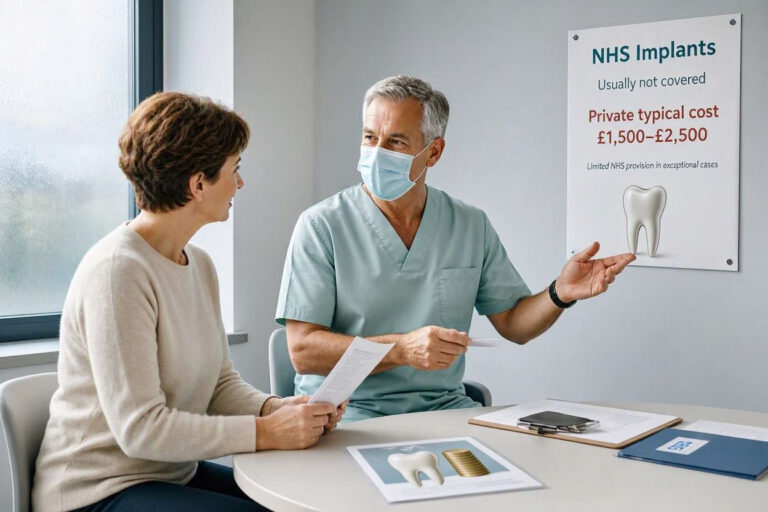
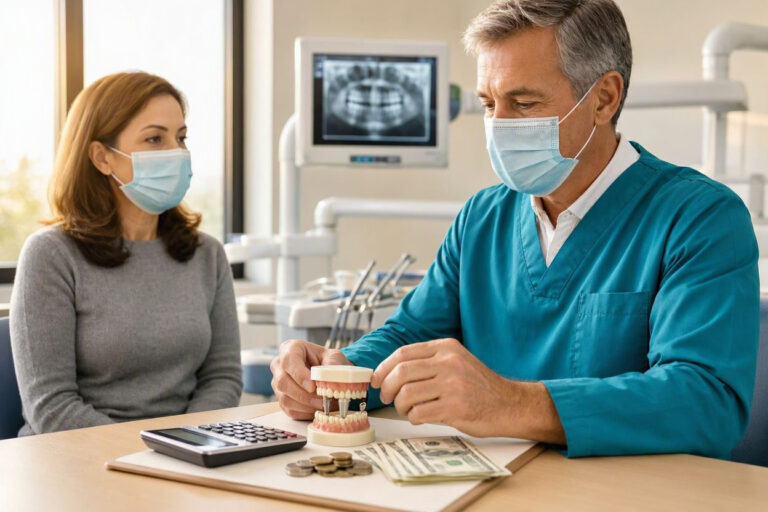
Dental implant treatment requires a significant financial commitment, and the relationship between cost and necessity deserves honest exploration. Implants are rarely the only option for tooth replacement. Bridges and dentures exist and function adequately for many people. The necessity argument for implants rests on the value of preserving bone, protecting adjacent teeth, and achieving a level of function and comfort that removable alternatives cannot match. This is a medical necessity in the sense that it prevents future harm, rather than an emergency necessity in the way that treating an abscess or a fracture would be.
Insurance coverage for implants continues to evolve. Some plans now offer benefits for implant-supported restorations, though coverage often falls short of the total cost. Flexible spending accounts, health savings accounts, and third-party financing programs like CareCredit help bridge the gap. Dental schools offer reduced fees for treatment performed by residents under faculty supervision, providing a lower-cost pathway for patients with budget constraints and time flexibility. The financial conversation should include not just the initial outlay but the projected lifetime costs of alternative treatments with their replacement cycles and the potential for damage to remaining teeth. When viewed through this long-term lens, implants often emerge as the most economical choice over decades, even if they require the largest upfront investment.
Cost Comparison Over Time: Implants Versus Alternatives
A single implant may cost three to five times more than a three-unit bridge initially. However, the bridge carries a predictable replacement timeline. If the bridge lasts 12 years and the patient lives another 36 years, the bridge will be replaced twice, potentially incurring additional costs for treating decayed abutment teeth discovered during replacement. The implant, maintained properly, may serve for the patient’s entire lifetime without additional surgical intervention beyond routine maintenance. The math shifts further when factoring in the cost of treating complications that bridges and partial dentures can cause to adjacent and opposing teeth. This long-range perspective transforms the implant from an expensive luxury into a prudent investment in oral stability.
The Emotional Necessity: Restoring Confidence and Identity
The psychological dimension of tooth loss receives insufficient attention in clinical literature but dominates patients’ lived experience. Anterior tooth loss, in particular, strikes at identity. The smile is central to human interaction, a universal signal of warmth, welcome, and engagement. When someone loses a front tooth, they lose a piece of how they present themselves to the world. The necessity of an implant in this context extends beyond structural replacement into the realm of psychological restoration. Patients describe avoiding social situations, feeling diminished at work, and experiencing romantic hesitation due to embarrassment about their smile.
Implants restore something that bridges and dentures cannot fully replicate: the sensation of a real tooth emerging from the gum. There is no acrylic flange, no metal showing at the gum line, no subtle movement when speaking. The implant crown appears, feels, and functions like the natural tooth it replaced. For a patient whose self-image has been eroded by tooth loss, this restoration of normalcy is profoundly therapeutic. Dentists witness the transformation in posture, in the willingness to smile freely, in the tears of relief when the final crown is seated. This emotional necessity, while harder to quantify than bone density or bite force, often proves to be the most compelling reason patients choose implants and describe the investment as worth every penny.
When a Dental Implant Is NOT Necessary: Recognizing the Boundaries
Responsible dentistry recognizes that implants are not universally indicated. Teeth with a favorable prognosis should be saved. A small cavity, a crack confined to the enamel, or a root canal that has failed once but remains treatable—these situations call for conservative restoration, not extraction and implant placement. The trend toward extracting “problem teeth” and placing implants can, in the wrong hands, become overly aggressive. A good dentist advocates for saving natural tooth structure whenever reasonably possible, reserving implants for teeth that cannot be reliably restored.
Similarly, patients with unrealistic expectations require careful counseling, not automatic acceptance. An implant will not feel exactly like a natural tooth, as it lacks a periodontal ligament and therefore lacks the subtle proprioceptive feedback that natural teeth provide. The aesthetic result depends on tissue quality, bone contours, and laboratory artistry—it is not a magical recreation of what nature originally provided. Patients who smoke heavily, refuse to address uncontrolled diabetes, or demonstrate an inability to maintain basic oral hygiene are poor candidates, and ethical dentists will decline to provide implant treatment under these circumstances. Recognizing when NOT to place an implant is as important a professional skill as knowing how to place one.
Technology’s Role in Determining Necessity and Planning
Cone beam computed tomography (CBCT) has revolutionized implant treatment planning. This three-dimensional imaging modality reveals anatomical structures with remarkable precision, allowing the dentist to measure bone dimensions, locate nerves and sinuses, and assess bone density before making a single incision. The necessity of CBCT imaging for implant planning, particularly in complex cases, is widely accepted. The information it provides transforms implant placement from an exploratory surgery into a precisely planned procedure with predictable outcomes.
Digital implant planning software takes this a step further, allowing virtual placement of implants within the three-dimensional reconstruction of the patient’s anatomy. The dentist can evaluate different implant sizes, angles, and positions, selecting the optimal configuration for prosthetic success. This virtual planning can be transferred to the surgical field through guided surgery protocols, where a custom-fabricated stent directs the implant drill to the exact planned position. For cases involving multiple implants, immediate loading, or proximity to critical structures, guided surgery enhances safety and precision. The technology does not replace surgical judgment but augments it, providing information that reduces complications and improves the probability of a successful outcome.
The Maintenance Imperative: Necessity Extends Beyond Placement
The placement of an implant and delivery of the final restoration is not the end of the journey. Long-term success depends absolutely on maintenance. Peri-implant tissues require the same meticulous care as the tissues around natural teeth. Plaque accumulation around an implant incites an inflammatory response that, if unchecked, progresses to peri-implantitis, a condition characterized by progressive bone loss that threatens implant survival. Unlike gingivitis around natural teeth, which remains superficial, peri-implant inflammation can quickly access the bone due to the absence of the dense connective tissue attachment that natural teeth possess.
Professional maintenance visits at intervals determined by the patient’s risk profile are non-negotiable. The dentist or hygienist uses specialized instruments that do not scratch the implant surface, probing gently to detect early signs of inflammation, and evaluating the integrity of the restoration. Home care requires commitment to cleaning around the implant with appropriate tools—interdental brushes, water flossers, or specialized floss depending on the restoration type. The patient who receives implants must understand that the surgical investment demands a lifelong maintenance commitment. This necessity of ongoing care should factor heavily into the initial decision to proceed with implant treatment.
“An implant is not a ‘set it and forget it’ solution. It is a long-term partnership between the patient, the dentist, and the hygienist to protect the investment and maintain oral health. Success is measured in decades, not months, and it requires active participation from everyone involved.” — A reflection on implant maintenance from a prosthodontist with three decades of implant experience.
Choosing Your Implant Team: A Critical Decision
The technical demands of implant dentistry are substantial. Surgical placement requires a thorough understanding of anatomy, bone biology, and surgical technique. The restorative phase demands knowledge of occlusion, materials science, and aesthetic principles. Many dentists pursue advanced training in implantology through university-based residencies, hospital programs, or rigorous continuing education pathways. Board certification from organizations like the American Board of Oral Implantology/Implant Dentistry signifies a commitment to a high standard of knowledge and clinical competence.
The decision of who places and restores your implants matters enormously. Some cases benefit from a team approach, with a surgical specialist—an oral surgeon or periodontist—placing the implant and a restorative dentist designing and delivering the crown. Other cases are well-served by a single dentist who performs both phases. The complexity of the case guides this decision. Full arch restorations, cases requiring extensive grafting, and situations involving anatomical challenges are best managed by experienced surgical specialists. The patient should feel empowered to ask about the clinician’s training, experience with similar cases, and complication rates. This is not intrusive questioning; it is responsible due diligence for a significant medical investment.
Conclusion
Determining when a dental implant is necessary involves balancing biological principles, functional demands, and personal priorities. Implants become the clear choice when a single tooth is missing among healthy neighbors, when teeth are hopelessly compromised beyond reliable repair, and when extensive tooth loss threatens the remaining dentition and quality of life. They are necessary when bone preservation matters, when the alternative involves sacrificing healthy tooth structure, and when removable prosthetics fail to meet nutritional and psychological needs. Equally important is recognizing when implants are not indicated: when teeth can be saved, when medical conditions create unacceptable risk, and when a patient cannot commit to the maintenance that long-term success demands. The decision is deeply personal, grounded in honest clinical assessment and clear communication between patient and dentist. With proper planning, skilled execution, and committed maintenance, dental implants offer a transformative restoration that can last a lifetime.
Frequently Asked Questions
How long does the entire dental implant process take from start to finish?
The timeline varies based on the individual case. A straightforward single implant with adequate bone typically requires about 4-6 months from placement to final crown delivery. Cases requiring bone grafting may extend to 8-12 months, allowing the graft to heal before implant placement. Immediate implant protocols with same-day temporary crowns shorten the visible waiting period, though full osseointegration still requires several months before the final crown is fabricated.
Does getting a dental implant hurt?
The surgical placement of an implant is performed under local anesthesia and should be painless during the procedure. Post-operative discomfort is typically mild to moderate, manageable with over-the-counter pain relievers, and resolves within a few days. Most patients compare the recovery to a tooth extraction experience.
Can dental implants fail?
Yes, although failure rates in healthy patients with good oral hygiene are low, typically under 5% over ten years. Early failures occur during the healing phase and are often related to infection, micromotion, or compromised healing. Late failures result from peri-implantitis, occlusal overload, or systemic health changes. Regular maintenance visits are essential for early detection of problems.
Am I too old for dental implants?
Age alone is not a contraindication. Healthy patients in their 80s and 90s successfully receive and enjoy implants. The critical factors are overall medical stability, adequate bone, and the ability to maintain oral hygiene. Many older adults find implants life-changing for nutrition and quality of life.
Will my dental insurance cover implants?
Coverage varies widely. Some plans offer a benefit for implants, often at a percentage similar to other major procedures, while others exclude them entirely or impose waiting periods. Medical insurance may cover aspects of treatment when tooth loss results from an accident or medical condition. A thorough benefits check before treatment is essential for financial planning.
How do I clean and maintain my dental implant?
Implants require daily brushing and interdental cleaning, similar to natural teeth. Depending on the restoration type, you may use specialized floss, interdental brushes, or water flossers. Professional maintenance visits every 3-6 months allow the dentist to monitor tissue health, remove any buildup with implant-safe instruments, and assess the integrity of the restoration. Consistent home care and professional recall are the foundations of long-term implant success.
Additional Resource:
For further authoritative information on dental implants, visit the American Academy of Implant Dentistry patient education page:
https://www.aaid.com/patient_education/
Disclaimer:
This article provides general educational information about dental implants and does not constitute medical or dental advice. Every clinical situation is unique. Treatment decisions should be made in consultation with a qualified dental professional who has performed a complete examination and reviewed your individual medical and dental history. The author and publisher disclaim any liability for decisions made based on the content of this article.