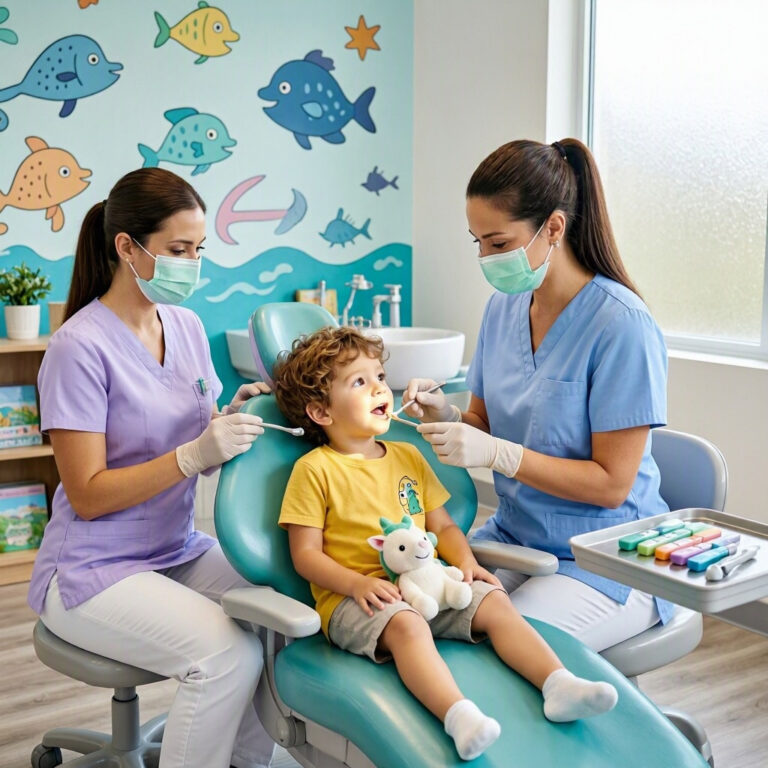
How To Cover The Cost Of A Child’S Dental Surgery?
Finding out that your child needs dental surgery can be stressful. As a parent, you want to do everything you can to keep your child healthy and pain-free. But dental surgery can be expensive, and many families worry about how they will pay for it.
The good news is that there are many ways to cover the cost of a child’s dental surgery. From insurance and government programs to payment plans and charitable organizations, help is available. The key is to know where to look and how to ask for it.
This guide will walk you through the options. We will explain what pediatric dental surgery is, why it might be needed, how much it costs, and most importantly, how to cover the expense. By the end, you should feel more confident about finding a way to get your child the care they need.

What Is Pediatric Dental Surgery?
Pediatric dental surgery is any surgical procedure performed on a child’s teeth, gums, or jaw. It is usually done by a pediatric dentist or an oral surgeon who specializes in treating children.
Common pediatric dental surgeries include:
- Tooth extractions (including wisdom teeth)
- Frenectomy (for tongue-tie or lip-tie)
- Dental implants (rare in children, but sometimes needed)
- Cleft lip and palate repair
- Jaw surgery for bite problems
- Treatment of dental abscesses
- Removal of cysts or tumors
Some of these procedures are minor and can be done in a dental office. Others are more complex and may require a hospital setting. The cost varies widely depending on the procedure and where it is performed.
Why Might A Child Need Dental Surgery?
There are many reasons why a child might need dental surgery. Some of the most common include:
1. Severe Tooth Decay
If a cavity is too deep to be treated with a filling or root canal, the tooth may need to be extracted. Severe decay can also lead to infection, which may require surgical drainage.
2. Impacted Teeth
Wisdom teeth or other teeth may become impacted, meaning they cannot erupt properly. This can cause pain, infection, and damage to other teeth. Surgical removal is often necessary.
3. Orthodontic Problems
Some bite problems cannot be corrected with braces alone. Jaw surgery may be needed to reposition the jaw.
4. Congenital Conditions
Conditions like cleft lip and palate require surgical repair. These surgeries are usually performed in infancy or early childhood.
5. Trauma
If a child suffers a dental injury, such as a knocked-out or broken tooth, surgery may be needed to repair the damage.
6. Infections
Dental infections can spread quickly in children. If an abscess forms, surgical drainage may be required.
7. Tongue-Tie Or Lip-Tie
A frenectomy is a minor surgical procedure that releases a tight frenulum (the tissue that connects the tongue or lip to the mouth). This can improve feeding, speech, and oral hygiene.
The Average Cost Of Child Dental Surgery
The cost of pediatric dental surgery varies widely depending on the procedure, the child’s age, the complexity of the case, and where you live.
Here are average costs in the United States:
| Procedure | Average Cost (USD) |
|---|---|
| Simple extraction (baby tooth) | $75 – $250 |
| Surgical extraction (baby tooth) | $150 – $400 |
| Wisdom tooth extraction (per tooth) | $200 – $600 |
| Frenectomy (tongue-tie/lip-tie) | $300 – $800 |
| Dental implant (per tooth) | $1,500 – $5,000 |
| Cleft lip repair | $5,000 – $20,000 |
| Cleft palate repair | $10,000 – $30,000 |
| Jaw surgery | $20,000 – $50,000+ |
| Abscess drainage | $200 – $600 |
| Hospital fees (if needed) | $1,000 – $10,000+ |
These prices are for the procedure itself. They do not include anesthesia, hospital fees, or follow-up visits. The total cost can be much higher.
If your child needs surgery in a hospital, the costs can add up quickly. Hospital fees, anesthesia, and specialist fees can push the total into the tens of thousands of dollars.
What Affects The Cost Of Child Dental Surgery?
Several factors influence the final price.
1. Type Of Procedure
Minor procedures like simple extractions are relatively affordable. Complex surgeries like cleft palate repair or jaw surgery are much more expensive.
2. Anesthesia
Many pediatric dental surgeries require general anesthesia. This adds to the cost. Anesthesia fees can range from $500 to $3,000 or more.
3. Location
The cost of surgery varies by city and state. A procedure in New York City will cost more than the same procedure in a small town.
4. Hospital Vs. Office
Surgery performed in a hospital is more expensive than surgery performed in a dental office. Hospital fees include operating room costs, nursing care, and other expenses.
5. Specialist Fees
A pediatric dentist, oral surgeon, or plastic surgeon will charge different fees. Specialists with more experience and training typically charge more.
6. Complexity Of The Case
Simple cases cost less. Complex cases that require multiple procedures or a longer recovery time cost more.
7. Insurance Coverage
If you have insurance, your out-of-pocket cost may be much lower. If you do not, you pay the full fee.
8. Additional Procedures
X-rays, medications, follow-up visits, and other services add to the overall bill.
Comparative Table: Cost Of Common Pediatric Dental Surgeries
| Procedure | Average Cost (USD) | Typical Age Range |
|---|---|---|
| Baby tooth extraction | $75 – $400 | 1 – 12 years |
| Wisdom tooth extraction | $200 – $600 per tooth | 15 – 25 years |
| Frenectomy | $300 – $800 | Newborn – 12 years |
| Cleft lip repair | $5,000 – $20,000 | 3 – 6 months |
| Cleft palate repair | $10,000 – $30,000 | 9 – 18 months |
| Jaw surgery | $20,000 – $50,000+ | 14 – 25 years |
| Dental implant | $1,500 – $5,000 per tooth | Rare under 18 |
Does Insurance Cover Child Dental Surgery?
Dental insurance often covers a portion of pediatric dental surgery, especially if it is medically necessary. However, coverage varies.
Here is what you need to know:
- Medical necessity: If the surgery is needed to treat an infection, trauma, or congenital condition, insurance is more likely to cover it.
- Cosmetic purposes: If the surgery is for cosmetic reasons, insurance is less likely to cover it.
- Annual maximum: Most dental plans have an annual maximum, such as $1,000 or $2,000. Once you reach that limit, you pay the full cost.
- Deductible: You may need to pay a deductible before insurance kicks in.
- In-network providers: You may get better coverage if you see a provider in your insurance network.
- Pre-authorization: Some surgeries require pre-authorization. Ask your dentist to submit a pre-treatment estimate to your insurance company.
If you have medical insurance, it may cover some dental surgeries, especially those related to congenital conditions or trauma. Check with your medical insurance provider as well.
Medicaid And CHIP: Government Help For Children
If you are a low-income family, your child may qualify for Medicaid or the Children’s Health Insurance Program (CHIP). Both programs provide health coverage for children, including dental care.
Medicaid
Medicaid covers dental services for children under the Early and Periodic Screening, Diagnostic, and Treatment (EPSDT) benefit. This includes medically necessary dental surgery. Coverage varies by state, but most states cover:
- Exams and cleanings
- Fillings and crowns
- Root canals
- Extractions
- Medically necessary orthodontics
- Some oral surgeries
If your child is on Medicaid, you may pay nothing or a small copay for dental surgery.
CHIP
CHIP provides health coverage to children in families that earn too much to qualify for Medicaid but cannot afford private insurance. In many states, CHIP covers dental care, including surgery. Check with your state’s CHIP program for details.
How To Apply
To apply for Medicaid or CHIP, visit your state’s Medicaid website or healthcare.gov. You can also call your state’s health department for help.
How To Cover The Cost Of Child Dental Surgery
If insurance does not cover the full cost, or if you do not have insurance, there are still ways to get help. Here are the most effective options.
1. Payment Plans
Many dental offices and hospitals offer payment plans. You pay a down payment and then monthly installments. Some plans are interest-free. Ask the billing department about your options.
2. Dental Schools
Dental schools often offer pediatric dental surgery at reduced costs. Students perform the work under the supervision of experienced faculty. Treatment takes longer, but you can save a lot.
3. Charitable Organizations
Several nonprofits help children access dental care. Examples include:
- Smile Train: Provides cleft lip and palate surgery for children in developing countries.
- Operation Smile: Provides free cleft lip and palate surgery worldwide.
- Dental Lifeline Network: Provides dental care for people with disabilities, the elderly, and the medically fragile.
- Give Kids A Smile: Provides free dental care to children from low-income families.
- Local dental societies: Many state and local dental associations have programs for children in need.
4. Crowdfunding
Websites like GoFundMe and YouCaring allow you to raise money for medical expenses. Many families have successfully funded their child’s dental surgery through crowdfunding. Be sure to share your story widely and provide updates.
5. Negotiate With The Provider
If you are paying out of pocket, ask the provider for a discount. Many offices offer discounts for cash payments or for paying in full upfront. It never hurts to ask.
6. Health Savings Accounts (HSAs) And Flexible Spending Accounts (FSAs)
If you have an HSA or FSA through your employer, you can use pre-tax dollars to pay for dental surgery. This can save you 20% to 30% depending on your tax bracket.
7. Government Programs
In addition to Medicaid and CHIP, some states have programs that help families pay for medical expenses. Check with your state’s health department.
8. Hospital Financial Assistance
If the surgery is performed in a hospital, ask about financial assistance programs. Many hospitals offer charity care or sliding-scale fees based on income.
9. Community Health Centers
Federally Qualified Health Centers (FQHCs) provide dental care on a sliding scale based on income. Some offer surgical services or can refer you to affordable providers.
10. Family And Friends
Sometimes family and friends are willing to help. Do not be afraid to ask for support.
Step-By-Step: How To Get Help Paying For Your Child’s Dental Surgery
Here is a practical plan to follow.
Step 1: Get A Diagnosis And Treatment Plan
Take your child to a dentist or doctor. Get a written diagnosis and treatment plan, including the estimated cost.
Step 2: Check Your Insurance
Call your dental and medical insurance companies. Ask what is covered and what you will owe. Get pre-authorization if required.
Step 3: Apply For Medicaid Or CHIP
If you are uninsured or underinsured, apply for Medicaid or CHIP. This can take time, so start early.
Step 4: Ask About Payment Plans
Talk to the dental office or hospital about payment plans. Ask about interest-free options.
Step 5: Research Charitable Organizations
Look for nonprofits that help children with dental needs. Apply for assistance.
Step 6: Consider Crowdfunding
If you still need help, start a crowdfunding campaign. Share your story on social media and with local news outlets.
Step 7: Negotiate And Ask For Discounts
Ask the provider for a discount. Many are willing to work with families in need.
Step 8: Use An HSA Or FSA
If you have one, use it to pay for expenses with pre-tax dollars.
Step 9: Follow Up
Keep track of your applications and follow up regularly. Do not give up.
Quotations From Dental Professionals
“No child should have to suffer because their family cannot afford dental surgery. There are many resources available. Parents just need to know where to look.”
— Dr. Maria Santos, Pediatric Dentist
“I always tell parents to start the process early. Insurance approvals and applications for assistance can take time. The sooner you start, the sooner your child can get treatment.”
— Dr. James Carter, Oral Surgeon
“Charitable organizations and dental schools are lifesavers for families in need. Do not be embarrassed to ask for help. That is what they are there for.”
— Dr. Emily Nguyen, Pediatric Dentist
Important Notes For Readers
- Costs in this article are estimates. Always confirm fees with your dental provider.
- Do not delay treatment. Dental problems can get worse and more expensive to treat.
- If your child is in pain or has swelling, seek emergency care immediately.
- Medicaid and CHIP are available for eligible families. Apply early.
- Charitable organizations can help, but they may have waiting lists. Apply as soon as possible.
- If you are considering crowdfunding, be transparent and provide updates.
- Ask about hospital financial assistance programs. Many hospitals offer help.
- Keep all receipts and documentation for tax purposes.
FAQ
1. How much does child dental surgery cost?
Costs range from $75 for a simple extraction to $50,000 or more for complex jaw surgery.
2. Does insurance cover child dental surgery?
Often, yes, if it is medically necessary. Check with your dental and medical insurance providers.
3. What if I do not have insurance?
Apply for Medicaid or CHIP. Look into dental schools, charitable organizations, and payment plans.
4. Can I use my HSA or FSA for my child’s dental surgery?
Yes. You can use pre-tax dollars from an HSA or FSA to pay for qualified dental expenses.
5. Are there charities that help with dental surgery for children?
Yes. Smile Train, Operation Smile, Dental Lifeline Network, and Give Kids A Smile are examples.
6. How do I apply for Medicaid or CHIP?
Visit your state’s Medicaid website or healthcare.gov. You can also call your state health department.
7. What if my child needs surgery urgently?
Go to a hospital emergency room. They can provide emergency care and help you find resources.
8. Can I negotiate the cost of my child’s dental surgery?
Yes. Ask for a discount for cash payment or a payment plan. Many providers are willing to work with families.
9. How long does it take to get financial assistance?
It varies. Medicaid and CHIP applications can take weeks. Charitable organizations may have waiting lists. Start early.
10. What if my child’s surgery is denied by insurance?
You can appeal the decision. Ask your dentist for help with the appeal. Provide additional documentation if needed.
Additional Resource
For more information on children’s dental health and financial assistance, visit the American Academy of Pediatric Dentistry:
https://www.aapd.org
Conclusion
Child dental surgery can be expensive, but help is available. Insurance, Medicaid, CHIP, payment plans, dental schools, and charitable organizations can all reduce the cost. The key is to start early, ask questions, and explore every option. With persistence and the right resources, you can get your child the care they need without financial ruin.