How Much Does A Student Dentist Cost?
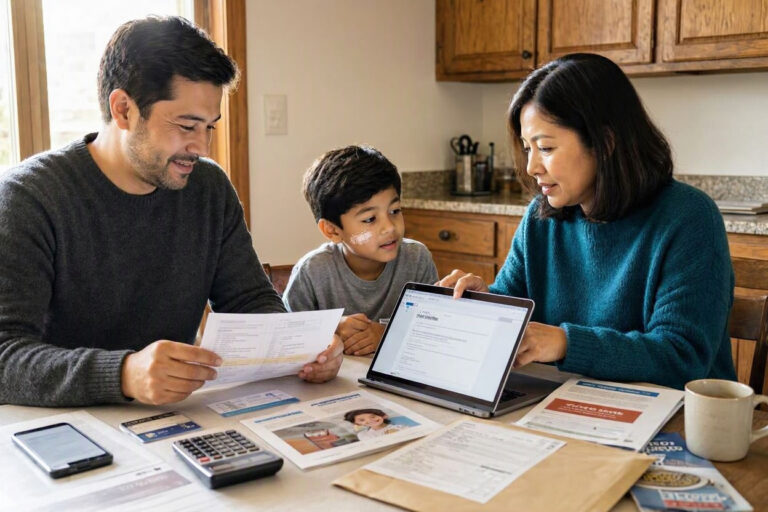
Dental care can be expensive. For many people, the cost of a cleaning, filling, or crown is a real barrier to getting the treatment they need. That is why dental schools exist. At a dental school, you can receive high-quality care at a fraction of the price you would pay at a private clinic. The catch? The work is done by students, not licensed dentists.
If you have ever wondered how much a student dentist costs, you are not alone. Many people are curious about this option but unsure what to expect. Is it safe? Is it worth the savings? How much can you actually save?
This guide will answer those questions. We will look at the costs of treatment at dental schools, explain how the process works, compare prices with private clinics, and share tips for getting the best experience. By the end, you should have a clear picture of whether a student dentist is right for you.
What Is A Student Dentist?
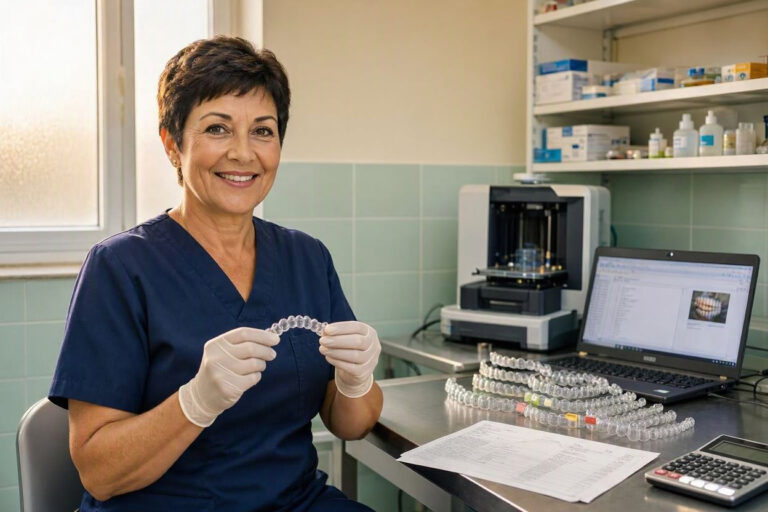
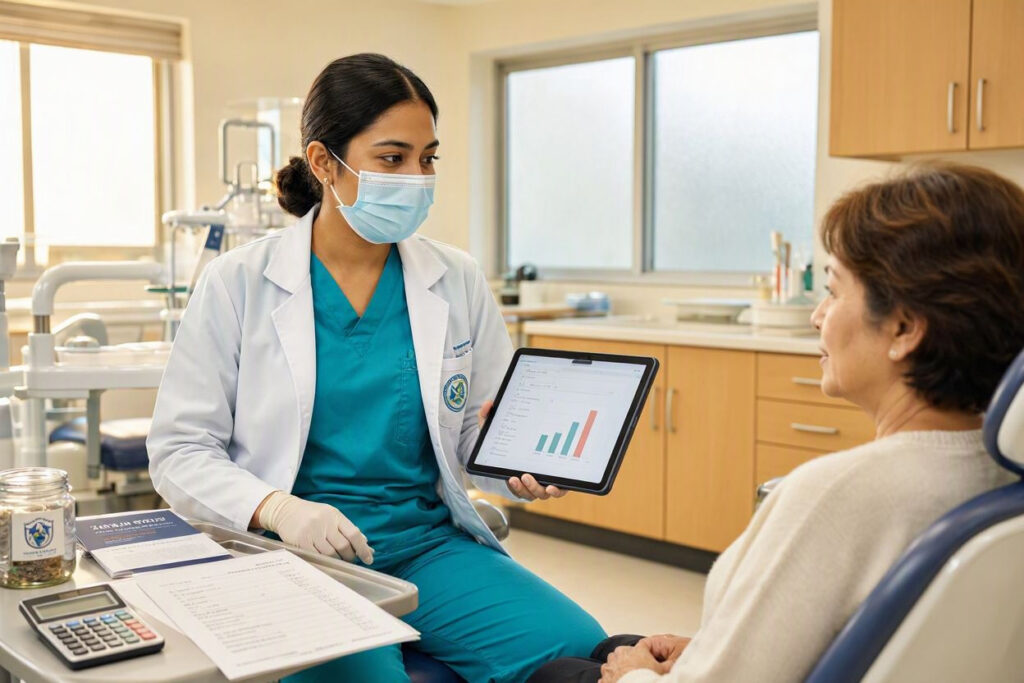
A student dentist is a dental student who is training to become a licensed dentist. They work under the supervision of experienced faculty members, who are licensed dentists. Student dentists perform a wide range of procedures, from simple cleanings to complex restorations.
Dental schools are typically part of universities. They have clinics where students treat real patients. The students are in their clinical years of training, usually the third and fourth years of a four-year dental program. They have already completed extensive coursework and simulated practice.
Student dentists are not unsupervised. A faculty dentist checks their work at every stage. For complex procedures, the faculty dentist may assist or take over. This ensures that patients receive safe, high-quality care.
Why Choose A Student Dentist?
There are several reasons why patients choose dental schools.
1. Lower Cost
The biggest reason is cost. Dental schools offer treatment at significantly reduced rates. A filling that costs $200 at a private clinic might cost $80 at a dental school. A crown that costs $1,500 might cost $600.
2. Quality Care
Student dentists are closely supervised. In many cases, the quality of care is excellent. Students are trained in the latest techniques and use modern equipment. They are also very thorough because they are being graded on their work.
3. Access To Specialists
Dental schools often have specialists on staff, including orthodontists, oral surgeons, and prosthodontists. This means you can receive comprehensive care in one place.
4. Helping The Next Generation
By choosing a dental school, you are helping to train the next generation of dentists. Your case becomes a learning opportunity for students.
The Average Cost Of A Student Dentist
Let us look at the numbers. Dental school prices vary by school and by procedure. Here are some average costs in the United States.
| Procedure | Private Clinic (USD) | Dental School (USD) |
|---|---|---|
| Consultation/exam | $50 – $200 | $20 – $50 |
| Teeth cleaning | $75 – $300 | $30 – $80 |
| Dental filling (composite) | $90 – $300 | $40 – $100 |
| Root canal (front tooth) | $300 – $800 | $150 – $350 |
| Root canal (molar) | $500 – $1,200 | $250 – $500 |
| Simple extraction | $75 – $300 | $30 – $80 |
| Surgical extraction | $150 – $650 | $80 – $200 |
| Dental crown (porcelain) | $500 – $2,000 | $300 – $800 |
| Dental implant | $1,500 – $5,000 | $800 – $2,000 |
| Porcelain veneer | $900 – $2,500 | $400 – $800 |
| Teeth whitening | $300 – $1,000 | $100 – $300 |
| Braces (metal) | $2,000 – $6,000 | $1,500 – $3,500 |
| Full mouth restoration | $20,000 – $50,000+ | $10,000 – $25,000 |
These prices are averages. Actual costs vary by school and location. Some schools offer even lower prices for certain procedures. Others may charge slightly more.
What Affects The Cost At A Dental School?
Several factors influence the price at a dental school.
1. Type Of Procedure
Simple procedures like cleanings and fillings are the cheapest. Complex procedures like implants and full mouth restorations cost more, but still less than private clinics.
2. Location Of The School
Dental schools in big cities may charge more than those in smaller towns. The cost of living and operating expenses affect fees.
3. Type Of School
Public dental schools often charge less than private dental schools. If you are a resident of the state, you may get a further discount.
4. Complexity Of Your Case
Simple cases cost less. Complex cases that require multiple visits or specialist input cost more.
5. Additional Procedures
X-rays, medications, and follow-up visits may add to the cost. Some schools include these in the price; others charge separately.
6. Insurance Coverage
Some dental schools accept insurance. If you have insurance, your out-of-pocket cost may be even lower. Check with the school before your appointment.
7. Time Of Year
Some schools offer promotions or discounts at certain times of the year. It never hurts to ask.
Comparative Table: Cost Of Common Procedures At Dental Schools
| Procedure | Average Cost At Dental School (USD) | Average Cost At Private Clinic (USD) | Savings |
|---|---|---|---|
| Cleaning | $30 – $80 | $75 – $300 | 50% – 70% |
| Filling | $40 – $100 | $90 – $300 | 50% – 70% |
| Root canal (molar) | $250 – $500 | $500 – $1,200 | 50% – 60% |
| Extraction | $30 – $80 | $75 – $300 | 50% – 70% |
| Crown | $300 – $800 | $500 – $2,000 | 40% – 60% |
| Implant | $800 – $2,000 | $1,500 – $5,000 | 40% – 60% |
| Braces | $1,500 – $3,500 | $2,000 – $6,000 | 25% – 50% |
Dental School Costs Around The World
Dental schools exist in many countries. Here is a comparison of typical costs for a filling at dental schools in different countries.
| Country | Average Cost At Dental School (Local Currency) | Approx. USD |
|---|---|---|
| United States | $40 – $100 | $40 – $100 |
| Canada | $50 – $120 CAD | $35 – $90 |
| United Kingdom | £30 – £80 | $40 – $100 |
| Australia | $60 – $150 AUD | $40 – $100 |
| Ireland | €40 – €100 | $45 – $110 |
| Germany | €30 – €80 | $35 – $90 |
| France | €25 – €70 | $30 – $80 |
| Spain | €20 – €60 | $25 – $65 |
| Mexico | $200 – $500 MXN | $10 – $25 |
| Costa Rica | $20 – $50 | $20 – $50 |
| Thailand | ฿300 – ฿800 | $10 – $25 |
| India | ₹200 – ₹500 | $3 – $7 |
Prices vary by school and city. These ranges are for general comparison only.
How Does A Dental School Visit Work?
If you have never been to a dental school, the process may be different from a private clinic. Here is what to expect.
Step 1: Screening
When you call to make an appointment, you will be screened. The school will ask about your dental needs and may schedule a screening visit. At the screening, a faculty member or student will examine your mouth and determine if your case is suitable for student treatment.
Step 2: Assignment
If your case is accepted, you will be assigned to a student. The student will be responsible for your care under the supervision of a faculty dentist.
Step 3: Treatment Planning
The student will take X-rays, examine your teeth, and create a treatment plan. The faculty dentist will review and approve the plan.
Step 4: Treatment
Treatment is performed by the student. The faculty dentist checks the work at each stage. For complex procedures, the faculty dentist may assist.
Step 5: Follow-Up
You will have follow-up visits to ensure everything is healing properly. The student will document your progress.
Step 6: Payment
You pay at the reception desk. Some schools require payment at each visit; others bill you monthly. If you have insurance, the school will file a claim.
Pros And Cons Of Using A Student Dentist
Like any option, dental schools have advantages and disadvantages.
Pros:
- Lower cost
- High-quality care with close supervision
- Access to specialists
- Modern equipment and techniques
- Helping to train future dentists
Cons:
- Appointments take longer
- Treatment may take more visits
- Limited availability (waiting lists)
- Students may graduate before your treatment is finished
- You may need to travel to a dental school
If you have a complex case or need treatment quickly, a private clinic may be a better option. If you have a simple case and are willing to be patient, a dental school can save you a lot of money.
How To Save Even More At A Dental School
Here are some tips to maximize your savings.
1. Ask About Payment Plans
Many dental schools offer payment plans. You can pay in installments over several months.
2. Use Insurance
If you have dental insurance, use it. Some schools accept insurance and will file claims for you.
3. Ask About Discounts
Some schools offer discounts for seniors, students, or low-income patients. Ask about eligibility.
4. Combine Procedures
If you need multiple treatments, combining them in one visit can save time and money.
5. Be Flexible
Appointments at dental schools may be limited. Being flexible with your schedule can help you get in sooner.
6. Consider Becoming A Teaching Patient
Some schools have programs where patients agree to be part of a teaching demonstration. These may offer additional discounts.
7. Follow Instructions
Follow your student dentist’s instructions for home care. Good oral hygiene can prevent further problems and reduce the need for additional treatment.
Quotations From Dental Professionals
“Dental schools are a great option for patients who want quality care at a lower cost. The students are well-trained, and the supervision is excellent.”
— Dr. Sarah Mitchell, Dental School Faculty
“I always tell my patients that the care at dental schools is often just as good as private clinics. The main difference is the time it takes.”
— Dr. James Carter, Dentist
“If you are considering a dental school, call ahead and ask about the process. It is different from a private clinic, but it can save you a lot of money.”
— Dr. Emily Nguyen, Dentist
Important Notes For Readers
- Prices in this article are estimates. Always confirm fees with the dental school.
- Treatment at a dental school takes longer. Be prepared for multiple visits.
- Students graduate and leave. Your treatment may be transferred to another student.
- Dental schools may not accept complex cases. Ask about eligibility.
- If you have a dental emergency, a dental school may not be the best option. Go to a private clinic or emergency dentist.
- Some dental schools have waiting lists. Call early to schedule an appointment.
- Your case may be used for educational purposes. This is part of the learning process.
FAQ
1. How much does a student dentist cost?
Student dentists charge 40% to 70% less than private dentists. A filling costs $40 to $100, and a crown costs $300 to $800.
2. Is it safe to see a student dentist?
Yes. Student dentists are closely supervised by licensed faculty dentists. The work is checked at every stage.
3. How long does treatment take at a dental school?
Appointments take longer, and treatment may require more visits. A procedure that takes one hour at a private clinic may take two hours at a dental school.
4. Do dental schools accept insurance?
Many dental schools accept dental insurance. Check with the school before your appointment.
5. Can I choose my student dentist?
Usually, you are assigned to a student. You may be able to request a change if there are issues.
6. What happens if my student graduates before my treatment is finished?
Your case will be transferred to another student. The faculty dentist will ensure continuity of care.
7. Are dental schools available for children?
Yes. Many dental schools treat children. Some have pediatric dentistry departments.
8. Can I get braces at a dental school?
Yes. Many dental schools offer orthodontic treatment at reduced costs.
9. How do I find a dental school near me?
Search online for “dental school clinic [your city]” or visit the American Dental Education Association website.
10. What if I have a dental emergency?
Dental schools may not be able to handle emergencies. Go to a private clinic or emergency dentist.
Additional Resource
For more information on dental schools and finding a clinic, visit the American Dental Education Association:
https://www.adea.org
Conclusion
A student dentist costs 40% to 70% less than a private dentist. Cleanings, fillings, and crowns are all available at reduced rates. While appointments take longer, the care is closely supervised and often excellent. If you are willing to be patient, a dental school can be a smart way to save money on dental care.