How to Treat Infection Around Dental Implant
Finding out that your dental implant might be infected can feel scary. You have invested time, money, and hope into that new tooth. The good news? Many infections around dental implants are treatable, especially when caught early.
This guide walks you through everything you need to know. You will learn what the infection looks like, why it happens, and most importantly, how to treat infection around dental implant sites effectively. No fluff. No false promises. Just honest, useful information to help you talk with your dentist and take the right steps.
Understanding the Problem: What Is a Dental Implant Infection?
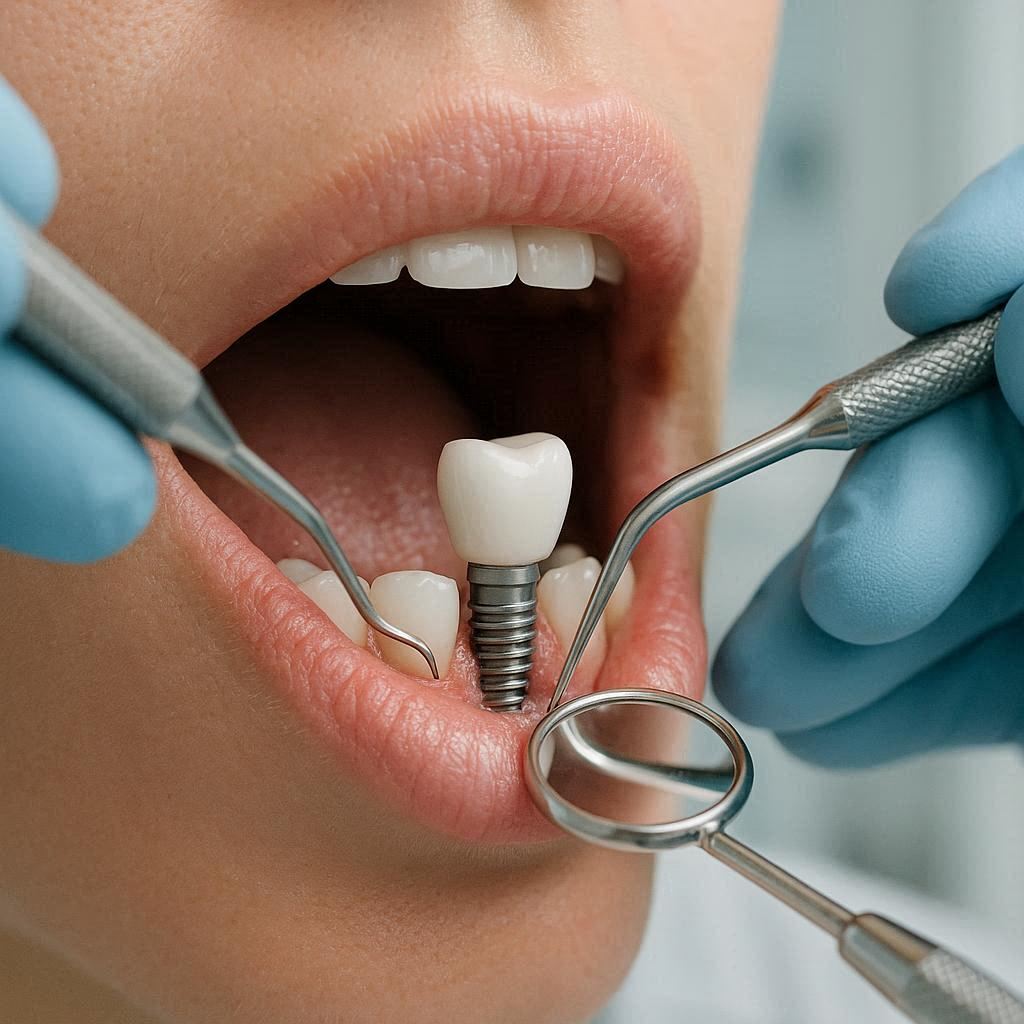
Before jumping into treatments, it helps to understand what you are dealing with. A dental implant infection is not exactly the same as a natural tooth cavity. The medical name for this condition is peri-implantitis.
Peri-Implantitis vs. Peri-Implant Mucositis
There are two main types of inflammation around implants. Knowing the difference changes how you approach treatment.
| Condition | What Happens | Is It Reversible? |
|---|---|---|
| Peri-Implant Mucositis | Only the gum tissue around the implant is red, swollen, and may bleed when you brush. The bone underneath is still healthy. | Yes, with good cleaning habits. |
| Peri-Implantitis | The infection has gone deeper. It now affects the gum tissue and the jawbone supporting the implant. | Partially. The bone loss cannot grow back, but you can stop the infection. |
Think of mucositis as a warning light on your car’s dashboard. Peri-implantitis is the engine starting to overheat. You want to catch it at the mucositis stage.
How Common Is This Really?
You are not alone. Studies suggest that around 20% to 30% of patients with dental implants will experience some form of peri-implantitis over time. This does not mean your implant will fail. It just means implants need regular maintenance, just like natural teeth.
Early Warning Signs You Should Never Ignore
Your body sends clear signals when something is wrong around an implant. Listen to these signs.
Redness and Swelling
Healthy gums around an implant should look pink and feel firm. If you see a dark red or purplish color, that is inflammation. The gum might look puffy or swollen around the implant crown.
Bleeding When You Brush or Floss
This is a big one. Natural teeth sometimes bleed when you first start flossing, but gums around a healthy implant should never bleed. If you see pink on your toothbrush or dental floss, pay attention.
Bad Taste or Bad Breath That Won’t Go Away
An infection creates pus and bacteria. These release a sulfur-like smell. If you have a constant bad taste in your mouth or your breath smells unpleasant even after brushing, the infection might be draining around the implant.
The Gum Is Pulling Away
As the infection damages tissue, the gum may start to recede. You might see the metal threads of your implant becoming visible. This is called a “pocket.” Bacteria love hiding in these pockets.
Pain When Chewing or Tapping
Early infections often have no pain at all. That is why they are dangerous. But as the infection spreads, you may feel tenderness when you bite down. Some people feel a dull ache or pressure around the implant site.
Important note: A successful, healthy implant should feel completely natural. You should not feel pain, movement, or discomfort during daily activities like eating or speaking. If you feel any of these, call your dentist.
What Causes an Infection Around a Dental Implant?
Treating an infection starts with knowing why it happened. Here are the most common real-world causes.
Poor Oral Hygiene at Home
Implants do not get cavities, but they are not immune to gum disease. Bacteria still build up around the implant crown, just like they do on natural teeth. If you skip flossing or avoid cleaning under the implant bridge, bacteria will multiply.
Smoking or Tobacco Use
Tobacco slows down blood flow to your gums. Less blood flow means fewer immune cells reaching the area. Smokers have a much higher risk of implant infections, and their infections are often harder to treat.
A Crown That Doesn’t Fit Properly
Sometimes the problem is not you. If the crown on top of the implant is too bulky or has rough edges, it creates tiny spaces where food and bacteria get trapped. No amount of brushing can reach these spots. A poorly fitting crown is like leaving a door open for bacteria.
History of Gum Disease
If you lost natural teeth due to gum disease (periodontitis), you are more likely to develop peri-implantitis. The bacteria that caused your original gum disease can also attack your implant.
Leaving the Implant Without a Crown Too Long
After an implant is placed, you usually wait a few months before attaching the crown. During that waiting time, the implant is under your gum. If you wait too long without a temporary cover, bacteria can settle around the implant’s top surface.
How to Treat Infection Around Dental Implant: Step by Step
Now we reach the heart of this guide. Treatment depends on how far the infection has spread. Let us go step by step, from mild to severe.
Step 1: Immediate Home Care (While You Wait for Your Appointment)
You notice signs of infection. Your dentist appointment is two days away. What do you do?
Do not panic. Most implant infections do not become emergencies overnight. But take these actions seriously.
- Warm salt water rinses: Mix one teaspoon of salt in a cup of warm water. Rinse gently for 30 seconds, twice per day. This helps reduce bacteria and soothes swollen gums.
- Gentle cleaning around the area: Use a soft toothbrush. Do not scrub hard. Be thorough but gentle.
- Avoid flossing aggressively: If flossing causes bleeding, do not stop completely. But do not snap the floss down hard. Use a gentle up-and-down motion.
- Avoid that side for chewing: Give the area a rest. Chew on the other side of your mouth.
What not to do at home:
- Do not poke the gum with sharp objects.
- Do not use hydrogen peroxide full-strength (it can damage healing tissue).
- Do not take antibiotics left over from a previous illness.
Step 2: Professional Diagnosis – What Your Dentist Will Do
Your dentist needs to see exactly what is happening. Here is what a typical exam looks like.
Probing depth measurement: The dentist uses a tiny ruler called a periodontal probe. They gently measure the space between your gum and the implant. Healthy pockets are usually 3mm or less. Pockets of 5mm or more suggest peri-implantitis.
Bleeding on probing: If the probe causes bleeding, that confirms active inflammation.
X-rays (radiographs): Your dentist will take a special x-ray to look at the bone around your implant. They compare it to older x-rays if available. This shows if bone loss has occurred.
Checking for mobility: The dentist will try to wiggle your implant slightly. A healthy implant does not move at all. Any movement is a serious sign.
Step 3: Non-Surgical Treatment (For Early to Moderate Cases)
Most people with mild or moderate infections can be treated without surgery. This is the first line of defense.
Professional Cleaning Around the Implant
Your dentist or hygienist will use special plastic or carbon-fiber instruments. Metal scalers can scratch the implant surface. Scratches give bacteria more places to hide. They use:
- Ultrasonic scalers with plastic tips
- Curettes made of graphite or plastic
- Air polishing with glycine powder (gentler than traditional baking soda)
The goal is to remove all visible bacteria and calculus (hardened plaque) from the implant surface without damaging it.
Antibacterial Rinses and Gels
After cleaning, your dentist may place a prescription gel into the infected pocket. Common options include:
- Chlorhexidine gel (slow-release formula)
- Minocycline microspheres (tiny beads that release antibiotic over time)
- Povidone-iodine solution
These treatments help kill bacteria that remain after mechanical cleaning.
Oral Antibiotics – When Are They Necessary?
Here is an honest answer. Antibiotics by themselves will not cure peri-implantitis. Bacteria live in a biofilm (a sticky layer) that pills cannot fully penetrate. However, your dentist might prescribe antibiotics in specific situations:
- You have swelling spreading to your face or neck
- You have a fever or feel generally unwell
- The infection is very aggressive and causing rapid bone loss
Common antibiotics include amoxicillin with clavulanic acid or metronidazole. Always complete the full course even if you feel better.
Step 4: Surgical Treatment (For Advanced Peri-Implantitis)
If non-surgical cleaning does not work, or if you have lost significant bone, surgery becomes necessary. Do not let the word “surgery” scare you. These are routine procedures for implant specialists.
Open Flap Debridement
The surgeon makes a small cut in your gum to lift it away from the implant. This gives them direct vision to clean the implant surface thoroughly. They can see what they are doing. After cleaning, they place the gum back and stitch it closed.
This procedure usually takes 30 to 60 minutes for one implant. You receive local anesthesia (numbing shots), so you feel no pain during the procedure.
Bone Grafting
If you have lost bone around the implant, the surgeon may add bone graft material. This helps fill the defect and gives your body a scaffold to grow new bone. The graft material can come from:
- Your own bone (usually from your chin or jaw)
- Donor bone (processed human bone from a tissue bank)
- Synthetic bone (man-made materials)
Bone grafting adds time and cost, but it gives the implant a better chance of long-term survival.
Resective Surgery
In some cases, the surgeon reshapes the bone around the implant to create a smoother, easier-to-clean shape. They might also remove some gum tissue. This makes the pocket shallower so bacteria cannot hide as easily.
Step 5: Managing a Failing Implant – Removal as a Last Resort
Sometimes, despite everyone’s best efforts, the implant cannot be saved. This happens when:
- More than half of the supporting bone is gone
- The implant is loose (mobile)
- You have had multiple treatments and the infection keeps returning
Removing a dental implant is a straightforward procedure. The dentist or oral surgeon will:
- Numb the area completely.
- Use a special instrument to unscrew the implant (like removing a screw from wood).
- Clean out the infected socket.
- Place bone graft material if you want a new implant in the future.
- Stitch the gum closed.
After healing (usually 4 to 6 months), you can consider a new implant or an alternative like a dental bridge.
Realistic note: Many people successfully get a second implant after the first one fails. The key is identifying why the first one failed and fixing that problem first.
Home Care Strategies to Support Healing
Treatment does not end when you leave the dentist’s office. What you do at home makes the difference between success and relapse.
The Right Tools for Implant Cleaning
Regular toothbrushes and floss work fine for natural teeth, but implants need special attention.
| Tool | Why It Helps | How Often |
|---|---|---|
| Soft toothbrush | Gentle on gums. Avoids scratching the implant crown. | Twice daily |
| Interdental brushes | Small brushes that fit between teeth. Better than floss for implant bridges. | Once daily |
| Water flosser | Uses a stream of water to flush out bacteria from deep pockets. Set on low pressure. | Once daily |
| Plastic or coated floss | Regular floss can shred and leave fibers around the implant. | Once daily |
| Rubber tip stimulator | Massages and cleans the gumline around the implant. | 2-3 times per week |
A Sample Daily Cleaning Routine for Implant Owners
Morning (2 minutes):
- Brush all teeth thoroughly, paying special attention to the gumline around your implant.
- Use an interdental brush around the implant crown.
Evening (5 minutes):
- Brush again.
- Use a water flosser on low pressure. Aim the tip at a 45-degree angle toward the gum pocket.
- Follow with plastic floss or a small interdental brush.
- Rinse with warm salt water (optional).
What About Mouthwash?
Avoid mouthwashes that contain alcohol. Alcohol dries out your mouth and can irritate implant gums. If you want to use a mouthwash, look for:
- Chlorhexidine (only short-term, as prescribed)
- Cetylpyridinium chloride (CPC)
- Essential oil rinses (alcohol-free)
Do not use mouthwash immediately after brushing. The toothpaste washes away the mouthwash’s active ingredients. Rinse at a separate time, like after lunch.
Professional Maintenance Schedule After Treatment
You have treated the infection. Now you need to keep it away. Your maintenance schedule will look different from someone with natural teeth.
Recommended Recall Schedule
| Risk Level | How Often to See the Dentist | What They Will Do |
|---|---|---|
| Low risk (no history of gum disease, non-smoker, good home care) | Every 12 months | Exam, x-rays every 2-3 years, professional cleaning |
| Moderate risk (treated gum disease in the past, occasional smoker) | Every 6 months | Exam, probing measurements, targeted implant cleaning |
| High risk (current smoker, diabetes, history of peri-implantitis) | Every 3-4 months | Deep pocket measurements, possible antibiotic gel placement |
Do not skip these appointments. Peri-implantitis can come back silently without pain.
Lifestyle Changes That Make a Real Difference
Treating an infection is one thing. Preventing the next one is another. Small lifestyle changes have a big impact.
Quit Smoking – The Single Best Thing You Can Do
If you smoke and you have an implant infection, quitting is not just good advice. It is essential. Smokers have a 300% higher risk of implant failure compared to non-smokers. Within six weeks of quitting, blood flow to your gums improves noticeably.
Talk to your doctor about nicotine replacement patches or gum. Even reducing the number of cigarettes helps, but quitting entirely is the goal.
Manage Your Blood Sugar if You Have Diabetes
Uncontrolled diabetes makes infections much harder to treat. High blood sugar feeds bacteria and impairs your immune system. If you have diabetes:
- Check your HbA1c level. Aim for below 7%.
- Take your medications as prescribed.
- Eat meals that keep blood sugar stable.
Many implant dentists will not place new implants in patients with uncontrolled diabetes. But once you have an implant, good diabetes control helps you keep it.
Reduce Sugary and Sticky Foods
Sugar does not directly cause implant infections, but it feeds the bacteria that do. Sticky foods like caramels, dried fruit, and gummy vitamins can get trapped around implant crowns. Rinse with water or brush soon after eating these foods.
When to Seek Emergency Care
Most implant infections are not emergencies. But a few situations require immediate attention.
Go to an emergency dentist or hospital if you experience:
- Swelling that spreads to your eye, neck, or under your jaw
- Difficulty breathing or swallowing
- A fever over 101°F (38.3°C)
- Rapidly spreading redness or warmth on your face
- The implant feels loose and moving significantly
These signs suggest the infection is spreading beyond the implant site. This is rare but serious. Do not wait for a regular appointment.
Frequently Asked Questions (FAQ)
1. Can I treat a dental implant infection at home without seeing a dentist?
No. Home care like salt water rinses can reduce symptoms temporarily, but they will not cure the infection. Bacteria deep in the bone or pocket require professional cleaning. Delaying treatment allows bone loss to continue.
2. How long does it take to treat peri-implantitis?
Mild cases (mucositis) often improve within 2 to 4 weeks of professional cleaning and improved home care. Moderate to severe peri-implantitis may take several months, including healing time after surgery.
3. Will my dental insurance cover implant infection treatment?
It depends. Many dental insurance plans exclude implant-related problems or have waiting periods. Medical insurance may cover some surgical treatments if the infection is severe. Call your insurance provider and ask specifically about “peri-implantitis treatment” and “surgical debridement.”
4. Can a failed implant be replaced with a new one?
Yes, in most cases. After removing the failed implant, the bone needs time to heal, usually 4 to 6 months. A bone graft may be needed. Then a new implant can be placed. Success rates for second implants are good when the original cause of failure is addressed.
5. Is there a way to prevent implant infection completely?
No method is 100% guaranteed, but you can lower your risk dramatically. Brush and floss daily, avoid smoking, see your dentist regularly, and manage health conditions like diabetes. People who do these things have very low rates of peri-implantitis.
6. Does a dental implant infection hurt?
Not always. Early infections often have no pain at all. This is why regular checkups are so important. Pain usually appears only after significant bone loss or when the infection is advanced.
7. Can I use my water flosser on an infected implant?
Yes, but use the lowest pressure setting. High pressure can force bacteria deeper into the pocket. Aim the water stream at a 45-degree angle toward the gumline, not directly into the pocket.
8. How do I know if my implant infection is cured?
Your dentist will confirm healing when:
- Pockets measure 3mm or less.
- No bleeding when probing.
- No redness or swelling.
- X-rays show stable bone levels (no further loss).
Additional Resource
For more detailed, evidence-based information on dental implant care and peri-implantitis, visit the American Academy of Periodontology’s patient page on implant maintenance.
👉 AAP.org – Dental Implants and Peri-Implant Diseases (Open in a new tab)
This resource includes a search tool to find a periodontist (gum specialist) near you. Periodontists have advanced training in treating peri-implantitis.
Conclusion
Treating an infection around a dental implant is possible, especially when you catch it early. Start with professional cleaning and improved home care for mild cases. Move to surgical options for deeper infections. Remove the implant only as a last resort. Remember to maintain regular checkups, stop smoking, and clean around your implant daily to prevent future problems. You invested in your smile, and with the right care, your implant can serve you well for decades.
Disclaimer: This article provides general information and does not replace professional medical or dental advice. Always consult your own dentist or oral surgeon for diagnosis and treatment of your specific condition.