Modern Dental Office: Design Trends and Features That Define Today’s Practices
The modern dental office looks nothing like it did twenty years ago. The sterile white rooms are gone. The bulky equipment is smaller. The waiting room feels less like a hospital and more like a boutique hotel. Patients now expect comfort, technology, and a welcoming atmosphere.
But modern dental office design is not just about looks. It is about function. It is about efficiency. It is about creating an environment where patients feel relaxed and staff can work smoothly. Today’s practices blend aesthetics with smart technology and thoughtful design.
This guide explores the key features of a modern dental office. From design trends to technology, we will cover what makes today’s practices stand out.

What Defines a Modern Dental Office
A modern dental office is not defined by a single feature. It is a combination of elements that work together. These include design, technology, patient experience, and sustainability.
The Shift from Clinical to Comfortable
Older dental offices prioritized clinical efficiency. They were functional but cold. Modern offices prioritize patient comfort without sacrificing function. This means:
- Warmer colors: Soft blues, greens, and warm neutrals replace harsh whites.
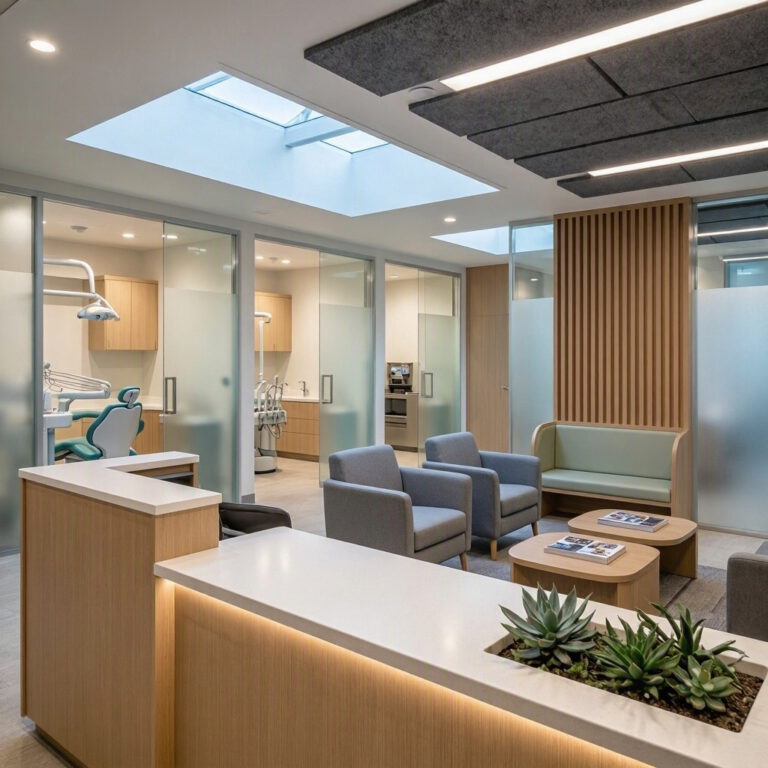
- Natural light: Large windows and skylights reduce reliance on artificial lighting.
- Comfortable furniture: Ergonomic chairs, soft seating, and cozy waiting areas.
- Biophilic design: Plants, natural materials, and views of nature reduce stress.
“We redesigned our office with wood accents and living walls. Patients tell us it feels like a wellness retreat. The anxiety levels in the waiting room dropped noticeably.” — Dr. Elena Rossi, Cosmetic Dentist
Technology Integration
Modern dental offices use technology to improve care and efficiency. This is not about gadgets. It is about practical tools that help patients and staff.
Digital Imaging
X-rays are now digital. This means less radiation, instant results, and easy sharing with specialists. Digital imaging also allows patients to see their teeth on screen. This improves understanding and trust.
Intraoral Cameras
Small cameras let patients see inside their own mouths. This is powerful for education. When patients see a cavity or plaque buildup, they understand the need for treatment.
CAD/CAM Technology
Computer-aided design and manufacturing allow same-day crowns and restorations. This saves patients time and reduces the need for multiple visits.
3D Printing
Dental offices now print models, surgical guides, and temporary crowns in-house. This reduces lab costs and speeds up treatment.
Practice Management Software
Modern software handles scheduling, billing, reminders, and patient records. Cloud-based systems allow access from anywhere. This improves flexibility for staff and reduces administrative errors.
Design Trends in Modern Dental Offices
Design trends evolve. But some principles remain consistent. Here are the trends shaping modern dental offices today.
Open, Airy Layouts
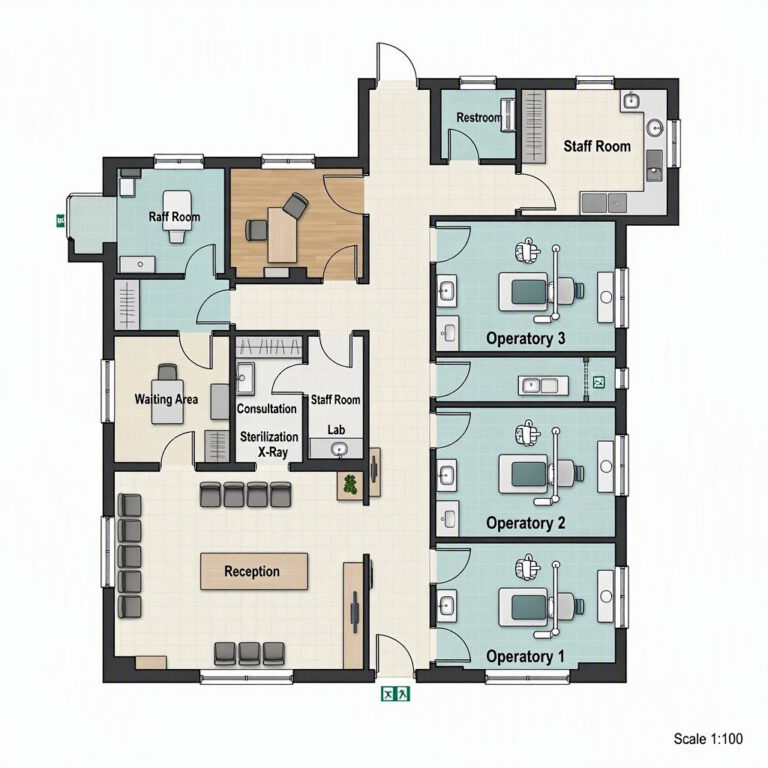
Older offices had narrow hallways and cramped treatment rooms. Modern offices feel more open. Larger treatment rooms with windows. Wider hallways. Waiting rooms with high ceilings. This openness reduces claustrophobia and anxiety.
The “Spa-Like” Aesthetic
Many practices now borrow design cues from spas and wellness centers. Soft lighting, warm textures, and calming scents. Reception areas with coffee bars and comfortable seating. This approach shifts the focus from “medical procedure” to “self-care.”
Residential-Style Waiting Rooms
Waiting rooms now feel like living rooms. Comfortable sofas. Books and magazines. Charging stations. Free Wi-Fi. Some offices offer beverages and snacks. The goal is to make the wait feel less clinical.
Child-Friendly Zones
Pediatric practices have always had child-friendly design. Now, general practices are adding dedicated kids’ corners too. A small table with crayons. A stack of books. A wall-mounted game. This keeps children occupied while parents check in.
Private Consult Rooms
Modern offices include small private rooms for consultations. These spaces allow dentists to discuss treatment plans away from the noise of the operatory. This improves communication and privacy.
Comparative Table: Traditional vs. Modern Dental Office Features
| Feature | Traditional Office | Modern Office |
|---|---|---|
| Design Style | Clinical, white, sterile | Warm, spa-like, welcoming |
| Lighting | Fluorescent ceiling panels | Natural light, adjustable LEDs |
| Imaging | Film X-rays | Digital X-rays, 3D scans |
| Restorations | Sent to lab (multiple visits) | CAD/CAM, same-day crowns |
| Patient Education | Verbal explanations | Intraoral cameras, chairside screens |
| Scheduling | Phone calls only | Online booking, automated reminders |
| Waiting Room | Basic chairs, magazines | Comfortable seating, Wi-Fi, refreshments |
| Check-In | Paper forms | Digital tablets, online forms |
| Payment | Cash, check | Contactless, online payments |
| Sterilization | Manual tracking | Digital tracking, automated systems |
Technology That Defines the Modern Office
Technology is a key differentiator. But not every new gadget is worth the investment. Focus on tools that improve patient care and practice efficiency.
Digital X-Rays
Digital X-rays reduce radiation exposure by up to 80% compared to film. They produce instant images that can be enhanced and shared easily. This is a must-have for any modern practice.
CBCT Scans
Cone beam computed tomography provides 3D images of teeth, bones, and nerves. This is essential for implants, root canals, and complex extractions. CBCT improves accuracy and reduces complications.
Laser Dentistry
Lasers are used for soft tissue procedures, cavity preparation, and whitening. They reduce bleeding, speed up healing, and often require less anesthesia. Patients appreciate the comfort.
Digital Impressions
Gone are the trays of goopy alginate. Digital scanners capture precise impressions in seconds. This improves patient comfort and accuracy. It also eliminates the need for physical models.
Patient Portals
Patients can now access their records, schedule appointments, and pay bills online. This improves convenience and reduces calls to the front desk.
“We installed a patient portal last year. Our no-show rate dropped by 15%. Patients love the reminders and the ability to reschedule online.” — Karen White, Practice Manager
Sustainability in Modern Dental Offices
Modern practices are increasingly focused on sustainability. This is good for the planet and good for your brand.
Eco-Friendly Materials
- Flooring: Bamboo, recycled vinyl, or polished concrete.
- Furniture: Sustainably sourced wood, recycled plastics.
- Paint: Low-VOC or zero-VOC paints.
- Lighting: LED bulbs that use less energy.
Waste Reduction
- Digital records: Reduce paper use.
- Reusable supplies: Sterilizable instruments instead of disposables where possible.
- Recycling programs: Recycle packaging, batteries, and electronic waste.
- Amalgam separators: Capture mercury from dental wastewater.
Energy Efficiency
- Solar panels: Some practices invest in renewable energy.
- Energy-efficient appliances: Look for Energy Star ratings.
- Smart thermostats: Reduce heating and cooling costs.
- Motion-sensor lighting: Turn off lights in unused rooms.
Important Notes for Readers
Note on Infection Control: Modern design must still prioritize hygiene. Choose materials that are easy to clean. Avoid porous surfaces. Include handwashing sinks in every treatment room.
Note on Accessibility: Ensure your modern office is accessible to all patients. Wide doorways, ramps, and accessible restrooms are essential.
Note on Budget: Not every modern feature is necessary. Prioritize technology that improves patient care. Skip gadgets that do not serve a clear purpose.
Note on Training: New technology requires training. Budget time and resources for staff education. A tool is only useful if your team knows how to use it.
Note on Cybersecurity: Digital systems store sensitive patient data. Invest in cybersecurity. Train staff on data protection. Follow HIPAA guidelines strictly.
Conclusion
A modern dental office combines comfort, technology, and sustainability. It prioritizes patient experience without sacrificing clinical efficiency. It uses digital tools to improve care and streamline operations. It creates a space that feels welcoming, not intimidating. When you invest in modern design and technology, you invest in your patients’ comfort and your practice’s future.
Frequently Asked Questions (FAQ)
Q: What is the most important technology for a modern dental office?
A: Digital X-rays and practice management software. These are essential for diagnosis, treatment planning, and efficient operations.
Q: How much does it cost to modernize a dental office?
A: Costs vary widely. A technology upgrade might cost $20,000–$50,000. A full design renovation can exceed $200,000. Prioritize based on your budget and patient needs.
Q: Do I need 3D imaging in my office?
A: If you place implants or perform complex root canals, yes. CBCT improves accuracy and reduces complications. If you refer these cases out, you may not need it.
Q: How can I make my office feel modern without a full renovation?
A: Start with lighting, paint, and furniture. Add plants and update your waiting room seating. Small changes make a big difference.
Q: Is a paperless office realistic?
A: Yes. Most modern practice management software supports digital records, e-prescriptions, and online forms. Transition gradually to avoid disruption.
Additional Resource:
For more information on dental technology trends, visit the American Dental Association website.