Odontoplasty Dental Code: D2990 Explained Simply
If you have ever looked at a dental treatment plan and felt like you were trying to read a secret language, you are not alone. Between the clinical terms and the long columns of numbers, it is easy to feel overwhelmed.
One term that often raises questions is odontoplasty.
You might see it written down, glance at the attached fee, and wonder: “Is this really necessary? What are they actually going to do?”
This guide is here to clear up that confusion. We are going to focus specifically on the odontoplasty dental code, what it means for your mouth, and how it fits into modern dental care.
Whether your dentist has just recommended this procedure or you are simply curious while reading your insurance statement, you will find everything you need below. No confusing jargon. No unrealistic promises. Just honest, helpful information from a professional perspective.
What Is Odontoplasty? (A Clear, Simple Definition)
Before we look at the specific code, let us talk about the procedure itself.
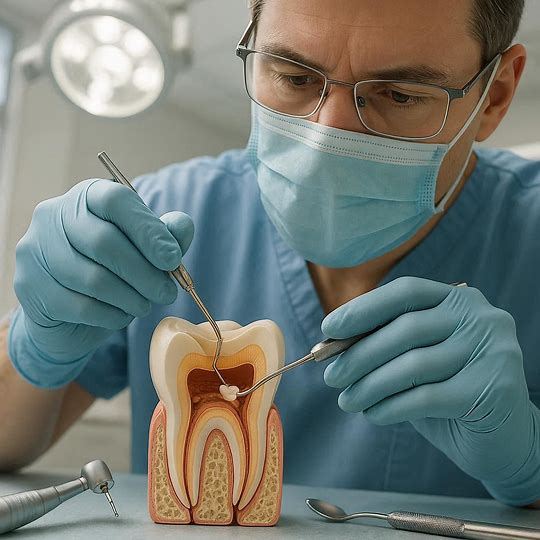
Odontoplasty is the gentle reshaping of a tooth’s enamel. Think of it like a very precise, careful form of filing or polishing. Your dentist uses special tools to remove tiny amounts of the hard outer layer of a tooth—the enamel—to change its shape, length, or surface texture.
Here is the most important thing to remember: odontoplasty does not involve cutting into the living part of the tooth. It only works on the enamel, which has no nerve endings. For this reason, most patients feel absolutely nothing during the procedure. No needles. No anesthesia required in many cases.
Common Reasons to Perform Odontoplasty
Dentists recommend this treatment for several practical reasons:
-
Fixing a sharp or uneven edge on a tooth that is irritating your tongue or cheek.
-
Adjusting a high spot after a new filling or crown so your bite feels comfortable again.
-
Creating more space between crowded teeth, sometimes to help with orthodontic treatment.
-
Smoothing out rough surfaces where plaque tends to collect.
-
Improving minor cosmetic issues, such as a tooth that is slightly longer than its neighbor.
-
Preventing damage from teeth grinding (bruxism) by evening out the bite.
It is a remarkably versatile tool. But because it is permanent (enamel does not grow back), dentists are very selective about when and how they use it.
The Official Odontoplasty Dental Code: D2990
Now we arrive at the center of our discussion.
In the dental world, almost every procedure has a unique code. These codes come from the Current Dental Terminology (CDT) , which is published by the American Dental Association (ADA). Dentists, insurance companies, and billing specialists use these codes to communicate clearly about what treatment was performed.
The official odontoplasty dental code is D2990.
Specifically, the full description in the CDT manual is:
“Resin infiltration of smooth surface caries lesion (including odontoplasty).”
Wait a minute—that description mentions resin infiltration and caries. That sounds different from simple reshaping.
This is where many people get confused. Let me explain exactly what is going on.
The Two Meanings of D2990
In the official coding manual, D2990 is technically a code for treating very early cavities (incipient caries) using a special resin that soaks into the tooth. The procedure often includes a small amount of odontoplasty to prepare the surface.
However, in everyday clinical practice, many dentists and billing offices use D2990 to refer to standalone odontoplasty—the simple reshaping procedure we described above. Why? Because there is no other, better code for minor enamel contouring without any other treatment.
So, you might see D2990 on your bill in two scenarios:
| Scenario | What the dentist does | Primary purpose |
|---|---|---|
| Official use | Applies a resin infiltrant to stop an early cavity, plus minor enamel reshaping. | Arresting tooth decay non-invasively. |
| Common use | Performs enamel contouring and smoothing only. | Reshaping, bite adjustment, or cosmetic improvement. |
This dual meaning is not ideal, but it is the reality of dental billing. If you see D2990 on your estimate, always ask your dentist for a plain-English explanation of exactly what they plan to do.
Important Note for Readers: If your dentist recommends D2990, ask this simple question: “Are you doing resin infiltration for a cavity, or just reshaping the enamel?” A good dentist will be happy to clarify.
Alternative Codes You Might See
Sometimes a dentist will use a different code for procedures related to reshaping. Here are the most common alternatives:
| CDT Code | Procedure Name | How it differs from D2990 |
|---|---|---|
| D2980 | Crown repair (by report) | Fixing an existing crown, not natural enamel. |
| D9971 | Enamel odontoplasty (cosmetic) | Specifically for cosmetic cases, not covered by insurance. |
| D9110 | Palliative treatment | For emergency relief of irritation, not definitive reshaping. |
| D2920 | Re-cement crown | No reshaping involved. |
If your primary goal is minor bite adjustment or smoothing a sharp edge, D2990 remains the most common code you will encounter.
When Is Odontoplasty the Right Choice?
Just because a dentist can reshape enamel does not always mean they should. Good dentists follow clear rules about when this procedure is appropriate.
Ideal Situations for Odontoplasty
✅ A tooth has a small, sharp ridge that is cutting your tongue or cheek.
✅ Your bite feels uneven after a new filling, and a simple adjustment fixes it.
✅ Two teeth are slightly overlapped, and removing 0.2–0.5mm of enamel creates enough space.
✅ A minor cosmetic irregularity bothers you, such as a small bump or groove on a front tooth.
✅ You have a high spot from grinding your teeth, and reshaping will reduce future damage.
When a Dentist Should Say “No”
❌ The tooth already has a large filling. Removing more enamel weakens it further.
❌ The tooth is already thin or worn. There is not enough enamel left to work with safely.
❌ You have active tooth decay. The cavity needs treatment first; reshaping comes later if needed.
❌ You want to change the shape significantly. Veneers or bonding are better options.
❌ The tooth is discolored internally. Reshaping will not whiten it; it might even expose darker layers.
A Realistic Look at Results
Odontoplasty is not a miracle cure. But when used correctly, it produces excellent, subtle results.
-
Pain level: Usually none. Most patients do not need any numbing.
-
Time required: 5 to 20 minutes per tooth.
-
Recovery: Zero. You walk out and eat normally immediately.
-
Longevity: Permanent, because the enamel is gone forever. However, the results last indefinitely unless you damage the tooth again.
Think of it like trimming your hair. You remove a tiny amount, the shape improves, and you never miss the part that is gone. But you cannot put it back.
Step-by-Step: What Happens During an Odontoplasty Procedure
If your dentist has recommended D2990, knowing exactly what will happen can ease any worries. Let me walk you through a typical appointment.
Before the Procedure: Examination and Planning
Your dentist will not just grab a tool and start filing. That is not how responsible dentistry works.
First, they will examine your bite. You might be asked to bite down on colored marking paper (articulating paper). This leaves tiny marks on the high spots—the exact points that need reshaping.
They will also check the thickness of your enamel, often using an X-ray or a visual inspection. This step is critical. If the enamel is too thin, the dentist should stop and recommend another solution.
The Reshaping Process: Gentle and Fast
Once the plan is clear, the actual procedure begins. Here is what you will experience:
-
Isolation (optional). The dentist may place a small cotton roll to keep the area dry.
-
The first pass. Using a fine diamond bur or a sanding disc, the dentist removes tiny amounts of enamel—often less than the thickness of a piece of paper.
-
Check and adjust. You will bite down again. The dentist checks the marks. More reshaping? Usually, yes. It is a process of small, careful adjustments.
-
Smoothing and polishing. Once the shape is correct, the dentist uses finer and finer tools to make the surface feel glass-smooth.
-
Final bite check. You will bite down, slide your jaw side to side, and close normally. Everything should feel natural and comfortable.
Throughout this process, you will hear a gentle whirring sound. You might feel vibration, but not pain. Some people find the sensation strange at first, but it is not uncomfortable.
After the Procedure: Immediate Results
When the dentist finishes, you can rinse your mouth and feel the difference immediately.
The reshaped area will feel smooth. Any sharp edge that bothered you will be gone. If the procedure was for bite adjustment, closing your mouth will feel more even and natural.
There is no recovery time. You can eat, drink, brush, and floss normally right away. No special care is needed, although your dentist might suggest avoiding very hard or sticky foods for the rest of the day—just as a precaution.
Odontoplasty vs. Other Dental Procedures
One of the best ways to understand odontoplasty is to compare it with similar treatments. The table below shows how D2990 stacks up against other common options.
| Procedure | What it removes | Anesthesia needed? | Typical cost | Reversible? | Best for… |
|---|---|---|---|---|---|
| Odontoplasty (D2990) | Enamel only (0.1–0.5mm) | No | $50–$300 per tooth | No | Minor adjustments, sharp edges, bite issues |
| Tooth bonding | Nothing—adds resin | Sometimes | $300–$600 per tooth | Yes (can be redone) | Chips, gaps, discoloration |
| Veneer | Minimal enamel (0.3–0.5mm) | Yes | $900–$2,500 per tooth | No (but can be replaced) | Cosmetic changes, shape, color |
| Crown | Significant enamel (1–2mm) | Yes | $1,000–$3,000 per tooth | No | Severe damage, large fillings |
| Enameloplasty (similar term) | Enamel only | No | Often same as D2990 | No | Same as odontoplasty |
Key takeaway: Odontoplasty sits at the very conservative end of the spectrum. It removes less tooth structure than any other permanent treatment. When it is appropriate, it is almost always the least invasive choice.
Cost and Insurance Coverage for D2990
Let us talk about money openly. No one likes surprise bills, and dental care can be expensive. Understanding the costs associated with the odontoplasty dental code will help you plan ahead.
Typical Out-of-Pocket Costs
Because D2990 is a relatively simple procedure, it is also one of the more affordable dental treatments.
-
Without insurance: Expect to pay between $50 and $300 per tooth.
-
With insurance: Your plan may cover 50% to 80% of the cost, leaving you with a copay of $10 to $150.
-
If performed with other procedures: Many dentists bundle the cost. For example, if you are already having a filling or crown placed, the dentist might adjust the bite at no extra charge.
These prices vary by location. A dentist in a large city often charges more than one in a rural area. But even at the high end, D2990 is far less expensive than bonding, veneers, or crowns.
Does Insurance Cover Odontoplasty?
This is where things get a little complicated. Remember the dual meaning of D2990?
-
If the procedure is truly for resin infiltration (treating an early cavity): Most dental insurance plans cover it as a preventive or basic service. You will likely pay your standard copay for fillings or sealants.
-
If the procedure is for simple reshaping (bite adjustment or smoothing): Coverage varies widely. Some plans cover it under “periodontics” or “oral surgery” if it is medically necessary (for example, a sharp tooth injuring your tongue). Other plans exclude it as cosmetic.
Cosmetic use is almost never covered. If you want odontoplasty solely to make your teeth look prettier, expect to pay fully out of pocket.
How to Check Your Coverage
Do not rely on verbal guesses from the front desk. Take these steps instead:
-
Ask your dentist’s billing coordinator to submit a pre-treatment estimate to your insurance company.
-
Call your insurance company directly. Ask them: “Does my plan cover code D2990 for enamel reshaping to fix a sharp tooth that is cutting my cheek?”
-
Get it in writing. Insurance companies sometimes change their answers. A written estimate protects you.
If coverage is denied, ask about a payment plan. Many dental offices offer in-house financing or work with third-party healthcare credit companies.
Risks, Limitations, and Honest Warnings
No dental procedure is completely free of risks. Even something as gentle as odontoplasty has potential downsides. A responsible guide must tell you about them.
Potential Risks (Rare but Real)
-
Enamel removal is permanent. If the dentist removes too much, the tooth becomes more sensitive to hot and cold. In extreme cases, it might need a crown or root canal years later.
-
Sensitivity. Some patients experience mild cold sensitivity for a few weeks after reshaping. This usually goes away on its own.
-
Altered bite. If the reshaping changes how your teeth touch, you might develop new discomfort. A good dentist checks repeatedly to avoid this, but it can happen.
-
Weakened tooth structure. Removing enamel makes the tooth slightly thinner. For healthy teeth with plenty of enamel, this is not a problem. For teeth already worn down, it can be.
What the Research Says
Clinical studies on odontoplasty show it is very safe when performed conservatively. Researchers have found that removing up to one-third of the enamel thickness (about 0.5mm) does not significantly increase the risk of tooth decay or fracture.
However, removing more than that enters a danger zone. The tooth loses its natural protection, and the risk of problems rises sharply.
The golden rule of odontoplasty: Take away the least amount possible. Stop before it looks perfect. Natural is better than over-treated.
Signs of a Problem
After your procedure, watch for these warning signs. They are rare, but if they happen, call your dentist:
-
Persistent, sharp pain when you bite down (not just mild sensitivity).
-
A new chip or crack in the treated tooth.
-
Pain that worsens over time instead of improving.
-
Your tongue or cheek feels a new sharp edge that was not there before.
Most of the time, none of these happen. But knowing what to watch for gives you peace of mind.
Frequently Asked Questions (FAQ)
Let me answer the questions people ask most often about odontoplasty and dental code D2990.
Is odontoplasty the same as tooth filing?
Yes and no. “Filing” sounds aggressive, like using a metal file on a rough nail. Odontoplasty is much more precise. Dentists use high-speed, fine-grit tools that remove enamel smoothly and gently. It is filing, but the careful, professional version.
Does odontoplasty hurt?
For the vast majority of people, no. Because only enamel (which has no nerves) is removed, you should feel only vibration. Some people report a mild “chalky” sensation. If you feel pain, tell your dentist immediately—they may be going too deep or too fast.
Can I eat normally after odontoplasty?
Yes. There are no restrictions. Some dentists suggest avoiding extremely hard or sticky foods for the rest of the day, but this is just cautious advice, not a medical requirement.
Will my insurance cover D2990 for cosmetic reasons?
Almost never. Insurance plans specifically exclude procedures done only for appearance. If your dentist recommends odontoplasty to fix a sharp tooth that is cutting your mouth, that is medical, not cosmetic. Be clear about the reason.
How long does the result last?
Odontoplasty is permanent because enamel does not grow back. However, “permanent” does not mean “unchanging.” Your teeth continue to wear down naturally over decades. The reshaped area will age with the rest of your tooth.
Can odontoplasty fix crowded teeth?
Only in very mild cases. Removing 0.5mm of enamel between crowded teeth can create a tiny amount of space—sometimes enough for a clear aligner to work better. But for significant crowding, orthodontics (braces or Invisalign) is still the main solution.
Is there an age limit for odontoplasty?
Children should generally wait until their adult teeth have fully erupted and the roots are mature (usually around age 12–14). For adults, there is no upper age limit as long as the enamel is healthy and thick enough.
Does odontoplasty cause cavities?
No, but it does remove the protective enamel layer. If the reshaped area is polished smoothly (which it always should be), the risk of decay is no higher than on any other part of the tooth. Good brushing and flossing will protect it.
Can I get odontoplasty on all my teeth?
Technically, yes. But would you want to? Probably not. Shaping multiple teeth increases the total amount of enamel removed from your mouth. Most dentists limit odontoplasty to one or two teeth per session unless there is a very clear treatment plan with minimal removal.
What is the difference between odontoplasty and enameloplasty?
In practical terms, nothing. Both words mean “tooth reshaping.” Some dentists use them interchangeably. The ADA officially uses “odontoplasty” in the CDT code description, but you will hear both terms in dental offices.
Real Patient Scenarios (Case Examples)
Sometimes the best way to understand a procedure is to see how it works in real life. Here are three typical cases where D2990 was the right choice.
Case 1: The Sharp Tooth
Patient: Sarah, age 34
Problem: A lower front tooth had a small, sharp ridge that constantly cut her tongue. She had been dealing with it for months, using wax from the pharmacy to cover the edge.
Solution: The dentist performed odontoplasty (D2990) on the sharp edge, removing less than 0.3mm of enamel.
Result: The edge became completely smooth. Sarah felt immediate relief. No anesthesia. Total cost with insurance: $45.
Follow-up: One year later, no problems. Sarah says she wishes she had done it sooner.
Case 2: The High Filling
Patient: Michael, age 52
Problem: Michael had a new filling placed on an upper molar. For two weeks afterwards, every bite felt “wrong.” He had pain in the opposite side of his mouth from chewing differently.
Solution: The dentist used articulating paper to mark the high spot on the filling, then gently reshaped the filling and a tiny amount of opposing enamel (odontoplasty).
Result: Michael’s bite felt normal immediately. The mild sensitivity faded within three days.
Follow-up: Six months later, no further adjustments needed.
Case 3: The Overlapped Front Teeth
Patient: Elena, age 28
Problem: Elena’s two upper front teeth overlapped slightly, creating a tight space that was hard to clean. She did not want braces or veneers.
Solution: Over three short appointments, the dentist removed approximately 0.4mm of enamel from the overlapping edges of both teeth (D2990).
Result: The teeth no longer overlapped. Elena could floss between them easily. The cosmetic change was subtle but noticeable.
Follow-up: Two years later, the teeth remain stable. Elena continues to floss daily with no issues.
When Odontoplasty Was NOT the Answer
Patient: David, age 45
Problem: David wanted to change the shape of his short, wide front teeth to make them look longer and narrower.
Why odontoplasty was wrong: To achieve the shape David wanted, the dentist would have had to remove enamel from the sides of the teeth, significantly thinning them and exposing the darker dentin underneath.
Alternative provided: The dentist recommended direct bonding (code D2330) to build up the teeth instead of cutting them down.
Result: David received beautiful, natural-looking results without losing healthy enamel.
Additional Resources for Readers
You do not have to navigate dental decisions alone. Here are trusted resources where you can learn more.
Recommended Link
For the official, most up-to-date information on dental procedure codes, visit the American Dental Association’s CDT Code page:
👉 https://www.ada.org/en/publications/cdt
This link leads to the ADA’s official resource for Current Dental Terminology. You can search for code D2990 and see the exact official description, plus find answers to coding questions.
Other Helpful Resources
-
Your state dental association: Most states have a consumer help line. They can answer questions about standard fees and patient rights.
-
The National Institute of Dental and Craniofacial Research (NIDCR): Offers free, science-based guides to dental procedures. Search their website for “enamel reshaping.”
-
Your dental insurance member handbook: Look for a section called “Dental Procedure Codes” or “CDT Codes.” It will explain how your specific plan handles codes like D2990.
A Note on Online Research
Be careful with dental information on social media and forums. Every mouth is different. A procedure that worked perfectly for one person might be wrong for you. Always bring your online research to your dentist and ask: “Does this apply to my specific situation?”
Conclusion
Odontoplasty (dental code D2990) is a safe, gentle, and affordable way to reshape small areas of tooth enamel for bite comfort, irritation relief, or minor cosmetic improvements. The procedure removes no living tissue, requires no anesthesia in most cases, and has essentially no recovery time. Always confirm with your dentist exactly what the code means for your treatment, and remember that enamel removal is permanent—so conservative treatment is always the best approach.
Disclaimer
This article is for informational purposes only and does not constitute medical or dental advice. Dental procedures, codes, and insurance coverage vary by location, provider, and individual patient needs. Always consult with a licensed dentist in your area before making decisions about your oral health. The author and publisher are not responsible for any outcomes resulting from the use of this information. The CDT codes referenced are trademarks of the American Dental Association, and this article is not endorsed by or affiliated with the ADA.