Star Dental Implant: A Complete, Honest Guide to Restoring Your Smile
Losing a tooth can feel like a small crisis. You might worry about your appearance, your ability to chew, or even your long-term oral health. For decades, the standard solutions were bridges or dentures. But today, a powerful alternative exists: the Star Dental Implant.
You have likely heard the term, but you need clear, honest answers. What makes this implant different? Is it painful? How much does it truly cost? Will it last forever?
This guide answers every single one of those questions. We will walk through the science, the procedure, the real costs, and the pros and cons. By the end, you will know exactly if a Star Dental Implant is your path to a functional, beautiful smile.
What Exactly Is a Star Dental Implant?
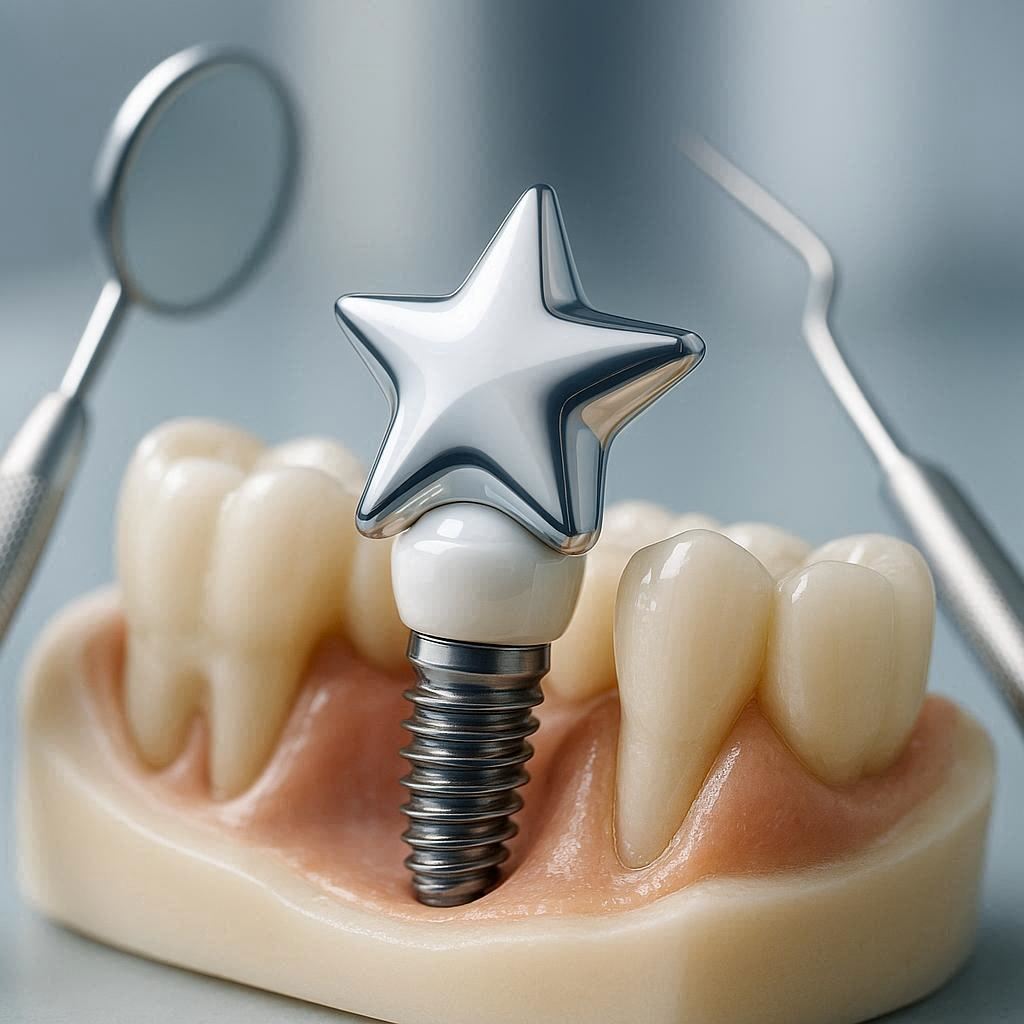
Before we dive into details, let us define our topic clearly. A Star Dental Implant is not a magical device. It is a high-quality, medical-grade titanium or zirconia screw that replaces the root of a missing tooth. The “Star” name often refers to a specific design or brand known for its star-shaped connection between the implant and the artificial tooth.
This star-shaped locking mechanism provides extra stability. Think of it like a puzzle piece that fits perfectly. This reduces the risk of the crown (the visible tooth) loosening over time.
Unlike a bridge, which requires shaving down healthy neighboring teeth, the Star Implant stands alone. It fuses with your jawbone through a process called osseointegration. The result is a permanent, strong, and natural-feeling tooth.
How It Differs From Traditional Implants
| Feature | Traditional Implant | Star Dental Implant |
|---|---|---|
| Connection type | Hexagonal (6 sides) | Star-shaped (multi-lobe) |
| Stability | Good | Excellent |
| Risk of screw loosening | Low | Extremely low |
| Placement ease | Standard | Requires specific training |
| Long-term bone health | Very good | Superior due to better load distribution |
The star-shaped design spreads chewing forces more evenly. This means less stress on the bone and the crown. For you, this translates to fewer visits to the dentist for tightening or repairs.
Who Is a Good Candidate for a Star Dental Implant?
Not everyone is an ideal candidate right away. But many people are. Let us check the typical profile.
You are likely a good candidate if:
- You have lost one or more teeth.
- Your jawbone is fully grown (usually over 18 years old).
- You have adequate bone density to support the implant.
- Your gums are healthy and free from periodontal disease.
- You do not smoke heavily (smoking slows healing).
- You are committed to good oral hygiene.
Important Note for Readers: Even if you do not meet all these criteria, do not lose hope. Bone grafting procedures can rebuild thin jawbones. Gum disease can be treated. Modern dentistry has solutions for almost every situation.
Conditions That May Require Extra Care
Some medical conditions do not automatically disqualify you, but they require careful planning. These include:
- Uncontrolled diabetes
- Autoimmune diseases
- Blood clotting disorders
- Heavy alcohol use
- Radiation therapy to the jaw area
Always share your complete medical history with your implant dentist. Honesty here protects your safety and your investment.
The Complete Procedure: From Consultation to Chewing
Let us walk through the entire journey. Most people feel nervous about surgery, but knowing each step removes the fear.
Step 1: Initial Consultation and Imaging
Your dentist will examine your mouth. They will take 3D scans (CBCT) of your jaw. This creates a virtual map of your nerves, sinuses, and bone structure. The dentist then plans the exact position of the Star Implant using specialized software.
This planning phase is critical. A well-planned implant is a successful implant.
Step 2: Preparatory Procedures (If Needed)
Sometimes, you need extra work first. This might include:
- Tooth extraction: If the damaged tooth is still in place.
- Bone grafting: Adding synthetic or natural bone to strengthen the area.
- Sinus lift: Adding bone to the upper back jaw near the sinus cavities.
These steps add time but make success much more likely.
Step 3: Implant Placement Surgery
This is the main event. The dentist will:
- Numb the area with local anesthesia. You will feel pressure, not pain.
- Make a small incision in your gum to expose the bone.
- Drill a precise hole following the digital plan.
- Insert the Star Dental Implant into the hole.
- Suture (stitch) the gum over or around the implant.
The entire surgery usually takes 30 to 60 minutes for a single implant. You can drive yourself home after.
“The placing of the implant itself is surprisingly gentle. Most of my patients say the anticipation is far worse than the reality.” — Dr. Elena Marchetti, Implant Surgeon.
Step 4: Osseointegration (The Healing Phase)
Now the real magic happens. Your bone will grow tightly around the titanium surface of the Star Implant. This process takes between 3 to 6 months. During this time, you will wear a temporary partial denture or flipper to fill the gap.
You must eat soft foods and keep the area very clean. No smoking. No using the area for hard chewing.
Step 5: Abutment Placement
After healing, a minor second surgery exposes the top of the implant. The dentist attaches a small connector piece called an abutment. This piece pokes through the gum and will hold the final crown. Healing after this step takes about two weeks.
Step 6: The Final Crown
Your dentist takes impressions of your mouth. A dental lab custom-makes a ceramic crown that matches your other teeth perfectly. You return to the office, and the dentist screws or cements the crown onto the abutment.
The star-shaped connection locks everything into place. You now have a brand new, functional tooth.
Pain, Recovery, and What to Expect
Let us be honest: you will feel some discomfort. But most people rate it as less painful than a tooth extraction.
The First 24 Hours
- Mild bleeding is normal.
- Swelling is expected but peaks at 48 hours.
- Take over-the-counter pain relievers like ibuprofen.
- Apply ice packs to your cheek for 15-minute intervals.
- Eat only cold or lukewarm soft foods (yogurt, soup, smoothies).
Days 2 to 7
- Swelling and bruising may spread to your neck or jaw. This is normal.
- Switch to warm salt water rinses after 24 hours.
- Avoid spitting, using straws, or touching the site with your tongue.
- Most people return to work by day 3.
Weeks 2 to 12
Numbness is gone. You will barely notice the implant. Continue eating soft-to-medium foods. Avoid sticky candies, nuts, and ice cubes on that side.
After Final Crown Placement
You will need a few days to get used to the feeling of the new tooth. It may feel slightly taller than neighbors. This resolves quickly. You can eat normally within a week.
Pain Level Scale (1-10)
| Procedure Phase | Typical Pain Level |
|---|---|
| Injection of anesthetic | 2 (pinch) |
| Implant placement | 0 (numb) |
| First 6 hours after surgery | 4-6 |
| Days 2-5 | 2-3 |
| Abutment placement | 2 |
| Crown placement | 0 |
Cost Breakdown: What You Will Really Pay
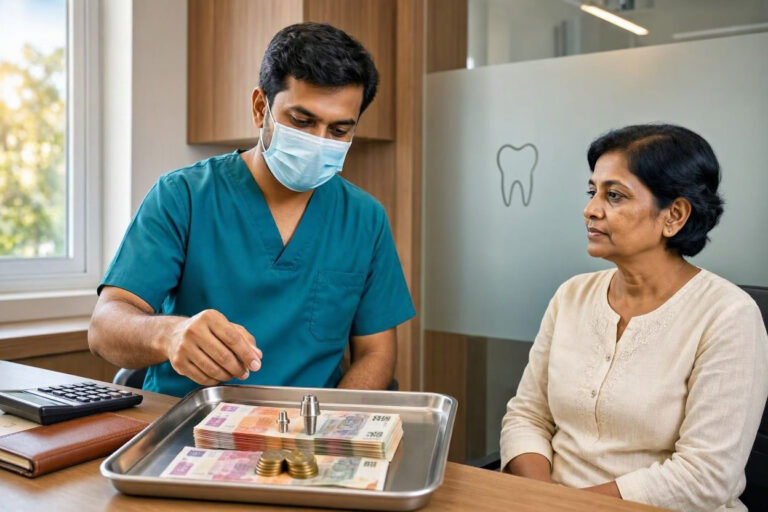
This is the number one question. Star Dental Implant costs vary widely based on location, dentist expertise, and your specific needs.
Average Price Range in the United States
| Component | Low Estimate | High Estimate |
|---|---|---|
| Consultation and 3D scan | $150 | $500 |
| Implant placement surgery | $1,500 | $3,000 |
| Abutment | $300 | $600 |
| Custom crown | $1,000 | $2,500 |
| Total Single Tooth | $2,950 | $6,600 |
These costs usually do not include preparatory work like bone grafting (300−800) or tooth extraction (200−600).
Why Are Star Implants Sometimes Pricier?
The star-shaped connection requires more precise manufacturing and specialized tools. Your dentist also needs extra training to place them correctly. You pay for higher engineering standards and potentially longer life.
Insurance and Financing Options
Most dental insurance plans cover 15% to 50% of the crown portion, but rarely the implant itself. Check your policy’s “major services” section.
Many dentists offer payment plans through companies like CareCredit, LendingClub, or in-house financing. Ask about:
- 0% interest for 6 to 12 months
- Extended plans (24-60 months) at 4-10% APR
- Discounts for paying in full with cash or check
Important Note for Readers: Never choose an implant based only on price. A cheap implant that fails will cost you twice as much to fix. Focus on value, experience, and guarantee.
Advantages of Choosing a Star Dental Implant
Why go through all this? The benefits are substantial and life-changing.
1. Natural Look and Feel
No one will ever know you have an implant. The ceramic crown reflects light like a real tooth. The implant itself transmits chewing pressure to your bone, just like a natural root.
2. Preserves Your Jawbone
When you lose a tooth, the underlying bone begins to melt away. It resorbs because it has no job. A Star Implant stops this process. It keeps your bone healthy and your facial shape intact.
3. No Damage to Neighboring Teeth
A traditional bridge requires grinding down two healthy teeth to act as anchors. A Star Implant touches no other teeth. You preserve 100% of your natural tooth structure.
4. Permanent Solution
With good care, a Star Dental Implant can last 30 years or more. Many last a lifetime. Compare this to a bridge that needs replacement every 7 to 10 years or dentures that loosen over time.
5. Improved Confidence
You will chew, laugh, and speak without worrying about a slipping denture or a visible gap. This psychological benefit is real and powerful.
Potential Risks and Honest Downsides
Being realistic means discussing the negatives too. No procedure is perfect.
Surgical Risks (Rare but Possible)
- Infection at the implant site
- Nerve damage causing numbness in your lip or chin
- Sinus perforation (for upper back teeth)
- Failure of osseointegration (implant does not fuse)
The failure rate for lower jaw implants is about 2-3%. For the upper jaw, it is about 5-7%. Smoking raises these rates significantly.
Common Complaints
- Cost: Even with insurance, you pay thousands out of pocket.
- Time: The entire process takes 4 to 9 months from start to finish.
- Multiple visits: Expect 5 to 8 appointments.
- No guarantee: Implants can fail months or years later due to poor hygiene or grinding.
Who Should Avoid Star Implants?
- Heavy smokers who cannot quit
- People with untreated gum disease
- Those taking intravenous bisphosphonates (osteoporosis drugs)
- Very young people (jaw still growing)
Daily Care and Maintenance
Here is the beautiful truth: caring for a Star Dental Implant is almost identical to caring for your natural teeth.
Your New Daily Routine
- Brush twice daily with a soft or extra-soft toothbrush.
- Floss once daily using unwaxed tape or superfloss.
- Use a water flosser on a low setting to clean around the abutment.
- Avoid extra-abrasive toothpaste (whitening pastes can scratch the crown).
- Visit your dentist every 6 months for professional cleaning and X-rays.
What to Never Do with an Implant
- Chew ice, hard candy, or bones
- Open packages with your teeth
- Use your teeth as tools
- Skip your nightguard if you grind your teeth (bruxism)
Grinding is a silent enemy. It creates extreme forces that can crack your crown or loosen the star-shaped connection. A custom nightguard costs 300−600 but protects a $5,000 investment.
Signs of Trouble
Call your dentist immediately if you notice:
- The crown feels loose or wiggly
- Bleeding or pus around the implant
- Pain when biting down
- The implant click or crack sound when chewing
Star Dental Implant vs. Other Tooth Replacement Options
Let us compare side by side. This table helps you see the big picture.
| Feature | Star Implant | Traditional Implant | Dental Bridge | Removable Partial Denture |
|---|---|---|---|---|
| Longevity | 30+ years | 20-30 years | 7-15 years | 5-10 years |
| Cost (single tooth) | 3k−6.5k | 3k−6k | 2k−5k | 1k−2.5k |
| Damages neighbors? | None | None | Yes | No, but can damage gums |
| Bone preservation | Excellent | Excellent | None | None |
| Comfort | Like natural tooth | Like natural tooth | Good | Fair (may move) |
| Procedure length | 4-9 months | 4-9 months | 2-3 weeks | 2-4 weeks |
| Insurance coverage | Low | Low | Medium | High |
Our take: If budget and time are your only limits, a bridge or denture is acceptable. But if you want the best long-term value and the closest thing to a real tooth, the Star Dental Implant wins.
Frequently Asked Questions (FAQ)
Is the Star Dental Implant FDA approved?
Yes. The materials (medical-grade titanium and zirconia) and the star-shaped connection design have received FDA clearance for dental use. Always ask your dentist to show you the certification if you want peace of mind.
Can I get a Star Implant if I have gum disease?
Not directly. Gum disease must be treated and controlled first. Active infection greatly increases failure risk. Your dentist will create a treatment plan to heal your gums before implant placement.
How long does a Star Dental Implant last?
With proper oral hygiene and regular dental checkups, most Star Implants last 30 years to a lifetime. The crown may need replacement after 15-20 years due to normal wear, but the implant itself stays.
Is the surgery painful?
You will not feel pain during the surgery due to local anesthesia. Afterward, you will feel soreness similar to a tooth extraction. Most people take over-the-counter pain relievers for 2-3 days.
Can my body reject a titanium implant?
True allergic rejection is extremely rare (less than 0.1% of patients). If you have known metal allergies, zirconia (metal-free) implants are available. Ask your dentist for an allergy patch test first.
How soon can I eat normally after a Star Implant?
You can eat soft foods immediately after surgery. You must avoid hard, sticky, or crunchy foods for about 4-6 months. After the final crown is placed, you can eat normally within one week.
Do Star Implants require special cleaning tools?
No special tools are required. A soft toothbrush, standard floss, and a water flosser work perfectly. Your dentist may recommend proxabrushes (tiny interdental brushes) for hard-to-reach areas.
What happens if the implant fails?
If failure occurs during the healing phase, your dentist will remove the implant, allow the bone to heal for 2-3 months, and then try again. Many practices offer a 5-year or 10-year warranty on the implant component itself.
Are Star Implants noticeable to other people?
Not at all. The custom ceramic crown matches the shade, shape, and translucency of your natural teeth. Only you and your dentist will know which tooth is an implant.
Can I have a Star Implant years after losing a tooth?
Yes, absolutely. However, the bone may have shrunk over time. You will likely need bone grafting before implant placement. This adds 4-6 months and extra cost, but the final result is still excellent.
Practical Tips for Choosing Your Implant Dentist
You now know the technical details. But finding the right professional is just as important as the implant itself.
Questions to Ask Before You Commit
- “How many Star Dental Implant systems have you placed?”
- “Do you have before-and-after photos of your own patients?”
- “What is your success rate for implants in my specific situation?”
- “What does your warranty cover? The implant, crown, or both?”
- “Who does your lab work? Local or overseas?”
- “What happens if the implant fails? Do I pay again?”
Red Flags to Avoid
- A dentist who guarantees 100% success (no honest expert does this).
- Prices that seem too good to be true (under $2,000 for everything).
- No 3D imaging equipment in the office.
- Pressure to decide today or “lose the discount.”
- Unwillingness to give you a written treatment plan with costs.
Green Flags to Look For
- Membership in the American Academy of Implant Dentistry (AAID).
- Dedicated implant coordinator on staff.
- Clear, written warranty (typically 5-10 years on implant parts).
- Use of a surgical guide (3D-printed template for perfect placement).
- Positive reviews specifically mentioning implant success.
Realistic Timeline Summary
To help you plan, here is a realistic calendar from day one to your final smile.
| Time Period | Activity |
|---|---|
| Day 1 | Consultation, 3D scan, treatment plan |
| Week 2 (if needed) | Bone grafting or extraction |
| Week 2-12 | Healing after preparatory work |
| Week 14 | Star Implant placement surgery |
| Week 14-30 | Osseointegration healing (3-4 months) |
| Week 30 | Abutment placement |
| Week 32 | Impressions for final crown |
| Week 34 | Final crown placement |
| Week 35 | Follow-up check and bite adjustment |
Total from start to finish: 8 to 9 months for most cases. Simple cases with no grafting may take only 4 to 5 months.
Conclusion
The Star Dental Implant represents modern dentistry at its best. It replaces not just the visible tooth, but the root. You preserve your jawbone, protect neighboring teeth, and regain full chewing power. The procedure takes months, but the result lasts decades.
Cost and time are real barriers. There is no way around that. However, for those who can make the investment, a Star Implant offers unmatched stability, natural appearance, and long-term reliability. It is not the only solution, but for many people, it is the best solution.
Three-line summary: The Star Dental Implant uses a unique star-shaped connection for exceptional stability and bone preservation. The full process takes 4 to 9 months and costs between 3,000and6,500 per tooth. With proper care, this permanent replacement can last 30 years to a lifetime.
Additional Resource
For a deeper dive into implant-supported restorations and to find a certified provider near you, visit the American Academy of Implant Dentistry’s public resource page:
🔗 https://www.aaid.com/patients (Open to the public – no registration required)
This official site offers a “Find a Dentist” tool, patient education brochures, and a checklist for your first consultation.
Disclaimer:
This article is for informational purposes only and does not constitute medical or dental advice. Always consult with a licensed dental professional for diagnosis and treatment. Individual results vary based on health, anatomy, and adherence to aftercare instructions. The author and publisher are not responsible for any outcomes resulting from the use of this information.