what do they need to know dentist
Walking into a dental office can trigger a wide range of emotions. For some, it is a routine healthcare errand. For others, it brings a wave of mild nervousness or even profound anxiety. No matter where you fall on this spectrum, there is a fundamental truth that shapes every single dental appointment: communication is the foundation of excellent clinical care.
When patients sit in the dental chair, they often assume that the practitioner’s only focus is the condition of their teeth and gums. However, modern dentistry does not view the mouth in isolation. Your oral cavity is an integral, deeply connected gateway to the rest of your body. What happens in your systemic health directly impacts your oral health, and vice versa.
To provide the safest, most effective, and highest quality treatment, your dental team requires a comprehensive understanding of who you are as a patient. This goes far beyond counting your fillings or checking for cavities. They need a complete picture of your medical history, your daily lifestyle choices, your past psychological experiences with dental care, and your long-term aesthetic goals.
This guide serves as an ultimate, definitive manual designed to answer a crucial question: what do they need to know dentist teams require from you? By understanding what information is vital to share, you can actively protect your health, prevent dangerous medical complications, optimize your treatment outcomes, and transform your appointments into collaborative, stress-free experiences.

1. The Core Medical History: Why Your Entire Body Matters to Your Dentist
The most common misconception among dental patients is that their general medical history is irrelevant to a professional who works exclusively inside the mouth. This misunderstanding can lead to withheld information, which in turn compromises patient safety.
Your dentist is a doctor of oral medicine. The medications they prescribe, the anesthetics they administer, and the surgical procedures they perform interact directly with your systemic physiology.
Cardiovascular Conditions and Vital Precautions
Your heart health is of paramount importance during any dental treatment. The cardiovascular system is highly sensitive to the stresses of dental procedures and the pharmacological agents used to manage pain and anxiety.
- High Blood Pressure (Hypertension): If you have high blood pressure, your dentist needs to know before any treatment begins. Local anesthetics frequently contain epinephrine (adrenaline), which acts as a vasoconstrictor to prolong the numbing effect and control bleeding. However, epinephrine can temporarily elevate blood pressure and heart rate. For patients with severe or uncontrolled hypertension, the dental team must carefully adjust the dosage or use an epinephrine-free anesthetic alternative. Furthermore, extreme high blood pressure at the time of the appointment may require postponing elective procedures to prevent a cardiovascular emergency in the chair.
- Previous Heart Attacks, Strokes, or TIA: If you have experienced a myocardial infarction (heart attack), a stroke, or a transient ischemic attack (TIA), dental protocols must be modified. Typically, elective dental treatments are deferred for at least six months following a major cardiovascular event to allow the body to stabilize. Your dentist will also coordinate with your cardiologist to determine if you can safely undergo complex oral surgeries.
- Congenital Heart Defects and Artificial Heart Valves: Patients with a history of specific cardiac conditions—such as prosthetic heart valves, a history of infective endocarditis, or certain unrepaired congenital heart defects—are at a high risk of developing a life-threatening infection if bacteria from the mouth enter the bloodstream during invasive dental procedures. To prevent this, your dentist must prescribe prophylactic antibiotics to be taken exactly one hour before your appointment.
Metabolic Disorders: The Diabetes Connection
Diabetes mellitus is perhaps the most vivid example of the bidirectional link between oral and systemic health.
+-------------------------------------------------------------------------+
|                       THE DIABETES-DENTAL LOOP                          |
|                                                                         |
|  Uncontrolled Blood Sugar ----> High Glucose in Saliva                  |
|                                        |                                |
|                                        v                                |
|  Severe Periodontal Disease <---- Rapid Bacterial Growth & Infection    |
|             |                                                           |
|             v                                                           |
|  Increased Insulin Resistance ----> Worsened Blood Sugar Control        |
+-------------------------------------------------------------------------+
When a patient has diabetes, their body’s ability to fight off infections is significantly reduced, and their healing processes are slowed down. If your blood sugar levels are unstable, you are much more prone to developing severe periodontal (gum) disease, oral thrush (fungal infections), and dry mouth.
Your dentist must know your current HbA1c levels and whether you are prone to hypoglycemic episodes (low blood sugar). Knowing this allows the team to schedule your appointments in the morning when cortisol levels are naturally higher and blood sugar is typically more stable, and to keep emergency glucose sources readily available in the operatory.
Respiratory Illnesses and Airway Management
Chronic respiratory issues alter how a dentist approaches your positioning in the chair and the tools they use during your treatment.
- Asthma: If you use a rescue inhaler, it must be sitting on the bracket table next to you during your appointment, not tucked away in a purse or vehicle. Dental anxiety can trigger asthma attacks. Additionally, certain materials or powders used in dental clinics can act as respiratory irritants.
- Chronic Obstructive Pulmonary Disease (COPD): Patients with severe COPD often cannot breathe comfortably when reclined completely flat in a traditional dental chair. Your dentist needs to know this so they can treat you in a more upright, semi-supine position. Furthermore, the use of nitrous oxide (laughing gas) or heavy sedation is often contraindicated or requires extreme caution in patients with compromised lung function.
2. Medication Logs and Supplement Disclosure
Every substance you put into your body—whether it is a heavy-duty prescription drug, an over-the-counter painkiller, or an all-natural herbal supplement—has the potential to impact your dental treatment.
The Hidden Dangers of Blood Thinners
If you take antiplatelet or anticoagulant medications such as Warfarin, Clopidogrel (Plavix), Rivaroxaban (Xarelto), Apixaban (Eliquis), or even daily high-dose aspirin, your blood’s ability to clot is intentionally impaired.
While these medications are vital for preventing strokes and blood clots, they pose a significant challenge during dental procedures that cause bleeding, such as tooth extractions, deep scaling (root planing), or dental implant placement.
CRITICAL SAFETY NOTE: Never stop taking your prescribed blood thinners before a dental appointment without explicit, direct instructions and clearance from your prescribing physician or cardiologist. Doing so can drastically increase your risk of a stroke. Instead, inform your dentist, who can measure your clotting efficiency (such as checking your INR level for Warfarin) and use localized hemostatic agents, specialized suturing techniques, or collagen plugs to manage bleeding safely without altering your systemic medication regimen.
Bone-Density Medications (Bisphosphonates)
Millions of individuals take medications to combat osteoporosis or to manage certain types of cancers. Drugs like Alendronate (Fosamax), Ibandronate (Boniva), Risedronate (Actonel), or intravenous medications like Zoledronic Acid (Reclast/Zometa) fall into a class called bisphosphonates.
These medications work by altering the remodeling cycle of bone tissue. While excellent for strengthening weak bones, they carry a rare but severe side effect known as Medication-Related Osteonecrosis of the Jaw (MRONJ). If an invasive bone procedure—like a tooth extraction—is performed while a patient is on these drugs, the jawbone can fail to heal, leading to painful exposure and death of the bone tissue. Your dentist must know your complete history with these medications to implement specialized, ultra-conservative treatment strategies.
Over-the-Counter Supplements and Herbs
Just because a product is labeled “natural” or purchased over the counter does not mean it is inert. Many common herbal supplements significantly alter bleeding times and interact negatively with dental drugs.
- Ginkgo Biloba, Garlic, Ginseng, and Vitamin E: All of these popular supplements possess mild anticoagulant properties. When combined with minor dental surgery, they can lead to prolonged, unexpected post-operative bleeding.
- St. John’s Wort: This popular herbal remedy for mood elevation can dramatically accelerate the metabolism of other drugs in the liver, potentially rendering local anesthetics, pain medications, or post-operative antibiotics less effective.
3. Allergies and Adverse Reactions: Protecting Your System
An allergic reaction in a dental office can range from an uncomfortable localized rash to a life-threatening anaphylactic crisis. Providing a highly detailed list of all known allergies is one of the most critical responsibilities of a patient.
Local Anesthetics and Epinephrine Concerns
True allergic reactions to modern amide local anesthetics (like Lidocaine, Articaine, or Mepivacaine) are extraordinarily rare. However, many patients have had past experiences where their heart raced, they felt dizzy, or they experienced a wave of panic immediately after receiving a numbing injection.
In the vast majority of cases, this is not an allergic reaction. Rather, it is a normal physiological sensitivity to the epinephrine contained within the injection, or a minor vasovagal response triggered by fear of needles.
It is vital to tell your dentist if you have had this experience. They will not judge you; instead, they will simply switch to a different anesthetic formulation that does not contain epinephrine, ensuring your heart rate remains completely stable throughout the procedure.
Antibiotic Allergies: Moving Beyond Penicillin
Penicillin and its derivatives (such as Amoxicillin) are the traditional first-line defenses used by dentists to combat oral infections. However, penicillin allergy is one of the most frequently reported drug allergies.
If you experience hives, swelling of the face or throat, or breathing difficulties when taking penicillin, your dentist must select an entirely different class of antibiotics, such as Clindamycin, Azithromycin, or Cephalexin (though caution is exercised with cephalosporins due to cross-reactivity risks).
Conversely, if you were told as a child that you were allergic to penicillin because of a mild stomachache or nausea, clarify this with your dentist. True allergies involve the immune system, whereas gastrointestinal upset is an adverse side effect. Distinguishing between the two helps your dentist make the best clinical choice.
+-----------------------------------------------------------------------+
|                     ALLERGY VS. ADVERSE SIDE EFFECT                   |
+-----------------------------------------------------------------------+
|  TRUE ALLERGY (Immune Response)    |  ADVERSE SIDE EFFECT             |
|  - Hives, rashes, or welts         |  - Mild nausea or stomach upset  |
|  - Swelling of face, lips, throat  |  - Mild dizziness or headache    |
|  - Difficulty breathing / Wheezing |  - Temporary racing heart rate   |
|  --------------------------------  |  ------------------------------  |
|  Action: Avoid drug completely.    |  Action: Adjust dose / modify.   |
+-----------------------------------------------------------------------+
Latex Sensitivity and Material Intolerances
Although the dental industry has largely shifted away from natural rubber latex to mitigate allergic risks, some clinics still use latex products in certain gloves, rubber dams, or clinical items.
If you have a known latex allergy, your dental team must ensure that the entire operatory environment is strictly latex-free before you step foot inside. Additionally, if you have known sensitivities to specific metals (such as nickel, which is common in costume jewelry), you must share this information, as nickel and other base metals can sometimes be present in older dental crowns, partial denture frameworks, or orthodontic components.
4. Dental Anxiety, Phobias, and Past Trauma
The mind and the body are profoundly intertwined. For millions of people, dental anxiety is a very real, paralyzing barrier that prevents them from seeking timely oral care.
If you feel terrified of the dentist, the absolute best thing you can do is talk about it openly. Your dental team cannot adapt their approach to your emotional needs if they do not know those needs exist.
De-stigmatizing Dental Fear
Dentists are highly trained to manage fearful patients, but they are not mind readers. Many patients try to mask their terror, sitting silently in the chair with white knuckles, a racing pulse, and shallow breathing. This state of hyper-arousal makes the perception of pain much more acute and makes the appointment exhausting for everyone involved.
Tell your dentist explicitly: “I have severe dental anxiety, and I feel incredibly nervous right now.”
Acknowledging this immediately shifts the dynamic from a clinical task to an empathetic, patient-centered interaction. It allows the dentist to slow down, explain every step before it happens, and give you back a sense of total control over the environment.
Identifying Specific Triggers
Fear of the dentist is rarely a vague, generalized concept. It is usually anchored to very specific sensory inputs or past experiences. Pinpointing exactly what triggers your anxiety helps your team build a customized comfort protocol for you.
- The Sound of the Drill: For many, the high-pitched whine of the dental handpiece is the ultimate trigger. If this is true for you, your dentist can encourage you to wear noise-canceling headphones playing your favorite music or a calming podcast during treatment.
- Fear of Needles (Trypanophobia): If the thought of the local anesthetic injection makes you faint, your dentist can apply an ultra-potent topical numbing gel to the gums for several minutes beforehand, use computerized local anesthetic delivery systems that minimize pressure pain, or keep the syringe completely out of your direct line of sight.
- An Overactive Gag Reflex: If having dental mirrors, films, or instruments in your mouth makes you feel like you are choking, your dentist needs to know. They can use specialized throat sprays, adjust your seating position, or break the treatment down into tiny, manageable increments with frequent breaks.
Establishing Control via Stop Signals
One of the primary drivers of dental panic is the feeling of absolute helplessness—the sense that you are trapped in a chair with someone working in your mouth and you cannot escape or speak.
You can easily eliminate this fear by establishing a clear, non-verbal stop signal before any instruments enter your mouth.
“Before we begin any procedure, let’s agree on a signal. If at any point you feel pain, discomfort, or simply need a moment to breathe and catch your collective thoughts, simply raise your left hand. The very second that hand goes up, I will stop all movement, remove the instruments from your mouth, and allow you to rest until you are completely ready to continue.”
— Standard Patient Comfort Protocol
This simple agreement places the ultimate control of the speed of the appointment directly in your hands, which drastically reduces baseline anxiety levels.
5. Pregnancy and Reproductive Health
Pregnancy is a beautiful, transformative journey, but it introduces massive hormonal and physiological shifts that directly affect your oral health and determine the safety parameters of your dental treatments.
The Myth of Avoiding the Dentist During Pregnancy
There is a dangerous, persistent old wives’ tale that pregnant women should completely avoid the dentist until after their baby is born. This is entirely false and inherently dangerous. Thorough dental care is not only safe during pregnancy; it is absolutely vital for the health of both the mother and the developing fetus.
During pregnancy, a massive surge in progesterone and estrogen causes the blood vessels in the gums to become hyper-responsive to the bacteria present in dental plaque. This leads to a condition known as pregnancy gingivitis, characterized by swollen, bright red gums that bleed profusely upon brushing or flossing.
If left untreated, severe gum infections have been linked in numerous clinical studies to adverse pregnancy outcomes, including pre-term births and low birth weights. Keeping your teeth professionally cleaned during pregnancy is a critical component of prenatal care.
Trimestral Timing and Safety Standards
While routine cleanings and exams are safe at any stage of pregnancy, more complex or elective dental interventions are carefully timed based on your current trimester.
+-----------------------------------------------------------------------------+
|                      PREGNANCY DENTAL CARE ROADMAP                          |
+-----------------------------------------------------------------------------+
|  1st Trimester (Weeks 1 - 12)   |  - Critical organogenesis phase for baby. |
|                                 |  - Focus on routine cleanings & hygiene.  |
|                                 |  - Defer elective procedures.             |
+--------------------------------------------------+--------------------------+
|  2nd Trimester (Weeks 13 - 27)  |  - THE IDEAL WINDOW FOR TREATMENT.        |
|                                 |  - Fetal development is stable.          |
|                                 |  - Safe for fillings, crowns, root canals|
+--------------------------------------------------+--------------------------+
|  3rd Trimester (Weeks 28+)      |  - Safe, but physically uncomfortable.    |
|                                 |  - Avoid laying flat (Vena Cava Syndrome)|
|                                 |  - Emergency treatments only.            |
+-----------------------------------------------------------------------------+
- First Trimester: This is the phase of critical organogenesis for the embryo. It is also the time when many women experience intense morning sickness. Because gastric acid from vomiting can rapidly erode tooth enamel, your dentist needs to know if you are struggling with morning sickness so they can provide specialized enamel-protecting strategies (such as rinsing with baking soda water rather than brushing immediately after vomiting).
- Second Trimester: This is the golden window for any necessary dental work, such as treating cavities or placing crowns. The baby is stable, and the mother is typically past the stage of severe morning sickness and is still physically comfortable sitting in the chair.
- Third Trimester: While care is still safe, sitting reclined for long periods can become extremely uncomfortable. Furthermore, laying flat on your back can cause the heavy uterus to compress the inferior vena cava, a major blood vessel, leading to a sudden drop in blood pressure (Supine Hypotensive Syndrome). Your dentist will modify your position using pillows to tilt you slightly onto your left side.
Navigating Dental X-Rays and Local Anesthetics
It is completely natural for expectant mothers to worry about diagnostic radiation and numbing medications. However, modern dental protocols have rendered these concerns exceptionally minimal.
- Digital Radiographs: Modern digital dental X-rays emit vanishingly small amounts of radiation. When combined with a protective lead apron equipped with a thyroid collar, the exposure to the developing baby is virtually zero. Dentists will typically limit X-rays during pregnancy to diagnostic emergencies, but you can rest assured that if an X-ray is required to diagnose a painful tooth infection, it is safe to perform.
- Anesthetic Safety: Local anesthetics like Lidocaine are classified as safe for use during pregnancy. Controlling the mother’s pain and preventing dental infections from spreading systemically is far healthier for the baby than leaving a dental disease untreated due to fear.
6. Daily Lifestyle Habits and Substance Use
To provide truly comprehensive preventative care and accurate diagnoses, your dentist needs an honest, non-judgmental look into your daily habits, dietary choices, and substance use.
Tobacco, Vaping, and Nicotine Consumption
Whether you smoke cigarettes, use smokeless tobacco, or vape electronic cigarettes, nicotine significantly alters the oral cavity.
Nicotine is a potent vasoconstrictor. It shrinks the tiny blood vessels in your gums. Because of this, individuals who smoke heavily often do not notice their gums bleeding, even if they have advanced, destructive periodontal disease. The classic warning sign of gum disease is masked by the drug.
Furthermore, tobacco use drastically slows down the body’s healing capabilities. If you are planning to get a dental implant or undergo a tooth extraction, tobacco use increases the failure rate of implants and significantly rises the risk of developing a painful dry socket (where the protective blood clot in the extraction site dissolves prematurely).
Being honest about your tobacco or vaping habits allows your dentist to provide targeted post-operative care and conduct thorough, potentially life-saving oral cancer screenings at every checkup.
Alcohol Consumption and Oral Health
Regular or heavy alcohol use impacts your oral cavity in multiple hidden ways. Alcohol acts as a systemic dehydrator, leading to chronic dry mouth (xerostomia). Saliva is your mouth’s natural defense mechanism; it neutralizes bacterial acids and washes away food particles. Without a healthy flow of saliva, cavity rates skyrocket.
Additionally, chronic heavy alcohol consumption can impair liver function, which directly affects how your body produces blood-clotting factors. If your dentist is planning a surgical procedure, they must be aware of heavy alcohol history to anticipate potential bleeding complications and to ensure that any medications they prescribe do not overload an already stressed liver.
Recreational Cannabis and Substance Disclosure
As cannabis legalities evolve worldwide, open disclosure with your healthcare providers becomes increasingly vital. Your dentist does not care about the legality or social politics of your substance use; they care exclusively about your immediate physiological safety during treatment.
+-------------------------------------------------------------------------+
|                  CANNABIS AND DENTAL ANESTHESIA RISKS                   |
+-------------------------------------------------------------------------+
|  Active THC in Bloodstream + Epinephrine-containing Dental Injection    |
|                                     |                                   |
|                                     v                                   |
|             UNPREDICTABLE, DANGEROUS SPIKE IN HEART RATE                |
|               AND POTENTIAL CARDIOVASCULAR STRESS                       |
+-------------------------------------------------------------------------+
If you ingest or smoke cannabis shortly before a dental appointment, the active compounds interact profoundly with local anesthetics. Cannabis can cause a resting tachycardia (elevated heart rate). If a dentist then injects a local anesthetic containing epinephrine, your heart rate can spike to dangerous, unpredictable levels, inducing severe panic or cardiac strain.
Furthermore, chronic cannabis smoking alters the oral mucosa and increases tissue sensitivity, making post-operative healing more complicated. Always be completely transparent about when you last used cannabis.
7. Dietary Choices, Invisible Sugars, and Eating Disorders
Your teeth are the only parts of your skeletal system that come into direct contact with the external world. Therefore, your dietary habits leave an indelible blueprint on your enamel.
The Hidden Acids and Carbohydrates in “Healthy” Diets
Many patients are utterly baffled when they present with multiple new cavities despite maintaining what they believe to be an immaculate, health-conscious lifestyle.
The culprit is often found in the frequent consumption of acidic or sugar-dense “healthy” foods. Regular consumption of kombucha, apple cider vinegar shots, sparkling waters with citrus infusions, dried fruits, or green smoothies can cause severe, widespread acid erosion of the enamel.
When enamel is eroded and softened by acid, bacteria can easily penetrate the tooth structure and form cavities. Sharing your exact dietary patterns helps your dentist identify these hidden traps and recommend neutralizers, like rinsing with plain water immediately after consuming acidic foods.
Eating Disorders: The Dental Signposts of Bulimia and Anorexia
Eating disorders are deeply complex mental and physical health challenges. Because of the highly sensitive nature of these conditions, patients often try to hide them. However, chronic purging (self-induced vomiting) leaves unmistakable, highly specific patterns of damage on the teeth, known as perimylolysis.
When stomach acid repeatedly floods the mouth, it rapidly dissolves the thick enamel from the lingual surfaces—the inside faces of the teeth facing the tongue. Over time, the teeth become thin, translucent, brittle, and highly sensitive, and fillings may begin to stand out like raised islands as the surrounding natural tooth structure vanishes.
If you are battling an eating disorder, sharing this with your dentist can save your teeth from irreversible destruction. A compassionate dentist will never judge or lecture you. Instead, they will act as a supportive ally in your recovery journey, providing immediate protective therapies like custom fluoride trays, prescribing neutralizing mouth rinses, and advising you never to brush your teeth immediately after a purging episode, as the abrasive bristles will literally scrub away the acid-softened enamel.
8. Identifying Dental Symptoms: What to Track and Report
When you experience discomfort in your mouth, simply saying “my tooth hurts” is often not enough to pinpoint the exact root cause of the issue. To help your dentist diagnose problems with absolute precision, you should become an active tracker of your own symptoms.
The Nuances of Tooth Pain
Different types of tooth pain point to completely different structural issues within the tooth or surrounding bone. Pay close attention to the specific personality of your pain:
- Sharp, Fleeting Sensitivity to Cold or Sweets: This classic symptom typically indicates a localized area of enamel loss, a exposed tooth root due to gum recession, an micro-fracture, or a minor cavity that has reached the dentin layer. It usually means the nerve inside the tooth is irritated but still healthy and reversible.
- Lingering, Throbbing Pain After Exposure to Heat: If you drink hot coffee and your tooth throyes with pain that lasts for minutes or hours afterward, this is a strong indicator of irreversible pulpitis—meaning the nerve deep inside the tooth is dying and requires a root canal treatment.
- Dull, Deep Ache When Biting Down: Pain triggered specifically by pressure or chewing often points to a cracked tooth, an inflammation of the periodontal ligament surrounding the root, or a periapical abscess (a localized infection at the very tip of the tooth root inside the jawbone).
Tracking Changes in Soft Tissues
Your teeth are only half of the oral equation; your soft tissues are equally expressive. You should monitor and report:
- Persistent Mouth Sores: Any ulcer, canker sore, or red/white patch inside your cheeks, under your tongue, or on your gums that does not completely heal within 14 days must be evaluated by a dentist to rule out oral precancers or malignancies.
- Localized Gum Swelling: A small bump on your gums that looks like a pimple (often called a gum boil or parulis) is a classic drainage pathway for a chronic infection originating from a dead nerve or a deep periodontal pocket. It requires immediate diagnostic X-rays.
9. Sleep Quality, Teeth Grinding (Bruxism), and Airway Health
Dentistry has expanded dramatically into the realm of sleep medicine and airway management. Your dentist is often the very first healthcare provider to spot the life-threatening signs of Obstructive Sleep Apnea (OSA).
The Destructive Path of Nocturnal Bruxism
Do you wake up in the morning with a dull, tension-like headache across your temples? Is your jaw stiff, sore, or clicking when you eat breakfast? These are primary symptoms of nocturnal bruxism—the subconscious clenching and grinding of your teeth while you sleep.
+--------------------------------------------------------------------------+
|                     CONSEQUENCES OF UNTREATED BRUXISM                    |
+--------------------------------------------------------------------------+
|  - Flattened, shortened teeth with exposed yellow dentin.                 |
|  - Micro-fractures in enamel requiring complex crowns or root canals.     |
|  - Accelerated recession of the gums and notched root surfaces.           |
|  - Chronic inflammation and pain in the Temporomandibular Joints (TMJ).  |
+--------------------------------------------------------------------------+
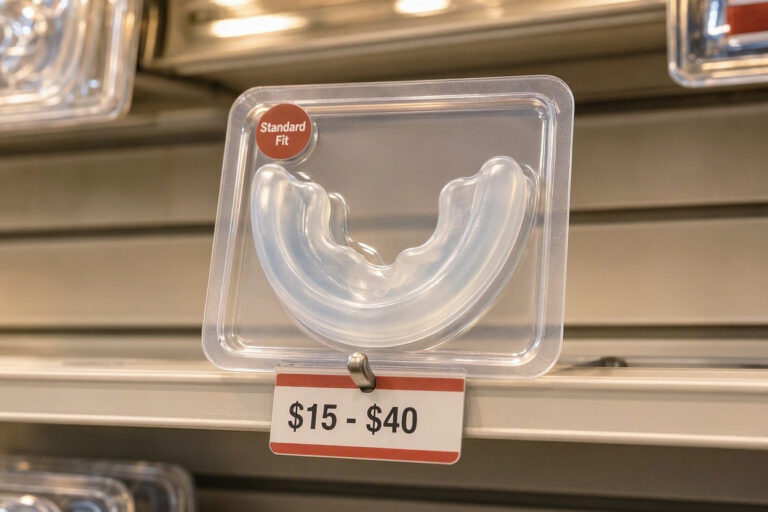
If you are aware that you grind your teeth, or if a partner has complained about a loud, rhythmic clicking or scraping sound coming from your jaws at night, tell your dentist. They can fabricate a custom-fitted occlusal nightguard that acts as a protective barrier, absorbing the immense crushing forces of your jaw muscles and saving your teeth from catastrophic wear.
Sleep Apnea: The Mouth as an Airway Indicator
During a routine oral examination, your dentist looks far past your teeth. They look down your throat to evaluate your soft palate, tonsils, and tongue size using a clinical scale called the Mallampati score.
If you struggle with chronic snoring, daytime exhaustion, or wake up gasping for air in the middle of the night, your dentist needs to know. These are classic signs of Obstructive Sleep Apnea, a condition where the airway physically collapses during sleep, cutting off oxygen to the brain.
If your dentist spots signs of airway restriction—such as a heavily scalloped tongue (edges showing indentations from the teeth due to crowding) or an elongated soft palate—they can refer you for an official sleep study and help design a specialized Mandibular Advancement Device (MAD). This custom dental appliance gently holds your lower jaw forward at night, keeping your airway wide open and treating sleep apnea without the need for a bulky CPAP machine.
10. Long-Term Aesthetic Goals and Cosmetic Desires
Dentistry is an intricate blend of medical science and fine art. When discussing your smile with your dentist, your personal aesthetic desires are just as important as your biological needs.
Openly Discussing Cosmetic Dissatisfactions
Many patients feel self-conscious or shallow when bringing up aesthetic complaints with their dentist. They assume the dentist only cares about health, not beauty. This is a missed opportunity.
If you are unhappy with the shade of your teeth, the presence of minor gaps, slight crowding, or an asymmetrical smile line, speak up. Modern cosmetic dentistry offers incredibly diverse, minimally invasive options to transform your confidence.
By communicating your long-term goals early, your dentist can design a comprehensive treatment plan that addresses both health and aesthetics simultaneously. For instance, if you plan to whiten your teeth and replace an old silver filling with a tooth-colored composite resin, the whitening should always be done before the filling is placed, allowing the dentist to perfectly match the new resin material to your newly brightened enamel.
Clear Expectations vs. Structural Realities
When exploring cosmetic transformations—whether through professional chemical whitening, porcelain veneers, clear aligner orthodontics, or full-mouth reconstructions—total transparency about your expectations is paramount.
Every human face has unique structural, skeletal, and anatomical limitations. A smile that looks flawless on a celebrity may not complement your unique facial proportions or bite alignment.
Your dentist needs to understand exactly what you hope to achieve so they can provide an honest, realistic assessment. Utilizing digital smile design technologies, diagnostic wax-ups, or temporary mock-ups, they can show you a realistic preview of your potential results before a single tooth is touched, ensuring your final outcome matches your vision.
Comprehensive Summary Table: What to Tell Your Dentist
To make tracking your information easy, review this comprehensive quick-reference checklist of everything your dental team needs to know.
| Category of Information | Key Details to Share with Your Dentist | Clinical Reason / Impact on Care |
| Cardiovascular Health | High blood pressure, history of stroke/heart attack, artificial valves, congenital heart conditions. | Directs safe anesthetic choices, determines the need for pre-procedure antibiotic prophylaxis, prevents cardiac events. |
| Metabolic Disorders | Type 1 or Type 2 Diabetes, current HbA1c levels, history of low blood sugar episodes. | Anticipates slower healing times, manages higher risks of gum infections, dictates ideal morning appointment scheduling. |
| Medications & Supps | Blood thinners, bisphosphonates (osteoporosis drugs), herbal supplements (Ginkgo, St. John’s Wort). | Prevents prolonged post-surgical bleeding, avoids jawbone healing failure (MRONJ), stops dangerous drug interactions. |
| Allergies | Penicillin, latex, base metals (nickel), history of racing heart after local numbing injections. | guides alternative antibiotic selection, ensures latex-free environment, eliminates epinephrine complications. |
| Psychological Factors | Dental anxiety, dental phobias, history of traumatic appointments, sensitive gag reflex. | Allows the team to slow down, implement stop-signals, offer nitrous oxide or sedation, and manage comfort. |
| Reproductive Health | Current pregnancy status, exact week/trimester, presence of morning sickness. | Prevents morning sickness enamel erosion, times active procedures safely in the 2nd trimester, alters chair positioning. |
| Lifestyle Choices | Smoking habits, vaping, regular alcohol consumption, recent usage of recreational cannabis. | Evaluates oral cancer risks, tracks hidden gum disease, avoids dangerous anesthetic-cannabis cardiac spikes. |
| Diet & Eating Habits | High intake of acidic drinks, frequent snacking, history of eating disorders (purging/bulimia). | Pinpoints hidden causes of rapid enamel erosion and cavities, provides protective strategies for enamel recovery. |
| Sleep Patterns | Morning headaches, jaw joint soreness, chronic snoring, history of sleep apnea. | Guides fabrication of protective nightguards for grinding, screen for life-threatening airway blockages. |
| Aesthetic Desires | Wish for whiter teeth, closing of gaps, changing tooth shape, replacing old metallic restorations. | Integrates cosmetic desires with health treatments, ensures correct sequencing of whitening and fillings. |
11. How to Prepare for Your Next Appointment: A Practical Step-by-Step Guide
Now that you understand the immense value of open communication, here is a highly practical, stress-free routine you can follow before your next dental checkup to ensure no vital details are forgotten.
Step 1: Create Your Ultimate Master Health Document
Do not rely on your memory while sitting in a busy waiting room filling out medical history clipboards. Create a simple text file on your phone or print a small sheet of paper that includes:
- A complete, updated list of every prescription medication, over-the-counter drug, and supplement you take, including precise dosages.
- The exact names and phone numbers of your primary care physician and any active specialists you see (such as your cardiologist or endocrinologist).
- A concise summary of your major medical diagnoses, previous surgeries, and dates of any significant hospitalizations.
Step 2: Write Down Your Symptom and Aesthetic Notes
If you have noticed any fleeting tooth sensitivity, jaw stiffness, or a small spot in your mouth that feels unusual, write it down immediately when it happens. Note what triggers the sensation (cold water, hot food, chewing pressure) and how long the discomfort lasts. If you have questions about cosmetic procedures, jot down those goals as well. Bring this list directly into the treatment room.
Step 3: Speak Up Early and Proudly
The moment you are called back into the clinical operatory and sit in the dental chair, take a brief moment to sync up with the dental assistant or hygienist before the clinical examination begins.
Hand them your medical document and your question list. Say: “I’ve compiled an updated list of my medical history, current medications, and a few minor concerns I want to ensure we discuss with the dentist today.”
This proactive step instantly establishes you as a valued, informed co-pilot in your own healthcare journey, ensuring that your treatment is perfectly optimized for safety, comfort, and success.
Additional Resource
For patients looking for an excellent, authoritative tool to double-check drug interactions or to find highly detailed, peer-reviewed explanations of the mouth-body connection, visit the official American Dental Association (ADA) Patient Resource Center at MouthHealthy.org. This non-profit platform provides interactive dental symptom checkers, specialized guides for dental care during pregnancy, and comprehensive materials designed to help you communicate more effectively with your dental team.
Frequently Asked Questions (FAQ)
Q1: Why does my dentist need to know if I take natural herbal supplements?
A: Many natural supplements contain highly active biochemical compounds that directly alter your body’s physiology. For example, supplements like Ginkgo Biloba, Garlic, Ginseng, and high-dose Vitamin E act as natural blood thinners that can cause prolonged bleeding during dental surgeries. Other herbs, like St. John’s Wort, alter liver metabolism and can reduce the effectiveness of local anesthetics and post-operative medications.
Q2: Is it safe to undergo dental treatments or dental X-rays while I am pregnant?
A: Yes, it is completely safe and highly recommended. Pregnant women are highly susceptible to “pregnancy gingivitis” due to intense hormonal shifts, and untreated oral infections can pose health risks to the developing baby. Modern digital dental X-rays emit minimal radiation, and when paired with a protective lead apron, the exposure to the baby is virtually zero. Necessary treatments like fillings are ideally performed during the second trimester.
Q3: Why does my dentist ask about my history of alcohol and smoking habits?
A: Tobacco use, vaping, and regular alcohol consumption profoundly alter the tissues of your mouth. Nicotine constricts blood vessels, masking the bleeding signs of advanced gum disease and heavily delaying healing after extractions or implant placements. Alcohol dehydrates the mouth, lowering protective saliva flow and raising cavity rates. Furthermore, both habits are primary risk factors for oral cancer, making disclosure vital for accurate clinical screenings.
Q4: I feel incredibly terrified of dental procedures. Will my dentist judge me if I admit this?
A: Absolutely not. Dental anxiety and phobia are exceptionally common, and modern dental teams are specifically trained to manage fearful patients with deep empathy and compassion. Sharing your fears openly allows your dentist to adapt their clinical pace, apply powerful topical numbing gels, establish clear “stop signals” so you retain complete control, or offer safe calming options like nitrous oxide (laughing gas).
Q5: What is the connection between my jaw pain, morning headaches, and my dentist?
A: If you wake up with dull headaches, temple tension, or a stiff, clicking jaw, you are likely suffering from nocturnal bruxism—the unconscious clenching and grinding of your teeth during sleep. Your dentist can diagnose this destructive habit by checking your teeth for flat wear facets and can easily fabricate a custom-fitted occlusal nightguard to protect your enamel and alleviate pressure on your temporomandibular joints (TMJ).
Conclusion
Your oral cavity is a highly expressive mirror reflecting your entire body’s health, making complete transparency with your dental team an absolute necessity for your safety. By openly communicating your complete medical history, active medications, lifestyle habits, and dental anxieties, you prevent dangerous clinical complications and empower your dentist to deliver customized, pain-free care. Ultimately, being an active, honest communicator transforms your dental visits into a true partnership, protecting your beautiful smile and your systemic well-being for a lifetime.
Disclaimer: The information provided in this article is for educational and informational purposes only. It is not intended to be a substitute for professional medical or dental advice, diagnosis, or treatment. Always seek the advice of your dentist, physician, or other qualified healthcare provider with any questions you may have regarding a medical or dental condition or treatment plan. Never disregard professional medical advice or delay in seeking it because of something you have read here.