What Does A Private Partial Denture Cost?
Losing one or more teeth can affect your ability to eat, speak, and smile with confidence. A partial denture is a common and effective solution for replacing missing teeth. While the NHS offers a more basic version at a subsidised cost, many patients choose to go private for a better fit, a more natural appearance, and greater comfort. This guide will explore the cost of a private partial denture in the UK, the different materials available, and the factors that influence the final price.
Understanding Private Partial Dentures
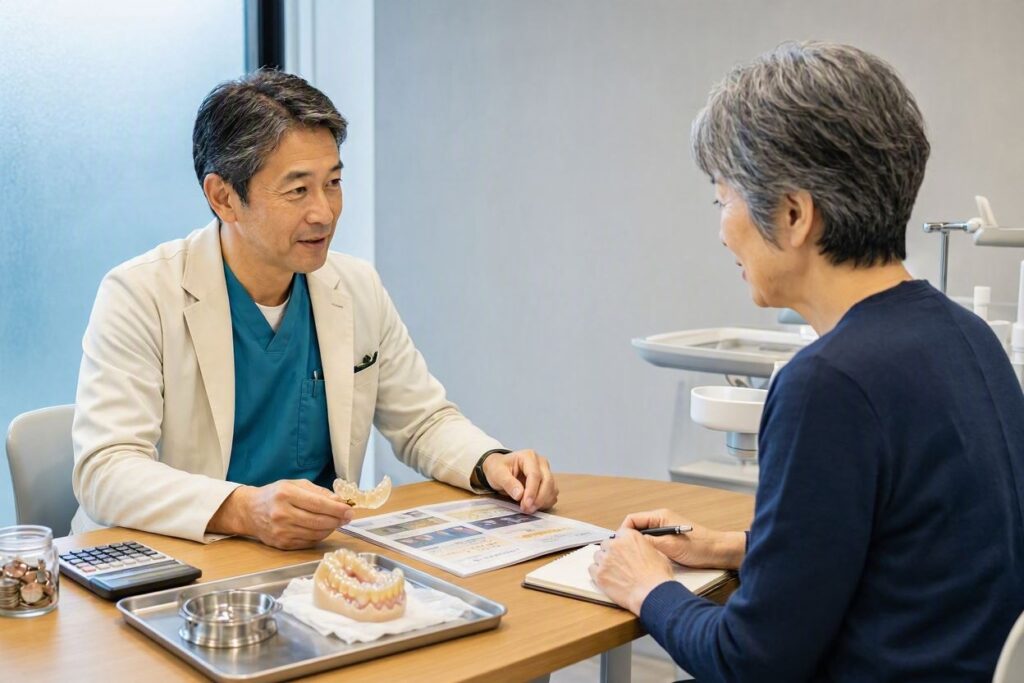
A partial denture is a removable plate that holds one or more replacement teeth. It is designed to fill the gaps left by missing teeth and prevent the remaining natural teeth from shifting. Unlike a full denture, which replaces all the teeth in an arch, a partial denture clips or attaches to your existing teeth.
The “private” option differs from an NHS denture in several important ways. Private dentures are typically made from superior materials and offer a much higher level of customisation. The process involves more appointments and more detailed work from the dentist and dental technician. The result is a denture that is more comfortable, fits more securely, and looks much more like natural teeth. Private dentures often use high-quality acrylic and flexible materials, and the teeth themselves are made from durable, layered porcelain or composite.
The Average Cost of a Private Partial Denture
The cost of a private partial denture in the UK varies considerably. It depends on the material used, the number of teeth being replaced, and the complexity of the case. You can expect to pay anywhere from £500 to £2,500 or more for a private partial denture.
This is a significant price range. A simple, one-tooth acrylic denture will be at the lower end of this scale. A sophisticated, precision-made flexible denture or one with metal clasps will be at the higher end. The investment reflects the quality of the materials and the time spent crafting a denture that fits perfectly and looks natural.
Types of Private Partial Dentures and Their Costs
The type of denture you choose is the single biggest factor influencing the cost. Each material has its own advantages and disadvantages.
1. Acrylic Partial Dentures
This is the most common and affordable type of denture. The base is made of rigid pink acrylic, and the replacement teeth are set into it. It is held in place with small metal clasps (clips) that grip onto your natural teeth. While they are the cheapest option, they can feel bulkier and less comfortable than other types.
- Estimated Cost: £500 – £900
2. Flexible Partial Dentures (e.g., Valplast)
Flexible dentures are made from a thin, lightweight, and very durable nylon-based material. They are known for their superior comfort and aesthetics. The material is translucent, allowing the natural colour of your gums to show through, making them less noticeable. They have no metal clasps, which is a huge aesthetic advantage. They are more expensive than acrylic dentures but offer a much better experience.
- Estimated Cost: £800 – £1,500
3. Chrome Cobalt (Metal) Partial Dentures
Chrome dentures are considered the gold standard for partial dentures. They have a thin, strong, and lightweight metal framework that is custom-cast to fit your mouth perfectly. This framework supports the acrylic base and the replacement teeth. They are smaller and more comfortable than acrylic dentures, and they are extremely durable. They are held in place with precisely fitted clasps.
- Estimated Cost: £1,000 – £2,500+
Cost Comparison Table
| Type of Partial Denture | Material | Comfort & Fit | Aesthetics | Average Private Cost (UK) |
|---|---|---|---|---|
| Acrylic | Rigid pink plastic with metal clasps | Good, but can feel bulky | Good; metal clasps may be visible | £500 – £900 |
| Flexible | Thin, pliable nylon-based resin | Excellent; very lightweight and snug | Excellent; no metal, blends with gums | £800 – £1,500 |
| Chrome Cobalt | Thin, strong metal framework with acrylic | Excellent; very precise and stable | Very good; framework is discreet | £1,000 – £2,500+ |
Important Note: The number of teeth on the denture will also affect the price. Replacing a single tooth is cheaper than replacing three or four. The price is a combination of the material and the amount of laboratory work required.
Other Factors That Influence the Cost
Beyond the material, several other elements contribute to the final price.
1. The Complexity of Your Case
If your remaining teeth are in good health and in the correct positions, fitting a partial denture is straightforward. However, if your teeth have shifted, or if your bite is uneven, the dentist may need to make adjustments to your remaining teeth or the design of the denture. This adds time and complexity, increasing the cost.
2. The Number of Appointments
Making a private denture is a multi-step process. It typically requires at least four or five appointments: an initial consultation, taking impressions, recording your bite, a try-in of the denture, and finally, the fitting. The cost of your denture includes the dentist’s time for all of these appointments.
3. The Skill of the Dental Technician
Private dentures are often crafted by specialist dental laboratories. The skill and reputation of the technician play a role in the cost. A highly experienced technician can create a denture that is a work of art, perfectly matching the shade and shape of your natural teeth.
4. Additional Preparatory Work
Sometimes, preparatory work is needed before a denture can be made. This could include fillings, extractions, or treatment for gum disease. These will be charged separately from the denture itself.
5. The Location of the Practice
As with all private dental work, prices are higher in London and the South East of England compared to other regions.
Private vs. NHS Partial Dentures
The decision between NHS and private dentures is often a trade-off between cost and quality.
| Feature | NHS Partial Denture | Private Partial Denture |
|---|---|---|
| Cost | Band 3 charge of £319.10 | £500 – £2,500+ |
| Materials | Basic acrylic; limited options | Wide choice: premium acrylic, flexible, chrome |
| Aesthetics | Functional, but may look artificial | Highly aesthetic; designed to look natural |
| Fit & Comfort | Good, but may be bulkier | Excellent; precise, lightweight, and custom-fit |
| Choice | Limited choice of tooth shades and shapes | Wide range of shades and shapes to match your smile |
Important Note: The NHS will provide a denture that is clinically necessary to secure oral health. It will not provide a premium cosmetic denture. If you want the best possible appearance and feel, a private denture is the recommended option.
How to Save Money on a Private Partial Denture
While private dentures are an investment, there are ways to manage the cost.
- Join a Dental Plan: Many private practices offer membership plans that provide a discount on treatment costs, including dentures. The savings can be substantial.
- Explore Finance Options: Most private dentists offer finance plans, allowing you to spread the cost over 12, 24, or even 36 months. This makes the treatment much more affordable on a monthly basis.
- Get Multiple Quotes: You are not obliged to accept the first price you are given. You can ask for a written treatment plan and cost breakdown, and compare it with other local practices.
- Ask About Payment in Instalments: Some smaller, independent practices may allow you to pay a deposit and then pay off the balance at each appointment stage (e.g., at the impression stage, the try-in stage, and the fit stage).
What to Expect During the Process
Getting a private partial denture is a journey. Here is a typical timeline:
- Consultation and Examination: The dentist assesses your oral health and discusses your goals.
- Primary Impressions: Moulds are taken of your upper and lower teeth.
- Secondary Impressions: A more precise, custom-made tray is used to take highly accurate impressions.
- Bite Registration: The dentist records how your upper and lower teeth fit together.
- Try-In: You will see a wax model of the denture with the teeth set in place. You can approve the look and fit before the final denture is made.
- The Fit: The final denture is fitted. The dentist will check the fit, the bite, and the appearance, and make any necessary minor adjustments.
Frequently Asked Questions (FAQ)
Q: How long do private partial dentures last?
A: With proper care, a high-quality private partial denture can last between 5 and 10 years. Flexible dentures may last less time due to the nature of the material. Your mouth can change shape over time, so the denture may need to be relined or remade.
Q: Will a partial denture stop my other teeth from moving?
A: Yes. This is one of the primary functions of a partial denture. By filling the gap, it prevents the adjacent and opposing teeth from drifting into the empty space.
Q: Can I eat normally with a partial denture?
A: It takes some time to get used to eating with a denture. It is best to start with soft foods and gradually introduce harder foods. Once you are accustomed to it, you can eat a wide variety of foods. Some very sticky or hard foods may still be difficult.
Q: How do I clean a partial denture?
A: You should remove your denture at night and clean it with a soft brush and a specialist denture cleaner. You should not use toothpaste, as it can be too abrasive. Soaking it overnight in a denture-cleaning solution is recommended.
Q: Is it worth getting a private denture instead of an NHS one?
A: For many patients, the answer is yes. The superior fit, comfort, and aesthetics of a private denture can dramatically improve your quality of life. If you want a denture that looks and feels as natural as possible, the extra investment is worth it.
Additional Resource
For more information on dentures and oral health, you can visit the Oral Health Foundation website: www.dentalhealth.org. It provides independent and trusted advice on all aspects of dental care.
Conclusion
The cost of a private partial denture in the UK ranges from £500 to £2,500 or more, reflecting the superior materials and customisation involved. With options like flexible and chrome dentures, you are paying for a solution that offers excellent comfort and a natural appearance. While more expensive than NHS alternatives, the investment is often justified by the significant improvement in quality of life.
Meta Description: Discover the cost of a private partial denture in the UK. This guide breaks down prices for acrylic, flexible, and chrome dentures, and explains the factors that affect the final bill.
continue
Here is the tenth article in the series, continuing with the same high standards for originality, depth, and practical value.
What Is The Cost Of A Private Dental Plan?
The cost of private dental care can be a barrier for many people. From routine check-ups to unexpected treatments, the bills can add up. A private dental plan, also known as a dental membership plan, is designed to make budgeting for your oral health easier. But what do these plans actually cost, and are they worth the investment? This guide will break down the cost of a private dental plan in the UK, what they typically include, and how to determine if one is right for you.
Understanding Private Dental Plans
A private dental plan is not an insurance policy. It is a membership agreement between you and a specific dental practice. You pay a set monthly fee, and in return, you receive a package of preventive care and discounts on other treatments. The primary goal of these plans is to encourage regular attendance. By removing the financial barrier to routine check-ups, the plans help you maintain good oral health and avoid costly, complex treatments down the line.
The plans are offered directly by dental practices. The exact benefits and costs are set by the practice, so they can vary significantly. However, they all operate on the same basic principle: you pay a predictable monthly amount for peace of mind and easier access to care.
The Average Cost of a Private Dental Plan
The cost of a private dental plan depends on the level of coverage you choose and the practice you join. On average, you can expect to pay between £10 and £40 per month for an individual plan.
- Basic Plans: These plans focus on prevention. They typically cost between £10 and £20 per month and include examinations and hygiene appointments.
- Comprehensive Plans: These plans include more benefits, such as additional discounts on treatment or cover for emergency appointments. They can cost between £20 and £40 per month or more.
- Family Plans: Many practices offer family plans that cover multiple members at a discounted rate compared to individual memberships.
Paying £15 a month works out to £180 a year. If a private check-up costs £60 and a hygiene appointment costs £70, you have already received £130 of value from your plan. You are effectively paying an extra £50 a year for the convenience of spreading the cost and for the additional benefits, such as discounts and emergency cover.
What Does a Typical Plan Include?
The specific benefits vary from practice to practice, but a typical private dental plan will include the following components.
1. Dental Examinations
Most plans include one or two comprehensive dental examinations per year. This allows your dentist to monitor your oral health and spot any potential problems early. Some plans may also include a set of X-rays.
2. Hygiene Appointments
Regular visits to the dental hygienist are crucial for preventing gum disease. Most plans include one or two hygiene appointments per year. These appointments usually include a scale and polish to remove plaque and tartar.
3. Discounts on Treatment
This is often the most valuable part of a plan. Members typically receive a discount on most other dental treatments. This can range from 10% to 20% off the cost of fillings, crowns, root canals, orthodontics, and cosmetic treatments. For a patient who needs a lot of work, these discounts can save hundreds of pounds.
4. Emergency Cover
Many plans offer some form of emergency cover. This might include priority access to appointments in an emergency, or it may cover the cost of a temporary dressing or emergency examination.
5. Supplementary Insurance
Some comprehensive plans include a level of supplementary dental insurance. This might provide cover for out-of-hours emergency treatment or even contribute towards the cost of treatment following an accident.
Cost Comparison: Dental Plan vs. Pay-As-You-Go
To understand the value of a dental plan, it is helpful to compare it with the cost of paying for each appointment individually. The table below shows a typical annual cost comparison.
| Item | Pay-As-You-Go Cost | Cost with a Basic Plan (£18/month) |
|---|---|---|
| Two Dental Examinations | £60 x 2 = £120 | Included in plan |
| Two Hygiene Appointments | £70 x 2 = £140 | Included in plan |
| One White Filling | £180 (with no discount) | £144 (with a 20% discount) |
| Total Annual Cost | £440 | £216 (plan) + £144 (filling) = £360 |
Important Note: In the example above, the patient saves £80 per year by being a plan member, even after paying the monthly fee. The value of the plan increases if you need more treatment during the year. The predictable monthly payment is also a major benefit for household budgeting.
Is a Private Dental Plan Right for You?
A private dental plan is not the best choice for everyone. It is a decision you should make based on your personal circumstances.
A plan is likely a good fit for you if:
- You are committed to seeing a dentist regularly for check-ups and hygiene visits.
- You value the peace of mind that comes from knowing your preventive care is budgeted for.
- You want to save money on any future restorative or cosmetic treatment.
- You want priority access to appointments at your chosen practice.
- You do not have NHS access or prefer the standard of private care.
A plan may not be the best fit for you if:
- You are happy with your NHS dentist and are eligible for subsidised treatment.
- You have excellent oral health and rarely need anything beyond a check-up and a simple clean.
- You prefer to pay for treatment as and when you need it and are happy to manage those costs yourself.
Factors That Influence the Cost of a Plan
The monthly fee you pay is determined by several factors.
1. The Level of Coverage
This is the most obvious factor. A basic plan with one check-up and one hygiene visit will cost less than a premium plan with two of each, plus emergency cover and supplementary insurance.
2. The Practice’s Location
The same rules apply here as with all dental costs. A private practice in a high-rent area of London or a major city will charge more for its plans than a practice in a smaller town. The plan fee reflects the practice’s general pricing structure.
3. The Quality and Reputation of the Practice
A practice with a reputation for excellence, state-of-the-art technology, and highly experienced dentists will command a premium for its services, including its plans.
How to Choose a Private Dental Plan
If you decide a private dental plan is for you, it is essential to choose the right one. Do not just sign up for the first plan you see.
- Identify Your Needs: How often do you usually see the dentist? Do you have ongoing dental issues that require regular treatment? Are you interested in cosmetic work in the future?
- Compare Plans from Different Practices: Ask several local practices for their plan brochures. Compare the monthly cost against the value of the included benefits.
- Read the Fine Print: Check what is excluded from the plan. Are there waiting periods? Are pre-existing conditions covered? What is the discount on treatments? Make sure you understand the terms and conditions.
- Check the Cancellation Policy: Find out if you are locked into a contract or if you can cancel at any time. Most plans require a notice period.
Frequently Asked Questions (FAQ)
Q: Is a private dental plan the same as dental insurance?
A: No. A dental plan is a direct agreement with a dental practice for preventive care and discounts. Dental insurance is a policy from an insurance company that reimburses you for a portion of your dental costs.
Q: Can I use my dental plan at any dentist?
A: No. A private dental plan is only valid at the specific dental practice that you joined. If you change dentists, you will need to cancel your old plan and join a new one.
Q: Do I still have to pay for treatment with a dental plan?
A: Yes, for most treatments. The plan covers your routine examinations and hygiene visits. For other treatments like fillings or crowns, you will still need to pay, but you will receive a discount as a plan member.
Q: Are dental plans worth it for children?
A: Yes, often. Children need regular check-ups to monitor their development. Many practices offer family plans where children can be added for a small additional monthly fee, providing excellent value for keeping their teeth healthy.
Q: What happens if I need to see a specialist?
A: Your dental plan will not cover the cost of a specialist referral. However, your dentist can refer you to a trusted specialist. The specialist fees would be a separate cost.
Additional Resource
For more information on private dental care and to find a dentist near you, you can visit the website of the General Dental Council: www.gdc-uk.org. It is the official regulator for dental professionals in the UK.
Conclusion
The cost of a private dental plan in the UK is a predictable monthly fee, typically between £10 and £40, that covers preventive care and provides valuable discounts on treatment. It is a budgeting tool that encourages regular attendance and can save you money in the long run. By comparing plans from local practices and understanding your own dental needs, you can decide if a membership is a wise investment for your smile.
Meta Description: Learn the cost of a private dental plan in the UK. This guide explains what plans include, how much they cost per month, and how to decide if a membership is worth it.
continue
Here is the eleventh article in the series, continuing with the same high standards for originality, depth, and practical value.
What Does A Partial Dental Implant Cost?
Dental implants have revolutionised the way we replace missing teeth. For patients missing several teeth, but not all of them, a partial dental implant offers a permanent, secure, and natural-looking solution. Unlike a traditional denture, an implant-supported restoration is fixed in place and functions like natural teeth. This guide will explore the cost of a partial dental implant in the UK, the different types of treatments available, and the factors that influence the final price.
Understanding Partial Dental Implants
A partial dental implant is a treatment that uses one or more dental implants to support a dental prosthesis. This prosthesis could be a single crown, a dental bridge, or even a secure denture. The term “partial” indicates that you are replacing a limited number of teeth, not a full arch.
The key component is the implant itself. This is a small, screw-shaped post, usually made of titanium, that is surgically placed into your jawbone. It acts as an artificial tooth root. Once the implant has fused with the bone (a process called osseointegration), it provides a rock-solid foundation for the visible replacement teeth.
This approach offers several significant advantages over other options. It prevents bone loss in the jaw, it does not require support from adjacent teeth (unlike a bridge), and it provides a level of stability and comfort that a removable denture cannot match. The result is a restoration that looks, feels, and functions like your own teeth.
The Average Cost of a Partial Dental Implant
The cost of a partial dental implant treatment is a combination of the cost of the implant itself, the abutment (the connector piece), and the restoration (the crown, bridge, or denture) attached to it. In the UK, you can expect the total cost to range from £2,500 to £10,000 or more.
This is a very broad range because the treatment is highly customised. A single missing tooth replaced with one implant and one crown will be at the lower end of this scale. A situation where you are missing three teeth and require two implants to support a three-tooth bridge will be significantly more expensive.
It is important to view a partial dental implant as an investment in your long-term oral health and quality of life. It is the closest modern dentistry can get to replacing a natural tooth.
Types of Partial Implant Treatments and Their Costs
The specific treatment you need will dictate the cost. Here are the most common scenarios.
1. Single Tooth Implant
This is the most straightforward scenario. One implant is placed, and a single custom-made crown is attached to it. This is the ideal solution for replacing one missing tooth.
- Estimated Total Cost: £2,500 – £3,500
2. Implant-Supported Bridge
If you are missing two or more teeth in a row, you do not necessarily need one implant for each tooth. Your dentist may place an implant at each end of the gap and use them to support a fixed bridge. The bridge spans the gap, with the false teeth suspended between the implant-supported crowns.
- Estimated Total Cost: £4,000 – £10,000+ (depending on the number of implants and the size of the bridge)
3. Implant-Retained Denture
For patients missing several teeth in different areas of the mouth, a removable denture can be stabilised with implants. Typically, two to four implants are placed in the jaw, and the denture is fitted with special attachments that clip onto the implants. This makes the denture incredibly secure, eliminating the fear of it slipping or falling out.
- Estimated Total Cost: £5,000 – £12,000+ (depending on the number of implants and the quality of the denture)
Cost Breakdown: What You Are Paying For
To understand the investment, it is helpful to see how the costs are broken down. A typical single tooth implant bill will include the following components.
| Component | Description | Typical Cost (UK) |
|---|---|---|
| Consultation & Planning | Examination, X-rays, and 3D scans (CBCT) to assess bone quality. | £100 – £300 |
| Implant Placement Surgery | The surgical procedure to place the titanium post into the jawbone. | £1,200 – £2,000 |
| The Abutment | The small connector piece that joins the implant to the crown. | £300 – £500 |
| The Crown | The custom-made, tooth-coloured restoration that is visible in the mouth. | £800 – £1,200 |
| Total Cost (Single Tooth) | The sum of all the above. | £2,500 – £3,500 |
Important Note: This table does not include the cost of any preparatory procedures. If you need a tooth extracted before the implant is placed, or if you require a bone graft to build up the jawbone, these will be additional costs.
Factors That Influence the Final Price
Several variables will determine the final quote you receive from your dentist.
1. The Number of Implants and Teeth
This is the most obvious cost driver. More implants and more replacement teeth mean a higher cost. The complexity of the surgery also increases with the number of implants.
2. The Quality and Brand of the Implant
Dental implants are manufactured by many different companies. Premium, well-established brands with decades of clinical research behind them, such as Straumann or Nobel Biocare, often cost more than lesser-known or budget brands. Your dentist will choose a system they trust and have experience with.
3. The Need for Bone Grafting or a Sinus Lift
For an implant to be successful, there must be sufficient, healthy jawbone to support it. When a tooth is lost, the bone in that area begins to resorb, or shrink. If you do not have enough bone, you will need a bone graft. This is a separate surgical procedure that adds to the total cost. In the upper back jaw, a procedure called a sinus lift may be required, which is also an additional cost.
4. The Material of the Crown
The final crown is typically made of porcelain fused to metal or, more commonly now, high-strength ceramic like zirconia. Zirconia crowns are highly aesthetic and durable, and they command a higher price.
5. The Dentist’s Experience and Location
Implant dentistry is a skilled field. A dentist with advanced training and many years of experience in implantology will charge more for their expertise. As with all dental care, the location of the practice also plays a significant role in pricing.
How to Save Money on Partial Dental Implants
Implants are an investment, but there are ways to manage the cost.
- Look for Promotional Offers: Many practices run special offers on dental implants, such as a free consultation or a discounted price for a single implant and crown package. These offers can save you a significant amount.
- Ask About Finance Options: Most implant providers offer financing. This allows you to spread the cost over 12, 24, or even 60 months, making the treatment affordable on a monthly basis.
- Consider a Dental School: Dental teaching hospitals often offer implant treatment at a reduced cost. The procedures are performed by postgraduate students under the direct supervision of expert consultants. This is a very cost-effective option, though the treatment time may be longer.
- Get Multiple Opinions: It is always wise to consult with two or three different implant dentists. Compare their proposed treatment plans, the implant systems they use, and their total costs.
What to Expect During the Process
The journey of getting a partial dental implant is a marathon, not a sprint. It requires patience. A typical timeline is as follows:
- Consultation and Planning: Your dentist will assess your mouth and take 3D scans.
- Surgical Placement: The implant post is placed into your jawbone. This is done under local anaesthetic.
- Healing Period (Osseointegration): You will wait for the bone to fuse with the implant. This can take anywhere from 3 to 6 months.
- Abutment Placement: Once the implant is stable, the small connector piece is attached.
- Restoration: Impressions are taken, and your custom-made crown, bridge, or denture is fitted onto the implant.
The entire process, from start to finish, can take four to nine months.
Frequently Asked Questions (FAQ)
Q: Is the implant surgery painful?
A: No. The surgery is carried out under local anaesthetic, so you will not feel any pain during the procedure. You can expect some soreness and swelling in the days following the surgery, which can be managed with over-the-counter painkillers.
Q: How long do dental implants last?
A: The implant post itself is designed to last a lifetime with proper care. The crown or bridge attached to it may need to be replaced after 10-15 years due to normal wear and tear.
Q: What is the success rate of dental implants?
A: Dental implants have a very high success rate, typically over 95% in healthy patients. The main risks to success are smoking, poor oral hygiene, and certain medical conditions.
Q: Can I get a partial dental implant on the NHS?
A: NHS dental implants are very rarely available. They are usually only provided in exceptional circumstances, such as for patients who have suffered trauma or have a medical condition that has caused tooth loss. The vast majority of implants are placed privately.
Q: What is the difference between a bridge and a partial implant?
A: A traditional bridge is supported by the teeth on either side of the gap, which must be filed down. A partial implant is self-supporting and does not damage the adjacent healthy teeth.
Additional Resource
For more information on dental implants, you can visit the website of the Association of Dental Implantology (ADI): www.adi.org.uk. It provides patient-friendly information on all aspects of implant treatment.
Conclusion
The cost of a partial dental implant in the UK is a significant investment, ranging from £2,500 to over £10,000 depending on the number of implants and the complexity of the case. It is a permanent solution that offers unparalleled benefits for function, aesthetics, and long-term oral health. By understanding the cost breakdown and exploring finance options, you can make an informed decision about this life-changing treatment.
Meta Description: Discover the cost of a partial dental implant in the UK. This guide explains prices for single implants, bridges, and implant-retained dentures, and the factors that affect cost.
continue
Here is the twelfth article in the series, continuing with the same high standards for originality, depth, and practical value.
What Does A Partial Dental Bridge Cost?
When you lose one or more teeth, your dentist will present you with several options to fill the gap. One of the most common and time-tested solutions is a dental bridge. A bridge does exactly what its name suggests: it “bridges” the gap left by a missing tooth. For many patients, it offers an excellent balance of cost, durability, and aesthetics. This guide will explore the cost of a partial dental bridge in the UK, the different types available, and the factors that will influence the final price.
Understanding Partial Dental Bridges
A partial dental bridge is a fixed (non-removable) dental restoration used to replace one or more missing teeth. It is called a “partial” bridge because it replaces a limited number of teeth, unlike a full denture. A traditional bridge consists of two main components: the abutment teeth and the pontics.
The abutment teeth are the healthy teeth on either side of the gap. They are prepared by having a small amount of enamel removed to make room for crowns. These crowns are connected to the pontics, which are the false teeth that fill the empty space. The entire unit is then cemented or bonded permanently onto the abutment teeth.
A bridge is a popular choice because it is fixed, feels natural, and restores your ability to chew and speak properly. The treatment time is also much shorter than that for a dental implant, typically requiring just two or three appointments over a few weeks.
The Average Cost of a Partial Dental Bridge
The cost of a partial dental bridge in the UK varies based on the material used and the number of teeth being replaced. You can expect to pay anywhere from £800 to £3,500 or more for a private bridge.
The price is calculated differently than a single crown. A bridge is usually priced by the “unit.” A unit is each tooth that makes up the bridge. For example, a bridge replacing one missing tooth requires two crowns (one on each side) and one pontic (the false tooth). This is a three-unit bridge. The cost is effectively the price of three crowns.
This means a bridge is often more expensive than a single dental implant, but it is a faster and less invasive procedure.
Types of Dental Bridges and Their Costs
The material your bridge is made from is the primary driver of its cost. Each material offers a different balance of strength, aesthetics, and price.
1. Porcelain Bonded to Metal (PBM) Bridges
This is a very common and reliable type of bridge. It consists of a metal framework (often made of a non-precious alloy) that is covered with tooth-coloured porcelain. It is strong and durable, making it suitable for back teeth. The only aesthetic drawback is that a thin metal line may be visible at the gum line over time.
- Estimated Cost: £800 – £1,500 (for a 3-unit bridge)
2. All-Ceramic Bridges (e.g., Zirconia or E-max)
These bridges are made entirely of high-strength ceramic materials. They offer the best possible aesthetics, as the material is translucent and mimics the light-reflecting properties of natural tooth enamel. Zirconia bridges are incredibly strong, while E-max bridges are often favoured for front teeth due to their superior beauty. They are more expensive than PBM bridges.
- Estimated Cost: £1,500 – £3,500+ (for a 3-unit bridge)
3. Emax Bridges
Emax is a specific brand of lithium disilicate ceramic. It is known for its exceptional aesthetic quality and is a popular choice for bridges in the front of the mouth. It is not as strong as zirconia but is more than adequate for front teeth and premolars.
- Estimated Cost: £1,800 – £3,500+ (for a 3-unit bridge)
Cost Comparison Table
| Type of Bridge | Aesthetics | Strength & Durability | Average Cost (UK) for 3-Unit Bridge |
|---|---|---|---|
| Porcelain Bonded to Metal | Good; metal line may show | Excellent; very strong | £800 – £1,500 |
| Zirconia (All-Ceramic) | Excellent; very natural | Excellent; extremely strong | £1,500 – £3,000 |
| E-max (All-Ceramic) | Superb; best for front teeth | Very good | £1,800 – £3,500+ |
Important Note: The prices above are for a standard 3-unit bridge (replacing one tooth). A bridge replacing two or more teeth will have more units and will cost proportionally more.
Factors That Influence the Cost
Beyond the material, several other factors contribute to the final price of your bridge.
1. The Number of Units
This is the most direct cost driver. A three-unit bridge (replacing one tooth) is the most common. However, if you are missing two teeth, you may need a four-unit bridge. The more units, the more material and laboratory time are required, and the higher the cost.
2. The Position of the Bridge in the Mouth
A bridge for front teeth requires a very high level of cosmetic artistry. The dentist and technician must carefully match the shade, shape, and translucency of your natural teeth. This cosmetic demand can command a premium compared to a bridge on back molars, where function is the primary concern.
3. The Health of the Abutment Teeth
Before a bridge can be placed, the supporting teeth must be healthy. If they have decay or require root canal treatment, this must be done first. These preparatory procedures will be charged separately and will add to the overall cost of your treatment.
4. The Dental Laboratory
Your dentist will send your impressions to a dental laboratory, where a skilled technician will hand-craft your bridge. The quality and reputation of the laboratory play a role in the cost. High-end laboratories that use premium materials and employ master technicians will charge more.
5. The Dentist’s Skill and Location
As with all private dentistry, the experience of the dentist and the location of the practice are significant factors. A skilled cosmetic dentist in a prestigious London practice will charge a premium for their expertise.
Bridges vs. Dental Implants: Cost and Value
Patients often weigh the options of a bridge versus a dental implant. Here is a comparison to help you decide.
| Feature | Dental Bridge | Dental Implant |
|---|---|---|
| Initial Cost | Lower; £800 – £3,500 | Higher; £2,500 – £3,500 per tooth |
| Treatment Time | Fast; 2-3 weeks | Long; 4-9 months |
| Invasiveness | Requires filing down of adjacent healthy teeth | Does not affect adjacent teeth |
| Bone Preservation | Does not prevent bone loss in the gap | Prevents bone loss |
| Longevity | Typically lasts 10-15 years | Implant can last a lifetime |
| Replacement Cost | Entire bridge may need replacing | Only the crown may need replacing |
Important Note: A bridge is an excellent option for many patients, particularly when the adjacent teeth are already in need of crowns or large fillings. However, an implant is often considered the gold standard because it is more conservative and preserves the jawbone. Your dentist will help you decide which is best for your specific situation.
How to Save Money on a Dental Bridge
A bridge is an investment, but there are ways to manage the cost.
- Join a Dental Plan: As with other treatments, a private dental plan can provide a discount of 10-20% on the cost of a bridge.
- Ask About Payment Plans: Most private practices offer finance options, allowing you to spread the cost of your bridge over several months or years.
- Compare Quotes: You are entitled to a written treatment plan and cost estimate. Compare this with quotes from other local practices to ensure you are getting a fair price.
- Consider All Your Options: Discuss the pros and cons of a bridge versus a partial denture or a dental implant. A partial denture is a more affordable option, even if it is not as convenient as a fixed bridge.
What to Expect During the Procedure
Getting a dental bridge typically involves two main appointments.
- Preparation Appointment: The dentist will numb the abutment teeth and carefully file them down to create space for the crowns. Precise impressions (moulds) are then taken of your teeth. A temporary bridge is placed to protect the prepared teeth.
- Fitting Appointment: A week or two later, your custom-made bridge will be ready. The temporary bridge is removed, and the new bridge is checked for fit, comfort, and aesthetics. Once you and the dentist are happy, the bridge is cemented firmly in place.
Frequently Asked Questions (FAQ)
Q: How long does a dental bridge last?
A: With excellent oral hygiene and regular check-ups, a dental bridge can last 10 to 15 years or more. The lifespan depends on the health of the supporting teeth and gums.
Q: Is it difficult to eat with a dental bridge?
A: No. Once you are used to the feel of it, you can eat normally. It is best to start with soft foods and gradually introduce harder foods.
Q: How do I clean under a dental bridge?
A: You must clean under the pontic (the false tooth) daily to remove food debris and plaque. This is done using special tools like superfloss, interdental brushes, or a water flosser.
Q: Can a bridge be whitened?
A: No. The porcelain or ceramic material will not respond to teeth whitening. If you plan to whiten your teeth, it is best to do so before your bridge is made so the colour can be matched to your new, brighter smile.
Q: Is the bridge procedure painful?
A: The procedure is carried out under local anaesthetic, so you will not feel any pain during the preparation. You may experience some temporary sensitivity after the anaesthetic wears off.
Additional Resource
For more information on dental bridges and other restorative options, you can visit the Cleveland Clinic’s dental bridge information page: www.clevelandclinic.org.
Conclusion
The cost of a partial dental bridge in the UK is a balance of factors, ranging from £800 to over £3,500 for a typical three-unit bridge. The material, number of teeth, and cosmetic demands all play a role. While a dental implant may be the gold standard, a bridge remains a highly effective, faster, and more budget-friendly solution for replacing missing teeth and restoring a confident smile.
Meta Description: Discover the cost of a partial dental bridge in the UK. This guide breaks down prices for porcelain, zirconia, and E-max bridges, and explains the factors that affect cost.
continue
Here is the thirteenth article in the series, continuing with the same high standards for originality, depth, and practical value.
What Does A New Pair Of Veneers Cost?
A smile is often the first feature people notice. If you are unhappy with the shape, colour, or alignment of your front teeth, dental veneers offer a transformative solution. They are a cornerstone of cosmetic dentistry, capable of creating a flawless, natural-looking smile. If you are considering this treatment, the cost is likely a primary concern. This guide provides a detailed breakdown of the cost of a new pair of veneers in the UK, the different types available, and the factors that influence the final price.
Understanding Dental Veneers
Dental veneers are thin, custom-made shells designed to cover the front surface of your teeth. They are bonded to the teeth to improve their appearance. Veneers can effectively mask a wide range of aesthetic flaws, including:
- Discolouration that does not respond to teeth whitening.
- Worn-down or chipped teeth.
- Gaps between teeth (diastemas).
- Misshapen or uneven teeth.
- Slightly crooked teeth (as an alternative to orthodontics).
A veneer is a purely cosmetic treatment. Its goal is to create a beautiful, harmonious smile. They are almost always placed on the teeth that are visible when you smile, typically the upper front teeth (incisors and canines) and sometimes the lower front teeth.
A “pair” of veneers usually refers to the two upper central incisors, which are the most prominent teeth in your smile. However, it can also refer to any two teeth you choose to treat. The cost is calculated on a per-tooth basis.
The Average Cost of a New Pair of Veneers
In the UK, the cost of a pair of veneers varies significantly based on the type of material used and the skill of the dentist. You can expect to pay anywhere from £800 to £2,500 or more for a pair of veneers.
This price range is for private treatment, as veneers for purely cosmetic reasons are not available on the NHS. The cost reflects the artistry involved in designing and crafting veneers that look perfectly natural and complement your facial features. A pair of high-quality, hand-crafted porcelain veneers from a skilled cosmetic dentist is a premium product.
Types of Veneers and Their Costs
The material used to create your veneers is the single most significant factor in determining the cost. There are two main types of veneers offered in the UK.
1. Composite (Bonding) Veneers
Composite veneers are made from a tooth-coloured resin material, the same material used for white fillings. The dentist sculpts the resin directly onto your tooth, layer by layer, to create the desired shape. This is often called “dental bonding.” It is a faster and more affordable option.
- Estimated Cost per Tooth: £150 – £400
- Estimated Cost for a Pair: £300 – £800
- Pros: Cheaper; can usually be done in a single visit; minimal tooth preparation.
- Cons: Less durable; can stain over time; not as lifelike as porcelain.
2. Porcelain Veneers
Porcelain veneers are the gold standard in cosmetic dentistry. They are made from high-quality ceramic in a dental laboratory. The porcelain is incredibly strong, stain-resistant, and has light-reflecting properties that perfectly mimic natural tooth enamel. Making them requires two appointments and the skill of a master dental technician.
- Estimated Cost per Tooth: £500 – £1,200+
- Estimated Cost for a Pair: £1,000 – £2,500+
- Pros: Very durable (can last 10-15 years); highly stain-resistant; most natural appearance.
- Cons: More expensive; requires some removal of tooth enamel; takes longer to make.
Cost Comparison Table
| Feature | Composite Veneers | Porcelain Veneers |
|---|---|---|
| Cost per Tooth | £150 – £400 | £500 – £1,200+ |
| Cost for a Pair | £300 – £800 | £1,000 – £2,500+ |
| Durability | 3-7 years | 10-15 years or more |
| Stain Resistance | Fair; can stain | Excellent |
| Appearance | Good; can look natural | Superb; most lifelike |
| Number of Visits | Usually one | At least two |
Important Note: The prices above are for the veneers themselves. They do not include the cost of an initial consultation, X-rays, or any preparatory work, such as a professional cleaning.
Factors That Influence the Cost
Beyond the material, several other factors will determine the final price you pay for your pair of veneers.
1. The Cosmetic Dentist’s Expertise
This is arguably the most important factor. A dentist with advanced training in cosmetic dentistry, a portfolio of beautiful results, and a reputation for excellence will charge a premium. Creating truly natural-looking veneers is a blend of art and science. You are paying for their skill and aesthetic eye.
2. The Quality of the Dental Laboratory
Porcelain veneers are hand-crafted by dental technicians. The best cosmetic dentists work with elite dental laboratories that use premium materials and employ highly skilled ceramists. The quality of the laboratory work is directly reflected in the final appearance of your veneers and their cost.
3. The Location of the Practice
As with all dental work in the UK, location plays a significant role. A cosmetic dental practice in a prestigious area of London, such as Harley Street, will have significantly higher fees than a practice in a smaller city or town. The cost of operating a business in these prime locations is high.
4. The Complexity of Your Case
If your teeth are severely discoloured, crooked, or worn, the dentist will need to do more work to achieve a beautiful result. This might involve building up the teeth or shaping the gum line. More complex cases require more time and skill, which increases the cost.
5. The Number of Veneers
While you asked about a pair, it is important to think about the overall result. A cosmetic dentist will often recommend treating a minimum of four, six, or even eight veneers to create a balanced, harmonious smile. If you only do two central incisors, they may look too different from the teeth next to them. While the cost per pair is as above, the total cost of your smile makeover may be higher to achieve the desired result.
How to Save Money on Veneers
Veneers are a luxury item, but you can still be smart about the cost.
- Consider Composite Veneers: If you are on a budget, composite veneers are an excellent, cost-effective alternative. They can produce a dramatic improvement in your smile for a fraction of the price of porcelain.
- Look for Promotional Offers: Cosmetic dentists sometimes offer packages or seasonal discounts on veneers.
- Ask About Finance: Most private practices offer 0% or low-interest finance plans, allowing you to pay for your veneers in manageable monthly instalments.
- Do Your Research: Compare quotes from several different cosmetic dentists. Look at their before-and-after photos to assess the quality of their work. Price is important, but it should not be the only factor.
What to Expect During the Procedure (For Porcelain Veneers)
The process of getting porcelain veneers is meticulous.
- Consultation and Smile Design: You will discuss your goals with the dentist. They will examine your teeth and may use digital smile design software to show you a preview.
- Tooth Preparation: A tiny amount of enamel (about 0.5mm) is removed from the front of the teeth to make room for the veneer. This ensures the final result looks natural and not bulky.
- Impressions: Precise impressions are taken and sent to the dental laboratory.
- Temporary Veneers: Temporary veneers are placed to protect your teeth while the permanent ones are being made.
- Fitting and Bonding: Two to three weeks later, the temporary veneers are removed. The new veneers are tried on, checked for fit and colour, and then permanently bonded to your teeth with a special adhesive.
Frequently Asked Questions (FAQ)
Q: Are veneers permanent?
A: Porcelain veneers are not reversible, as a small amount of enamel must be removed. They are considered a permanent, long-lasting treatment. Composite veneers are less invasive and can sometimes be reversed.
Q: How long do veneers last?
A: Porcelain veneers can last for 10 to 15 years or even longer with excellent care. Composite veneers typically last for 3 to 7 years before they may need to be repaired or replaced.
Q: Do veneers stain?
A: Porcelain veneers are highly resistant to staining from coffee, tea, and red wine. Composite veneers are more porous and can stain over time.
Q: Will my veneers look natural?
A: Yes, this is the primary goal of a skilled cosmetic dentist. The porcelain is custom-made to match the colour, shape, and translucency of your natural teeth, ensuring a beautiful and realistic result.
Q: Is the procedure painful?
A: No. The tooth preparation is carried out under local anaesthetic. You may experience some temporary sensitivity after the veneers are fitted, but this is usually mild.
Additional Resource
For more information on cosmetic dentistry and veneers, you can visit the American Academy of Cosmetic Dentistry website: www.aacd.com.
Conclusion
The cost of a new pair of veneers in the UK ranges from £300 for composite to £2,500 or more for high-quality porcelain. This investment reflects the artistry, materials, and skill required to create a beautiful, natural-looking smile. While the price may seem high, for many patients, the boost in confidence and self-esteem makes veneers a truly worthwhile investment.
Meta Description: Discover the cost of a new pair of veneers in the UK. This guide explains prices for composite and porcelain veneers, and the factors that influence the final cost of your new smile.
continue
Here is the fourteenth article in the series, continuing with the same high standards for originality, depth, and practical value.
What Is The Cost Of A Mouthguard At Walmart?
Protecting your teeth during sports or preventing damage from nighttime teeth grinding is essential. For many people, the first place they think of for an affordable solution is Walmart. The retail giant offers a wide range of over-the-counter dental products, including mouthguards. This guide will explore the cost of a mouthguard at Walmart, the different types available, and help you decide if a store-bought option is right for your needs.
Understanding Over-the-Counter Mouthguards
A mouthguard is a protective device worn over the teeth. It serves two primary purposes. The first is to protect the teeth, lips, and jaw from injury during contact sports like football, hockey, or boxing. The second is to prevent damage caused by bruxism, the involuntary grinding or clenching of teeth during sleep.
The mouthguards available at Walmart are classified as “over-the-counter” (OTC) or “boil-and-bite” mouthguards. They are mass-produced, one-size-fits-most products. They are designed to be an affordable and convenient alternative to custom-made mouthguards from a dentist.
The most common type at Walmart is the boil-and-bite guard. You soften the thermoplastic material in boiling water, then place it in your mouth and bite down to create a rough impression of your teeth. This provides a better fit than a stock guard that simply sits in the mouth.
The Average Cost of a Mouthguard at Walmart
The primary advantage of buying a mouthguard at Walmart is the price. They are incredibly affordable compared to professional dental options. You can expect to pay anywhere from $5 to $40 for a mouthguard at Walmart.
The price depends on the brand, the technology used, and the intended purpose. A simple, basic sports guard will be at the lower end of the price range. A more advanced guard designed for nighttime grinding, perhaps with multiple layers or a thinner profile, will cost more.
This is in stark contrast to a custom-fitted mouthguard made by a dentist, which can cost anywhere from $300 to $800 or more. The Walmart option is a budget-friendly starting point for many people.
Types of Mouthguards Available at Walmart
The shelves at Walmart typically feature several different types of mouthguards, catering to different needs.
1. Sports Mouthguards
These are designed to protect your teeth during athletic activity. They are usually made of a thicker, more shock-absorbent material. Many come with a strap to attach to a football helmet. Common brands include Shock Doctor, Under Armour, and Wilson. Some are “boil-and-bite,” while others are “ready-to-wear” stock guards.
- Estimated Cost: $5 – $25
2. Night Guards for Teeth Grinding (Bruxism)
These guards are designed to be worn during sleep. They are typically thinner and less bulky than sports guards. Their purpose is to create a barrier between your upper and lower teeth to prevent them from grinding together. Walmart sells boil-and-bite night guards from brands like Dentek, Plackers, and The Doctor’s NightGuard.
- Estimated Cost: $15 – $40
3. Dual-Purpose or Multi-Layer Guards
Some guards are marketed for both sports and grinding. They may feature a hard outer shell and a soft inner liner for comfort and durability. These are often at the higher end of the OTC price range.
- Estimated Cost: $25 – $40
Cost Comparison Table
| Type of Mouthguard | Brand Examples | Intended Use | Typical Cost at Walmart |
|---|---|---|---|
| Basic Boil-and-Bite Sports Guard | Wilson, Franklin | Contact sports | $5 – $15 |
| Advanced Sports Guard | Shock Doctor, Under Armour | High-impact sports | $15 – $30 |
| OTC Night Guard for Grinding | Dentek, Plackers, The Doctor’s NightGuard | Nighttime teeth grinding | $15 – $40 |
| Multi-Layer or Hybrid Guard | Various brands | Dual use or heavy grinding | $25 – $40 |
Important Note: While these guards are affordable, they have significant limitations compared to a custom-made guard from your dentist. This is particularly true for night guards used to treat bruxism.
The Pros and Cons of a Walmart Mouthguard
Before you buy, it is crucial to understand what you are getting for your money. An OTC mouthguard is a compromise.
The Pros:
- Very Affordable: The price is unbeatable.
- Convenient: You can buy one immediately without a dental appointment.
- Readily Available: You can find them at any Walmart store or online.
- Better Than Nothing: For a child playing a sport, any protection is better than no protection. For a grinder, even a basic guard can prevent some enamel wear.
The Cons:
- Poor Fit: Boil-and-bite guards are bulky and often fit poorly. They can be uncomfortable, making it difficult to sleep or talk.
- Gag Reflex: A bulky, ill-fitting guard can trigger a gag reflex.
- Can Cause Jaw Pain: If the bite is not balanced, it can put pressure on the jaw joint (TMJ) and actually cause or worsen jaw pain.
- Not Durable: OTC guards wear out quickly and need to be replaced often.
- Not Effective for Severe Grinding: For patients with heavy grinding, a soft OTC guard can sometimes encourage more clenching.
OTC vs. Custom-Made Mouthguards: A Cost Comparison
The table below highlights the long-term value difference between a Walmart mouthguard and a professional one from a dentist.
| Feature | Walmart Mouthguard | Custom Dentist Mouthguard |
|---|---|---|
| Initial Cost | $5 – $40 | $300 – $800+ |
| Fit | Generic, bulky, often uncomfortable | Precise, thin, and comfortable |
| Durability | Low; may last a few months | High; can last 3-10 years |
| Protection Level | Adequate for minor impacts | Superior; designed for optimal protection |
| Comfort | Low; can interfere with sleep | High; easy to sleep and talk with |
| Long-Term Cost | Replacing every 2-3 months can add up | A one-time investment that lasts for years |
Who Should Buy a Walmart Mouthguard?
A Walmart mouthguard is a suitable choice for:
- Children playing youth sports: Their mouths are constantly changing, and they may lose or damage a guard easily. A cheap OTC guard is practical.
- Adults who need a temporary solution: If you have lost your custom guard or are waiting for one to be made, an OTC guard can provide temporary protection.
- Very occasional use: If you play a sport only once or twice a year, investing in a custom guard may not be necessary.
Who Should Consider a Custom Mouthguard?
A custom mouthguard from your dentist is strongly recommended for:
- Adults with diagnosed bruxism (teeth grinding): A custom guard is essential for protecting your teeth and jaw joint from serious damage.
- Athletes in high-impact sports: The superior fit and protection can prevent serious dental injuries.
- Anyone who has tried an OTC guard and found it uncomfortable or gag-inducing.
- People with braces or other dental work: A custom guard is designed to fit over your orthodontics and protect them.
How to Choose an OTC Mouthguard at Walmart
If you decide to buy an OTC guard, here are a few tips:
- Identify Your Need: Are you buying it for sports or for grinding? Buy a product designed for that specific purpose.
- Read Reviews: Check the online reviews on the Walmart website. Look for comments about comfort, ease of fitting, and durability.
- Follow the Fitting Instructions Carefully: The quality of the fit is the most important factor. If you do not follow the boil-and-bite instructions precisely, the guard will not fit well.
- Check the Return Policy: Some stores may not accept returns on mouthguards for hygiene reasons. Be sure you know the policy before you buy.
Frequently Asked Questions (FAQ)
Q: Can I sleep with a sports mouthguard from Walmart?
A: It is not recommended. Sports guards are thick and bulky, designed for impact protection, not for comfortable sleep. They can cause jaw pain and excessive salivation if worn overnight. You should use a guard specifically designed for nighttime grinding.
Q: How long does a Walmart mouthguard last?
A: It depends on the intensity of use. A sports guard for a child might last a season. A night guard for a light grinder might last 3-6 months. Heavy grinders can chew through a soft OTC guard in a matter of weeks.
Q: Are Walmart mouthguards safe?
A: Yes, they are made from FDA-approved, BPA-free materials. The main risk is not from the material itself, but from an improper fit, which could lead to discomfort or jaw pain.
Q: Can I use a Walmart mouthguard if I have braces?
A: It is not advisable. A generic boil-and-bite guard can get stuck on braces or put harmful pressure on them. Your orthodontist can provide a suitable guard for sports.
Q: Is a $5 mouthguard as good as a $40 one?
A: Generally, no. A $5 guard will be a very basic, thin piece of material. A $40 guard from a reputable brand like Shock Doctor will likely use better materials, have a better design, and offer a more secure fit.
Additional Resource
For more information on mouthguards and protecting your teeth, you can visit the American Dental Association’s page on mouthguards: www.mouthhealthy.org.
Conclusion
The cost of a mouthguard at Walmart is very low, ranging from just $5 to $40, making it an accessible option for basic protection. While they offer a convenient and affordable solution, their fit and durability are no match for a custom-made guard from a dentist. For a temporary fix or a child’s sports season, a Walmart guard is a smart buy, but for long-term protection, especially against teeth grinding, a professional guard is a wiser investment.