What Is The Cost Of One Zirconia Crown?
If you have a damaged tooth, a dental crown can save it. Crowns restore the shape, size, strength, and appearance of a tooth. They cover the entire visible portion of the tooth above the gumline. There are many types of crowns, but one of the most popular is the zirconia crown.
Zirconia crowns are known for their strength, durability, and natural appearance. They are metal-free, which makes them a great choice for people with metal allergies or those who want a more aesthetic look. But how much does a zirconia crown cost? You might be surprised by the range.
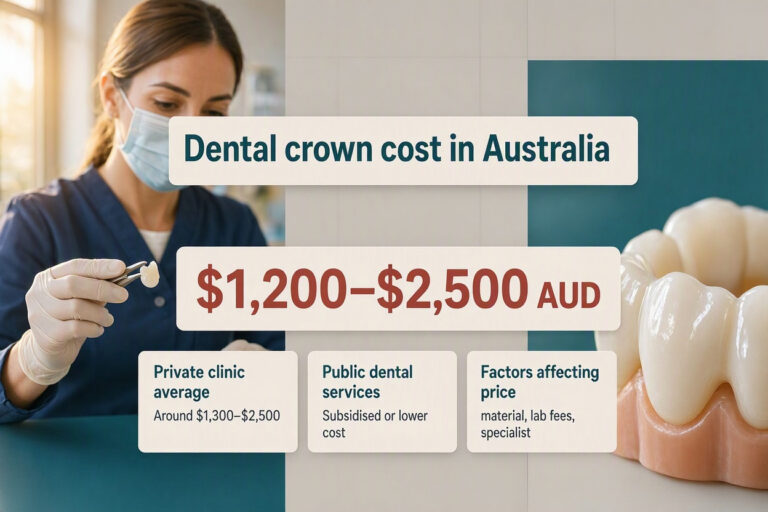
The cost of a single zirconia crown in the United States ranges from $800 to $2,500. The average is around $1,200 to $1,500. But this is just the crown itself. If you need additional procedures like a root canal or a core buildup, the total cost can be much higher.
This guide will break down the real costs of zirconia crowns. We will explain what they are, how they compare to other crown materials, what factors influence the price, and how insurance works. By the end, you will have a clear picture of what to expect and how to budget for your new crown.
What Is A Zirconia Crown?
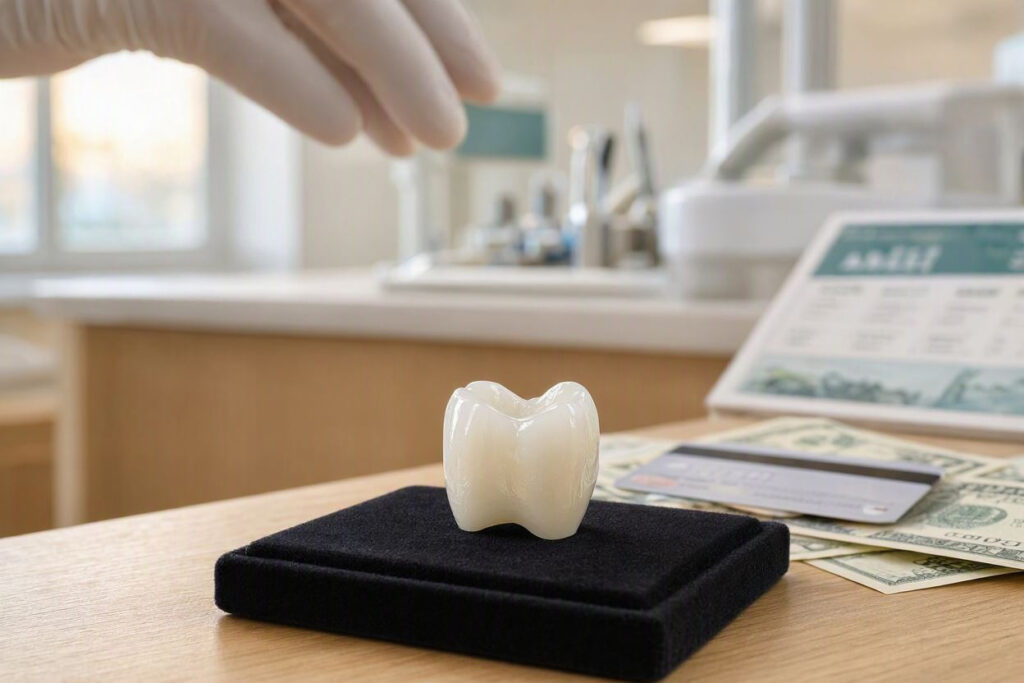
A zirconia crown is a dental restoration made from zirconium dioxide, a type of ceramic. Zirconia is a white metal that is extremely strong and durable. It is used in many medical implants, including hip replacements and dental implants.
Zirconia crowns are made using computer-aided design and computer-aided manufacturing (CAD/CAM) technology. This allows for a precise fit and a natural appearance. They are also biocompatible, meaning they do not cause allergic reactions in most people.
Key Features Of Zirconia Crowns
- Metal-free: No dark metal showing through.
- Strong: Resistant to cracks and fractures.
- Natural-looking: Can be color-matched to your natural teeth.
- Biocompatible: Safe for people with metal allergies.
- Durable: Can last 10 to 15 years or more.
The Cost Of A Zirconia Crown
The cost of a zirconia crown varies widely based on your location, the dentist you choose, and the complexity of your case. Here is a breakdown of the average prices.
Table: Average Cost Of A Zirconia Crown (Without Insurance)
| Fee Component | Average Cost Range (USD) | Notes |
|---|---|---|
| Crown Preparation And Placement | $800 – $2,000 | Includes the crown itself and the dental work |
| Core Buildup | $200 – $500 | If there is not enough tooth structure |
| Root Canal | $700 – $1,500 | If the tooth is infected or decayed |
| Post And Core | $300 – $600 | If the tooth needs extra support |
| Total | $800 – $2,500+ |
Important Note: These prices are for a single zirconia crown. The cost can be higher for back teeth (molars) because they are larger and harder to reach. The cost can also be higher in major cities like New York, San Francisco, or Boston.
Zirconia Crowns Vs. Other Crown Materials
Zirconia is just one option. There are several other materials used for dental crowns. Each has its own cost, benefits, and drawbacks.
1. Porcelain-Fused-To-Metal (PFM)
PFM crowns have a metal base with a porcelain overlay. They are strong and affordable. However, the metal can show through at the gumline over time, creating a dark line.
- Cost: $600 – $1,500
- Lifespan: 10 – 15 years
- Best For: Back teeth where strength is needed.
2. Full Porcelain (All-Ceramic)
Full porcelain crowns are made entirely of ceramic. They look very natural. However, they are not as strong as zirconia or PFM. They are best for front teeth.
- Cost: $800 – $2,000
- Lifespan: 7 – 12 years
- Best For: Front teeth where aesthetics are important.
3. Gold Alloy
Gold crowns are made of a mixture of gold and other metals. They are extremely durable and gentle on opposing teeth. But they are visible and expensive.
- Cost: $800 – $2,500
- Lifespan: 15 – 30 years
- Best For: Back teeth where durability is the top priority.
4. Base Metal Alloy
These crowns are made of non-precious metals like nickel or chromium. They are strong and cheap. But they can cause allergic reactions and are not aesthetic.
- Cost: $500 – $1,200
- Lifespan: 10 – 15 years
- Best For: Budget-conscious patients who need a back tooth restored.
Table: Cost Comparison Of Dental Crown Materials
| Crown Material | Average Cost Range (USD) | Lifespan | Aesthetics | Strength |
|---|---|---|---|---|
| Zirconia | $800 – $2,500 | 10 – 15+ years | Excellent | Excellent |
| Porcelain-Fused-To-Metal | $600 – $1,500 | 10 – 15 years | Good | Very Good |
| Full Porcelain | $800 – $2,000 | 7 – 12 years | Excellent | Good |
| Gold Alloy | $800 – $2,500 | 15 – 30 years | Poor | Excellent |
| Base Metal Alloy | $500 – $1,200 | 10 – 15 years | Poor | Very Good |
The Takeaway: Zirconia is in the middle to high end of the price range. It offers the best combination of strength and aesthetics. It is a popular choice for both front and back teeth.
What Determines The Cost Of A Zirconia Crown?
Several factors influence the price of a zirconia crown. Understanding these can help you budget and make informed decisions.
1. Geographical Location
Dental fees are higher in areas with a high cost of living. A zirconia crown in rural Mississippi might cost $800. The same crown in Manhattan could cost $2,500.
2. The Dentist’s Experience And Specialty
A general dentist may charge less than a prosthodontist (a specialist in crowns and bridges). A prosthodontist has advanced training and often handles complex cases. Their fees reflect their expertise.
- General Dentist: $800 – $1,800
- Prosthodontist: $1,200 – $2,500
3. The Location Of The Tooth
Back teeth (molars) are harder to work on. They are larger, and the dentist has to maneuver around the tongue and cheeks. This takes more time and skill. Front teeth are easier to access, but they require better aesthetics.
- Front Tooth: $800 – $2,000
- Back Tooth: $1,000 – $2,500
4. The Complexity Of The Case
If the tooth is severely damaged, you may need additional procedures.
- Core Buildup: $200 – $500
- Root Canal: $700 – $1,500
- Post And Core: $300 – $600
- Gum Contouring: $200 – $500
5. The Type Of Zirconia
There are different types of zirconia. Some are monolithic (solid zirconia), and some are layered with porcelain for a more aesthetic look. Layered zirconia is more expensive.
- Monolithic Zirconia: $800 – $1,800
- Layered Zirconia: $1,000 – $2,500
6. The Dental Lab
The lab that makes the crown affects the price. Some labs use higher-quality materials and have better technology. They charge more. Your dentist passes this cost on to you.
7. The Type Of Practice
A boutique dental spa with luxury amenities will charge more than a basic family practice. You are paying for the experience and the environment.
Does Insurance Cover Zirconia Crowns?
Dental insurance usually covers crowns, but not always at 100%. Most plans classify crowns as “major restorative care.”
Typical Coverage
- Coverage Percentage: 50% of the cost.
- Deductible: You must meet your annual deductible first (usually $50 to $100).
- Annual Maximum: Your plan has an annual maximum benefit (usually $1,000 to $1,500).
How The Math Works
Let’s say your zirconia crown costs $1,500. Your insurance covers 50% after a $50 deductible.
- Total Cost: $1,500
- Deductible: $50
- Amount Subject To Coverage: $1,450
- Insurance Pays (50%): $725
- You Pay (Deductible + 50%): $775
Table: Example Of Insurance Coverage For A Zirconia Crown
| Amount | |
|---|---|
| Dentist’s Fee | $1,500 |
| Annual Deductible (Unmet) | $50 |
| Amount Subject To Coverage | $1,450 |
| Insurance Pays (50%) | $725 |
| Your Out-of-Pocket | $775 |
Important Note: Some insurance plans have a waiting period for major procedures. You may need to be enrolled for 6 to 12 months before you can use benefits for a crown. Also, some plans will only pay for the cheapest crown material (like base metal). If you choose zirconia, you may have to pay the difference.
What If You Don’t Have Insurance?
If you are paying out of pocket, a zirconia crown can feel expensive. Here are several ways to reduce the cost.
1. Dental Schools
Dental schools offer crowns at reduced rates. A zirconia crown at a dental school might cost $500 to $900. The work is done by students under the supervision of experienced dentists. It takes longer, but the savings are significant.
2. Dental Membership Plans
Many private practices offer in-house membership plans. You pay an annual fee (e.g., $300 to $400). In exchange, you get cleanings, exams, X-rays, and a discount on other treatments like crowns. The discount is usually 10% to 20%.
3. Payment Plans
Most dentists offer in-house payment plans. You pay a down payment and then monthly installments. Some offer interest-free plans for 6 to 12 months.
4. Third-Party Financing
Companies like CareCredit offer loans for dental procedures. You can apply online and get a decision quickly. Be aware of interest rates.
5. Negotiate
Do not be afraid to ask for a discount. Some offices offer a 5% to 10% discount for cash payment. It never hurts to ask.
6. Consider A Different Material
If zirconia is too expensive, consider a porcelain-fused-to-metal crown. It is cheaper and still strong. It may not look as natural, but it can save you several hundred dollars.
Zirconia Crowns: Pros And Cons
Before you decide on a zirconia crown, consider the advantages and disadvantages.
The Pros
- Aesthetics: They look like natural teeth. They are a great choice for front teeth.
- Strength: They are very strong and resistant to fractures. They are good for back teeth.
- Metal-Free: No dark metal line at the gumline. Good for people with metal allergies.
- Durability: They can last 10 to 15 years or more with good care.
- Biocompatible: They do not cause allergic reactions in most people.
The Cons
- Cost: They are more expensive than PFM or base metal crowns.
- Wear On Opposing Teeth: Zirconia is harder than natural enamel. It can wear down the opposing teeth over time.
- Not Repairable: If a zirconia crown chips or breaks, it usually cannot be repaired. It must be replaced.
- Bonding Challenges: Zirconia is difficult to bond to. The dentist needs special techniques and materials.
- Limited Long-Term Data: Zirconia has been used for decades, but there is less long-term data compared to PFM or gold.
What Do Patients Say?
We spoke to three patients about their experiences with zirconia crowns.
Jennifer, 42, needed a crown on a back molar.
“I chose zirconia because I did not want metal in my mouth. It cost me $1,400. My insurance covered $700. It feels just like a real tooth. I can chew anything. I would do it again.”
David, 58, needed a crown on a front tooth.
“I was worried about how it would look. My dentist recommended zirconia. It matches my other teeth perfectly. No one can tell it is a crown. It was worth the extra cost.”
Maria, 35, had a zirconia crown that chipped.
“I had a zirconia crown for three years. Then it chipped. My dentist said it could not be repaired. I had to get a new one. It was frustrating. I wish I had known that before I chose zirconia.”
Frequently Asked Questions
Q: How long does a zirconia crown last?
A: With good oral hygiene and regular dental visits, a zirconia crown can last 10 to 15 years or more. Some studies suggest they can last 20 years.
Q: Is a zirconia crown better than a porcelain crown?
A: It depends on the tooth. Zirconia is stronger, so it is better for back teeth. Porcelain looks more natural, so it is often better for front teeth. Zirconia can also look natural, but it may not have the same translucency as porcelain.
Q: Does a zirconia crown look fake?
A: No. Modern zirconia crowns are designed to mimic the color, shape, and translucency of natural teeth. They look very realistic.
Q: Can a zirconia crown be whitened?
A: No. Zirconia does not respond to whitening treatments. If you want to whiten your teeth, you should do it before getting the crown. Then your dentist can match the crown to your new shade.
Q: Will a zirconia crown set off metal detectors?
A: No. Zirconia is metal-free. It will not set off metal detectors.
Q: Can I get a zirconia crown if I grind my teeth?
A: Yes, but you should wear a night guard. Grinding can wear down the crown and the opposing teeth. A night guard protects both.
Q: Does a zirconia crown require special care?
A: No. You care for it like a natural tooth. Brush twice a day, floss daily, and see your dentist for regular checkups. Avoid biting on hard objects like ice or fingernails.
Conclusion
The cost of a single zirconia crown ranges from $800 to $2,500, with the average being around $1,200 to $1,500. The price depends on your location, the dentist you choose, and whether you need additional procedures like a root canal or core buildup. Insurance may cover 50% of the cost, but you will likely pay a significant portion out of pocket. If you are paying cash, dental schools, payment plans, and membership plans can help. Zirconia crowns offer excellent strength and aesthetics, making them a popular choice for many patients. While they are more expensive than some other materials, their durability and natural appearance make them a worthwhile investment in your smile.
Additional Resources
For more information on dental crowns and materials, visit the American Dental Association (ADA) at ada.org. They provide patient resources on crowns, bridges, and other restorative procedures.