Why Do My Teeth Ache When I Have a Cold?
You wake up with a stuffy nose, a scratchy throat, and an overwhelming desire to stay in bed. You know the feeling—a cold has taken hold. But then, something else happens. Your upper teeth start to throb with a dull, persistent ache. The pain radiates through your face, making you wonder if you suddenly developed a cavity overnight. You might ask yourself, “Why do my teeth ache when I have a cold?” This phenomenon is surprisingly common, and for most people, the answer is not an emergency dental issue. The pain you feel is often a trick of anatomy, a referred sensation coming from inflamed and congested sinuses. Understanding this connection can save you from unnecessary worry and help you find the right relief. This comprehensive guide will walk you through the exact reasons for this discomfort, teach you how to distinguish sinus-related tooth pain from a genuine tooth infection, and provide you with safe, effective ways to manage the ache until your cold clears up.
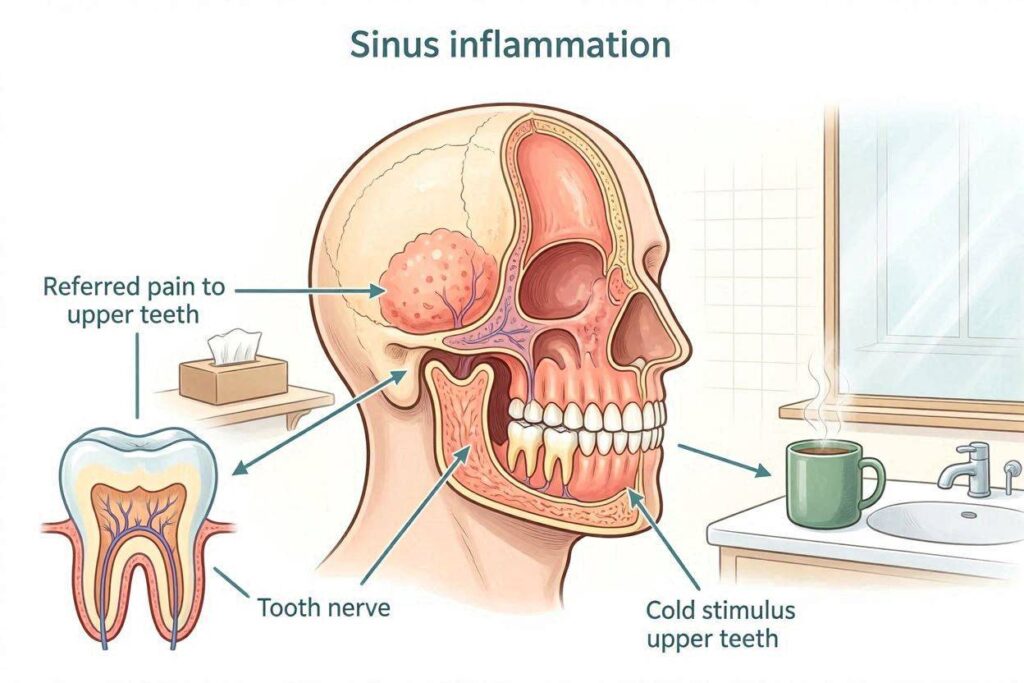
The Sinus-Tooth Connection Explained
To understand why your teeth ache during a cold, you first need to visualize the landscape of your skull. Your upper jaw, or maxilla, is not just a solid block of bone holding your teeth. It is an architectural marvel, housing a pair of air-filled spaces called the maxillary sinuses.
The Anatomy of Pain
Imagine your maxillary sinuses as two hollow pyramids on either side of your nose, filling most of the upper jaw. The floor of these sinuses forms the roof of your upper tooth sockets. The roots of your upper posterior teeth, especially the molars and premolars, often extend upward, pushing right against or even protruding slightly into the sinus floor. A thin, delicate membrane and a sliver of bone are all that separate the root tips of your teeth from the sinus cavity itself.
This close anatomical relationship is the core reason for your discomfort. The nerves that supply sensation to your upper posterior teeth, known as the superior alveolar nerves, run along the sinus floor. When you are healthy, these structures coexist without issue. When a cold virus invades your body, this proximity becomes the source of significant confusion. Your brain receives distress signals from the inflamed sinus tissues and has difficulty pinpointing their exact origin. It interprets these signals as originating from the nearest familiar structure—your teeth.
What Happens During a Cold
A cold triggers a cascade of inflammatory responses in your upper respiratory tract. The blood vessels in your nasal and sinus linings swell. Your body produces an excess of thick mucus in an effort to trap and flush out the virus. This swelling and fluid buildup obstruct the small drainage openings of your sinuses, called ostia.
Think of a healthy sinus as a quiet room with an open door. Air and a small amount of mucus circulate freely. A cold slams that door shut. Pressure inside the sinus cavity begins to climb as mucus accumulates and air becomes trapped. This creates a condition called acute sinusitis, an inflammation of the sinus lining. The trapped pressure pushes against the bony sinus walls, including the floor above your tooth roots. This mechanical pressure, combined with the chemical irritation from inflammation, agitates the dental nerves, and you perceive it as a toothache. The pain is real, but the source is not the tooth itself.
How to Tell If the Pain Is from a Cold or a Cavity
The crucial skill to develop is distinguishing between a sinus-related toothache and a toothache of dental origin. Misreading the signs could lead you to ignore a decaying tooth or, conversely, to panic and seek an unnecessary dental procedure. A careful assessment of your symptoms provides the necessary clues.
Sinus Toothache Characteristics
A toothache driven by sinus congestion has a specific behavioral profile. It rarely affects a single tooth. Instead, it manifests as a dull, throbbing, or pressure-like ache across a broad area. You will likely feel it in several upper back teeth simultaneously, almost as if the entire quadrant is bruised. The pain is rarely sharp or stabbing in response to a single stimulus like biting down.
The defining feature is its relationship to your movement. The pain intensifies dramatically when you bend over to pick something up, walk down a flight of stairs, or jump. This happens because these actions shift the fluid and increase pressure within the already congested sinus cavities. The ache also commonly amplifies when you go from a warm room to cold outdoor air. A sinus toothache almost never occurs in isolation. You will see a constellation of other cold symptoms: nasal congestion, a runny nose with thick yellow or green discharge, post-nasal drip, a headache focused behind the eyes or in the forehead, a reduced sense of smell, and general fatigue.
True Dental Infection Characteristics
A genuine dental problem, such as an irreversible pulpitis or an abscess, behaves very differently. The pain is usually localized to one specific tooth that you can likely point to with your finger. The character of the pain is sharp, severe, and intermittent or constant and throbbing, but it is highly stimulus-driven. Extreme sensitivity to hot and cold beverages that lingers for many seconds after the stimulus is removed is a classic hallmark of nerve damage within a tooth.
The most significant differentiator is the pain response to pressure. A tooth with an abscess or a dying nerve will cause sharp, electric pain when you tap on it with a fingernail or bite down on food. This is because the inflammation is located in the periodontal ligament at the root tip, inside the tooth socket, not above it in the sinus. The pain is often worse when lying down, as blood pressure increases in the head, but it does not change specifically when you bend forward. Visually, you might notice swelling in the gum near the painful tooth, a pimple-like bubble on the gum (a fistula), or a darkened tooth.
| Feature | Sinus-Related Toothache | Genuine Dental Problem |
|---|---|---|
| Location | Diffuse, across several upper back teeth | Localized to one specific tooth |
| Pain Type | Dull, throbbing ache or pressure | Sharp, severe, intermittent or constant |
| Trigger | Bending over, jumping, head movement | Biting, chewing, tapping on the tooth |
| Temperature Sensitivity | Minimal or none | Pronounced, lingering pain to hot/cold |
| Associated Symptoms | Nasal congestion, headache, fatigue, post-nasal drip | Gum swelling, pimple near the tooth, facial swelling |
| Positional Effect | Pain increases when head is lowered | Pain often increases when lying down flat |
Home Remedies and Safe Relief Measures
Once you have confidently identified your toothache as a byproduct of your cold, you can focus your efforts on reducing the sinus congestion at its source. Clearing the pressure in the sinuses will almost always resolve the tooth pain. Your approach should be multi-pronged, combining hydration, gentle decongestion, and environmental control.
Hydration and Steam Therapy
Thin mucus drains more easily. Your primary goal is to liquefy the thick secretions clogging your sinuses. Drink large amounts of water throughout the day. Warm herbal teas, clear broths, and water with lemon are excellent choices. Avoid dehydrating beverages like coffee and alcohol, as they can thicken mucus further.
Steam is an extraordinarily effective method for soothing inflamed sinus linings and loosening congestion directly. Take a long, hot shower and breathe deeply through your nose. For a more concentrated treatment, pour boiling water into a large bowl. Drape a towel over your head, lean over the bowl, and inhale the steam for 10 to 12 minutes. Do this several times a day. You can add a drop or two of eucalyptus or peppermint essential oil to the water for an added sensation of opened airways. Always keep your eyes closed and maintain a safe distance from the hot water to prevent scalding.
Warm and Cold Compresses
Applying gentle warmth to your face can help ease the sensation of pressure. Place a warm, damp washcloth over your eyes, nose, and cheeks. Leave it on for 10 minutes, then remove it. The warmth can thin mucus and relax the surrounding muscles, providing a comforting sensation. Many people find this alternation helpful: a warm compress for 10 minutes, followed by a cool compress for 5 minutes. The cool cloth can soothe inflammation and offer a mild numbing sensation on the skin, distracting from the deeper ache.
Nasal Irrigation and Decongestants
A Neti pot or a saline rinse bottle acts as a direct flush for your nasal passages. Using sterile, distilled, or previously boiled and cooled water mixed with a saline packet, you irrigate one nostril, allowing the solution to flow through the sinus cavities and exit the other nostril. This mechanically washes away thick mucus and viral particles, directly reducing the load causing inflammation. This is a purely mechanical and drug-free method.
Over-the-counter decongestant sprays like oxymetazoline can provide rapid relief. However, this relief comes with a strict warning. Never use these sprays for more than three consecutive days. Prolonged use leads to rebound congestion, a condition where your nasal linings become dependent on the spray and swell dramatically when you stop, creating a vicious cycle. Oral decongestants containing pseudoephedrine, available behind the pharmacy counter, can also be effective, but they may raise blood pressure and are not suitable for everyone. Always consult with a pharmacist or your doctor.
Important Note: If your tooth pain persists after your sinus congestion has fully cleared, or if a single tooth remains extremely sensitive to pressure and temperature, you must see a dentist. The cold may have simply masked a pre-existing dental condition that now requires direct treatment.
When to Seek Professional Help
While a sinus toothache is a temporary inconvenience, certain red-line symptoms demand professional medical or dental evaluation. Do not dismiss these signs as part of a lingering cold.
Signs You Need a Doctor
A typical viral sinusitis during a cold resolves within 7 to 10 days. If your symptoms worsen after initially improving—what doctors call “double sickening”—or if they persist for more than 10 days without any relief, you may have developed a secondary bacterial sinus infection. Signs of this include a high fever (over 101.5°F), excruciating facial pain, and a return of thick, discolored nasal discharge. Severe swelling around the eyes or a persistent, crushing headache also warrant an immediate visit to your physician.
Signs You Need a Dentist
If your pain becomes definitively localized to a single tooth, and that tooth screams in pain when you bite down or tap on it, the problem is dental. The appearance of a small, pimple-like blister on the gum tissue near the root of the tooth is a sign of an abscess, a pocket of infection draining pus. This is a definitive sign of a dead or dying nerve. Other visual clues include obvious decay or a broken filling. Facial swelling that extends to your cheek or under your eye indicates that a dental infection is spreading and has become a medical emergency requiring immediate care.
The Psychological Comfort of Understanding Your Pain
Pain is a complex experience, woven from both physical sensation and emotional reaction. The fear of the unknown can amplify pain perception significantly. When your teeth start aching during a cold, the initial reaction is often fear—fear of a cavity, a root canal, or an unexpected, costly dental procedure. This anxiety tightens your muscles, increases your heart rate, and focuses your mind entirely on the source of the pain, making it feel worse.
Gaining a clear, anatomical understanding of why the pain is occurring removes this layer of fear. When you know that your maxillary sinus floor is merely irritated and that your teeth are fundamentally sound, the emotional component of the pain diminishes. The sensation transforms from a frightening alarm bell into a manageable, known symptom of your cold. This cognitive shift is a powerful form of pain management in itself. You can then relax, implement the appropriate home remedies, and allow your body’s immune system to clear the virus without the added burden of dental anxiety.
The Resilient Ecosystem of Your Mouth and Sinuses
Your upper respiratory and oral environments are not sterile, lifeless zones. They are complex, biodiverse ecosystems filled with billions of bacteria, both helpful and opportunistic. When you are well, this system exists in a balanced state. A cold virus disrupts this harmony. The inflammation it causes changes the environment, giving opportunistic bacteria a chance to proliferate in the stagnant, mucus-filled sinus. This bacterial surge further fuels the inflammatory response, increasing the pressure on your tooth nerves.
Interestingly, the bacteria in your mouth and sinuses are connected. The oral microbiome, which includes hundreds of species of bacteria living on your teeth, gums, and tongue, can influence sinus health. Poor oral hygiene and gum disease can introduce harmful bacteria that may ascend into the sinuses, though this is a more chronic pathway. Understanding this connection reinforces the importance of maintaining good oral hygiene, even when you are sick. Continuing to brush and floss gently during a cold supports your overall immune system by reducing the bacterial load in your mouth, preventing the cold from causing secondary dental issues.
Preventive Care During and After a Cold
Taking care of yourself during a cold extends beyond just managing the toothache. Some simple practices can prevent your illness from having any lasting effects on your oral health.
First, change your toothbrush after you recover. While it is unlikely you will reinfect yourself with the same cold virus due to your immune system’s antibodies, a toothbrush can harbor secondary bacteria. It is a simple, inexpensive act of hygiene that provides a fresh start.
Second, be mindful of your cough syrups and lozenges. Many of these over-the-counter remedies are loaded with sugar to improve their taste. Holding a sugary lozenge in your mouth for long periods or coating your teeth with syrup before bed can fuel cavity-causing bacteria. Opt for sugar-free versions whenever possible. If sugar-free is not an option, rinse your mouth thoroughly with water after taking the medicine.
Finally, stay hydrated with water, not acidic drinks. Even healthy-seeming drinks like orange juice or lemon tea are highly acidic and can weaken your tooth enamel over many days of sipping. Water is the safest, most effective fluid for both your sinuses and your teeth.
Conclusion
The dull, throbbing ache in your upper teeth during a cold is a classic and almost always harmless example of referred pain from congested maxillary sinuses. The intimate anatomical relationship between your sinus floor and the roots of your teeth means that sinus pressure translates directly into dental discomfort. You can distinguish this from a true dental emergency by noting the diffuse, movement-sensitive nature of the pain and the presence of other cold symptoms. Treatment focuses on clearing sinus congestion with steam, hydration, and saline rinses. The ache will subside as your cold resolves. If a single tooth remains painfully sensitive to pressure long after your sinuses clear, a belated visit to the dentist is the correct next step to rule out a coinciding dental issue.
Frequently Asked Questions
Can lower teeth also ache during a cold?
While much less common, lower teeth can occasionally ache. This is usually due to referred pain from inflammation of the other sinus cavities, like the ethmoid or sphenoid sinuses, or from the general systemic inflammation that can make your gums feel tender and teeth feel slightly sensitive all over. However, lower tooth pain is more frequently a sign of a genuine dental problem and should be checked by a dentist if it persists.
Is it safe to go to the dentist when I have a cold?
If you have a scheduled dental cleaning or procedure and you are in the acute, highly contagious stage of a cold (fever, heavy coughing, lots of sneezing), it is a courtesy to call your dentist and reschedule. For the sake of the dental team and other patients, resting at home is best. If you have a dental emergency and a cold, inform the practice. They can advise you on how to proceed, as protecting you from a spreading infection is a priority.
Why does my tooth pain get worse at night?
This phenomenon has two contributors. First, when you lie down flat, more blood flows to your head, which can increase the pressure in already congested sinuses. Second, nighttime is quiet and free of distractions, which makes you hyper-aware of your bodily sensations, amplifying the perception of pain. Propping your head up with an extra pillow can help reduce the blood-pooling effect.
Can a sinus infection actually cause a cavity?
No, a sinus infection cannot cause a cavity. Cavities are caused by specific acid-producing bacteria in the mouth that feed on sugars. However, the prolonged pressure and inflammation from a severe, chronic sinus infection can, in very rare instances, cause the nerve of a perfectly healthy tooth to die over time, a condition called pulp necrosis, but this is not the process of decay.
How long will my teeth ache?
The toothache should subside in direct proportion to your sinus congestion. As the cold runs its course and your nasal passages and sinus ostia begin to drain freely again, the pressure will drop, and the tooth pain will fade. This typically takes 7 to 10 days. If the pain persists beyond that, a dental evaluation is necessary.
Additional Resource:
For more detailed information on sinus anatomy and sinusitis, visit the website of the American Academy of Otolaryngology–Head and Neck Surgery: www.entnet.org
Disclaimer: This article is for informational purposes only and does not constitute medical or dental advice. The content is not intended to be a substitute for professional diagnosis, treatment, or guidance. Always seek the advice of your dentist, doctor, or other qualified health provider with any questions you may have regarding a medical or dental condition.