Why No Exercise After Dental Implant?
You just left the dentist’s office. Your new dental implant is in place. The procedure took a few hours, and now you are at home resting. You feel fine. Maybe even good enough to go for a light jog or lift some weights.
But your dentist gave you a clear rule: no exercise for several days.
You might be wondering if that is really necessary. After all, you are not sick. You just had a tooth replaced.
Let me be honest with you. This restriction is not your dentist trying to control your life. It is a science-backed safety measure. Ignoring it can turn a successful surgery into a painful, costly problem.
In this guide, we will walk through everything you need to know. You will learn why exercise is dangerous after dental implant surgery, what happens inside your body, and exactly when you can safely return to your workout routine.

Understanding the Dental Implant Healing Process
Before we talk about exercise, we need to understand what actually happens inside your mouth after surgery.
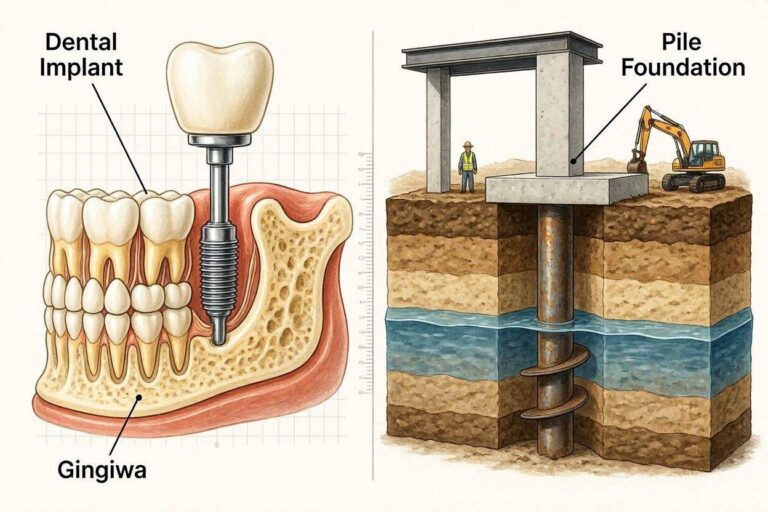
A dental implant is not like a filling or a crown. It is a titanium post that your dentist surgically places into your jawbone. This post acts as an artificial tooth root.
After placement, your body begins a process called osseointegration. That is a fancy word for a simple idea: your jawbone grows tightly around the titanium post. The bone and the post fuse together. This creates a stable foundation for your new tooth.
Osseointegration does not happen overnight. It takes months. But the most critical period is the first 48 to 72 hours after surgery. During this time, your body is working hard to:
- Form a stable blood clot at the surgical site
- Reduce inflammation
- Begin the early stages of tissue repair
- Protect the implant from movement or disturbance
Any disruption during this early healing window can cause serious problems. And that is exactly where exercise becomes dangerous.
The Real Reasons: Why No Exercise After Dental Implant?
Let us answer the main question directly. Why should you avoid exercise after dental implant surgery?
There are four primary reasons. Each one is backed by basic physiology and surgical common sense.
Reason 1: Increased Blood Pressure and Bleeding Risk
When you exercise, your heart pumps harder. Your blood pressure rises. Your blood flows faster throughout your body, including your head and mouth.
Right after implant surgery, your body needs to form a stable blood clot over the surgical site. This clot protects the underlying bone and the implant. It acts like a natural bandage.
If your blood pressure increases due to exercise, that clot can break loose. The result is bleeding that starts again. In some cases, bleeding can become difficult to control without returning to the dentist.
A friend of mine learned this the hard way. He went for a light run two days after his implant. By the time he got home, blood was dripping from his mouth. He needed an emergency visit to stop the bleeding and protect the implant.
Reason 2: Dislodging the Protective Blood Clot
Even without heavy bleeding, exercise can physically disturb the clot. Every time you move your body vigorously, you create small vibrations and shifts in pressure.
Your head moves. Your jaw tenses. Your mouth may open and close repeatedly for breathing.
All of these movements can pull on the tissues around your implant. This can dislodge the clot even if you do not bleed heavily. Once the clot is gone, the underlying bone and implant are exposed to air, food, and bacteria.
This condition is called a dry socket. It is painful. It delays healing. And it can compromise the implant’s ability to integrate with your bone.
Reason 3: Swelling and Inflammation Get Worse
Some swelling after dental implant surgery is normal. Your body sends fluid and immune cells to the area to start repairs.
But exercise increases overall inflammation in your body. When you work out, you create microscopic damage to your muscles. That triggers an inflammatory response. Your body can only handle so much inflammation at once.
If you add exercise-related inflammation on top of surgical inflammation, the area around your implant can swell excessively. Too much swelling puts pressure on the implant site. It slows down healing. And it increases your pain levels.
Reason 4: Risk of Dislodging or Moving the Implant
This is the most serious risk.
During the first few days, your implant is not yet stable inside your bone. It is held in place mainly by the tight fit of the surgical site and the initial clot. Any significant physical activity that involves your head, neck, or jaw can potentially shift the implant.
Weightlifting is particularly dangerous. Heavy lifting causes something called the valsalva maneuver. That is when you hold your breath and bear down to lift a weight. This action creates intense pressure in your chest, head, and sinuses.
That pressure transmits directly to your jawbone and your implant. If the implant moves even a fraction of a millimeter, osseointegration may fail. The bone may not grow properly around the post. The implant could become loose.
If that happens, you may need a second surgery to remove the failed implant and start over.
What Happens If You Exercise Too Soon? Real Complications
Let us be clear about the potential consequences. These are not rare or exaggerated risks. They are real complications that dental professionals see regularly.
| Complication | What It Means | How It Affects Your Implant |
|---|---|---|
| Recurrent bleeding | Bleeding that starts and stops repeatedly | Washes away protective clot, exposes bone |
| Dry socket | Clot is lost, bone and nerves are exposed | Extremely painful, delays healing for weeks |
| Excessive swelling | Inflammation spreads beyond normal limits | Increases pain, slows tissue repair |
| Implant micromovement | Tiny shifts in implant position | Prevents bone from fusing correctly |
| Implant failure | Implant does not integrate with bone | Requires removal and new surgery |
| Infection | Bacteria enter the unprotected site | Can spread to jawbone, may need antibiotics or removal |
Every single one of these complications has one thing in common. They extend your recovery time. They cost you more money. And they cause unnecessary pain.
That light jog or quick workout is never worth these risks.
The First 24 Hours: Absolute Rest Period
The first day after your dental implant surgery is the most critical. During these 24 hours, you should do almost nothing physical.
Allowed Activities
- Sitting upright or lying with your head elevated
- Walking slowly to the bathroom or kitchen
- Gentle movements to prepare simple meals
- Reading, watching television, or working on a computer
Not Allowed Activities
- Any intentional exercise
- Bending over with your head below your heart
- Lifting anything heavier than a gallon of milk (about 8 pounds or 4 kilograms)
- Running, jogging, or jumping
- Cycling, even on a stationary bike
- Swimming or any water activity
- Heavy housework like vacuuming or mopping
Important Note: Elevate your head when you sleep during the first 24 to 48 hours. Use two or three pillows. This helps reduce swelling and keeps blood pressure lower in your facial tissues.
Days 2 to 3: Light Activity Only
After the first full day, you will likely feel better. Swelling may peak around day two or three, then start going down. You might be tempted to return to normal activities.
Do not give in to that temptation yet.
During days two and three, your blood clot is still fragile. Your body is still in the early inflammation phase. The implant has not begun to integrate with your bone.
What You Can Do
- Short, slow walks around your home or yard
- Light stretching of your neck, arms, and legs (avoid jaw tension)
- Sitting up for longer periods
- Returning to light desk work or remote work
What You Still Cannot Do
- Go to the gym
- Lift weights of any kind
- Run, even slowly
- Play sports
- Do yoga poses where your head is below your heart (downward dog, forward folds)
- Bicycle or use an elliptical machine
A helpful rule of thumb: if an activity makes you breathe heavily through your mouth, it is too intense. Mouth breathing dries out the surgical site and increases movement in your jaw.
Days 4 to 7: Gradual Return Begins
By the end of the first week, many patients feel close to normal. Pain is usually gone or very mild. Swelling has reduced significantly. You may forget you had surgery.
But your bone has not forgotten. Osseointegration has barely started. The implant is still vulnerable to pressure and movement.
Low-Risk Activities You Can Try
- Brisk walking for 20 to 30 minutes
- Light jogging at a slow pace (listen to your body)
- Stationary cycling with low resistance
- Very light stretching routines
- Bodyweight exercises that do not involve straining (modified push-ups from knees, air squats)
Activities to Avoid This Week
- Heavy weightlifting
- High-intensity interval training (HIIT)
- Contact sports or activities with fall risk
- Swimming (still too early for water exposure)
- Hot yoga or intense heat activities
Quote from an oral surgeon: “I tell all my implant patients the same thing. For one full week, pretend you are recovering from a mild concussion. No bouncing, no straining, no heavy lifting. Your implant will thank you for years to come.”
Week 2: Expanding Your Activity
During the second week, your risk of bleeding and dry socket drops significantly. The surgical site has formed more stable tissue. The blood clot is replaced by early granulation tissue, which is tougher and more protective.
You can start expanding your workouts, but you still need to be smart about it.
Safe Workouts in Week Two
- Normal jogging or running at moderate pace
- Cycling with normal resistance
- Elliptical trainer
- Light weightlifting (50% of your normal weight)
- Bodyweight circuits (push-ups, pull-ups, lunges)
- Swimming (only if your dentist confirms the site is closed)
What to Watch For
- Any metallic taste in your mouth (possible bleeding)
- Increased throbbing or pain during exercise
- Swelling that returns after going down
- Any new bleeding, even a small amount
If you notice any of these signs, stop exercising immediately. Rest for 24 hours. If symptoms continue, call your dentist.
Weeks 3 to 4: Approaching Normal Exercise
By week three, most patients can return to their full normal exercise routine. However, there is one major exception.
Heavy weightlifting and high-intensity training still carry some risk. The valsalva maneuver (holding your breath and bearing down) creates significant pressure in your head and jaw. This pressure can still disturb healing tissues, even several weeks after surgery.
Recommended Approach for Weeks 3 to 4
| Exercise Type | Allowed? | Precautions |
|---|---|---|
| Walking, jogging, running | Yes | None needed |
| Cycling, swimming, rowing | Yes | Normal intensity allowed |
| Light to moderate weights (50-70% of max) | Yes | Breathe continuously, no breath-holding |
| Heavy weights (near maximum effort) | Caution | Avoid breath-holding, reduce weight slightly |
| High-intensity intervals (sprints, burpees, box jumps) | Caution | Limit to 2 sessions per week, monitor symptoms |
| Contact sports (basketball, soccer, martial arts) | No | Wait until week 6 at least |
| Scuba diving | No | Wait 8-12 weeks (pressure changes affect healing) |
Complete Recovery Timeline: When Is It Truly Safe?
Every patient heals differently. Age, overall health, smoking status, and the complexity of your surgery all affect recovery time.
But here is a general timeline that applies to most healthy adults.
0 to 72 Hours: Critical Rest Period
No exercise. Minimal movement. Head elevated. Protect the clot at all costs.
Day 4 to Day 7: Light Movement Only
Walking, light stretching, very easy cycling. No heavy breathing through the mouth. No straining.
Week 2 to Week 3: Moderate Exercise Returns
Jogging, swimming, moderate weights. Avoid max lifts and contact sports. Listen to your body.
Week 4 to Week 6: Near Normal Activity
Most exercises are fine. Heavy lifting is okay if you breathe correctly. Contact sports still have some risk.
Week 6 to Week 8: Full Return
All normal exercise is permitted. The implant is stable enough to handle normal physical stress. Osseointegration is well underway.
Month 4 to Month 6: Complete Healing
The implant is fully integrated with your bone. You can resume every activity, including contact sports and heavy lifting, without any special precautions.
Special Cases: When You Need Extra Rest
Some patients need to wait longer than the standard timeline. If any of these apply to you, add at least one to two weeks of extra rest before returning to intense exercise.
Multiple Implants Placed at Once
Your body has more healing to do. The surgical area is larger. The risk of complications is higher. Take it slower than the timeline above suggests.
Bone Grafting Performed with Your Implant
Many patients need a bone graft before or during implant placement. Grafting adds another layer of healing. The graft material needs time to fuse with your natural bone. Exercise too soon can disrupt this process.
Sinus Lift Procedure
If you had implants in your upper jaw, you may have had a sinus lift. This procedure raises your sinus floor to make room for the implant. Sudden pressure changes from heavy lifting or intense cardio can affect your sinuses and disturb the surgical site.
You Are a Smoker
Smoking dramatically slows healing. It reduces blood flow to your gums and bone. If you smoke, your recovery will take longer. Your risk of implant failure is higher even without exercise. Add exercise too soon, and you multiply that risk.
You Have Uncontrolled Health Conditions
Diabetes, high blood pressure, and autoimmune disorders all affect healing. If your condition is not well managed, your dentist may recommend a longer rest period from exercise.
How to Stay Active Without Risking Your Implant
Not exercising for several days or weeks is hard. Especially if you are used to daily workouts. The good news is that you have options. You can stay somewhat active without endangering your implant.
Safe Alternatives to Normal Exercise
- Walking: The safest possible activity. You can walk every day starting from day two. Just keep the pace easy.
- Seated upper body movements: Light arm circles, shoulder shrugs, and wrist exercises while sitting. These do not raise blood pressure much.
- Gentle stretching: Focus on your legs, back, and shoulders. Avoid neck stretches that involve straining your jaw.
- Meditation and deep breathing: This is not exercise, but it helps manage the frustration of being inactive. Deep breathing also lowers blood pressure, which supports healing.
- Balance exercises: Standing on one leg while holding a counter. Slow, controlled movements that do not raise your heart rate.
What to Avoid Completely in the First Week
- Any activity where you hold your breath
- Any movement that makes your head bounce
- Any position where your head is lower than your chest
- Any activity that makes you grit or clench your teeth
Signs You Pushed Too Hard: When to Call Your Dentist
Even if you follow all the guidelines, sometimes problems happen. Watch for these warning signs after exercising during your recovery.
Call your dentist immediately if you notice:
- Fresh red bleeding that does not stop with gentle pressure
- A bad taste that was not there before exercise
- Sudden increase in pain at the implant site
- Swelling that returns after it had gone down
- The implant feels loose or moves when you touch it with your tongue
- Fever or chills along with facial swelling (possible infection)
Do not wait to see if these symptoms go away on their own. Early intervention can save a failing implant. Waiting often makes the problem worse.
Common Myths About Exercise and Dental Implants
Let us clear up some misinformation that circulates online.
Myth 1: “I feel fine, so I can exercise normally.”
Feeling fine does not mean you are healed. The surgical site may look closed on the outside, but the bone underneath is still fragile. Healing happens from the inside out. Trust the timeline, not how you feel.
Myth 2: “Light cardio is completely safe in the first week.”
Light cardio raises your blood pressure. Not as much as heavy lifting, but enough to disturb a fresh blood clot. Walking is the only truly safe cardio in the first week. Save the jogging and cycling for week two.
Myth 3: “If I don’t bleed, there is no problem.”
Bleeding is only one sign of trouble. You can dislodge your clot without visible bleeding. You can create micromovement in the implant without feeling pain. You can increase inflammation without obvious swelling. No symptoms does not mean no damage.
Myth 4: “I had a different surgery and exercised right away, so implants are the same.”
Dental implants are different from other surgeries. They rely on a blood clot forming in a small, contained space. The bone is exposed directly to the implant. Any movement or pressure has a much bigger impact than it would on a skin incision or muscle repair.
A Note on Returning to Different Types of Exercise
Different sports and activities affect your implant differently. Here is a sport-by-sport guide.
Running and Jogging
Safe to resume around day five to seven, but start slowly. The impact of each footstep sends a small vibration through your skeleton, including your jaw. If you feel any throbbing, stop and wait another two days.
Weightlifting
The most dangerous exercise for implants. The breath-holding and straining create high pressure in your head. Wait until day 10 to 14 for light weights. Wait until week four for heavy weights near your maximum.
Swimming
Pool chemicals can irritate fresh surgical sites. Chlorine and bacteria in natural water increase infection risk. Wait until your dentist confirms the site is fully closed, usually around day 10 to 14.
Yoga and Pilates
Most poses are fine after day three. But avoid any pose with your head below your heart for the first two weeks. That includes downward dog, forward folds, and shoulder stands. These poses increase blood pressure in your face and can cause bleeding.
Cycling (Outdoor or Stationary)
Safer than running because there is no impact. You can cycle lightly by day four or five. Just watch your breathing. If you are breathing hard through your mouth, dial back the intensity.
Contact Sports
Basketball, soccer, football, martial arts, and hockey all carry a risk of an accidental hit to your face. Wait at least six weeks before returning to these sports. Wear a mouthguard once you return. Your dentist can make a custom guard that protects your implant.
Swimming and Diving
Scuba diving is uniquely dangerous for implants. The pressure changes underwater affect your sinuses and jaw. If you had upper implants, pressure changes can dislodge the implant or cause sinus problems. Wait at least eight to twelve weeks before diving.
Frequently Asked Questions (FAQ)
Can I walk on a treadmill the day after dental implant surgery?
No. Walking on a treadmill is still exercise. It raises your heart rate and blood pressure. Rest completely for the first 24 hours. You can walk slowly around your home on day two.
How long after dental implant can I exercise normally?
Most people can return to normal exercise by week four. Heavy weightlifting and contact sports may require waiting until week six. Full healing for all activities takes about four to six months.
What happens if I accidentally exercise too soon?
You may cause bleeding, dislodge the blood clot, increase swelling, or even shift the implant. Minor mistakes usually just delay healing. Major mistakes can cause implant failure requiring removal and a new surgery.
Can I do push-ups after dental implant surgery?
Wait at least 10 to 14 days for push-ups. Even though push-ups are bodyweight, they involve breath-holding and straining. Start with modified push-ups from your knees. If you feel any pressure in your jaw, stop and wait longer.
Why do I have to avoid bending over?
Bending over with your head below your heart increases blood pressure in your face and mouth. This can restart bleeding or dislodge the clot. Avoid bending over for the first three to four days.
Is it safe to have sex after dental implant surgery?
This is a common question. Gentle sexual activity is usually fine after 24 to 48 hours. However, any activity that significantly raises your heart rate, increases blood pressure, or involves straining is risky for the first several days. Use common sense. If you are breathing heavily or clenching your jaw, you are overdoing it.
Can I vape or use e-cigarettes instead of exercising?
No. Vaping is as bad as smoking for implant healing. Nicotine constricts blood vessels and reduces oxygen delivery to healing tissues. Vaping also dries out your mouth and increases infection risk. Do not vape for at least two weeks after surgery, ideally longer.
Will my implant ever be as strong as a natural tooth?
A successfully integrated implant is very strong. It can handle normal chewing forces for decades. However, it lacks the ligament that connects a natural tooth to bone. This means an implant cannot sense pressure the same way. It is durable, but not identical to a natural tooth.
What pain is normal after exercise during recovery?
None. Exercise should not cause any new pain at the implant site. If you feel throbbing, sharp pain, or aching after working out, you did too much too soon. Rest and call your dentist if pain persists.
Can I do ab exercises like sit-ups and crunches?
Sit-ups and crunches involve significant core straining. Many people hold their breath during these movements. Wait until at least day 10 to 14. When you start, do them slowly and focus on continuous breathing. Stop if you feel any pressure in your head or jaw.
Additional Resources
For more detailed information on dental implant recovery, post-surgical care, and long-term maintenance, visit the American Academy of Implant Dentistry’s patient education page:
Resource Link: American Academy of Implant Dentistry – Patient Resources
This resource provides dentist-reviewed information on implant types, recovery expectations, and finding qualified implant dentists in your area.
Final Checklist Before Returning to Exercise
Use this quick checklist to decide if you are ready to work out after your dental implant.
- It has been at least 48 to 72 hours since surgery (for light activity)
- Any bleeding has completely stopped
- Swelling is going down, not increasing
- You have no pain when gently touching your cheek near the implant
- You can breathe comfortably through your nose during light movement
- Your dentist has not told you to rest longer due to complications
- You are not taking blood-thinning medications that increase bleeding risk
If you checked all these boxes, you can try light activity. Start with 10 minutes of walking. Wait a few hours to see how you feel. If everything feels normal, slowly increase your activity the next day.
If you cannot check all these boxes, wait longer. Rest is free. A failed implant is not.
Conclusion
You should avoid exercise after dental implant surgery because physical activity increases blood pressure, dislodges protective blood clots, worsens inflammation, and risks moving the implant before bone can fuse to it. The first 72 hours require complete rest, followed by a gradual return over two to six weeks depending on your activity type. Protecting your implant early means enjoying it for decades without complications or repeat surgeries.