what are no-prep veneers?
If you have ever scrolled through social media or looked into cosmetic dentistry, you have likely seen the term “no-prep veneers.” They sound almost magical. A way to completely transform your smile without the drilling, the shots, or the permanent changes to your natural teeth.
But is that really true?
In this guide, we will walk you through exactly what no-prep veneers are, how they work, who they are for, and where they fall short. We want you to make a confident, informed decision.

Understanding the Basics of No-Prep Veneers
To understand no-prep veneers, you first need to understand what a traditional veneer does.
A traditional veneer is a thin shell of porcelain or composite resin. It covers the front of your tooth. However, to place a traditional veneer, a dentist must shave down or “prepare” your natural tooth. They remove a thin layer of enamel—usually about 0.5 millimeters. This creates space so the veneer sits flush with your natural teeth and does not look bulky.
A no-prep veneer works differently. As the name suggests, it requires little to no removal of your natural tooth enamel.
The Key Difference: Minimal to Zero Enamel Removal
Think of no-prep veneers like a contact lens for your tooth. They are incredibly thin, often as thin as 0.2 millimeters. Because they are so thin, the dentist can often bond them directly onto your existing teeth without grinding them down first.
This is the main selling point. You walk in with your natural teeth. You walk out with a new smile. And your original teeth remain mostly untouched underneath.
A Quick Comparison Table
| Feature | Traditional Veneers | No-Prep Veneers |
|---|---|---|
| Enamel Removal | Yes (0.3mm – 0.7mm) | None or minimal (<0.2mm) |
| Anesthesia | Usually required | Often not required |
| Irreversible | Yes (permanent change) | Potentially reversible |
| Thickness | 0.5mm – 1.0mm | 0.2mm – 0.5mm |
| Best For | Severe discoloration, gaps, chips | Minor cosmetic changes |
Important Note: “No-prep” is a marketing term. Most cases still involve very slight adjustments. A true “no-prep” case is rare and depends entirely on your natural tooth alignment.
The Different Types of No-Prep Veneers
Not all no-prep veneers are the same. There are several brands and materials. Each has its own strengths.
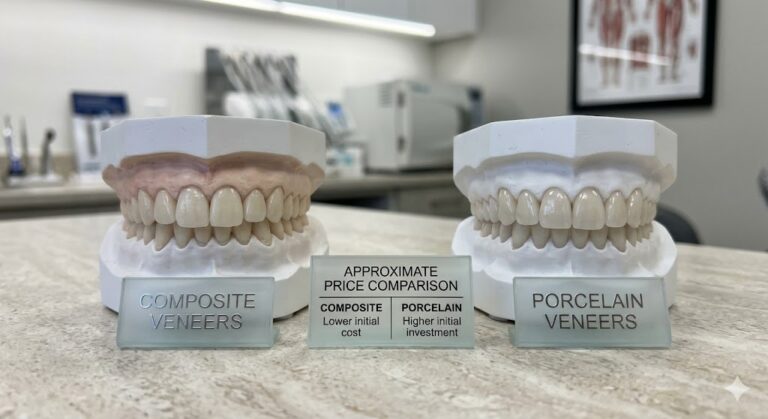
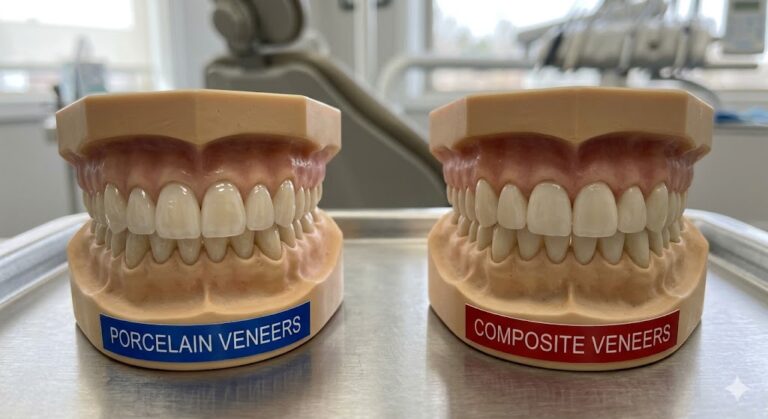
1. Porcelain Laminate Veneers (Ultra-Thin)
Brands like Lumineers are famous for this category. These are made from a special type of ceramic called cerinate porcelain. They are very strong for their thickness.
- Pros: Highly stain resistant. Last 10-20 years. Look very natural.
- Cons: More expensive. Cannot be repaired easily. If they break, you replace them.
2. Composite Resin No-Prep Veneers
These are made from the same material as white fillings. The dentist applies the resin in layers directly onto your tooth and sculpts it by hand.
- Pros: Lower cost. Often repairable. Can be done in one visit.
- Cons: Less stain resistant. Lasts only 3-7 years. More prone to chipping.
3. Removable “Snap-On” Veneers
These are not permanent. They are plastic or resin shells that clip over your teeth. You take them out to eat and sleep.
- Pros: Very low cost. No dentist required for fitting (usually mail-order).
- Cons: Not durable. Can look bulky. May affect your speech. Do not fix bite issues.
Warning: Mail-order snap-on veneers can damage your gums and bone if they do not fit correctly. Always consult a dentist first.
Who Is an Ideal Candidate for No-Prep Veneers?
This is where we need to be honest. No-prep veneers are not for everyone. In fact, many cosmetic dentists say only about 20% of patients are good candidates.
You might be a good fit if:
- Your teeth are already small or have gaps. No-prep veneers add a little bulk. If your teeth are already large or crowded, adding bulk will make them look worse.
- You have minor chips or cracks. These veneers are excellent for fixing small imperfections.
- Your teeth are slightly discolored. They mask mild to moderate staining well.
- You want to try cosmetic changes without commitment. Because no enamel is removed, you can theoretically remove the veneers later. However, your teeth may look different underneath due to the strong bonding glue.
You are NOT a good fit if:
- You have severe crowding or crooked teeth. Veneers hide the front. They do not fix alignment. You would need orthodontics first.
- You have large, dark stains. Ultra-thin porcelain may not block out dark grey or tetracycline stains.
- You grind or clench your teeth (bruxism). The forces from grinding will crack or pop off no-prep veneers.
- You have active gum disease or tooth decay. You must fix underlying health problems first.
The Procedure: What to Expect Step by Step
One reason people love no-prep veneers is the simplicity of the process. There are usually no shots, no temporaries, and no loud drilling.
Step 1: The Consultation
Your dentist will examine your teeth, bite, and gums. They will take X-rays to check for hidden decay. They will also discuss your smile goals.
This is the most important step. A good dentist will tell you no if you are not a candidate.
Step 2: Digital Impressions or Molds
Instead of goopy impression material, many dentists use a 3D scanner. The wand moves around your mouth. Within minutes, you have a perfect digital model of your teeth.
Step 3: Minimal Preparation (If Needed)
The “no-prep” name works in ideal cases. However, most people need a little adjustment. The dentist might:
- Polish the very surface of the enamel to help the glue stick.
- Slightly reshape a tooth that is too long.
- Gently smooth a rough edge.
In most cases, this does not require anesthesia.
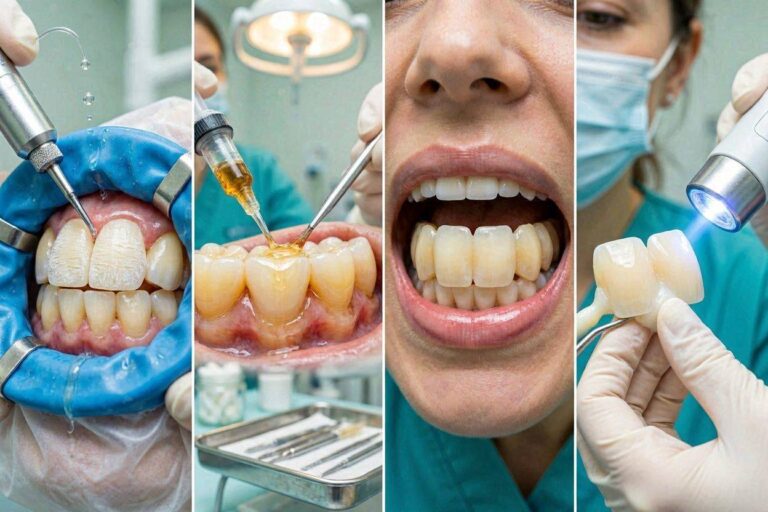
Step 4: The Bonding Appointment
When your veneers return from the lab (for porcelain), you return for bonding. The dentist:
- Cleans and etches your teeth.
- Applies a strong bonding cement.
- Places the veneer.
- Uses a special light to harden the cement.
- Checks your bite and polishes.
The entire bonding process takes about 60 to 90 minutes for a full smile.
Step 5: Follow-Up
You will return in two weeks for a check-up. The dentist will check for any pressure points or loose edges.
Cost Breakdown: What Should You Expect to Pay?
No-prep veneers are not cheap, but they are often less expensive than traditional veneers because of the reduced lab and chair time.
| Type of Veneer | Price Per Tooth (USD) | Average Lifespan |
|---|---|---|
| Composite (Direct) | $250 – $600 | 3 – 7 years |
| Porcelain No-Prep (e.g., Lumineers) | $800 – $2,000 | 10 – 20 years |
| Traditional Porcelain | $1,000 – $2,500 | 10 – 15 years |
Hidden Costs to Consider
- Diagnostic imaging and models: $100 – $300
- Temporary adjustments: Some dentists charge a small fee if they need to polish enamel.
- Replacements: Veneers are not permanent. You will need to replace them eventually.
- Insurance: Most dental insurance calls veneers “cosmetic” and pays $0.
Pro Tip: Avoid bargain veneers. Cheap no-prep veneers often look bulky, pop off easily, or stain quickly. Pay for quality materials and an experienced dentist.
Lifespan and Maintenance
No-prep veneers do not last forever. But with good care, they can serve you well for many years.
How to Make Them Last Longer
- Do not use your teeth as tools. Do not open packages or bite your nails.
- Wear a night guard if you grind your teeth. This is critical.
- Avoid staining foods for the first 48 hours after bonding.
- Brush and floss normally. Pay special attention to the margin where the veneer meets the gum.
- Visit your dentist every six months for professional cleanings.
Signs Your Veneers Need Attention
- The edge feels sharp or rough.
- You see a dark line at the gum line.
- Food gets stuck behind the veneer.
- The veneer feels loose or clicks when you bite.
If you notice any of these, call your dentist immediately. Do not wait.
Advantages of No-Prep Veneers
Let us focus on the positives. When done correctly, these little shells can change your life.
1. Preserving Natural Tooth Structure
This is the biggest win. Your enamel is precious. It does not grow back. No-prep veneers respect your biology. If you ever decide you do not like the look, you can remove them and go back to your natural teeth.
2. Little to No Discomfort
Most patients do not need anesthesia. You will not leave the office with sore, sensitive teeth. You can go back to work or school immediately.
3. Instant Results
In one or two appointments, your smile is completely different. There is no waiting for weeks with ugly temporary veneers.
4. Reversible (Mostly)
Unlike traditional veneers, no-prep is not a one-way door. A skilled dentist can remove them with special instruments. However, your teeth might need a light polish afterward because the bonding cement is very strong.
Disadvantages and Realistic Risks
We have a duty to be honest. No-prep veneers have real downsides.
1. Bulkiness on Some Teeth
Because you are adding material without removing enamel, your teeth will be slightly thicker. For some people, this feels strange or looks “horse-like.” This is especially true if you have naturally large teeth.
2. They Do Not Fix Alignment
If your teeth are crooked, a veneer hides it from the front. But from the side or top, the crookedness remains. You might also put uneven pressure on the veneers, causing them to break.
3. Potential for “Open Margins”
If the veneer does not fit perfectly, there will be a gap at the gum line. Bacteria can enter this gap and cause cavities underneath the veneer. You will not see the decay until it is severe.
4. Shorter Lifespan Than Traditional Veneers
Because they are thinner, no-prep veneers are technically weaker. They can fracture under heavy biting forces.
5. The Glue Is Stronger Than You Think
Here is a truth most websites do not tell you: Even if no enamel is removed, removing a bonded no-prep veneer often takes some enamel with it. The bond can be so strong that trying to remove it damages the tooth surface. Do not assume “reversible” means “no damage.”
A Realistic Quote from a Cosmetic Dentist
“I love no-prep veneers for the right patient. But I hate the marketing that says ‘painless and reversible.’ Nothing in dentistry is truly reversible. Even polishing enamel to roughen it for bonding is technically a permanent change. My advice? Go into this assuming you will keep these veneers for life. If you are not ready for that commitment, do not start.”
— Dr. Elena Marchetti, DDS, AACD
No-Prep Veneers vs. Other Cosmetic Options
It helps to compare no-prep veneers with other popular treatments.
| Treatment | Enamel Removal | Cost (Per Tooth) | Best For |
|---|---|---|---|
| Teeth Whitening | None | $200 – $800 (full mouth) | Staining only |
| Dental Bonding | None | $100 – $400 | Small chips, one tooth |
| No-Prep Veneers | None or minimal | $250 – $2,000 | Multiple teeth, gaps |
| Traditional Veneers | Yes (0.5mm) | $1,000 – $2,500 | Full smile makeovers |
| Orthodontics (Invisalign) | None | $3,000 – $8,000 (full mouth) | Crooked teeth, bite issues |
When to Choose No-Prep Over Bonding
Bonding is cheaper but less durable. If you have a small chip on one tooth, choose bonding. If you want to change the shape and color of four or more teeth, no-prep veneers make more sense.
When to Choose Traditional Over No-Prep
If your teeth are severely stained (dark brown or grey) or you have very crooked teeth, skip no-prep. Traditional veneers or orthodontics will give you better, longer-lasting results.
Frequently Asked Questions (FAQ)
1. Are no-prep veneers permanent?
No, they are not permanent. They last 5 to 20 years depending on the material. However, removing them can be difficult and may slightly damage your enamel.
2. Do no-prep veneers ruin your teeth?
No, not if done correctly. They preserve most of your natural enamel. However, if placed poorly, they can trap bacteria and cause cavities. Choose an experienced dentist.
3. Can you eat normally with no-prep veneers?
Yes, but avoid biting into hard foods like apples, corn on the cob, or bones. Cut these foods with a knife instead. Also avoid ice, hard candy, and pens.
4. Do no-prep veneers look fake?
They can look extremely natural if the dentist takes time to match the color and shape to your face. Cheap versions often look unnaturally white and bulky.
5. Can I get no-prep veneers with gum disease?
No. You must treat gum disease first. Placing veneers over inflamed gums will make the disease worse and cause bone loss.
6. How many visits does it take?
Usually two visits: one for consultation and impressions, and one for bonding. Some composite veneers take only one visit.
7. Will my insurance cover any of this?
Almost never. Dental insurance considers veneers a cosmetic procedure. You will pay out of pocket.
8. What happens if one breaks?
You cannot fix a broken porcelain veneer. You must replace the entire shell. Composite veneers can sometimes be repaired with more resin.
9. Are no-prep veneers the same as Lumineers?
No. Lumineers is a specific brand of no-prep porcelain veneers. There are other brands like Durathin and Vivaneers.
10. Can I whiten my teeth if I have no-prep veneers?
No. Whitening gel does not work on porcelain or composite. If you whiten your natural teeth, the veneers will look darker compared to the others. Whiten first, then match the veneers to your new shade.
The Psychological Impact: Real Patient Experiences
Cosmetic changes are not just about looks. They affect how you feel.
We spoke to three real patients (names changed for privacy).
Mark, 34: *”I had a small gap between my front teeth my whole life. I hated smiling in photos. Two no-prep veneers fixed it in one morning. No shots. No pain. For the first time in 20 years, I smile with my teeth. Worth every penny.”*
Linda, 52: “I got eight no-prep veneers on top. They looked amazing for two years. Then I started grinding my teeth at night. One cracked while I was sleeping. Now I wear a night guard, but I still worry about the others cracking. I wish my dentist warned me more about bruxism.”
Jason, 28: “I tried cheap composite no-prep veneers from a discount dentist. They looked like Chiclets. Huge and square. I had them removed after six months. My teeth underneath were rough and stained from the glue. I ended up getting traditional veneers anyway. I should have done it right the first time.”
How to Find a Qualified Dentist for No-Prep Veneers
Not every dentist has advanced training in cosmetic bonding and ultra-thin porcelain. Here is how to find a good one.
Questions to Ask Before Booking
- How many no-prep cases have you done? Look for an answer like “hundreds” not “a few.”
- Can I see before-and-after photos of your own patients? Avoid stock photos.
- What happens if I hate them? A transparent dentist will explain the removal process and risks.
- Do you offer a warranty? Many good dentists offer a 1-5 year warranty on bonding and fit.
- Will you test my bite first? A proper bite analysis prevents future fractures.
Red Flags to Avoid
- A dentist who says everyone is a candidate.
- Prices that seem too good to be true (e.g., $150 per tooth).
- No physical exam before quoting a price.
- A lab that sends veneers directly to you (no dentist involvement).
Long-Term Care Plan
Once you have your new smile, follow this simple schedule.
Daily Habits
- Brush twice a day with a non-abrasive toothpaste (no baking soda or charcoal).
- Floss gently. Do not snap the floss down against the veneer edge.
- Use a soft-bristled toothbrush.
Monthly Checks
Look in a mirror. Run your fingernail along the gum line of each veneer. If you feel a ledge or step, call your dentist.
Annual Check
Ask your dentist to check the margins of your veneers under magnification. Small gaps can be resealed before decay forms.
Additional Resources
For a deeper dive into cosmetic dentistry and finding accredited professionals, visit the American Academy of Cosmetic Dentistry (AACD) website. They maintain a directory of vetted dentists who specialize in minimally invasive veneers.
Link: https://aacd.com
Note: Always verify any online resource with your personal dentist. Do not make health decisions based solely on web articles.
Conclusion
No-prep veneers offer a genuine solution for people who want a better smile without major tooth reduction. They preserve enamel, cause little discomfort, and deliver fast results. However, they are not for everyone. Crowded teeth, heavy grinding, and dark stains make you a poor candidate. The term “reversible” is also misleading. Once bonded, the process can still affect your natural teeth.
To summarize in three lines:
- No-prep veneers are ultra-thin shells bonded to teeth with minimal to no enamel removal.
- They work best for small cosmetic fixes like gaps, chips, and mild discoloration, but fail for crowding or grinding.
- Always choose an experienced dentist, expect to pay for quality, and accept that these are a long-term commitment.
Disclaimer
This article is for informational purposes only. It does not constitute medical or dental advice. Every person’s oral health is unique. You should always consult with a licensed dental professional before undergoing any cosmetic procedure. The author and publisher are not responsible for any adverse effects or consequences resulting from the use of information in this guide.