how does vaping affect oral health
For many years, traditional smoking stood alone as the primary public enemy for dental well-being. Today, electronic cigarettes and vape pens fill the streets, offices, and homes. Millions of people have switched to vapes, believing they chose a completely harmless alternative to traditional cigarettes.
But what happens inside your mouth when you inhale that flavorful vapor? How does vaping affect oral health exactly?
While vaping eliminates many toxic combustion byproducts found in tobacco smoke, it introduces an entirely new set of chemical interactions to your teeth, gums, tongue, and oral microbiome. The mouth acts as the front line for everything you inhale.
This comprehensive guide breaks down the science, the symptoms, and the long-term realities of vaping. Whether you use nicotine-based e-liquids, flavored juices, or cannabis vape products, understanding these physiological mechanisms will help you protect your smile and make informed choices for your future health.
1. Understanding the Anatomy of Vaping and the Mouth
To truly understand how vaping alters your oral ecosystem, you must first look at what goes into a vape and how those elements interact with living tissue. A vape does not produce simple water vapor; it generates an aerosol packed with chemical compounds.
The Mechanics of the Vapor Path
When you activate a vape pen, a battery heats a metal coil. This coil vaporizes a liquid solution known as e-juice or e-liquid. As you draw on the mouthpiece, this superheated aerosol travels directly across your lips, floods your tongue, coats your teeth, and contacts the delicate mucous membranes lining your cheeks and throat.
This aerosol carries four primary components:
- Propylene Glycol (PG): A synthetic liquid substance that absorbs moisture.
- Vegetable Glycerin (VG): A thick, sweet liquid that creates large vapor clouds.
- Chemical Flavorings: Food-grade additives modified for inhalation.
- Nicotine: A highly addictive stimulant derived from tobacco or synthesized in a lab.
The Vulnerability of Oral Tissue
The oral cavity is not a passive tube; it is a dynamic, living environment covered in specialized epithelial cells. This tissue relies on a continuous flow of saliva to stay lubricated, fight off bad bacteria, neutralize harmful acids, and repair minor cellular damage.
When you introduce foreign chemical aerosols multiple times a day, you disrupt this delicate balance. The physical heat, combined with the chemical properties of the e-liquid ingredients, creates a hostile environment where cellular structures break down faster than they can regenerate.
2. Propylene Glycol: The Moisture Sucker
Propylene glycol makes up the base of most modern e-liquids. It provides the “throat hit” that many former smokers crave. However, PG possesses a specific chemical property that spells trouble for your oral environment: it is highly hygroscopic. This means it actively attracts and binds to water molecules from its surroundings.
[Inhaled PG Aerosol] ---> [Binds to Free Water Molecules in Mouth] ---> [Saliva Evaporates] ---> [Chronic Dry Mouth (Xerostomia)]
The Mechanism of Dehydration
When you inhale PG, it draws moisture straight out of your oral tissues and into the vapor stream. With regular use, your salivary glands cannot keep up with the constant demand for hydration. This leads to a clinical condition known as xerostomia, or chronic dry mouth.
Why Saliva Shortage Destroys Teeth
Saliva is your mouth’s natural defense system. It works around the clock to protect your teeth through several critical mechanisms:
- Acid Neutralization: Saliva maintains a healthy, slightly alkaline pH balance in your mouth, buffering the acids produced by plaque bacteria.
- Mechanical Cleansing: It constantly washes away food particles, loose bacteria, and debris from the surfaces of your teeth.
- Remineralization: Saliva carries vital minerals like calcium and phosphate, which constantly rebuild microscopic weak spots in your tooth enamel.
When propylene glycol strips away this protective fluid barrier, your teeth sit unprotected against bacterial attacks. The structural breakdown of enamel accelerates, paving the way for rapid cavity development and deep tooth decay.
3. Vegetable Glycerin and Flavorings: A Sticky Paradise for Bacteria
While propylene glycol dries out the mouth, vegetable glycerin provides a thick, viscous vehicle for the delivery of nicotine and flavorings. VG is inherently sweet, and when combined with complex chemical flavorings, it creates an optimal environment for destructive oral bacteria to thrive.
The Stickiness Factor
Vegetable glycerin is highly viscous. When vaporized, it deposits a sticky, microscopic film over every surface inside your mouth. This film adheres to tooth enamel, dental restorations, and the spaces between your teeth and gums.
This sticky coating acts like glue for dental plaque. It allows bacteria to cling to tooth structures with greater strength, making it much harder for a toothbrush or dental floss to remove them during your daily oral hygiene routine.
Enhanced Bacterial Virulence
Scientific studies show that the combination of vegetable glycerin and sweet flavorings actually alters the behavior of dangerous oral microbes, particularly Streptococcus mutans. This specific bacterium is the primary organism responsible for tooth decay.
When exposed to flavored vape aerosol, Streptococcus mutans undergoes distinct behavioral changes:
- It forms a four-times thicker biofilm (plaque) on tooth surfaces.
- It produces higher amounts of localized acid.
- It adheres to microscopic grooves in the teeth with greater tenacity.
Essentially, the sweet flavorings mixed with VG act as an easily accessible food source for dangerous bacteria while helping them build stronger, more destructive colonies across your smile.
4. Nicotine and Its Restrictive Impact on Gum Tissue
Many people view nicotine merely as an addictive substance that keeps them hooked on vaping. However, nicotine is also a potent systemic drug with profound vasoconrictive properties. This means it physically narrows blood vessels throughout your body, including the tiny capillaries that nourish your gums and jawbones.
The Illusion of Health
Healthy gums require a robust, continuous blood supply to deliver oxygen, white blood cells, and vital nutrients. This blood flow keeps the tissue firm, resilient, and capable of fighting off minor bacterial infections.
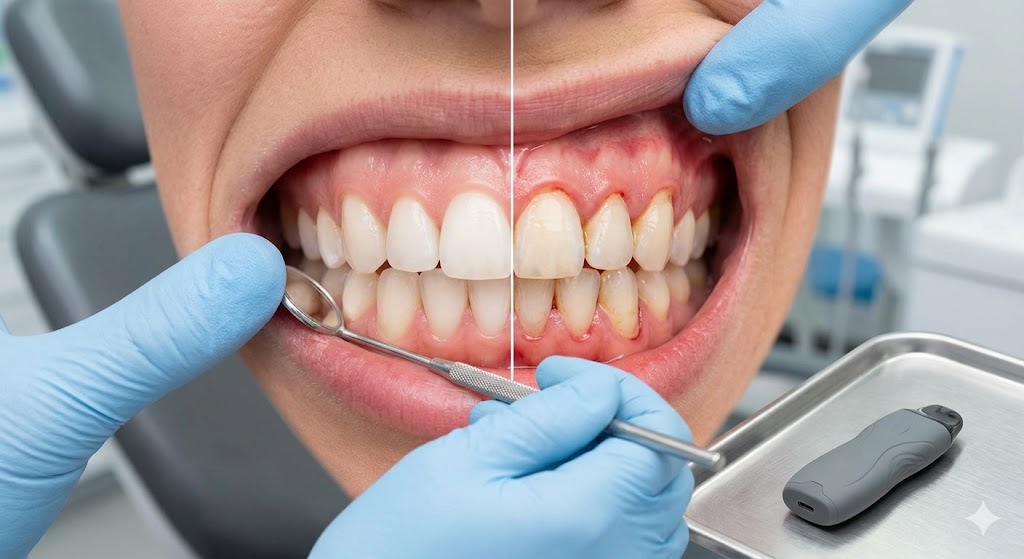
When you vape nicotine, your blood vessels constrict. This restriction reduces the visible signs of inflammation. While this might sound like a good thing, it actually masks the early warning signs of gum disease.
Normal Gums + Infection = Redness, Swelling, Bleeding (Warning Signs)
Nicotine Gums + Infection = Pale, Receded, No Bleeding (Hidden Destruction)
Because the restricted blood flow prevents the gums from bleeding or swelling normally, a vaper might look in the mirror and assume their gums are perfectly healthy. Meanwhile, deep beneath the surface, periodontal disease can progress silently without detection until major structural damage occurs.
The Breakdown of Supporting Structures
Without adequate oxygen and nutrients, your gum tissue loses its structural integrity. The attachment fibers holding the gum to the tooth break down, creating deep periodontal pockets where bacteria hide. Over time, this chronic lack of blood supply starves the underlying alveolar bone, causing it to shrink away and eventually lead to loose teeth.
5. The Oral Microbiome Disruption
Your mouth hosts a complex ecosystem comprising billions of microorganisms, including bacteria, viruses, and fungi. When this ecosystem remains balanced, beneficial bacteria keep harmful strains in check, protecting you from disease. Vaping acts like an environmental disaster for this delicate microscopic community.
[Healthy Mouth] Balanced Ecosystem -> High Saliva -> Low Acid -> Protected Teeth
                                     VS
[Vaping Mouth] Broken Ecosystem -> Low Saliva -> High Acid -> Bacterial Overgrowth
Shifting the Bacterial Balance
The combination of dry oral tissues, sticky chemical residues, and reduced oxygen levels creates a perfect storm for anaerobic bacteria—the dangerous strains that thrive in oxygen-poor environments. These bacteria are highly aggressive and produce volatile sulfur compounds that cause chronic bad breath, severe gum inflammation, and rapid tooth decay.
As the beneficial, oxygen-loving bacteria die off due to the harsh conditions created by vape aerosol, the destructive strains take over the oral cavity. This state of dysbiosis makes you highly susceptible to opportunistic oral infections, chronic inflammation, and systemic health complications.
6. Real-World Dental Conditions Linked to Vaping
The chemical and physical changes discussed above manifest as visible, painful, and costly dental conditions. Vapers frequently present to dental offices with specific patterns of oral degradation.
1. Rampant Cavities (Vape Caries)
Because vaping creates a dry, sticky, and acidic environment, vapers run a exceptionally high risk of developing smooth-surface cavities. These cavities appear on flat surfaces of the teeth where decay rarely occurs in non-vapers, such as the front surfaces near the gumline.
2. Accelerated Periodontal Disease
Gum disease progresses much faster in people who vape compared to non-users. The lack of blood flow prevents the body’s natural defense mechanisms from combating plaque buildup, leading to rapid gum recession, bone loss, and tooth mobility.
3. Vaper’s Tongue
Many vapers experience a partial or complete loss of taste, commonly referred to as “vaper’s tongue.” This occurs when propylene glycol and heavy flavorings coat the taste buds, causing localized inflammation and sensory fatigue. While usually temporary, it signifies deep irritation of the tongue’s surface tissues.
4. Oral Thrush (Candidiasis)
The disruption of the oral microbiome allows naturally occurring fungi, like Candida albicans, to multiply without control. This results in oral thrush, a painful fungal infection characterized by thick white patches on the tongue, inner cheeks, and roof of the mouth.
7. Comparative Assessment: Smoking vs. Vaping vs. Not Smoking
To put the oral health impacts of vaping into perspective, it helps to compare how various habits alter the oral cavity. The table below outlines how traditional smoking, vaping, and complete abstinence affect key markers of dental health.
| Oral Health Marker | Traditional Smoking | Vaping (With Nicotine) | Non-Smoker / Non-Vaper |
| Saliva Production | Moderately Reduced | Heavily Reduced (Due to PG) | Normal and Healthy |
| Tissue Blood Flow | Severely Restricted | Significantly Restricted | Normal and Responsive |
| Staining & Discoloration | Severe Tar/Nicotine Stains | Mild to Moderate Nicotine Stains | Minimal (Food/Drink Only) |
| Breath Odor Quality | Severe “Smoker’s Breath” | Chronic Bad Breath (Halitosis) | Fresh / Neutral |
| Microbiome Balance | Heavily Disrupted | Heavily Disrupted | Balanced and Protective |
| Risk of Oral Cancer | Exceptionally High | Elevated (Chemical Mutagens) | Baseline Risk |
| Gum Healing Ability | Poor | Poor | Excellent |
8. Chemical Irritants and Heavy Metals Hidden in Vapor
Many e-liquid manufacturers advertise their products as containing simple, food-grade ingredients. However, the process of heating these liquids changes their chemical structure completely, creating dangerous byproducts that directly damage your oral tissues.
Thermal Degradation Products
When an e-liquid hits a superheated metal coil, the ingredients break down through a process called pyrolysis. This thermal degradation turns benign ingredients into highly toxic chemical compounds:
- Formaldehyde: A known carcinogen that causes structural damage to cellular DNA and irritates delicate mucosal membranes.
- Acrolein: A highly reactive chemical that causes acute irritation to the upper respiratory tract and oral tissues, destroying cell walls upon contact.
- Acetaldehyde: A compound that degrades tissue integrity and increases the permeability of the oral lining, making it easier for toxins to enter the bloodstream.
Heavy Metal Contamination
As vape devices age or undergo repeated heating cycles, the metal coils inside the atomizers begin to degrade. Microscopic particles of these heavy metals leach directly into the e-liquid and enter the vapor path.
[Heated Atomizer Coil] ---> [Metal Degradation] ---> [Leached Microparticles] ---> [Inhaled into Mouth]
Dentists and researchers have identified trace amounts of lead, nickel, chromium, and tin in the oral tissues of regular vapers. These heavy metals cause direct cellular toxicity, trigger localized allergic reactions in the gums, and can lead to chronic inflammation of the bone supporting your teeth.
9. The Added Dangers of Cannabis and THC Vaping
The rise of cannabis legalization has led to a massive increase in the use of THC and CBD vape cartridges. While these products share some similarities with traditional nicotine e-liquids, they possess distinct characteristics that introduce unique hazards to your oral health.
The Problem with Thickening Agents
Cannabis oils are naturally thick and require specialized thinning agents to work properly in a vape cartridge. In the past, some manufacturers used vitamin E acetate, which led to severe lung injuries.
Even modern, safer cutting agents can cause significant oral issues. Many THC vapes utilize heavy concentrations of specific terpenes or synthetic lipids to lower viscosity. When vaporized, these oils leave an incredibly dense, water-resistant film across the teeth and gums that is far harder to wash away than standard vegetable glycerin.
Double-Whammy Dry Mouth
Cannabis naturally interacts with the endocannabinoid system in the human body. When you consume THC, it binds directly to receptors located in the submandibular and parotid salivary glands. This signaling pathway tells the glands to slow down saliva production.
[THC Inhalation] ---> [Binds to Salivary Gland Receptors] ---> [Stops Saliva Production]
                                      +
[Physical Heat of Vapor] ---> [Dries Out Remaining Moisture]
                                      =
[Extreme, Accelerated Xerostomia]
When you combine the neurological shutdown of saliva caused by THC with the physical dehydration caused by hot vapor, you get an extreme form of xerostomia. This severe dry mouth accelerates the development of tooth decay and gum disease far faster than nicotine vaping alone.
10. Daily Defense: Oral Hygiene Strategies for Vapers
If you currently vape and are not yet ready to quit, you must modify your daily dental routine to counteract the specific damage caused by the aerosol. Standard oral care habits usually fall short against the aggressive drying and sticky residue left behind by vapes.
1. Strategic Rehydration
Drinking casual amounts of water is not enough to counter the hygroscopic effects of propylene glycol. You need to actively rinse your mouth with clean water immediately after every vaping session. This physical rinsing helps dislodge sticky glycerin residues and restores immediate moisture to dehydrated tissues.
2. Use Targeted Dry Mouth Products
Incorporate specialized over-the-counter oral care products designed specifically for xerostomia:
- Biotype Rinses: Use alcohol-free, enzyme-based mouthwashes that mimic natural saliva to keep oral tissues lubricated.
- Saliva Stimulating Lozenges: Utilize sugar-free lozenges containing xylitol to stimulate natural salivary flow throughout the day.
3. Upgrade Your Fluoride Routine
Because your teeth lack the consistent mineral protection provided by healthy saliva, you need to boost your external mineral intake:
- Switch to a high-concentration prescription fluoride toothpaste recommended by your dentist.
- Apply a remineralizing paste containing Calcium Sodium Phosphosilicate (NovaMin) or Hydroxyapatite to help rebuild weak enamel surfaces at night.
4. Optimize the Timing of Your Brushing
Never brush your teeth immediately after vaping. The heat and acids from the vapor can temporarily soften your enamel. Brushing right away can scrub away this weakened outer layer. Instead, rinse thoroughly with plain water, wait at least thirty minutes for your mouth’s pH levels to stabilize, and then brush thoroughly with a soft-bristled brush.
11. What to Expect at the Dentist: Open Conversations
Many vapers hide their habit from their dentist out of fear of judgment or lectures. However, maintaining transparency with your dental professional is critical for protecting your teeth and avoiding catastrophic dental bills down the road.
Note for Readers: Your dentist is a medical professional trained to diagnose and treat oral conditions, not a moral judge. Being completely honest about your vaping habits allows them to customize your preventative care and catch structural damage before it requires expensive root canals or extractions.
How Dentists Detect Vaping Secrets
Even if you do not admit to vaping, an experienced dental professional can often identify the signs during a routine clinical exam:
- Specific Decay Patterns: Cavities forming along the smooth, visible surfaces of your front teeth or right along the gumline.
- Localized Tissue Blanching: Pale, blood-starved gum tissues that look uncharacteristically white despite the presence of plaque.
- Palatal Erythema: Redness or mild irritation on the roof of the mouth where the hot vapor stream hits directly as it exits the vape device.
- Unexplained Tissue Dryness: An absence of pooled saliva under the tongue during a physical examination.
Custom Interventions for Vapers
When your dentist knows you vape, they can alter their treatment protocol to protect your smile:
- More Frequent Cleanings: Moving you from a six-month cleaning schedule to a three-month interval to manage accelerated plaque accumulation.
- In-Office Fluoride Varnishes: Applying highly concentrated professional fluoride coatings to reinforce vulnerable enamel surfaces.
- Early Periodontal Monitoring: Utilizing specialized periodontal probes to measure bone attachment depths more frequently, ensuring hidden gum disease does not destroy your jawbone.
12. The Path to Healing: What Happens When You Quit Vaping?
The human body possesses an incredible capacity for self-repair when you remove chronic chemical irritants. If you choose to transition away from vaping, your oral cavity undergoes a rapid, positive transformation that you can often see and feel within days.
[Quit Vaping]
   |---> 24 Hours: Saliva production returns to normal levels
   |---> 7 Days: Blood vessels dilate; gums regain healthy circulation
   |---> 30 Days: Oral microbiome rebalances; bad breath subsides
   |---> 6 Months: Tissue inflammation resolves; gum disease stabilizes
The Recovery Timeline
- Within 24 Hours: As propylene glycol exits your system, your salivary glands resume normal function. Your mouth feels naturally moist, and your body begins washing away bacteria effectively again.
- Within One Week: Without nicotine forcing your capillaries to constrict, normal blood flow returns to your gum tissues. Your gums may experience temporary, mild bleeding during this phase—this is actually a sign that vital oxygen and immune cells are returning to fight off underlying infections.
- Within One Month: Your taste buds recover from flavor fatigue, allowing you to experience subtle flavors in food again. The balance of your oral microbiome begins to stabilize, causing chronic bad breath to clear up.
- Within Six Months: The risk of developing sudden, aggressive cavities drops back to baseline levels. Your gum tissue becomes firm, pink, and securely attached to your teeth, halting the progression of bone loss.
Conclusion
Vaping modifies the oral environment by inducing chronic dry mouth, altering the behavior of harmful bacteria, and restricting vital blood flow to the gums. These combined actions accelerate tooth decay, mask the warning signs of advanced gum disease, and disrupt the protective oral microbiome. Prioritizing strict oral hygiene and maintaining absolute transparency with your dentist remain essential steps for safeguarding your smile against the distinct risks introduced by e-cigarette aerosols.
Frequently Asked Questions (FAQ)
Does nicotineless vape juice still damage your teeth and gums?
Yes. While nicotine-free e-liquids eliminate the vasoconrictive risks that starve your gums of blood, they still contain propylene glycol and vegetable glycerin. These base ingredients cause significant dry mouth and deposit a sticky film that accelerates plaque buildup, leaving you highly susceptible to tooth decay.
Why do my gums bleed more after I stop vaping?
When you stop inhaling nicotine, the restricted blood vessels in your gums open back up and restore normal circulation. This sudden return of healthy blood flow allows your immune system to finally attack hidden bacterial infections, resulting in temporary bleeding during brushing or flossing as your tissues heal.
Can vaping cause permanent tooth loss?
Yes. Vaping contributes directly to advanced periodontal (gum) disease. By starving gum tissues of oxygen and nutrients, vaping causes the supporting jawbone to shrink over time. Without adequate bone support, teeth lose their stability, become loose, and may ultimately require extraction.
How often should a person who vapes visit the dentist?
If you vape regularly, you should consider visiting your dentist every three to four months instead of the standard six-month interval. These frequent visits allow your hygienist to clean away stubborn, sticky plaque films and help your dentist catch rapidly moving cavities before they reach the tooth nerve.
Can vaping cause mouth ulcers or canker sores?
Yes. The chemical irritants, trace heavy metals, and hot temperatures found in vape aerosol can cause direct physical irritation to the delicate inner linings of your cheeks and gums. This structural irritation, paired with a dry oral environment, makes vapers more prone to painful mouth ulcers.
Additional Resource
For readers looking for actionable support to protect their health or transition away from electronic nicotine delivery systems, the following resource offers free, confidential, and scientifically validated assistance:
- The National Quitline Initiative (Smokefree.gov): A comprehensive public resource providing specialized text messaging support programs, step-by-step cessation toolkits, and direct access to state-level quitlines via phone at 1-800-QUIT-NOW. They offer tailored tracks specifically designed to help individuals break free from electronic cigarettes and rebuild long-term systemic wellness.