My Temporary Crown Hurts: A Complete Guide to Causes, Comfort
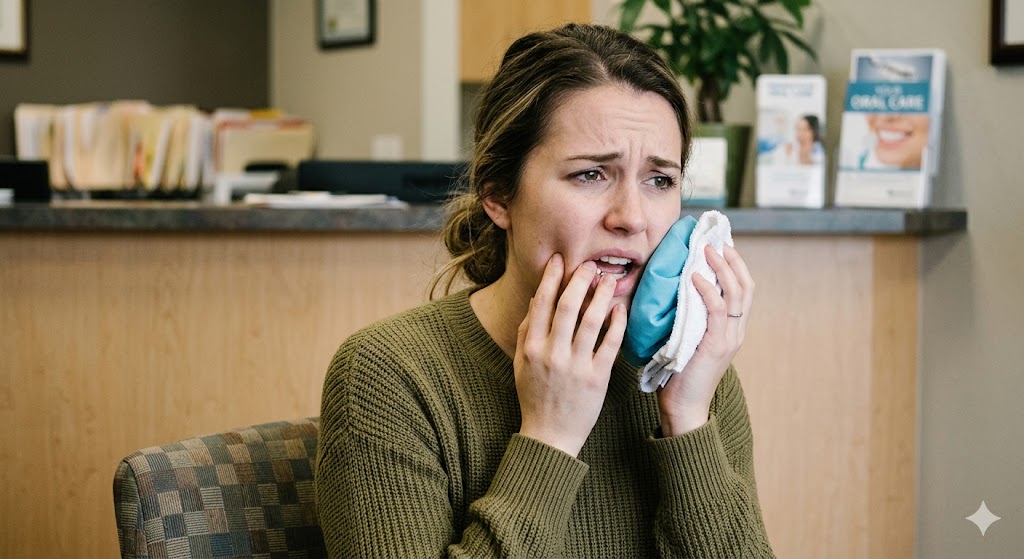
Getting a dental crown is a multi-step journey designed to protect a vulnerable tooth. A vital part of this process involves wearing a temporary crown while a specialized dental laboratory crafts your permanent restoration. However, when you realize my temporary crown hurts, it can cause significant worry and discomfort.
Understanding why a provisional restoration causes pain is essential for managing your oral health. While some mild tenderness is completely normal after dental work, sharp or worsening pain indicates an underlying issue that requires attention. This comprehensive guide breaks down the common causes of temporary crown pain, explores the world of modern biological dentistry, and provides practical advice to keep you comfortable until your permanent crown is placed.
Why Is Your Temporary Crown Causing Pain?
A temporary crown is typically made from acrylic or composite resin and is held in place with weak, temporary cement so it can be easily removed later. Because it is not a permanent fixture, it does not fit as flawlessly or protect the underlying tooth as robustly as a final porcelain or ceramic crown. When a tooth is prepared for a crown, a significant layer of enamel is removed, which exposes millions of microscopic pathways known as dentin tubules (Yadav, 2013). This exposure leaves the inner dental pulp highly vulnerable to external irritants.
[External Stimulus: Cold/Biting] ---> [Exposed Dentin Tubules] ---> [Fluid Movement] ---> [Nerve Activation/Pain]
Several common factors can trigger pain while wearing a temporary crown:
High Bite and Occlusal Trauma
The most frequent cause of localized pain is an uneven bite. If the temporary crown is even a fraction of a millimeter too high, it will hit the opposing tooth before the rest of your bite closes. This uneven distribution puts immense, repetitive pressure on the periodontal ligament—the sensitive tissue structure that anchors your tooth to the jawbone. This constant trauma triggers localized inflammation, resulting in acute pain whenever you chew or clench your teeth.
Reversible and Irreversible Pulpitis
The process of shaping a tooth with a high-speed dental drill generates significant friction and heat, which can irritate the underlying nerve tissue (Atria et al., 2019).
- Reversible Pulpitis: This is a mild, temporary inflammation of the dental pulp. It causes a brief, sharp flash of pain when you drink cold water or eat sweet foods, but the discomfort subsides within a few seconds after the stimulus is removed.
- Irreversible Pulpitis: If the nerve was already damaged by deep decay before the procedure, or if the drilling process caused severe trauma, the pulpitis can become irreversible. This condition features a deep, throbbing, spontaneous ache that persists long after hot or cold triggers are gone, often keeping you awake at night.
Microleakage and Exposed Dentin
Temporary cements are intentionally designed to degrade over time. If the cement washes away prematurely or the temporary crown develops a minor fracture, oral fluids and bacteria can seep underneath the margins (Brännström, 1997). When cold air, sugary foods, or acidic liquids come into direct contact with the exposed dentin tubules, it creates a rapid shift in fluid pressure that directly stimulates the nerve fibers, resulting in sharp sensitivity.
Gingival Irritation and Inflammation
To create a seamless fit for a permanent crown, dentists must shape the tooth right down to—or slightly beneath—the gumline. This process can cause minor bruising or abrasions to the surrounding gum tissue. Furthermore, if the provisional crown has rough edges or forces its way too deeply into the gingival sulcus, it can impinge on the soft tissues, resulting in sore, swollen, and bleeding gums.
Navigating the Options: Biological vs. Regular Dentistry
When managing dental discomfort or planning long-term restorations, the underlying philosophy of your dental provider plays a crucial role. More patients are exploring the distinctions between conventional dental offices and biological dental practices to determine which approach best fits their long-term wellness goals.
What is a Biological Dentist?
A biological dentist—often called a holistic, biocompatible, or integrative dentist—practices a specialized branch of dentistry that views oral health as an interconnected component of your entire systemic biology (Damle, 2016; Srinivasan, 2014). Rather than treating the mouth as an isolated system, biological dentistry emphasizes the profound impact that oral conditions, infections, and restorative materials can have on the rest of the body (Vigarniya, n.d.).
Biological dentists prioritize the use of non-toxic, biocompatible materials and employ conservative techniques designed to preserve as much natural tooth structure as possible (Srinivasan, 2014). They typically oppose the use of mercury-containing amalgam fillings, favor non-surgical approaches to periodontal care, and carefully evaluate the systemic implications of root canal therapies (Damle, 2016).
Biological Dentistry vs. Regular Dentistry
Conventional dentistry focuses primarily on diagnosing, treating, and preventing localized oral diseases, such as repairing decayed structures and restoring proper biting function. In contrast, biological dentistry integrates modern clinical science with natural healing philosophies, seeking to treat the root cause of systemic health issues rather than simply addressing isolated oral symptoms (Srinivasan, 2014).
| Feature / Philosophy | Conventional Dentistry | Biological Dentistry |
| Primary Focus | Localized treatment of oral disease, structural restoration, and aesthetic enhancement. | Interconnection of oral health with systemic biological wellness (Damle, 2016). |
| Material Preferences | Amalgams, standard composites, porcelain fused to metal, base metal alloys. | Mercury-free, mercury-safe, bio-inert ceramics, composites, and zirconia (Damle, 2016). |
| Restorative Materials Testing | Standard industry-approved materials applied uniformly across patients. | Individualized biocompatibility testing to ensure materials match body chemistry. |
| Fluoride Stance | Routinely recommended as a primary, foundational tool for cavity prevention. | Frequently viewed unfavorably; emphasizes dietary changes, ozone, and natural minerals (Damle, 2016). |
| Root Canal Approaches | Standard endodontic therapy used to salvage a non-vital tooth structure. | Detailed evaluation of systemic risks; focuses on advanced disinfection like ozone. |
| X-Ray Protocols | Routine diagnostic schedules utilizing standard digital radiography guidelines. | Focuses on minimizing radiation; heavily utilizes low-dose digital 3D cone-beam scans (CBCT). |
Are Biological Dentists Depending on Age?
Biological dentistry does not restrict its philosophy based on age; instead, it adapts its systemic wellness protocols to match the unique physiological stages of life:
- Pediatric Patients: For children, biological providers avoid systemic fluoride treatments and focus heavily on proper jaw development, airway health, and nutritional counseling to prevent dental decay naturally (Srinivasan, 2014). They emphasize non-toxic sealants and composite restorations to minimize chemical exposure during critical developmental years.
- Adult Patients: For adults, the focus often shifts toward safe mercury amalgam removal protocols (SMART), identifying hidden jawbone infections (cavitations), and selecting bio-inert materials for crowns, inlays, and implants to protect long-term systemic health (Damle, 2016).
- Geriatric Patients: For older adults, biological practitioners prioritize maintaining structural integrity, managing dry mouth caused by prescription medications using natural saliva stimulants, and treating periodontal issues with minimally invasive therapies to reduce systemic inflammation.
Are Biological Dentists Depending on Location?
The availability, scope of practice, and regulatory landscape of biological dentistry vary significantly depending on geographic location:
- Metropolitan Areas and Wellness Hubs: Major cities and regions with a strong emphasis on functional medicine typically feature a higher concentration of biological dental clinics. These locations often have advanced diagnostic technologies, such as dental ozone generators, cold lasers, and 3D cone-beam imaging systems.
- Rural or Conservative Regions: Finding a certified biological dentist can be challenging in rural areas. Patients living outside major cities may need to travel long distances to find a provider who strictly follows mercury-safe protocols or offers customized biocompatibility testing.
- Regulatory Variances: Legal definitions and guidelines vary by state and country. In some regions, formal biological academies heavily monitor certifications, whereas in other areas, any licensed conventional dentist can market themselves as “holistic” or “natural” without undergoing standardized, advanced training (Jucá et al., 2024).
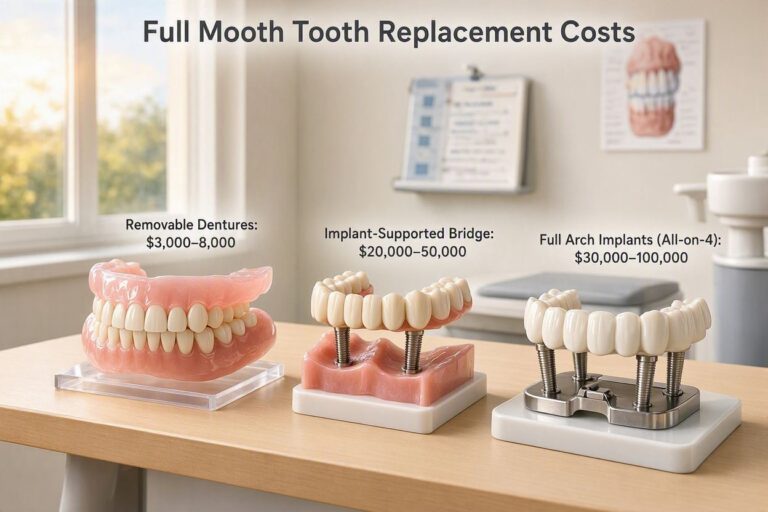
Are Biological Dentists vs. Exact Dentures
When dealing with extensive tooth loss, choosing between biological dental philosophies and traditional tooth replacement options like exact dentures requires looking closely at materials and structural stability:
- The Exact Denture Approach: Conventional exact dentures focus primarily on achieving a precise mechanical fit, recreating reliable chewing physics, and delivering a balanced aesthetic look. However, standard dentures often rely on acrylic plastics and base metals that can occasionally trigger tissue sensitivities in reactive individuals.
- The Biological Alternative: A biological approach to full-mouth reconstruction prioritizes the systemic compatibility of the prosthetic base. Biological dentists carefully screen denture bases for toxic monomer residues and frequently recommend advanced options like metal-free, premium zirconia implants to support fixed bridges. This avoids the progressive bone loss typically caused by the constant pressure of removable plastic dentures.
Practical Home Remedies and Immediate Pain Management
If you are dealing with a painful temporary crown, your first step should always be contacting your dental professional. However, if your discomfort flares up over a weekend or holiday, you can use these safe, evidence-based home remedies to manage the pain until your appointment.
Over-the-Counter Pain Relief
Anti-inflammatory medications are highly effective for dental pain because most toothaches stem from localized swelling within the tooth’s nerve chamber or the surrounding gum tissue.
- NSAIDs (Ibuprofen): Medications like ibuprofen help reduce the inflammatory response occurring around the tooth’s root or within the periodontal ligament.
- Acetaminophen: If you cannot take NSAIDs due to gastrointestinal issues or blood pressure concerns, acetaminophen is an excellent alternative for managing pain signals.
- The Combination Protocol: Under the direct guidance of a healthcare professional, alternating or combining therapeutic doses of ibuprofen and acetaminophen can provide powerful pain relief by targeting discomfort through two distinct biological pathways.
Warm Salt Water Rinses
A simple warm salt water rinse is a reliable, time-tested method for soothing irritated gum tissue. Dissolve half a teaspoon of pure sea salt into eight ounces of warm water. Gently swish the solution around the affected area for 30 seconds before spitting it out. The natural osmotic effect helps draw excess fluid out of swollen, inflamed gums, flushes away trapped food debris, and sanitizes the margins surrounding your provisional crown.
Strategic Dietary Modifications
Protecting your temporary crown through smart food choices is crucial for preventing further nerve irritation and keeping the restoration in place.
- Foods to Enjoy: Focus on soft, nutrient-dense foods that require minimal chewing. Excellent options include blended soups, smoothies, mashed avocados, scrambled eggs, yogurt, and well-cooked grains.
- Foods to Avoid: Steer completely clear of hard foods (such as nuts, seeds, ice cubes, and hard candies) that can crack thin acrylic material. You must also avoid sticky or chewy foods (like caramel, taffy, and chewing gum) that can easily pull the temporary crown off its prepared foundation.
- Temperature Management: If your tooth is experiencing reversible pulpitis, avoid extremely hot coffee or ice-cold drinks. Stick to room-temperature or lukewarm foods to keep the nerve calm.
Herbal Remedies and Natural Alternatives
For those who prefer holistic options, certain botanical treatments can offer temporary relief from oral discomfort:
- Clove Oil (Syzygium aromaticum): Clove oil contains high concentrations of eugenol, a natural chemical compound widely recognized for its potent analgesic and antimicrobial properties (Duggal et al., 2024). Lightly saturate a sterile cotton swab with a drop of organic clove oil diluted in a carrier oil, then gently apply it to the surrounding gum tissue for targeted numbing relief.
- Herbal Infusions: Lukewarm rinses made from brewed chamomile (Matricaria chamomilla) or sage (Salvia officinalis) can help soothe irritated oral tissues due to their natural anti-inflammatory and calming properties (Duggal et al., 2024).
Important Note for Readers: Natural remedies and over-the-counter pain medications are temporary solutions designed to manage symptoms. They do not cure underlying structural dental problems, deep bacterial infections, or an uneven bite. You must follow up with your dentist to address the root cause of the pain.
When to Seek Urgent Clinical Attention
While minor sensitivity to cold drinks can often wait a few days until your scheduled delivery appointment, certain symptoms indicate a more serious issue that requires prompt clinical attention. Contact your dental provider immediately if you experience any of the following warning signs:
- Spontaneous, Throbbing Pain: Severe pain that throbs constantly without any external trigger, or wakes you up in the middle of the night, suggests irreversible pulpal damage that may require endodontic treatment.
- Visible Swelling or Abscess Formation: Any noticeable swelling along your gumline, a visible pimple-like bump on the soft tissues, or facial swelling indicates a progressing bacterial infection that requires immediate care.
- A Loose or Dislodged Temporary Crown: If your temporary crown detaches or feels loose, call your dentist right away. Leaving a prepared tooth unprotected allows bacteria to rapidly invade the dentin and can cause the surrounding teeth to shift, which might prevent your permanent crown from fitting properly.
- Fever and Systemic Symptoms: Developing a fever, chills, or difficulty swallowing alongside a severe toothache indicates that a localized dental infection is spreading into deeper facial spaces or your bloodstream.
Frequently Asked Questions (FAQ)
Is it normal for a temporary crown to hurt when biting down?
No, significant pain when biting down is not normal. While mild tenderness can happen shortly after your appointment, sharp or persistent pain when chewing usually means the temporary crown is too high. This uneven pressure irritates the periodontal ligament, and your dentist will need to make a quick adjustment to level your bite.
How long should a temporary crown feel sensitive?
It is common to experience mild sensitivity to hot, cold, or sweet stimuli for the first 48 to 72 hours after tooth preparation. This occurs because the underlying nerve is recovering from the heat and vibration of the dental drill. Sensitivity that lasts longer than a week, or worsens over time, should be evaluated by your dentist.
What should I do if my temporary crown falls off over the weekend?
If your temporary crown falls off and you cannot reach your dentist, clean the inside of the crown gently. You can temporarily place it back over the tooth using a small dab of over-the-counter temporary dental cement or even clean toothpaste. Avoid chewing on that side of your mouth, and call your dentist first thing Monday morning to have it safely recemented.
Can a biological dentist fix a problem with a standard temporary crown?
Yes, a biological dentist can evaluate and treat a painful temporary crown placed by a conventional provider. They will check your bite, assess the health of the underlying nerve, and use biocompatible materials if the temporary crown needs to be remade or recemented.
Why does my gum tissue look red and swollen around the temporary crown?
Your gums may be irritated from the initial tooth shaping or from rough margins on the provisional crown. Additionally, because temporary acrylic crowns can attract plaque more easily than natural enamel, poor plaque control can quickly lead to localized gingival inflammation. Keep the area clean by brushing gently with a soft-bristled toothbrush and rinsing with warm salt water.
Additional Resources
- For detailed guidelines on managing unexpected dental situations at home, explore the American Dental Association (ADA) Patient Care Resources.
- To learn more about holistic treatment philosophies and safe material standards, review the accredited guidelines provided by the International Academy of Oral Medicine and Toxicology (IAOMT).
Conclusion
A painful temporary crown is usually caused by an uneven bite, exposed dentin pathways, or nerve irritation from the dental procedure. While over-the-counter pain relievers, warm salt water rinses, and a soft-food diet can help manage your discomfort temporarily, you should always contact your dentist for an evaluation. Resolving the issue promptly ensures your mouth stays comfortable and healthy as you transition to your permanent restoration.