The Silent Nighttime Struggle: Understanding Dry Mouth at Night
Waking up in the middle of the night with a tongue that feels like sandpaper and a throat as dry as a desert is more than just a minor annoyance. It is a widespread frustration that disrupts sleep, ruins your morning breath, and can even jeopardize your long-term dental health.
While almost everyone experiences a parched mouth occasionally, chronic dryness during sleep—medically known as nocturnal xerostomia—is a sign that your body’s natural defenses are down. Saliva is the unsung hero of oral health. When its production plummets as you sleep, your teeth and gums are left vulnerable to bacteria, decay, and irritation.
To truly fix the issue, we have to look beyond simply keeping a glass of water on the nightstand. We need to explore the underlying biological root causes, ranging from the way you breathe to the materials inside your mouth.

The Hidden Mechanics of Saliva and Sleep
To understand why your mouth dries out at night, it helps to understand how your salivary glands operate. Your body features three major pairs of salivary glands and hundreds of minor ones scattered throughout your mouth. Together, they work around the clock to produce saliva, which is 99% water blended with crucial enzymes, proteins, and minerals.
During the day, you constantly produce saliva to help chew, digest food, neutralize harmful acids, and wash away food particles. However, your body naturally dials down saliva production when you transition into deep sleep.
The Saliva Shift: While daytime saliva flow keeps your oral tissues lubricated and protected, nighttime flow drops to a fraction of its normal rate. If an underlying health issue or lifestyle habit reduces this flow even further, you cross the threshold into severe nighttime dryness.
Without the continuous cleansing wash of saliva, the oral environment shifts. Bacteria thrive in dry, warm spaces, leading to that distinct, unpleasant morning breath and an increased risk of cavities.
Exploring the Core Causes of Dry Mouth at Night
Why does this drop in moisture become severe for some people but not others? The reasons generally fall into a few distinct categories, including environmental habits, mechanical issues, and systemic health conditions.
1. Chronic Mouth Breathing
The most common culprit behind a parched mouth at night is breathing through your mouth rather than your nose. Your nasal passages are designed to warm, filter, and humidify the air you inhale. When you breathe through your mouth, the passing air rapidly evaporates any ambient moisture, drying out your tongue, cheeks, and throat within minutes.
2. Prescription and Over-the-Counter Medications
A massive variety of common medications list dry mouth as a primary side effect. These drugs block the chemical signals that tell your salivary glands to produce moisture. Common offenders include:
- Antihistamines and decongestants
- High blood pressure medications (diuretics)
- Antidepressants and anti-anxiety medications
- Muscle relaxants
3. Dehydration and Lifestyle Habits
If you do not drink enough water throughout the day, your body conserves fluids by cutting back on saliva production. Consuming alcohol, caffeine, or high-sodium meals close to bedtime compounds this issue, acting as diuretics that actively dehydrate your tissues while you sleep.
4. Underlying Medical Conditions
Sometimes, dry mouth is a secondary symptom of a broader health issue. Conditions like Type 2 diabetes, Sjogren’s syndrome (an autoimmune disorder that targets moisture-producing glands), and sleep apnea frequently manifest as severe nighttime dryness.
What is a Biological Dentist?
When searching for long-term solutions to chronic oral health challenges, many individuals look beyond traditional dental practices and turn to biological dentistry. But what exactly is a biological dentist?
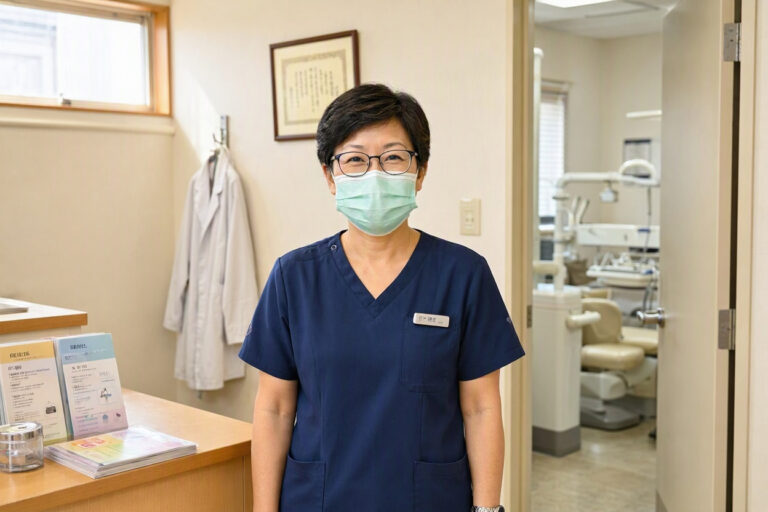
A biological dentist—often referred to as a holistic or natural dentist—is a fully licensed dental professional who practices dentistry by viewing oral health as an inseparable part of your entire body’s ecosystem. Instead of treating teeth in complete isolation, a biological dentist evaluates how oral treatments, materials, and conditions affect your systemic health.
Biological dentists focus heavily on prevention, the root causes of disease, and the utilization of biocompatible materials. They recognize that a symptom in the mouth, such as chronic dryness or recurring inflammation, is frequently a warning sign of an imbalance somewhere else in the body, such as the airway, the gut, or the immune system.
Are Biological Dentists Depending on Age?
A common question among patients exploring holistic care is whether biological dentistry is tailored to specific age groups. The short answer is no: biological dentistry adapts to the changing needs of a patient at every stage of life.
The approach changes based on age because our bodies and dental structures face different challenges as we grow and age.
Pediatric and Developing Years
For young children, a biological dentist focuses intensely on proper jaw development, airway health, and minimizing toxin exposure. They assess oral habits like thumb-sucking or tongue-thrusting, which can narrow the palate, cause mouth breathing, and ultimately lead to dry mouth and sleep disruptions later in life.
Adulthood and Preventive Care
For adults, the focus shifts to preserving natural tooth structure, managing stress-related oral issues (like teeth grinding), and addressing the lifestyle factors or medications that trigger conditions like chronic dry mouth.
The Senior Years
Older adults often experience a significant drop in natural saliva production due to aging tissues and cumulative medication use. A biological dentist works with seniors to stimulate natural moisture flow, protect vulnerable tooth roots from decay without using harsh chemicals, and ensure that any dental prosthetics do not burden the immune system.
Are Biological Dentists Depending on Location?
The availability and specific practice styles of biological dentists can vary significantly depending on where you live. While traditional dental offices are found on almost every corner, holistic dental practices require specialized, post-graduate training, making them less common in certain regions.
Urban and Suburban Availability
In major metropolitan areas, you are much more likely to find a dedicated biological dental clinic. These areas often feature robust wellness communities, making it easier for specialized practitioners to establish offices equipped with advanced holistic technology, such as safe mercury removal systems and advanced air filtration.
Rural and Remote Access
In rural areas, finding a certified biological dentist can be more challenging. Patients living in these locations often travel to larger cities for comprehensive evaluations. However, many conventional dentists in smaller towns are increasingly adopting “biocompatible-friendly” practices, such as offering fluoride-free options and composite restorations, even if they do not label themselves fully holistic.
Are Biological Dentists vs Exact Dentures
When it comes to replacing missing teeth, the philosophy of a biological dentist contrasts sharply with conventional approaches, particularly regarding the materials and design of dentures.
Traditional dentures are often crafted using standard pink acrylics and base metals. While these materials are functional, they can sometimes leach trace amounts of chemicals (like bisphenol-A or residual monomers) or trigger low-grade allergic sensitivities in the delicate oral tissues. For a patient already suffering from dry mouth, irritated or poorly fitting acrylic can worsen inflammation and discomfort.
A biological dentist approaches dentures with an emphasis on strict biocompatibility and systemic harmony:
- Biocompatible Materials: They utilize advanced, thermoplastic materials (such as nylon-based compositions or specialized medical resins) that are free from toxic monomers and metals.
- Bio-Inert Options: For implants or partial denture frameworks, they prefer zirconia—a strong, white ceramic material—over traditional titanium or base metals to avoid galvanic currents (micro-currents created by different metals interacting with saliva).
- Precision Fit for Tissue Health: A perfectly fitted, biocompatible denture reduces physical stress on the gums, protecting the minor salivary glands embedded in your oral tissues and helping maintain whatever natural moisture you have left.
Biological Dentistry vs Regular Dentistry
To better understand how these two dental philosophies diverge and where they overlap, it is helpful to look at their core priorities side-by-side. Both styles of dentistry aim to eliminate pain and restore chewing function, but their methods, materials, and diagnostic lenses differ substantially.
| Feature / Focus | Regular Dentistry | Biological Dentistry |
| Core Treatment Philosophy | Focuses on treating the specific tooth or localized oral disease. | Focuses on the whole body, treating oral issues as systemic indicators. |
| Material Preferences | Utilizes standard materials approved by regulatory bodies (including silver amalgam and metals). | Prioritizes non-toxic, bio-inert, and bio-tested materials (composite, ceramic, zirconia). |
| Root Canal Views | Seen as a standard, routine procedure to save a dead or infected tooth. | Evaluated cautiously due to concerns over lingering anaerobic bacteria and systemic inflammation. |
| Fluoride Usage | Widely used and recommended for cavity prevention and enamel remineralization. | Often avoided or replaced with natural alternatives like hydroxyapatite and dietary changes. |
| Airway and Sleep Analysis | Historically limited, though changing; primarily focuses on teeth alignment. | Strongly emphasizes airway health, breathing patterns, and sleep apnea connections. |
Practical Solutions for Nighttime Dry Mouth
If you are struggling with a dry mouth at night, a combined approach addressing both immediate comfort and long-term habits can provide significant relief.
Revamp Your Sleeping Environment
- Use a Cool-Mist Humidifier: Place a humidifier right next to your bed. Adding consistent moisture to the bedroom air prevents your oral tissues from drying out rapidly if you accidentally breathe through your mouth.
- Keep Dust to a Minimum: Clean your bedroom regularly to reduce allergens that cause nasal congestion, which forces you to breathe through your mouth.
Optimize Your Nighttime Rituals
- Hydrate Throughout the Day: Sip water consistently during the day rather than chugging a large amount right before bed, which will only wake you up to use the restroom.
- Avoid Sleep Stealers: Cut off caffeine, alcohol, and heavy, salty foods at least three to four hours before your head hits the pillow.
- Switch to Oral-Friendly Products: Avoid commercial mouthwashes containing alcohol, as they actively strip away residual moisture. Choose gentle, natural rinses designed to soothe dry tissues.
Consider Airway Support
- Nasal Strips: If minor congestion limits your nasal breathing, try over-the-counter nasal strips to gently open your nasal passages.
- Consult a Professional: If your dry mouth is accompanied by loud snoring, gasping, or daytime fatigue, seek a comprehensive evaluation from a medical professional or a biological dentist specializing in sleep-related breathing disorders.
Important Note for Readers: Chronic dry mouth is more than an uncomfortable sensation; it changes the pH balance of your mouth, making it easier for cavities to form. If your symptoms persist despite lifestyle adjustments, schedule a comprehensive visit with a healthcare provider or a biological dentist to rule out underlying medical conditions.
Summary
Dry mouth at night is a common yet disruptive issue primarily caused by mouth breathing, medications, and lifestyle factors. By exploring holistic approaches like biological dentistry, which looks at the whole-body impact of oral health, and making simple changes to your sleep environment, you can restore natural moisture, protect your teeth, and enjoy restful sleep.
Frequently Asked Questions (FAQ)
Why is my mouth so dry only at night?
During sleep, your body naturally decreases its saliva production. If you combine this natural drop with mouth breathing, dry bedroom air, or medications, your mouth dries out completely, leading to severe nighttime dryness.
Can a biological dentist help with sleep apnea and dry mouth?
Yes. Many biological dentists receive specialized training in airway health. They can evaluate your oral structures to see if a narrow palate or jaw positioning is forcing you to breathe through your mouth, and work alongside physicians to provide custom oral appliances.
Are natural toothpastes better for dry mouth?
Many conventional toothpastes contain Sodium Lauryl Sulfate (SLS), a foaming agent that can irritate sensitive, dry oral tissues. Natural toothpastes free from SLS and harsh chemicals are generally gentler on a dry mouth.
Does drinking water before bed cure nighttime dry mouth?
While drinking water helps, it is often a temporary fix. If your dry mouth is caused by chronic mouth breathing or medication side effects, the moisture will quickly evaporate unless you address the root cause or humidify your room.
Additional Resources
For deeper insights into whole-body wellness and holistic health strategies, explore the detailed guides and evidence-based articles available at The Weston A. Price Foundation.
Disclaimer: The information contained in this article is intended for educational and informational purposes only. It does not constitute professional medical or dental advice, diagnosis, or treatment. Always seek the advice of your dentist, physician, or other qualified health provider with any questions you may have regarding a medical or dental condition.