Are Smile Generation Dentist Scammers?
The Smile Generation is not a dental practice. It is a marketing machine, a referral network, a financing engine, and a brand umbrella that hovers over hundreds of individually owned dental offices across the United States. When a patient types “dentist near me” into Google and clicks on a polished ad promising a “Smile Generation Approved Office,” they may believe they are booking with a single, unified, corporately owned chain like Aspen Dental or Heartland Dental. They are not. They are being connected to a private practice that has contracted with Smile Generation for branding, patient acquisition, and—crucially—financing.
The question “Are Smile Generation dentists scammers?” is the wrong question, but it is asked with such frequency in online forums, consumer complaint boards, and dental review sites that it demands a forensic answer. The dentists in the network are generally licensed, credentialed, and legally operating professionals. They are not running an outright criminal enterprise. However, the business model within which they operate creates powerful, systematic financial incentives that push the boundaries of ethical treatment planning, and the patient complaint patterns reveal a recurring narrative: a seemingly routine cleaning visit escalates into a recommendation for deep scaling, root planing, laser gum therapy, and full-mouth crowns, all priced at $15,000 to $40,000, financed through a CareCredit card with deferred interest. This article dissects the Smile Generation business architecture, the “Periodontal Disease” diagnosis pattern, the role of CareCredit in closing high-dollar cases, the difference between fraud and aggressive overtreatment, and the defensive strategies patients can use to navigate any corporate-affiliated dental visit.

The Business Model: Marketing, Not Ownership
Smile Generation is a brand owned by Pacific Dental Services (PDS), a dental service organization that provides non-clinical support—marketing, billing, human resources, IT, and call center services—to affiliated private dental practices. The individual dental practice is owned by a licensed dentist or a dental corporation controlled by a licensed dentist, complying with state laws that prohibit the corporate practice of dentistry. Smile Generation itself does not own practices, does not employ dentists directly, and does not dictate clinical treatment. On paper, the clinical autonomy of the affiliated dentist is absolute.
In practice, the financial relationship between the practice and the DSO creates a powerful gravitational pull. The practice pays substantial fees to Smile Generation for the patient referrals, the branding, and the operational infrastructure. These fees must be covered by production. The practice has revenue targets. The dentists, whether they are owners or associates on production-based compensation, have a direct personal financial stake in the treatment they diagnose and the procedures they perform. This is not unique to Smile Generation; it is the reality of production-based dentistry across the industry. What distinguishes the Smile Generation model is the seamless integration of the marketing funnel, the financing product, and the treatment planning script, all designed to convert a new patient call into a maximum-value treatment plan on the first visit.
The “New Patient Special” Funnel
The patient journey typically begins with a low-cost or free new patient offer: X-rays, exam, and sometimes a cleaning for $59, $29, or even free. This is a classic loss leader. The practice loses money on the new patient visit, sometimes significantly, because the cost of the dentist’s time, the hygienist’s time, the X-rays, and the sterilization exceeds the discounted fee. The practice is not a charity. The loss is an investment in a future return. The return comes from treatment diagnosed at that visit and presented to the patient before they leave the chair.
This is where the complaint pattern emerges. A patient with no dental pain, no symptoms, and a history of regular cleanings is told they have moderate to severe periodontal disease, requiring quadrant scaling and root planing (deep cleaning under the gums), often with adjunctive laser bacterial reduction, localized antibiotic delivery (Arestin), and irrigation. The cost is $800 to $1,500 per quadrant, for a total of $3,200 to $6,000. The patient is then told they have multiple failing restorations—old amalgam fillings that are “leaking” or “cracked”—requiring crowns or onlays, at $1,200 to $1,800 per tooth. The total treatment plan rapidly escalates to $15,000, $25,000, or more. The patient, stunned, is handed a CareCredit application on an iPad.
The Periodontal Diagnosis Controversy
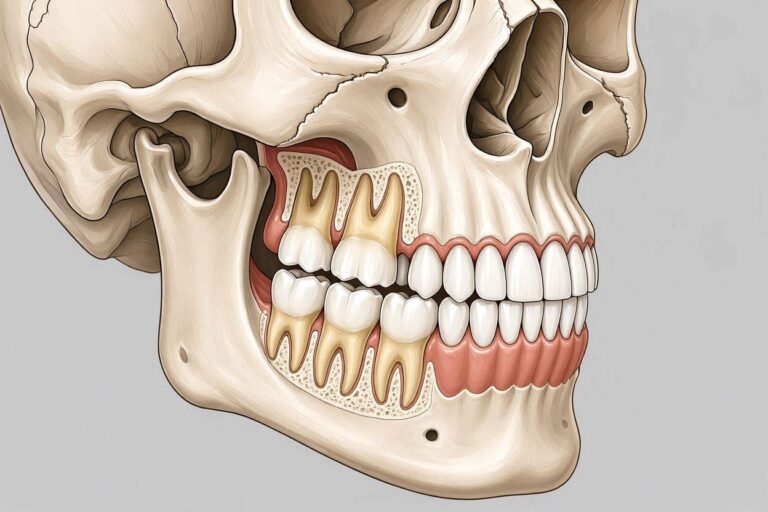
The most frequent complaint against Smile Generation-affiliated offices is the aggressive diagnosis of periodontal disease. The standard of care for diagnosing periodontal disease involves full-mouth periodontal charting—measuring the depth of the gum pocket around each tooth at six sites per tooth with a thin probe. Healthy pockets are 1–3 millimeters deep, with no bleeding on probing. Pocket depths of 4 millimeters or greater, particularly with bleeding, indicate inflammation and possible attachment loss.
The controversy arises when pockets of 4 millimeters, which can be caused by gingivitis (reversible gum inflammation) rather than true periodontitis (irreversible bone loss), are coded and billed as periodontal disease requiring scaling and root planing. Scaling and root planing is an invasive, uncomfortable procedure that involves anesthetizing the gums, scraping the root surfaces below the gumline with curettes and ultrasonic instruments, and often requires multiple two-hour appointments. It is the appropriate treatment for genuine, bone-loss-associated periodontitis. It is overtreatment for mild gingivitis that would resolve with a standard cleaning and improved home care.
Patients who have been diagnosed by a Smile Generation office and then seek a second opinion from an independent, non-corporate dentist frequently report a markedly different diagnosis: mild gingivitis, a few 4-millimeter pockets, recommendation for a standard adult prophylaxis (cleaning) and improved flossing. The discrepancy fuels the “scammer” accusation. The Smile Generation office is not fabricating numbers out of thin air—the probing depths are real—but the interpretation of those numbers, the diagnostic threshold at which “gingivitis” becomes “periodontitis,” is being shifted into a more aggressive, revenue-generating zone. This is a gray area in dental ethics. It is not fraud in the legal sense—there are probing depths documented in the chart—but it is systematically biased toward overdiagnosis.
The CareCredit Integration: Financing as a Sales Tool
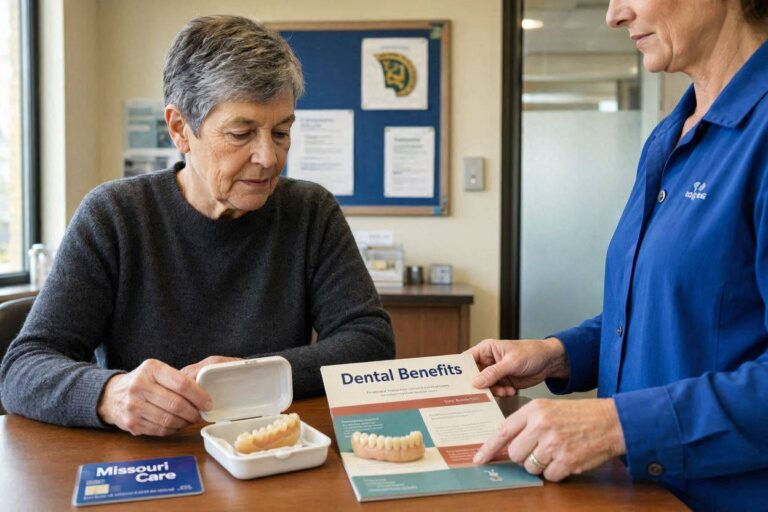
Smile Generation’s tight integration with CareCredit is a critical piece of the patient experience. CareCredit is a medical credit card issued by Synchrony Bank. It offers promotional financing—”No Interest If Paid In Full” within 12, 18, or 24 months—on dental treatment. The patient can approve a $15,000 treatment plan and walk out without paying a cent that day, signing only a financing agreement.
The presence of CareCredit in the operatory is a powerful sales accelerator. The treatment coordinator calculates the monthly payment—”This is only $250 a month!”—and the abstract, terrifying $15,000 number transforms into a manageable-sounding subscription. The patient, emotionally vulnerable from the diagnosis and the white-coat authority of the dentist, agrees. The treatment is scheduled.
The deceptive nature of the financing is not in its existence but in the deferred interest trap. If the patient fails to pay off the entire balance within the promotional window, all of the deferred interest—calculated at the full APR, typically 26.99%, from the date of the procedure—is added to the balance. A patient who finances $12,000 and pays off $11,500 by the deadline owes not just the $500 remaining principal but roughly $3,000 in retroactive interest. This is a financial catastrophe that the treatment coordinator may gloss over or bury in the fine print. The patient came in for a cleaning and leaves with a five-figure debt and a ticking time bomb of deferred interest.
The “Laser Gum Therapy” Upsell
Another recurring element in Smile Generation patient complaints is the recommendation for laser bacterial reduction or laser-assisted new attachment procedure (LANAP) as an adjunct to scaling and root planing. The laser is a legitimate technology, and LANAP is an FDA-cleared protocol for treating periodontal disease. However, its use as a routine add-on for every quadrant of scaling and root planing, particularly in patients with moderate pocket depths, is controversial.
The laser therapy adds $200–$400 per quadrant, inflating the treatment plan by $800–$1,600. The evidence for improved clinical outcomes with adjunctive laser therapy over scaling and root planing alone is mixed. Some studies show modest additional pocket depth reduction; others show no statistically significant difference. The laser is a billable service that utilizes a capital investment the practice has already made—the laser device itself is expensive, and each use generates revenue that pays down that equipment cost. The patient, who does not understand the nuances of the periodontal literature, hears “laser” and pictures advanced, high-tech, superior care. The financial incentive to recommend the laser aligns with the practice’s equipment financing costs.
The Distinction: Scam vs. Systematic Overtreatment
Is Smile Generation a scam? A scam implies fraud: billing for services not rendered, fabricating X-ray findings, treating healthy teeth. The documented complaints against Smile Generation offices generally do not allege this level of criminality. They allege a pattern of aggressive, production-driven overtreatment that walks up to the line of medical necessity and steps just over it.
The distinction matters because it informs the patient’s legal recourse. Fraud is a crime, actionable through state dental boards and law enforcement. Overtreatment is a breach of the standard of care, actionable through dental board complaints and civil malpractice suits, but it is harder to prove because it involves clinical judgment. Two dentists can look at the same radiograph and disagree on whether a filling needs replacement. The Smile Generation dentist who recommends a crown on a tooth with a large, old amalgam and a cracked cusp is not committing fraud; they are making a judgment call that may be more aggressive than a conservative private practitioner’s judgment, but it is a judgment call within the realm of acceptable dentistry.
The “scammer” label sticks because of the cumulative patient experience: the loss-leader new patient special, the immediate escalation to a catastrophic diagnosis, the five-figure treatment plan, the CareCredit tablet, and the sense of having been processed through a sales pipeline rather than cared for in a medical setting. The patient feels scammed, even if the individual clinical decisions can be technically defended.
The Second Opinion Defense
The single most effective protective strategy for any patient, at any dental office, but especially at a corporate-affiliated practice that has presented a large, unexpected treatment plan, is to seek a second opinion from an independent, non-DSO-affiliated dentist. The second opinion dentist should ideally be recommended by a trusted source—a friend, a family member, a community social media group—and should not be on the Smile Generation network.
The patient should request a copy of their full records, including all X-rays, periodontal charting, intraoral photographs, and the written treatment plan, from the Smile Generation office. HIPAA guarantees the patient the right to these records, though the practice may charge a reasonable fee for duplication. The patient then presents these records to the second-opinion dentist without revealing the original diagnosis or treatment plan. The independent dentist examines the patient and the records, and formulates their own diagnosis and treatment recommendations. The discrepancy between the two plans will be immediately apparent. A patient who was told they needed four quadrants of scaling and root planing, 12 crowns, and laser therapy may be told they need a standard cleaning and two small fillings. The patient can then make an informed decision, free from the pressure of the corporate treatment pipeline.
The In-Network/Out-of-Network Insurance Trap
Smile Generation offices are often out-of-network with many dental insurance plans, including Delta Dental. The patient may have called the office after seeing it listed on their insurer’s website as a provider, only to discover after the treatment is rendered that the office is out-of-network and the patient is responsible for the balance between the office’s fee and the insurer’s allowed amount. This is balance billing, and it is legal in dentistry for out-of-network providers.
The patient who receives a $15,000 treatment plan at an out-of-network Smile Generation office may find that their insurance covers only $1,500 of the periodontal scaling and root planing, leaving them with a $13,500 bill. The treatment coordinator may have presented the insurance estimate as an optimistic best-case scenario, and the reality of the explanation of benefits (EOB) is a rude awakening. The patient should call their insurance company directly before consenting to any treatment and verify the network status of the specific dentist, not just the practice brand, and ask for a pre-treatment estimate of benefits.
Patient Complaint Resources and the Dental Board
Patients who believe they have been subjected to overtreatment, misdiagnosis, or fraudulent billing by a Smile Generation-affiliated dentist have recourse. The state dental board is the primary regulatory body for dental licensure and professional conduct. A formal complaint to the board triggers an investigation. The board can discipline a dentist who has violated the standard of care, engaged in fraudulent billing, or failed to obtain informed consent. The complaint should be detailed, factual, and accompanied by records. The board does not award financial damages—that is the purview of civil court—but it can suspend or revoke a license, order remediation, and issue public reprimands.
Consumer protection resources also exist. The Better Business Bureau (BBB) hosts complaint profiles for individual Smile Generation-affiliated practices, and a pattern of complaints can inform future patients and pressure the practice to resolve disputes. Online review platforms like Google Reviews, Yelp, and Healthgrades provide public forums, though negative reviews are sometimes met with legal threats from practices, a tactic that has drawn criticism from patient advocacy groups.
Comparative Table: Private Independent Practice vs. DSO-Affiliated Practice
| Characteristic | Private Independent Dentist | Smile Generation-Affiliated Office |
|---|---|---|
| Ownership | Dentist owns the practice. | Dentist owns the practice; contracts with PDS/Smile Generation for support. |
| Revenue Model | Fee-for-service or PPO; production-based compensation common. | Production-driven; PDS fees create high production pressure. |
| Marketing | Local, word-of-mouth, website. | National brand, aggressive Google Ads, loss-leader specials. |
| Diagnosis Threshold | Variable; tends toward conservative, watchful waiting. | Variable; complaint pattern suggests aggressive periodontal and restorative diagnosis. |
| Financing Integration | May offer CareCredit or in-house plans. | Deep CareCredit integration; deferred interest trap education often lacking. |
| Second Opinion Compatibility | Encourages informed consent; respects patient autonomy. | Patient complaints suggest pressure to accept treatment immediately. |
| Insurance | Often in-network with major PPOs. | Frequently out-of-network; balance billing risk. |
Important Note: The “Good” Smile Generation Dentist
A critical nuance is necessary. Not every Smile Generation-affiliated dentist is engaging in aggressive overtreatment. The brand is an umbrella, and the clinical practice within each office is the responsibility of the individual dentist-owner. There are ethically practicing dentists within the Smile Generation network who resist the production pressure, diagnose conservatively, and prioritize patient welfare over revenue targets. The patient complaint patterns reveal a systemic incentive structure that rewards aggressive treatment, but the individual dentist at the chairside is the final decision-maker. A patient should evaluate the dentist, not just the brand. A Smile Generation dentist who listens, explains findings with patience, welcomes second opinions, and presents multiple treatment options with a clear rationale is likely practicing ethically, regardless of the corporate logo on the door.
Conclusion
Smile Generation dentists are not a monolithic criminal enterprise, but the corporate DSO model’s powerful financial incentives—subsidized new patient funnels, production-based compensation, CareCredit deferred interest financing, and equipment amortization pressure—create a systemic bias toward aggressive diagnosis and overtreatment that many patients experience as a scam. The loss-leader exam, the immediate escalation to full-mouth deep cleaning and multiple crowns, and the tablet-handoff to CareCredit are a recurring script that converts routine care into five-figure debt for patients who often need only conservative treatment. The universal defense is a second opinion from an independent, non-DSO dentist and a phone call to your insurance company to verify network status and pre-authorize benefits before any drill touches a tooth.
FAQ
Q: Is Smile Generation the same as Pacific Dental Services?
A: Smile Generation is the patient-facing brand. Pacific Dental Services (PDS) is the dental service organization that provides the back-end business support—call centers, marketing, billing, IT—to the individually owned dental practices that operate under the Smile Generation brand. The dentist owns the practice; PDS provides the infrastructure. The brand is not the legal entity providing your care, but the financial relationship between the practice and PDS drives the practice’s revenue targets and operational culture.
Q: Can I refuse the recommended treatment at a Smile Generation office and just get the cleaning?
A: Yes. You have the absolute right to informed refusal. If you are diagnosed with periodontal disease and presented with a scaling and root planing treatment plan, you can decline that treatment. However, the office may refuse to perform a standard adult prophylaxis (cleaning) if they have diagnosed periodontitis, on the grounds that it would be below the standard of care to perform a cleaning that does not address the diagnosed disease. This is a valid clinical position. Your remedy is to seek a second opinion. If the independent dentist diagnoses gingivitis, not periodontitis, they will perform the standard cleaning.
Q: What should I do if I already financed treatment through CareCredit at a Smile Generation office and now believe I was overtreated?
A: Gather your records immediately. Request a complete copy of your chart, X-rays, treatment plan, and billing statements. Seek a second opinion from an independent dentist and obtain a written report comparing their diagnosis to the Smile Generation office’s findings. File a complaint with your state dental board if the independent dentist identifies a breach of the standard of care. Contact CareCredit to dispute charges if you believe the services were not medically necessary, though disputes are difficult after treatment is rendered. Consult with a consumer protection attorney if the financial damages are significant. The deferred interest clock is ticking, so act quickly.
Additional Resource
For guidance on filing a complaint, verifying a dental license, and understanding the standard of care, visit the consumer resources page of your state’s dental board, accessible through the American Association of Dental Boards directory at www.dentalboards.org.