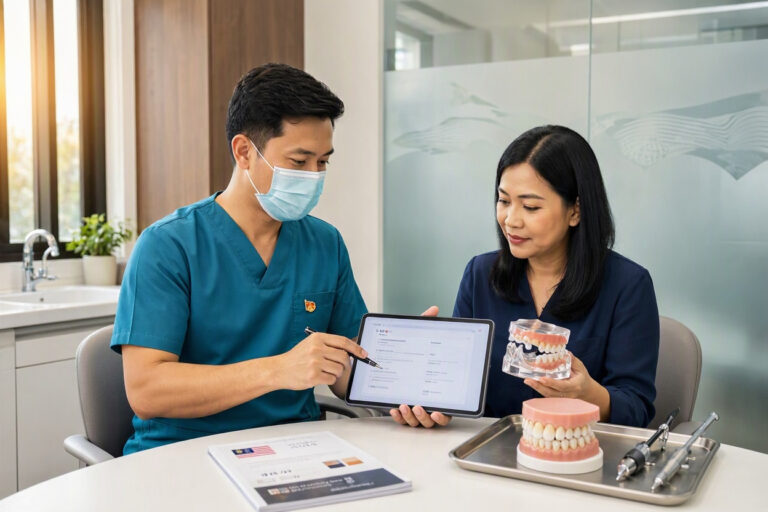
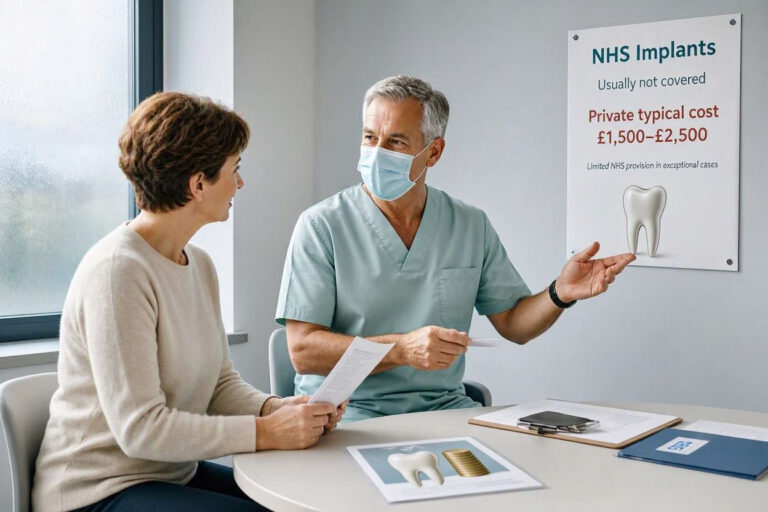
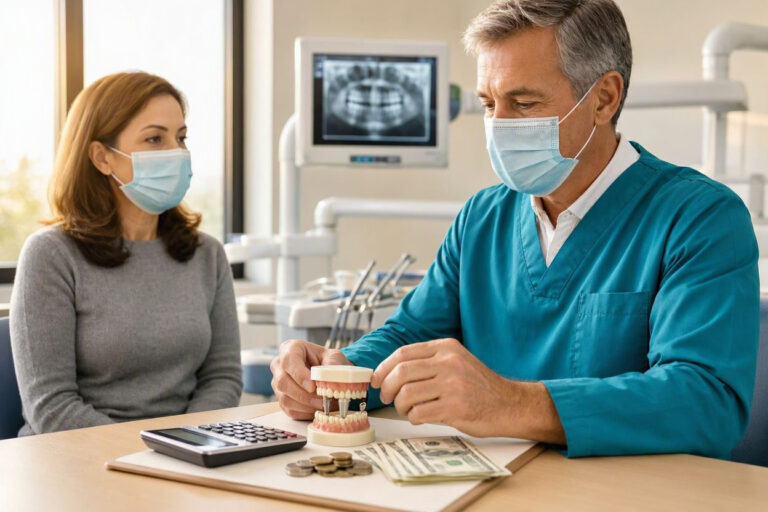
All On 4 Dental Implant Recovery
Deciding to get All-on-4 dental implants is a big step. You are choosing a permanent solution for your smile. But the procedure is only half the story. The real success happens during recovery.
Recovery is different for everyone. But one thing is true for all: knowing what comes next makes the process smoother and less stressful.
This guide walks you through every stage of healing. From the first hours after surgery to the full recovery months later. You will find practical advice, honest timelines, and realistic expectations. No medical jargon. No fear-mongering. Just clear, helpful information.
Let’s start with what actually happens right after you leave the dentist’s chair.
What to Expect in the First 24 Hours After Surgery
The first day is the most intense. But do not worry. This is completely normal.
You will leave the clinic with a temporary fixed bridge. This bridge holds your new teeth in place. Your mouth will feel swollen. Your gums might feel sore. Some bleeding is expected.
Most people describe the feeling as “pressure” rather than sharp pain. That is a good sign. It means the implants are settling into the bone.
The First Few Hours: A Timeline
| Time After Surgery | What Usually Happens |
|---|---|
| 0–2 hours | Gauze packs control bleeding. You rest with your head elevated. |
| 2–6 hours | Numbness wears off. Swelling begins. Take prescribed medication. |
| 6–12 hours | Liquid diet starts. Ice packs help reduce swelling. |
| 12–24 hours | Bleeding stops for most. Swelling peaks. Rest is crucial. |
What Is Normal and What Is Not
It is normal to see:
- Pink saliva for the first 24 hours
- Mild bruising on cheeks or chin
- Difficulty speaking clearly due to the temporary bridge
- A low-grade fever (below 100.4°F / 38°C)
It is not normal to have:
- Heavy bleeding that soaks through gauze every hour
- Difficulty breathing or swallowing
- Severe pain that medication does not touch
- Numbness that spreads to your chin or lips after 6 hours
If you experience any of these, call your dentist immediately.
A note from someone who has been through it: “The first night felt long. But by morning, the swelling had already started going down. Keep ice packs ready and sleep sitting up. That saved me.”
The Complete Recovery Timeline (Week by Week)
Healing does not happen overnight. But it happens faster than you might think. Here is a realistic week-by-week breakdown.
Days 1–3: The Intensive Phase
This is the hardest part. Swelling usually peaks around day two. You will rely on soft foods and pain medication. Your energy levels will be low. Plan to take at least three full days off work. No driving. No exercise. No bending over.
What helps most:
- Ice packs (20 minutes on, 20 minutes off)
- Sleeping on two or three pillows
- Following your medication schedule exactly
Days 4–7: The Turnaround
Swelling starts to go down. You will feel more like yourself. Pain becomes more of a dull ache. You can switch to over-the-counter pain relievers for many people.
You still cannot chew. But you can start having thicker liquids like smoothies and cream soups. Bruising might appear on your neck or jaw. This is just old blood moving out. It looks scary but it is harmless.
Week 2: Returning to Light Activities
Most people return to work at the start of week two. You can drive if you are not taking strong pain medication. Light walking is encouraged. It helps blood flow and reduces swelling.
Your gums will start healing around the temporary bridge. You might notice a metallic taste. That is normal. Saltwater rinses (very gentle) can begin now. Do not spit hard. Let the water fall out of your mouth.
Weeks 3–4: Adjusting to Your Temporary Bridge
By week three, you will likely feel completely functional. The swelling is almost gone. You can eat soft solid foods like scrambled eggs, pasta, or mashed vegetables.
You still should not bite into hard foods like apples or crusty bread. But life feels much more normal. You can laugh, talk, and smile without discomfort.
Months 2–3: Bone Integration (Osseointegration)
This is the invisible phase. The implants are fusing with your jawbone. You will not feel this happening. But it is the most important part of the entire process.
During this time, you wear your temporary bridge. You eat a relatively normal diet, but avoid extreme hard or sticky foods. Your dentist will check your healing with X-rays.
Month 4–6: The Final Bridge Placement
This is what you have been waiting for. Your permanent bridge is custom-made. It fits better. It feels more natural. It is stronger.
The placement appointment is easy. No surgery. Just unscrewing the temporary bridge and attaching the final one. You leave the same day with your permanent smile.
Some people feel mild pressure for a day or two. Most feel nothing at all.
Managing Pain and Discomfort the Smart Way
Pain is personal. Some people feel very little. Others feel more. But in almost all cases, All-on-4 recovery is less painful than most people expect.
Your Pain Management Toolkit
Here are the most effective tools, ranked by patient feedback:
- Prescription medication (first 3–5 days) – Take it before the numbness wears off. Stay ahead of the pain, do not chase it.
- Ibuprofen and acetaminophen together – After day three, alternating these often works better than opioids.
- Ice packs (first 48 hours) – Reduces swelling, which reduces pain.
- Warm compresses (after day three) – Soothes jaw stiffness and muscle soreness.
- Elevated sleeping – Keeps blood from pooling in your face.
What If Pain Lasts Longer?
Pain that gets worse after day five is not typical. Neither is pain that keeps you awake at night beyond the first week. These could be signs of:
- Dry socket (rare with All-on-4 but possible)
- Infection around an implant
- The temporary bridge rubbing incorrectly
Do not wait. Call your dentist. A small adjustment often fixes everything.
The All-on-4 Recovery Diet: What to Eat Week by Week
Food is not just about comfort. It is about healing. Your body needs protein, vitamins, and calories to rebuild bone and gum tissue. But you cannot chew. So you have to be smart.
The First Week: Liquids Only
| Allowed | Not Allowed |
|---|---|
| Bone broth | Hot coffee (heat increases bleeding) |
| Protein shakes | Anything with seeds or nuts |
| Yogurt (no chunks) | Carbonated drinks |
| Smoothies (no straw!) | Alcohol |
| Cream soups (strained) | Hot tea |
Important note: No straws for at least two weeks. Suction can dislodge blood clots and cause dry socket. Drink from a cup. Sip gently.
Week Two: Soft, No-Chew Foods
You can graduate to foods you can mash with your tongue. Think:
- Mashed potatoes with gravy
- Scrambled eggs
- Cottage cheese
- Oatmeal (cooled down)
- Pudding and applesauce
Weeks Three and Four: Soft Solids
Now you can use some gentle chewing. Stick to foods that require almost no effort:
- Soft pasta (mac and cheese, ravioli)
- Pancakes soaked in syrup
- Meatloaf (crumbly, not firm)
- Steamed fish (salmon, tilapia)
- Well-cooked vegetables (zucchini, carrots)
Months Two to Six: Almost Normal, But Careful
You can eat most things now. But avoid these until your final bridge is placed:
- Nuts and seeds
- Popcorn (kernels are dangerous)
- Hard candy or ice
- Chewy breads (bagels, sourdough crust)
- Sticky foods (caramel, taffy, dried fruit)
After Final Bridge: Normal Diet
Once your permanent bridge is in, you can eat almost everything. But a smart rule stays forever: do not use your implant teeth as tools. No opening bottles. No chewing ice. No biting into whole apples (slice them instead).
Swelling, Bruising, and Bleeding: A Visual Guide
These three things worry people the most. But they are usually harmless signs of normal healing.
Swelling
Swelling peaks at 48 hours. It starts near the implant sites and can spread to your cheeks, upper lip, and even under your eyes. This is normal.
What helps:
- Ice constantly for the first two days
- Then switch to warm compresses
- Sleep elevated for the first week
Swelling should be noticeably better by day five. If it gets worse after day three, call your dentist.
Bruising
Bruising shows up around day three or four. It often appears on your chin, neck, or chest. Yellow, purple, or green colors are all normal.
Bruising happens because blood from the surgery site moves down with gravity. It looks dramatic. But it is just old blood. It fades within two weeks.
Bleeding
Light pink saliva for 24 hours is normal. So is a little oozing when you wake up. But active bleeding should stop within four to six hours.
How to control bleeding:
- Bite gently on moist gauze for 30 minutes
- Repeat once if needed
- Do not keep changing gauze constantly (this pulls out clots)
If bleeding restarts after stopping, sip cold water and rest. Do not rinse or spit.
Sleeping and Resting Positions for Faster Healing
How you sleep changes how fast you recover. This is not an exaggeration.
The First Three Nights: Sleeping Upright
Sleep in a recliner. Or prop yourself up on three or four pillows. Your head should be higher than your heart. This uses gravity to drain fluid away from your face.
Why this matters:
- Reduces swelling by 30–40%
- Prevents blood from pooling in your gums
- Makes breathing easier if your throat is sore
Night Four to Day Seven: Two Pillows
You can lower your head a little now. But still keep it elevated. Side sleeping is allowed if you do not roll onto your face. Back sleeping is best.
Week Two Onward: Back to Normal
By week two, you can sleep however you want. Your swelling is gone. Your risk of bleeding is very low. Get comfortable and catch up on rest.
Oral Hygiene During Recovery (Yes, You Still Clean)
You cannot brush your teeth normally for a while. But you still need to keep your mouth clean. Infection is the enemy of implants.
First 24 Hours: No Rinsing, No Spitting
Just let saliva fall out of your mouth. Do not swish. Do not use mouthwash. Do not brush near the surgery sites.
Days 2–7: Gentle Saltwater Rinses
Mix one teaspoon of salt in a cup of warm water. Tilt your head side to side. Let the water fall out. Do not spit. Do this after every meal.
Week Two: Introducing a Soft Brush
You can gently brush the tops of your temporary bridge. Use an extra-soft toothbrush. Do not poke under the bridge. Do not brush your gums directly.
Weeks Three and Four: Water Flosser (Low Setting)
A water flosser on the lowest setting can help clean under the bridge. Aim the stream at an angle. Do not blast directly into the gumline.
Beyond One Month: Normal Hygiene Returns
You can brush normally. Floss with superfloss or implant-specific floss. See your dentist every six months for professional cleanings.
Good hygiene is not optional. Implants do not get cavities, but they can get peri-implantitis (an infection around the implant). That infection can make you lose the implant. Clean your bridge every single day.
When to Call Your Dentist (Red Flags)
Most recovery is smooth. But sometimes things go wrong. Here is when you stop waiting and start calling.
Call Immediately If You Have:
- Fever over 101°F (38.3°C) with chills or sweating
- Swelling that suddenly gets worse after day three
- Pus or foul drainage from the gumline
- Numbness in your lower lip or chin that appears after day two (nerve issue)
- A loose temporary bridge – do not try to fix it yourself
Call Within 24 Hours If You Have:
- Pain that keeps getting worse despite medication
- A bad taste that does not go away with saltwater rinses
- Difficulty opening your mouth less than one inch wide
- An implant that feels “different” when you touch it with your tongue
Your dentist wants to hear from you. Do not feel embarrassed. Small problems caught early are easy to fix.
Comparing All-on-4 Recovery to Other Dental Implant Options
How does this recovery compare to other tooth replacement options? Here is an honest side-by-side.
| Procedure | Typical Recovery Time | Pain Level (1–10) | Diet Restrictions | Final Result |
|---|---|---|---|---|
| All-on-4 | 4–6 months (full healing) | 4–6 | 2 weeks liquid, 2 months soft | Full arch permanent |
| Single implant | 3–6 months | 3–5 | Few days soft food | One tooth replaced |
| Traditional dentures | 2–4 weeks (gum healing) | 3–4 | 1 week soft food | Removable appliance |
| Implant-supported dentures | 4–6 months | 4–6 | 2 weeks soft food | Snap-on removable |
| Full mouth individual implants | 6–12 months | 6–8 | 1 month soft food | Each tooth individual |
As you can see, All-on-4 sits in the middle. It is not the fastest recovery, but it is not the hardest either. And the result is a fixed, permanent bridge that does not come out.
Long-Term Recovery: What Happens After Six Months?
Getting your final bridge is not the end of recovery. It is the beginning of life with your new smile. But long-term success depends on three things.
1. Night Guards If You Grind
Bruxism (teeth grinding) is very hard on implants. Natural teeth have ligaments that absorb shock. Implants do not. They are locked into bone. Grinding can crack the bridge or loosen the implants over time.
If you grind, get a custom night guard. Wear it every single night.
2. Regular Checkups
See your dentist every six to twelve months. They will check:
- Whether the bridge screws are tight
- If gums are healthy around each implant
- Bone levels on X-rays
Most problems are invisible to you. X-rays catch them early.
3. Professional Cleanings
Regular cleanings are not just for natural teeth. Plaque builds up around implants too. Your hygienist uses special plastic instruments that will not scratch the implant surface.
Do not skip cleanings. Peri-implantitis is treatable if caught early. If ignored, you can lose the implant. And replacing a failed All-on-4 is much harder than the first surgery.
Frequently Asked Questions (FAQ)
How long does All-on-4 recovery take?
Most people feel back to normal by week three. But full bone healing takes four to six months. That is when you get your permanent bridge.
Can I work from home after two days?
Yes, if your job is not physical. But you will be tired. Swelling peaks on day two. Many people wait until day four or five to return to desk work.
When can I eat a cheeseburger?
You can eat soft solids like meatloaf by week three. A real burger with a bun? Wait until month two. And cut it into small pieces.
Will I have a gap without teeth?
No. That is the beauty of All-on-4. You leave the clinic with a temporary fixed bridge. You never leave without teeth.
Is the recovery worse than getting wisdom teeth out?
For most people, All-on-4 recovery is similar to a difficult wisdom tooth extraction. More swelling, but not necessarily more pain.
Can I smoke during recovery?
No. Smoking dramatically increases implant failure. It restricts blood flow to the bone. If you smoke, talk to your dentist about quitting before surgery. At minimum, do not smoke for two months after.
How much does it hurt on a scale of 1 to 10?
Most patients say 4 to 6 at the worst point (day two). By day five, most say 2 or 3. By week two, most say 0 to 1.
What if my temporary bridge breaks?
Call your dentist immediately. Do not try to glue it yourself. They can often repair or replace it within 24 hours.
Additional Resource
For a visual walkthrough of the entire All-on-4 procedure and recovery, the American Academy of Implant Dentistry (AAID) offers a free patient guide. It includes illustrations of the healing process and a printable recovery checklist.
👉 Visit the AAID Patient Resource Center (aaid.com/patient-resources)
Note: Always verify any online health information with your own dental professional. Your situation is unique.
Conclusion
All-on-4 recovery happens in clear stages. The first three days are the hardest. By week two, you return to most normal activities. By month three, you barely remember the surgery. And by month six, you have a permanent smile that changes your life. Stay patient with the process. Follow your dentist’s instructions. Listen to your body. Your new smile is worth every single day of healing.
Disclaimer: This article is for informational purposes only and does not constitute medical or dental advice. Every patient heals differently. Always consult with a licensed dental professional before making any decisions about dental implants or recovery protocols. The author and publisher are not liable for any outcomes based on the information provided.