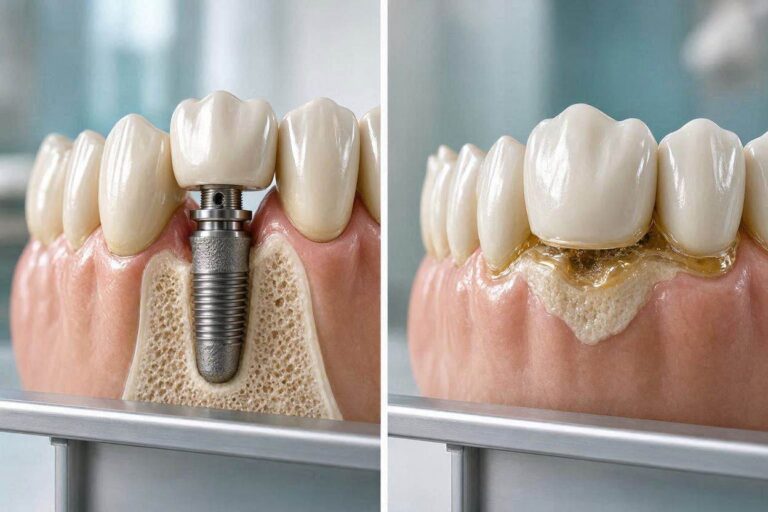
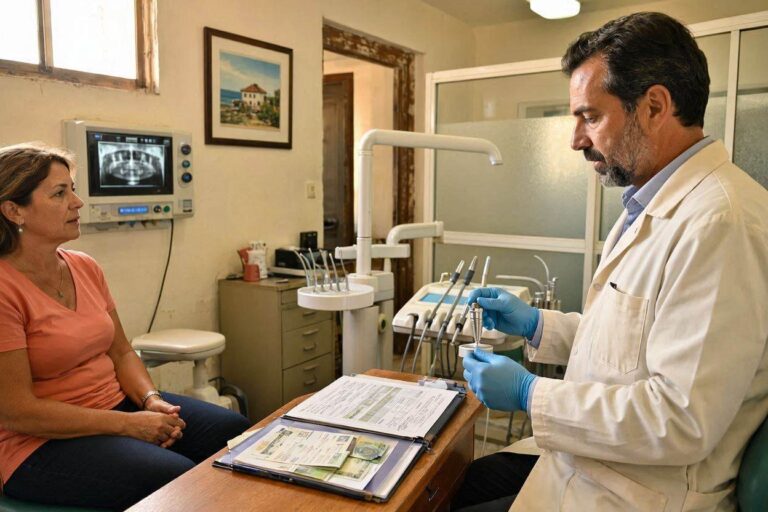
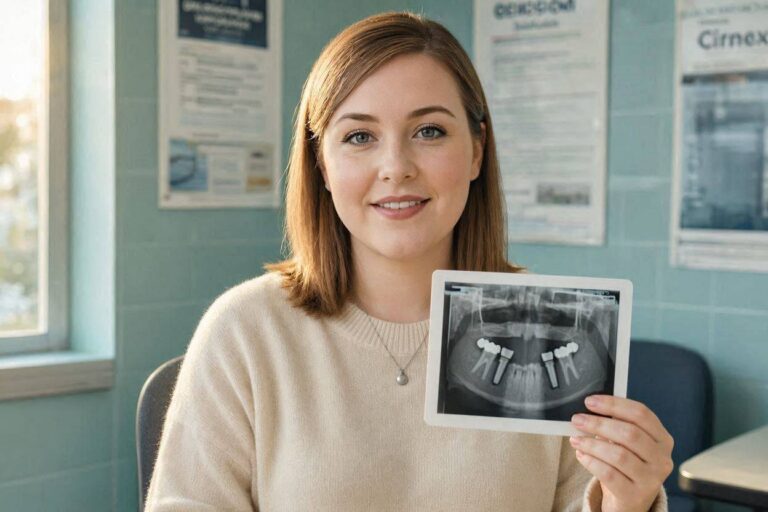
Are Turkish Dental Implants Safe?
Turkey has become one of the world’s most prominent destinations for dental tourism. Cities like Istanbul, Antalya, and Izmir are filled with clinics offering full-mouth implant restorations at prices that seem almost unbelievable to patients from Western Europe, the United Kingdom, and North America. A procedure quoted at $30,000 at home might be offered for $8,000 in Turkey, including airfare and hotel accommodations. The appeal is obvious. The question that follows is equally obvious: is it safe? This article provides a balanced, evidence-based assessment of Turkish dental implant safety, examining the factors that contribute to excellent outcomes and the risks that patients must understand before booking a flight.
The Dual Reality: Excellence and Risk Coexist
Turkey is not a monolith. The Turkish dental market encompasses world-class, internationally accredited clinics staffed by highly trained specialists who deliver outstanding care. It also encompasses high-volume, price-driven operations where corners are cut, standards are compromised, and patient safety is secondary to profit. The question “Are Turkish dental implants safe?” cannot be answered with a simple yes or no. The more precise answer is that Turkish dental implants can be safe when placed by a qualified, ethical clinician in a properly equipped facility using genuine, high-quality implant systems. They can be dangerous when the opposite conditions prevail. The challenge for the international patient is discerning the difference from thousands of miles away.
The Quality Spectrum: What Safe Implant Dentistry Requires
To evaluate safety, one must first define it. Safe dental implant treatment requires several essential elements.
Proper Diagnosis and Treatment Planning
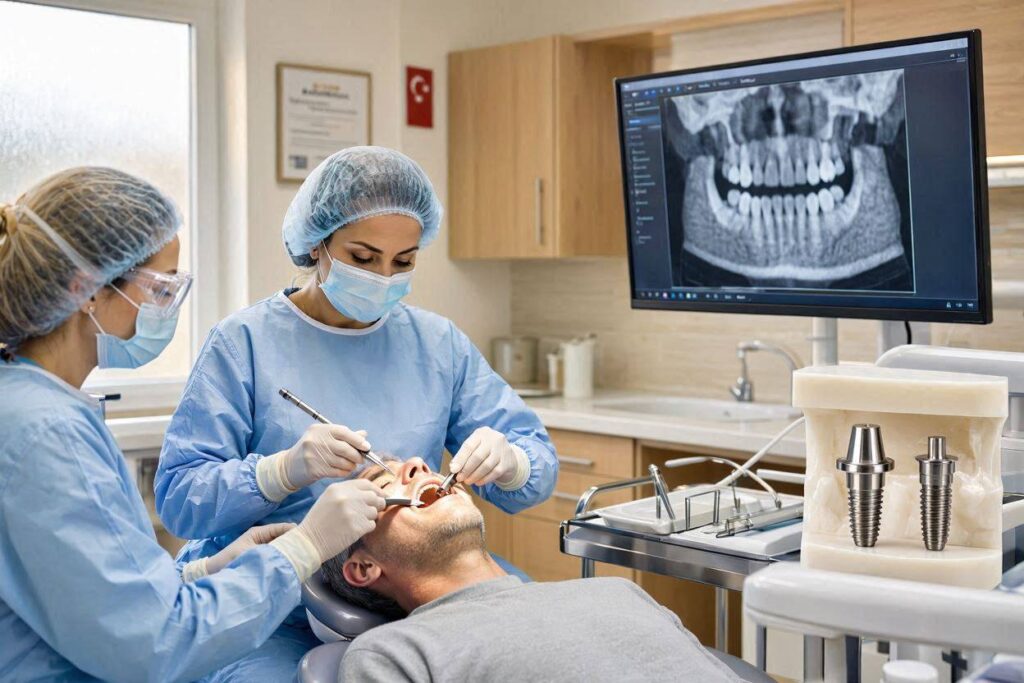
Safe implant treatment begins before any surgery is performed. It requires a comprehensive medical and dental history review. It requires clinical examination of the mouth. It requires appropriate imaging, and the standard of care is three-dimensional Cone Beam CT scanning, not just a panoramic X-ray. The CBCT scan reveals bone volume and quality, the precise location of nerves and sinuses, and any hidden pathology. A dentist who places implants without 3D imaging is practicing below the accepted standard of care. The treatment plan must be biologically sound. Implants must be placed in positions that support a functional, cleanable, aesthetic prosthesis. The number of implants must be sufficient for the planned restoration. The bone must be adequate or augmented.
Surgical Skill and Experience
Implant surgery requires specific training and ongoing experience. The surgeon must understand anatomy, manage surgical complications, and achieve primary implant stability. In Turkey, implant surgery is performed by a range of practitioners, including oral and maxillofacial surgeons, periodontists, prosthodontists, and general dentists with implant training. The patient should verify the specific qualifications of the practitioner who will perform their surgery, not merely the reputation of the clinic.
Genuine, High-Quality Implant Systems
The implant hardware itself must be a genuine product from a reputable manufacturer. Established global brands include Straumann, Nobel Biocare, BioHorizons, MegaGen, and others with decades of research and documented success rates. Counterfeit implants and generic, unstudied implant systems exist in the global market. A patient who receives counterfeit implants faces unknown risks of material failure, poor osseointegration, and a lack of replacement components in the future. A safe clinic is transparent about the implant system used and sources it directly from the manufacturer or authorized distributors.
Sterility and Infection Control
Dental implant surgery breaches the body’s integumentary barrier. Sterile technique is essential. Instruments must be properly sterilized in autoclaves that are regularly tested. The surgical environment must be clean and organized. Disposable items must be single-use. Cross-infection protocols must be rigorous. A lapse in infection control can result in post-operative infection, implant failure, or transmission of bloodborne diseases.
Adequate Time for Healing
Osseointegration is a biological process that cannot be rushed. In healthy bone, three to six months of undisturbed healing is typically required before implants are loaded with a final prosthesis. Immediate loading, where a temporary prosthesis is attached on the day of surgery, is a valid protocol in specific circumstances, but it requires excellent primary stability and careful case selection. A clinic that promises final teeth in three days without regard for bone quality and primary stability is not practicing safe implantology.
The Turkish Advantage: Why Care Can Be Excellent
It would be inaccurate and unfair to suggest that Turkish dentistry is inherently risky. Turkey has a strong tradition of medical education and a significant number of highly skilled dental professionals. Several factors contribute to the quality of care available in reputable Turkish clinics.
Education and Training
Turkish dental schools provide rigorous education, and many Turkish dentists pursue advanced training in implantology through international programs. A subset of Turkish implantologists are as well-trained as their counterparts anywhere in the world.
Technology Investment
Competitive, internationally focused clinics invest heavily in modern technology. CBCT machines, intraoral scanners, CAD/CAM milling units, and guided surgery protocols are common in practices catering to international patients. This technology, when used appropriately, enhances diagnostic accuracy and treatment precision.
Volume and Experience
Clinicians in high-volume implant centers accumulate experience rapidly. A dentist who places dozens of implants weekly develops tactile skill and pattern recognition that contributes to safe, efficient surgery.
Lower Operational Costs
The cost of living, commercial rent, staff wages, laboratory fees, and regulatory compliance in Turkey is substantially lower than in Western Europe or North America. This is the primary reason Turkish implant fees are lower. The savings are not necessarily a reflection of compromised quality. A high-quality implant crown fabricated by a skilled Turkish laboratory costs the dentist far less than the equivalent from a laboratory in London or New York.
The Risks: What Can Go Wrong
The patient considering Turkish dental implant treatment must understand the specific risks of seeking care abroad.
The Evaluation Gap
The most significant risk is the compressed or absent pre-treatment evaluation. A patient who flies to Turkey for a five-day dental holiday may arrive at the clinic and proceed directly to surgery based on a treatment plan developed from photographs and a panoramic X-ray sent weeks earlier. There may be no CBCT scan. There may be no thorough medical history review. There may be no opportunity for the dentist to evaluate the mouth in person and modify the plan before the patient is in the chair, already committed.
Comprehensive implant treatment requires diagnostic data, careful planning, and, often, preparatory procedures like extractions, bone grafting, and periodontal therapy. Compressing all of this into a single trip, or skipping preparatory steps to fit the tourist schedule, compromises the biological foundation of the treatment.
The Follow-Up Problem
Dental implant treatment does not end when the patient leaves the clinic. Implants require monitoring. Healing must be assessed. Sutures may need removal. The temporary prosthesis may need adjustment. The final prosthesis must be delivered and fitted. Complications can arise weeks or months after surgery.
A patient who returns home after implant surgery in Turkey may find that their local dentist is reluctant to manage complications from treatment performed abroad. The local dentist did not place the implants. They do not know the implant system used. They do not have the specific components or drivers. They may be uncomfortable assuming liability for someone else’s work. The patient who develops pain, swelling, or implant mobility may face a frustrating and expensive search for care.
The Revision Challenge
If an implant fails or the final prosthesis is unsatisfactory, revision treatment requires the patient to return to Turkey, incurring additional travel and accommodation costs. The economic equation that made treatment attractive initially becomes less favorable when revision costs are added. Some clinics offer guarantees, but the practical logistics of returning for revision can be daunting.
The Communication Barrier
Even in clinics where English is spoken, nuanced communication about treatment plans, risks, and expectations can be compromised by language differences. Informed consent requires the patient to understand what is being proposed, the alternatives, and the risks. A glossy brochure and a charismatic treatment coordinator are not substitutes for a genuine informed consent conversation with the treating clinician.
The Unknown Clinic
The internet is a powerful marketing tool. A clinic’s website, Instagram feed, and patient testimonials present a curated image. They do not reveal the clinic’s infection control practices, the qualifications of the individual dentist who will perform the surgery, the source of the implant components, or the clinic’s complication rate. A patient booking treatment from abroad may have no way to verify what lies behind the marketing.
Material Quality: The Counterfeit Risk
Counterfeit dental implants are a known problem in the global market. These are unauthorized copies of legitimate implant designs, manufactured without regulatory oversight, without biocompatibility testing, and often from inferior materials. They may look like the genuine product but can fail in unpredictable ways.
The patient is entirely dependent on the clinic’s integrity in sourcing genuine components. A clinic that advertises a premium brand but uses counterfeit components is committing fraud, and the patient is the victim. The risk of counterfeits is higher in price-driven markets where cost-cutting is the dominant business strategy. The reputable clinic sources directly from the manufacturer and can provide documentation. The budget clinic may not.
How to Vet a Turkish Dental Clinic
The patient determined to pursue treatment in Turkey can take specific steps to reduce risk.
Verify the Clinician’s Credentials
Ask for the specific name and qualifications of the dentist who will perform the surgery. Verify their training and professional memberships. A legitimate clinician is transparent about their background.
Ask About the Implant System
Request the specific brand and model of implant to be used. Verify that the brand is a recognized, established manufacturer with a global presence. Ask for documentation of the implant’s origin.
Confirm the Diagnostic Protocol
Ask whether a CBCT scan will be taken. If the answer is no, or if only a panoramic X-ray is planned, this is a significant red flag. Safe implant planning requires 3D imaging.
Understand the Timeline
A clinic offering full-arch restoration in a single week may be cutting corners. Ask about the healing period, the number of appointments, and what happens if a complication occurs.
Establish a Follow-Up Plan
Ask how post-operative care will be managed from abroad. Request the contact information of a clinician who will be available to answer questions. Understand the clinic’s policy on managing complications.
Seek Independent Reviews
Look beyond the testimonials on the clinic’s website. Search independent forums, social media groups, and review platforms. Look for patterns of complaints about infection, failure, or poor communication. One or two negative reviews may reflect an unreasonable patient. Multiple reviews raising the same concerns reflect a pattern.
Consult Your Local Dentist
Before booking treatment abroad, discuss the plan with your local dentist. They may identify concerns you have not considered. They can also advise on whether they would be willing to provide follow-up care.
The Bottom Line on Safety
Turkish dental implants can be safe. Thousands of patients travel to Turkey each year and return with functional, aesthetic implant restorations that serve them well. Reputable Turkish clinics staffed by skilled, ethical practitioners deliver care comparable to that available in Western countries, at a lower cost. The key is selection. A patient who researches thoroughly, selects a clinician based on qualifications and reputation rather than price alone, and ensures that proper diagnostic and treatment protocols are followed is far more likely to have a safe and successful outcome. A patient who chooses a clinic based solely on the lowest advertised price and a compelling social media presence is gambling.
Conclusion
The safety of Turkish dental implants depends on the specific clinic and clinician chosen. Turkey is home to excellent implant dentists operating in world-class facilities, and also to high-volume operations where patient safety is compromised. The critical factors for safety include proper diagnosis with 3D imaging, use of genuine implant systems from established manufacturers, strict infection control, adequate healing time, and a clear plan for follow-up care. The international patient must assume the burden of vetting the clinic and clinician, understanding the risks of compressed timelines and distant follow-up, and recognizing that the lowest price may signal corner-cutting rather than value. With thorough research and a focus on quality over price, safe, high-quality implant treatment in Turkey is achievable.
Frequently Asked Questions
Are Turkish dentists properly qualified?
Many Turkish dentists are highly qualified, with degrees from Turkish universities and additional international training. The qualification of the individual dentist should be verified, not assumed based on the clinic’s reputation.
What implant systems do Turkish clinics use?
Reputable Turkish clinics use established global brands such as Straumann, Nobel Biocare, and MegaGen. Patients should ask for the specific brand and verify it is genuine.
How can I avoid counterfeit dental implants in Turkey?
Choose a reputable clinic that sources implants directly from the manufacturer or authorized distributors. Ask for documentation of the implant’s origin. Be skeptical of prices that seem too low to be genuine.
What happens if I have a problem after returning home?
Managing complications from treatment abroad can be challenging. Establish a follow-up plan with the Turkish clinic before treatment and discuss the situation with your local dentist. Be aware that your local dentist may be reluctant to manage another clinician’s complications.
Is the cost savings worth the risk?
For many patients, the savings are substantial and the outcomes are excellent when a reputable clinic is chosen. The key is to prioritize quality and safety over cost, even within the Turkish market, and to understand the logistical risks of seeking care abroad.
Can I trust online reviews of Turkish dental clinics?
Online reviews can be informative but should be read critically. Look for reviews on independent platforms, not just the clinic’s website. Pay attention to patterns in complaints rather than isolated negative reviews.
Additional Resource:
International Congress of Oral Implantologists – Patient Information
https://www.icoi.org/patient-info/