Can a Dental Implant Become Loose?
The sensation of a loose tooth is a primal, unsettling feeling. When that tooth is a dental implant, a device you invested in with the expectation of permanent stability, the sense of alarm is magnified. This guide confronts the question of implant mobility directly and without sugarcoating. We will distinguish between the different types of looseness, explain the specific causes of each, and provide you with a clear, urgent action plan for what to do if you ever detect movement in your implant. The goal is to arm you with the knowledge to distinguish a minor, fixable issue from a true, catastrophic implant failure, and to guide your immediate next steps.
The Two Fundamentally Different Types of Looseness
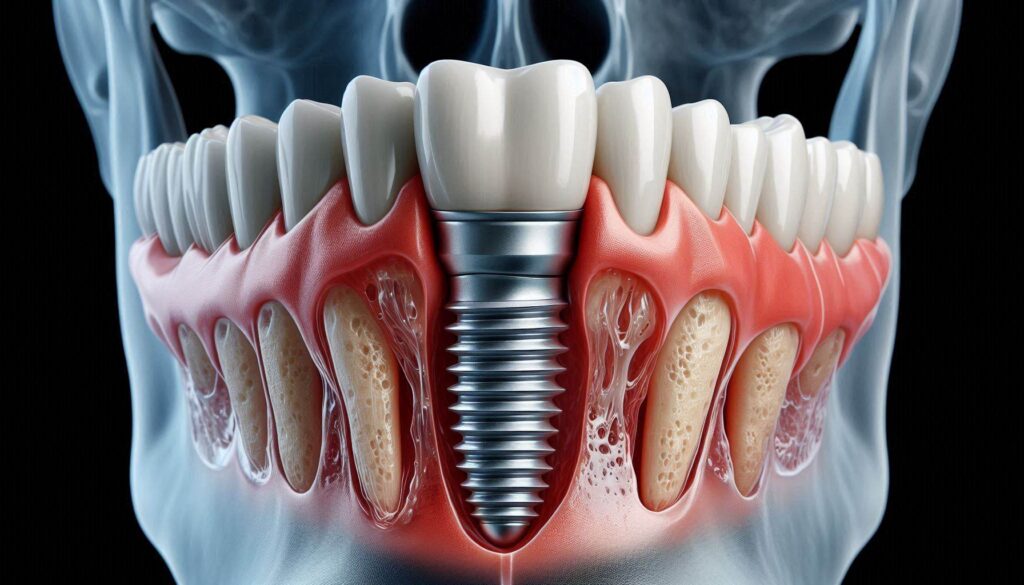
The first and most critical distinction you must understand is the difference between a loose restoration and a loose implant. These are not the same thing. They have completely different causes, treatments, and prognoses. A loose restoration means the crown, the bridge, or the denture that attaches to the implant is moving. The implant fixture itself, the titanium post in the bone, is still perfectly solid and integrated. The movement is occurring at the connection between the implant and the prosthetic component. This is a mechanical problem, and it is almost always fixable in a single, straightforward appointment.
A loose implant is an entirely different category of problem. It means the implant fixture itself is moving within the bone. The osseointegration, the direct bony union between the titanium surface and the living bone, has failed. The implant is no longer anchored. This is a biological failure, and it is a dental emergency. The implant cannot be saved. It must be surgically removed. The distinction between these two types of looseness is the single most important piece of information you can take from this guide. You cannot reliably make this distinction on your own. You need a dentist to perform specific clinical tests. But you can understand the different sensations. A loose crown often feels like a slight wiggle or a sensation of something shifting when you bite, but the root of the tooth, the implant, feels solid. A loose implant feels like the entire tooth unit, from deep within the gum, is mobile, similar to the feeling of a loose baby tooth.
The Loose Abutment Screw: The Most Common Mechanical Culprit
The vast majority of “loose implant” sensations that patients experience are, in fact, a loose abutment screw. This is a small, precision titanium screw that threads through the implant crown and the abutment, or directly through the crown into the implant body. It holds the visible tooth to the buried implant. Over years of chewing, the millions of cyclic loads can cause this screw to back out by a microscopic amount. The result is a subtle, or sometimes not-so-subtle, movement of the crown. You may feel a wiggle when you push on the crown with your finger or tongue. You may hear a clicking sound. The crown itself may feel slightly elevated. These are classic signs of a loose abutment screw.
This is not an implant failure. It is a mechanical maintenance event. The treatment is simple. Your dentist will access the screw channel, which is a small hole on the biting surface or the back of the crown, usually filled with a tooth-colored composite or cotton pellet. They will remove the filling material, check the screw with a torque wrench, and retighten it to the manufacturer’s specified force. If the screw is damaged, it will be replaced. The access hole is then resealed. The procedure is quick, painless, and definitive. The implant is saved. The entire episode is a minor inconvenience. You should never ignore a loose crown, however. A loose screw allows micro-motion of the crown, which can lead to screw fracture or damage to the internal connection of the implant. Prompt attention prevents a simple problem from escalating.
The True Loose Implant: A Failure of Osseointegration
A truly loose implant is a failed implant. The defining characteristic is mobility of the implant fixture within the bone. This failure to achieve or maintain osseointegration can occur early, within the first few months after surgery, or late, after years of successful function. An early loose implant is typically due to a failure of the initial healing process. The bone did not grow onto the implant surface. Instead, a layer of fibrous scar tissue formed around it. The implant is a fibro-osseous encapsulated foreign body, not an integrated part of the skeleton. The causes are the ones we have discussed in previous guides: surgical overheating of the bone, poor primary stability, infection, or the patient’s compromised healing capacity from smoking or uncontrolled diabetes.
A late loose implant is the terminal stage of peri-implantitis or biomechanical overload. In peri-implantitis, a chronic bacterial infection has progressively destroyed the bone that was supporting the implant. The implant was once integrated and is now losing its bony foundation. When the bone loss reaches a critical point, the implant loses its anchor and becomes mobile. In biomechanical overload, excessive, uncontrolled forces have caused microfractures and fatigue of the bone-implant interface, eventually leading to a loss of integration. In all cases of a truly loose implant, the implant is terminally compromised. The only treatment is to remove it, debride the site, often place a bone graft to preserve the ridge, and allow the area to heal. A new implant can often be placed after a healing period, once the cause of the initial failure has been identified and addressed.
How the Dentist Diagnoses a Loose Implant
You should never attempt to self-diagnose implant mobility. If you suspect movement, you must call your implant dentist immediately. The clinical diagnosis is made through a specific, controlled examination. The dentist will visually inspect the implant restoration and the surrounding gum tissue. They will use the back ends of two metal instrument handles to apply gentle, alternating lateral pressure to the crown. With their fingers, they will feel for any movement of the implant body. The natural tactile sensitivity of a trained clinician can detect motion measured in microns. If the crown and abutment are moving but the implant body is stable, the diagnosis is a loose abutment screw. The screw is then accessed and tightened.
If the entire implant body is moving, even slightly, the diagnosis is a failed implant. The dentist will then take a periapical radiograph. The X-ray image will show a dark, radiolucent halo surrounding the entire implant, indicating the absence of bone contact. This is the classic radiographic sign of failed osseointegration. The dentist will also gently probe the gum pocket around the implant. In a case of peri-implantitis, deep probing depths, bleeding, and pus will be present. In a case of pure biomechanical overload without infection, the probing depths may be shallow, but the implant is mobile. The combination of clinical mobility and the radiographic findings confirms the diagnosis. No amount of hoping or waiting will cause a mobile implant to re-integrate. Osseointegration, once lost, is lost forever. The implant must be removed.
What to Do the Moment You Feel Movement
The moment you perceive any sensation of looseness in your dental implant, you must take immediate, specific action. The first and most important step is to call your implant dentist’s office. Explain that you have a dental implant and that it feels loose. This is a priority appointment request. Do not wait weeks. The problem will not resolve on its own, and delay can convert a simple, fixable loose screw into a more complex problem. A loose screw that is ignored can fracture, requiring a more involved retrieval procedure. A mobile implant that is not removed promptly can continue to cause bone destruction and increase the risk of infection.
While you are waiting for your appointment, you must manage the situation to prevent further damage. Do not chew on that side of your mouth at all. Shift your diet to soft foods that require no pressure on the affected implant. Do not wiggle the implant with your fingers or tongue out of curiosity or anxiety. Every unnecessary movement stresses the compromised connection or the failing bone interface. You are not helping. You are causing further trauma. Do not attempt any home remedies. Do not try to glue the crown back in. Dental cement and household glues are not sterile, will not solve a loose screw, and can cause catastrophic soft tissue damage and infection if they extrude under the gum. Do not ignore the problem, hoping it was a momentary sensation. Your implant is a mechanical and biological system. A change in its stability is a definitive signal that requires professional evaluation. The vast majority of these events are a simple loose screw. The peace of mind from a quick professional check is invaluable.
Conclusion
A dental implant can become loose, and the critical distinction is between a loose crown caused by a backed-out abutment screw, a common, easily fixable mechanical issue, and a truly loose implant fixture within the bone, which represents a terminal failure of osseointegration from early healing complications or late peri-implantitis and requires surgical removal. The moment you feel any movement, you must stop chewing on that side, avoid wiggling the implant, and contact your dentist immediately for a definitive diagnosis using clinical mobility testing and a radiograph. Your prompt, calm response to this warning signal is the key to determining whether you are dealing with a simple, five-minute screw retightening or the need to plan for a new implant after site healing and bone grafting.
Frequently Asked Questions
Can a loose dental implant heal back into place if I leave it alone?
No. Once osseointegration is lost and the implant is clinically mobile, it cannot re-integrate. The fibrous tissue that has formed around the implant is a permanent biological scar. The implant must be removed, the site must heal, and a new implant can be placed.
Is it normal for an implant to have a little bit of give?
No. A healthy, successfully integrated dental implant has absolutely no movement. It is as solid as an ankylosed natural tooth, fused directly to the bone. Any perceptible movement, however slight, is abnormal and requires immediate professional evaluation.
What causes the abutment screw to keep coming loose?
A chronically loosening abutment screw suggests an underlying biomechanical problem. The implant may be overloaded due to a heavy bite, bruxism, or a cantilever effect. The fit of the crown or the abutment may not be passive. Your dentist needs to identify and correct the cause, not just repeatedly tighten the screw.
Can a loose implant cause pain?
A loose implant may or may not be painful. A loose screw can cause dull pressure or sensitivity on biting. A mobile, failing implant from infection is often associated with dull, deep pain. A failing implant from pure mechanical overload without infection may be entirely painless. Pain is not a reliable indicator.
How long does the implant replacement process take after a failure?
After the failed implant is removed, the site must heal for a period of three to six months. If a significant bone defect is present, a bone graft is placed at the time of removal, and the healing period is extended. The total time from removal of the failed implant to the final crown on the new implant is typically 9 to 12 months.
Additional Resource
The Academy of Osseointegration is the leading international authority on the science and clinical management of dental implants. Their consensus statements and clinical guidelines provide detailed, evidence-based protocols for the diagnosis and treatment of implant complications. Visit: https://www.osseo.org/