Can A Dental Implant Get Loose?
Dental implants are designed to be permanent, stable replacements for missing teeth. With success rates exceeding 95%, they are among the most reliable dental procedures available. However, patients sometimes experience a sensation of looseness or movement in their implant. Understanding whether this is possible, what causes it, and what to do about it is essential for protecting your investment.
This guide explores the causes of loose dental implants, the difference between a loose crown and a loose implant, and the steps you should take if you notice movement.
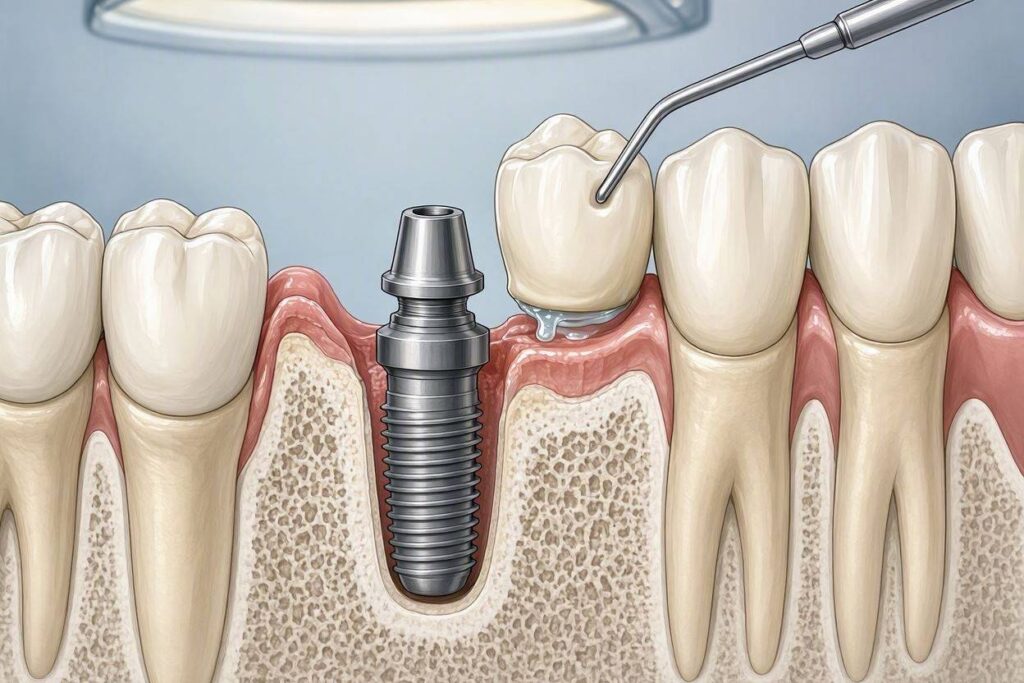
Understanding Dental Implant Stability
Before discussing looseness, it helps to understand how implants achieve stability.
How Implants Stay in Place
Dental implants achieve stability through a process called osseointegration.
What Is Osseointegration?
Osseointegration is the biological process where the titanium implant fuses directly with the surrounding jawbone. This creates a strong, permanent bond that anchors the implant securely.
Timeline for Osseointegration:
- Initial healing: 1 to 2 weeks
- Early osseointegration: 4 to 8 weeks
- Complete osseointegration: 3 to 6 months
What Makes an Implant Feel Stable?
A properly integrated implant should feel exactly like a natural tooth. It should not move, wiggle, or shift when you touch it or chew.
Can a Dental Implant Get Loose?
The answer is yes, but the cause matters significantly.
Two Types of Looseness
Understanding the difference between a loose crown and a loose implant is crucial.
Loose Crown or Abutment:
The crown or abutment (connector piece) may become loose while the implant post remains firmly integrated in the bone. This is more common and usually easily fixable.
Loose Implant Post:
The implant post itself becomes loose within the bone. This indicates failure of osseointegration and is a more serious problem.
Why the Distinction Matters
- A loose crown is a minor issue requiring simple re-tightening
- A loose implant post indicates implant failure and may require removal
Causes of a Loose Dental Implant Crown
Several factors can cause the crown or abutment to loosen.
1. Screw Loosening
The screw connecting the crown to the abutment or the abutment to the implant can loosen over time.
Causes of Screw Loosening:
- Normal wear and tear
- Excessive bite forces
- Teeth grinding (bruxism)
- Improper initial torque
2. Cement Failure
For cement-retained crowns, the cement can break down or wash out.
Causes of Cement Failure:
- Time and wear
- Poor initial cementation
- Excessive moisture during placement
3. Component Wear
Over years of use, components can wear and lose their fit.
4. Trauma
A blow to the face or biting on something hard can loosen components.
Causes of a Loose Dental Implant Post
A loose implant post is more concerning and indicates a deeper problem.
1. Failed Osseointegration
The implant never properly fused with the bone.
Causes of Failed Osseointegration:
- Poor surgical technique
- Insufficient bone density
- Infection during healing
- Smoking
- Uncontrolled diabetes
- Implant movement during healing
2. Peri-Implantitis
Infection around the implant causes bone loss, compromising stability.
How Peri-Implantitis Causes Looseness:
- Bacterial infection triggers inflammation
- Inflammation destroys bone around the implant
- Bone loss reduces support
- The implant becomes loose
3. Overloading
Excessive forces on the implant can cause bone loss and loosening.
Causes of Overloading:
- Bruxism (teeth grinding)
- Improper bite alignment
- Too few implants supporting a restoration
4. Bone Loss
Bone loss around the implant, from any cause, reduces stability.
Signs of a Loose Dental Implant
Recognizing the signs helps you seek treatment early.
Common Symptoms
- Feeling of movement when touching the implant
- Wiggling or shifting when chewing
- Clicking sounds
- Pain or discomfort around the implant
- Swelling or redness of the gums
- Bleeding around the implant
- Receding gums exposing the implant
- Pus or discharge
- A change in bite alignment
What a Loose Implant Feels Like
Patients describe a loose implant as feeling:
- Like a tooth that is about to fall out
- A slight give or movement when biting
- A clicking or popping sensation
- Unstable or wobbly
What to Do If Your Implant Feels Loose
Taking prompt action is essential.
Immediate Steps
1. Avoid Chewing on That Side:
Do not put pressure on the loose implant.
2. Do Not Wiggle It:
Touching or wiggling the implant can worsen the problem.
3. Keep the Area Clean:
Gently brush and rinse to prevent infection.
4. Contact Your Dentist:
Schedule an appointment as soon as possible.
When to Seek Emergency Care
Seek immediate care if you experience:
- Severe pain
- Significant swelling
- The implant falls out
- Fever
- Difficulty breathing or swallowing
Diagnosis of a Loose Implant
Your dentist will evaluate the implant to determine the cause.
The Diagnostic Process
1. Clinical Examination:
The dentist visually examines the implant and surrounding tissues.
2. Mobility Testing:
The dentist gently tests the implant for movement.
3. X-Rays:
Imaging reveals bone levels and the implant’s position.
4. Probing:
The dentist measures pocket depths around the implant.
5. CT Scan (if needed):
Detailed imaging may be used for complex cases.
Treatment Options
Treatment depends on the cause and severity.
For a Loose Crown or Abutment
Simple Re-tightening:
If the screw is loose, the dentist re-tightens it to the proper torque.
Cost: $50 to $200
Crown Re-cementation:
If the cement failed, the crown is re-cemented.
Cost: $100 to $300
Component Replacement:
If components are worn or damaged, they are replaced.
Cost: $100 to $800
For a Loose Implant Post
Treatment of Peri-Implantitis:
If infection is the cause, treatment may save the implant.
Options:
- Non-surgical debridement
- Surgical cleaning
- Bone grafting
- Antibiotic therapy
Cost: $200 to $3,000+
Implant Removal:
If the implant cannot be saved, it is removed.
Cost: $200 to $800
Implant Replacement:
After healing, a new implant may be placed.
Cost: $2,300 to $6,700
Can a Loose Implant Be Saved?
The answer depends on the cause and extent of the problem.
When the Implant Can Be Saved
- Loose crown or abutment (implant post is stable)
- Early peri-implantitis with minimal bone loss
- Screw loosening with no other issues
When the Implant Cannot Be Saved
- Failed osseointegration
- Extensive bone loss
- Implant fracture
- Severe peri-implantitis
Preventing Loose Implants
Prevention is always better than treatment.
1. Maintain Excellent Oral Hygiene
- Brush twice daily
- Floss around the implant
- Use antimicrobial mouthwash
2. Attend Regular Checkups
- Professional examinations every 6 months
- X-rays to monitor bone levels
- Early detection of problems
3. Address Bruxism
If you grind your teeth, use a night guard.
4. Avoid Excessive Forces
- Do not chew ice or hard objects
- Avoid using teeth as tools
5. Quit Smoking
Smoking significantly increases the risk of implant failure.
6. Manage Medical Conditions
Control diabetes and other systemic conditions.
The Emotional Impact of a Loose Implant
Dealing with a loose implant can be stressful.
Understanding the Situation
Implant complications can happen even with excellent care. You are not alone.
Seeking Support
Talk to your dentist about your concerns. A supportive provider can guide you through treatment.
Focusing on Solutions
Most loose implant issues are treatable. Focus on the path forward.
Conclusion
A dental implant can get loose, but the cause matters. A loose crown or abutment is common and easily fixable, while a loose implant post indicates a more serious problem requiring comprehensive treatment. Recognizing the signs, seeking prompt care, and following preventive measures protect your implant and oral health.
Frequently Asked Questions (FAQ)
Q: Is it normal for a dental implant to feel slightly loose?
A: No, a properly integrated implant should feel exactly like a natural tooth with no movement.
Q: What should I do if my implant feels loose?
A: Avoid chewing on that side, do not wiggle the implant, keep the area clean, and contact your dentist promptly.
Q: Can a loose implant tighten on its own?
A: No, a loose implant will not tighten on its own. Professional treatment is necessary.
Q: How long does a dental implant last?
A: With proper care, implants can last 25 years or longer. The crown may need replacement every 10 to 15 years.
Q: Is a loose implant an emergency?
A: A loose crown is not an emergency but should be addressed promptly. A loose implant post with severe pain or swelling requires urgent care.
Q: Can a loose implant cause other health problems?
A: If left untreated, a loose implant can lead to infection, bone loss, and damage to surrounding structures.
Additional Resource
For more information on dental implant complications and care, visit the American Academy of Implant Dentistry (AAID) at www.aaid.com. They provide educational resources for patients.