Can Dental Implants Cause Dementia?
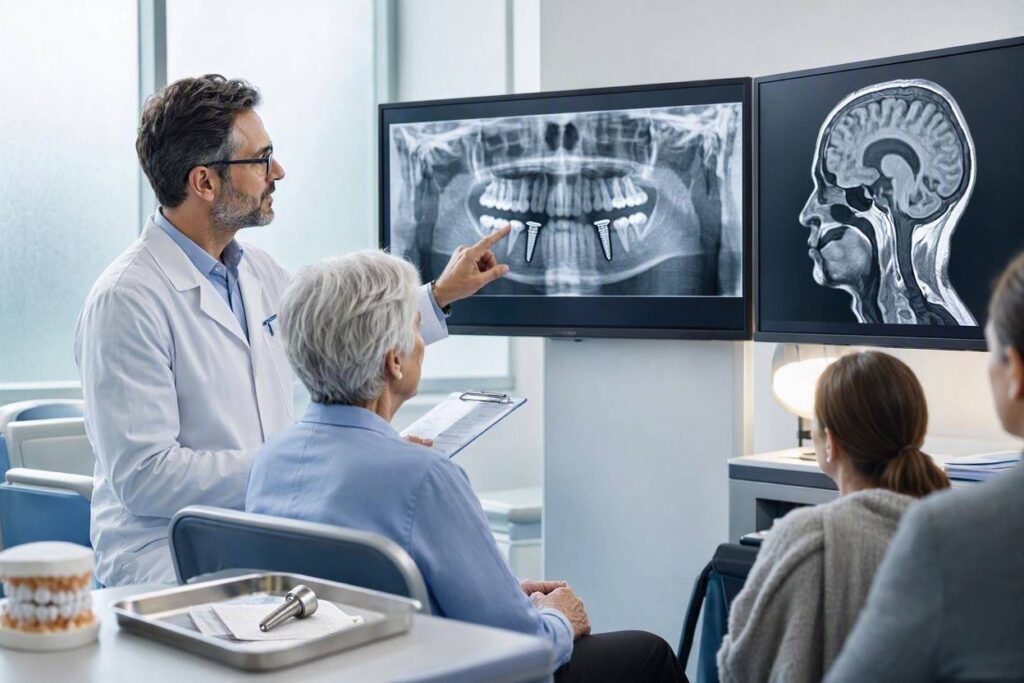
Dental implants have transformed the lives of millions of people, restoring function and confidence after tooth loss. However, as with any medical procedure, questions arise about potential long-term health effects. One concern that has emerged in recent years is whether dental implants could contribute to dementia or cognitive decline.
This guide examines the current scientific evidence regarding dental implants and dementia. You will learn what research shows, the difference between correlation and causation, and what factors actually influence cognitive health.
Understanding the Concern
Before examining the evidence, it helps to understand why this question arises.
The Titanium Question
Dental implants are made primarily of titanium, a biocompatible metal that fuses with bone. Some people worry that titanium particles could enter the bloodstream or brain, potentially causing neurological problems.
The Oral Health Connection
Research has established links between oral health and cognitive function. Poor oral health, gum disease, and tooth loss are associated with an increased risk of dementia. This raises questions about how dental interventions like implants affect this relationship.
The Inflammation Factor
Chronic inflammation is a known risk factor for cognitive decline. Dental problems can trigger systemic inflammation, leading some to wonder whether implants—as foreign bodies—could contribute to this process.
What the Research Shows
The scientific evidence provides important insights.
Current Scientific Consensus
The overwhelming body of research indicates no causal link between dental implants and dementia.
Key Findings:
- No studies have demonstrated that dental implants cause dementia
- Titanium implants are considered safe and biocompatible
- The benefits of implants for oral health may actually support cognitive health
Studies on Titanium Exposure
Research on titanium exposure has not found evidence of neurological harm.
What Studies Show:
- Titanium is widely used in medical implants, including hip and knee replacements
- No link has been established between titanium implants and dementia
- Titanium particles, if released, are typically inert and do not cause inflammation
The Oral Health-Dementia Connection
Interestingly, dental implants may indirectly support cognitive health by improving oral health.
The Relationship:
- Poor oral health is associated with increased dementia risk
- Tooth loss is linked to cognitive decline
- Dental implants restore oral function and may reduce these risks
Correlation vs. Causation
Understanding the difference between correlation and causation is crucial.
What Correlation Means
Correlation means two things occur together but do not necessarily cause each other.
Example:
People with missing teeth may have higher dementia rates. This is a correlation, not proof that missing teeth cause dementia.
What Causation Means
Causation means one thing directly causes another.
Example:
Smoking causes lung cancer. This is a proven causal relationship.
Why This Matters
Many factors associated with dental implants—like age, overall health, and socioeconomic status—are also associated with dementia. This creates potential confounding variables that make it difficult to establish direct causal links.
Potential Mechanisms of Concern
While no causal link has been established, it is worth examining the theoretical mechanisms that have raised concerns.
Titanium Particle Release
Some researchers have investigated whether titanium implants release particles that could affect health.
What Research Shows:
- Titanium implants can release microscopic particles over time
- These particles are typically localized to the implant site
- No evidence suggests these particles reach the brain in harmful quantities
Metal Allergy or Sensitivity
Some patients may have sensitivities to metals.
What Research Shows:
- Titanium allergy is rare
- Metal sensitivity does not cause dementia
- Alternative implant materials exist for sensitive patients
Chronic Inflammation
Chronic inflammation is a risk factor for cognitive decline.
What Research Shows:
- Well-maintained implants do not cause chronic inflammation
- Infected implants can cause inflammation, but this is treatable
- Proper oral hygiene prevents implant-related inflammation
Factors That Actually Influence Dementia Risk
While dental implants do not cause dementia, several factors do affect cognitive health.
Established Risk Factors
- Age: The strongest risk factor for dementia
- Genetics: Family history and specific genes
- Cardiovascular Health: High blood pressure, high cholesterol
- Diabetes: Poorly controlled blood sugar
- Smoking: Tobacco use increases risk
- Physical Inactivity: Sedentary lifestyle
- Poor Diet: Unhealthy eating patterns
- Social Isolation: Lack of social engagement
Protective Factors
- Regular Exercise: Physical activity supports brain health
- Healthy Diet: Mediterranean-style eating patterns
- Mental Stimulation: Learning new skills, puzzles, reading
- Social Engagement: Maintaining relationships
- Good Sleep: Quality sleep supports cognitive function
- Oral Health: Maintaining healthy teeth and gums
The Importance of Oral Health for Cognitive Function
Maintaining good oral health may support cognitive health.
The Oral-Systemic Connection
Oral health affects overall health in several ways.
How Oral Health Impacts the Body:
- Gum disease bacteria can enter the bloodstream
- Chronic oral inflammation triggers systemic inflammation
- Tooth loss affects nutrition and quality of life
How Dental Implants Help
Dental implants restore oral function and may support overall health.
Benefits of Implants:
- Restore chewing ability
- Improve nutrition
- Prevent bone loss
- Maintain facial structure
- Boost confidence and quality of life
What Patients Should Know
If you have dental implants or are considering them, here is what you need to know.
Safety of Dental Implants
Dental implants have been used for over 50 years with excellent safety records.
Key Points:
- Implants are FDA-approved and extensively studied
- Success rates exceed 95%
- Complications are rare and usually treatable
No Evidence of Dementia Risk
Current research does not support a link between dental implants and dementia.
What This Means:
- You do not need to worry about implants causing dementia
- The benefits of implants outweigh any theoretical risks
- Maintaining good oral health supports overall health
The Importance of Oral Hygiene
Proper care of your implants is essential.
Care Recommendations:
- Brush twice daily
- Floss daily
- Attend regular dental checkups
- Address any signs of infection promptly
When to Seek Medical Advice
If you have concerns about cognitive health, seek appropriate care.
Signs of Cognitive Decline
- Memory loss that affects daily life
- Difficulty with familiar tasks
- Confusion about time or place
- Problems with language
- Poor judgment
- Changes in mood or behavior
Who to Contact
- Your primary care physician
- A neurologist for cognitive concerns
- Your dentist for oral health issues
Conclusion
Current scientific evidence does not support a link between dental implants and dementia. Dental implants are safe, biocompatible, and have been used successfully for decades. While poor oral health is associated with cognitive decline, dental implants actually improve oral health and may indirectly support cognitive function. The established risk factors for dementia include age, genetics, cardiovascular health, and lifestyle factors—not dental implants.
Frequently Asked Questions (FAQ)
Q: Can titanium from dental implants reach the brain?
A: No evidence suggests that titanium particles from dental implants reach the brain in harmful quantities.
Q: Are dental implants safe for long-term health?
A: Yes, dental implants have been used for over 50 years with excellent safety records and success rates above 95%.
Q: Is there any link between dental work and dementia?
A: Poor oral health is associated with increased dementia risk, but dental treatments like implants do not cause dementia.
Q: What are the actual risk factors for dementia?
A: Age, genetics, cardiovascular health, diabetes, smoking, physical inactivity, poor diet, and social isolation are established risk factors.
Q: Can dental implants reduce dementia risk?
A: By improving oral health and function, implants may indirectly support cognitive health, but they are not a dementia prevention strategy.
Q: Should I be worried about my dental implants causing health problems?
A: No, dental implants are safe. Maintain good oral hygiene and attend regular checkups to prevent complications.
Additional Resource
For more information on dementia and cognitive health, visit the Alzheimer’s Association at www.alz.org. They provide educational resources and support for patients and families.