Cost of Relining Dentures Mobile at Home
Living with ill-fitting dentures can turn every meal into a struggle and every smile into a source of anxiety. You may feel that persistent sore spot on your gum or hear that embarrassing clicking sound when you speak. You deserve a solution that fits not only your mouth but also your life. Mobile denture relining brings professional care directly to your front door. This guide explores every aspect of the cost of relining dentures mobile at home, providing you with the clarity you need to make an informed decision without leaving your favorite armchair.
We understand that researching dental costs often leads down a rabbit hole of vague estimates and confusing jargon. You want straightforward numbers, honest explanations, and a realistic view of what to expect. We built this resource to be your trusted companion on this journey. We will cover the factors that shape pricing, the different types of relines available, how insurance plays a role, and how to identify a provider who delivers both quality and value. Let us walk through this together, step by step.

Understanding the True Value of a Mobile Denture Reline
A denture reline is not merely a cosmetic touch-up. It is a therapeutic procedure that restores the intimate fit between your denture base and the soft tissues of your mouth. Over time, the jawbone naturally resorbs, or shrinks, after tooth extraction. This biological process changes the contours that once held your denture snugly in place. A reline adds a new layer of material to the tissue side of the denture, compensating for these changes and re-establishing a precise, comfortable fit.
Choosing a mobile service elevates this process. You eliminate the stress of traffic, parking, and waiting rooms. For individuals with mobility challenges, cognitive conditions like dementia, or demanding caregiving schedules, a home visit transforms dental care from an ordeal into a gentle, dignified experience. The cost reflects not only the clinical procedure but also the convenience, personalized attention, and advanced portable technology a mobile dentist brings to your living room.
“The best denture is the one you forget you are wearing. A proper reline brings you back to that state of effortless comfort.” — A sentiment shared by experienced prosthodontists across the country.
What Exactly Is a Mobile Denture Reline?
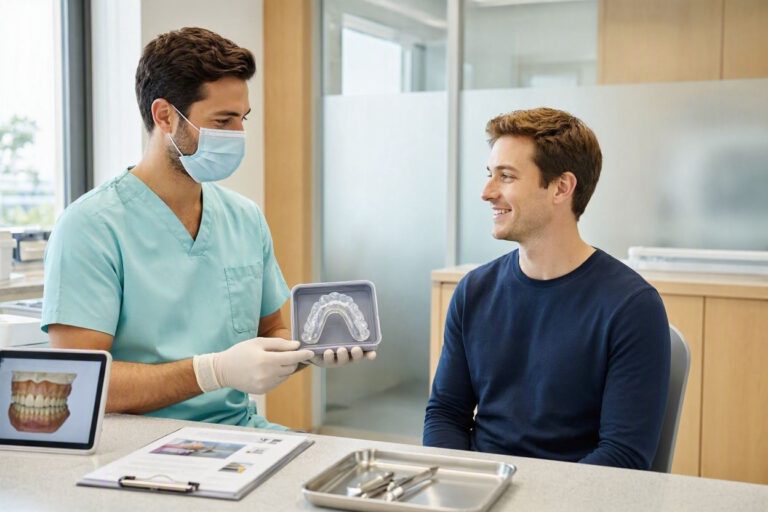
Before we dive into the numbers, let us build a shared understanding of the service itself. A mobile denture reline involves a licensed dentist or prosthodontist traveling to a patient’s residence with portable equipment. They assess the oral tissues, evaluate the existing denture, and perform the reline procedure on-site or, in some cases, take an impression and return with the relined denture.
There are two primary categories of relines, and they significantly influence the final cost of relining dentures mobile at home. Understanding the distinction empowers you to ask the right questions and avoid unnecessary expenses.
The Soft Reline: Comfort for Sensitive Tissues
A soft reline uses a pliable, silicone-based material that remains resilient for a period of one to two years. Dentists often recommend this option for patients with extremely tender gums, thin mucosal tissues, or chronic soreness. The material acts as a cushion, absorbing some of the forces of chewing and reducing direct pressure on bony ridges.
Key characteristics of a soft reline include:
- A gentle, cushioning feel against the gums
- A quicker procedure time, often completed chairside in under an hour
- A need for more frequent replacement compared to a hard reline
- A slightly higher per-application cost over a lifetime due to replacement needs
The Hard Reline: Durability and Long-Term Stability
A hard reline utilizes a rigid acrylic material, very similar to the original denture base. The dentist takes a precise impression of the oral tissues and the denture is processed in a dental laboratory, or sometimes with advanced portable curing units, to create a new, permanent fitting surface. This option suits patients with stable, healthy ridges who seek a longer-lasting solution.
Key characteristics of a hard reline include:
- A durable, plastic-like finish that feels more like a new denture
- A longer lifespan, often exceeding several years with proper care
- A higher initial lab fee due to the processing required
- A very precise fit that promotes better chewing efficiency
A Detailed Breakdown of the Costs
Now, let us address the central question with the transparency you deserve. The cost of relining dentures mobile at home varies based on geography, provider expertise, material type, and the complexity of your case. We will provide a detailed pricing table to give you a realistic range. These figures reflect national averages collected in early 2026 and should serve as a solid benchmark for your budgeting.
Average Price Ranges for Mobile Denture Relining
The following table presents a comparative overview of the costs you can anticipate. We have categorized the fees to help you see the full picture.
| Service Category | Soft Reline (Per Arch) | Hard Reline (Per Arch) | Notes |
|---|---|---|---|
| National Average Base Cost | $250 – $450 | $400 – $700 | Excludes travel and consultation fees. |
| Travel/Mobilization Fee | $50 – $150 | $50 – $150 | Often a flat fee per visit, regardless of single or double arch. |
| Consultation & Oral Exam | $0 – $100 | $0 – $100 | Many providers bundle this into the reline cost. Always confirm. |
| Impression Material (Lab-Processed Hard Reline) | N/A | Included or $50 – $100 | Some hard relines require an external lab, adding to the base fee. |
| Emergency/After-Hours Surcharge | $75 – $200 | $75 – $200 | Applied for evening, weekend, or holiday visits. |
| Double Arch Discount (Both Upper & Lower) | -$50 to -$100 off total | -$100 to -$200 off total | Most dentists offer a reduced rate when relining both dentures in one visit. |
*Please note: These figures are estimates. Costs in major metropolitan areas like New York City, San Francisco, or Chicago may skew 15-25% higher than these averages.*
Cost Comparison: Mobile Service vs. Traditional Clinic
You might wonder whether the convenience of a house call justifies any difference in price. Let us break down a side-by-side comparison to illuminate the value.
| Expense Factor | Traditional Dental Office | Mobile At-Home Service |
|---|---|---|
| Base Reline Fee (Hard, Single Arch) | $350 – $600 | $400 – $700 |
| Travel Costs (Patient’s) | Gas, parking, public transit ($10 – $30) | $0 (You stay home.) |
| Travel Costs (Provider’s) | $0 (Built into overhead) | $50 – $150 (Added to bill) |
| Time Investment | 2-4 hours (commute, wait, procedure) | 1-1.5 hours (procedure only) |
| Lost Wages or Caregiver Cost | Potentially significant | Minimal to none |
| Comfort & Convenience | Variable, often stressful | High, personalized |
When you calculate the total investment, including your time and the indirect costs of a traditional visit, the mobile option often presents a compelling value. For a caregiver arranging services for an elderly parent, avoiding a physically taxing trip in a car can be priceless.
Factors That Influence the Cost of Relining Dentures Mobile at Home
No two mouths are the same, and consequently, no two reline procedures carry an identical price tag. Providers consider several critical variables when creating your treatment plan and quote. Understanding these factors allows you to have a more productive conversation with your dentist.
1. The Material Science: Tissue Conditioners vs. Permanent Acrylics
The choice of material is the single most influential cost driver. A temporary tissue conditioner, often used as a diagnostic tool to allow inflamed tissues to heal before a definitive reline, costs less upfront but requires more frequent replacement. A high-quality, heat-cured acrylic used in a permanent hard reline involves laboratory work and durable materials, justifying a higher price.
2. The Complexity of the Case and Oral Anatomy
A patient with a severely resorbed lower ridge, prominent bony tori, or highly mobile soft tissue presents a greater challenge. The dentist must carefully manage the impression to avoid distortion and ensure the reline material distributes pressure evenly. Complex cases demand more time, skill, and materials, which is reflected in the fee. A straightforward reline on a well-preserved ridge will sit at the lower end of the cost spectrum.
3. The Laboratory Relationship
If your mobile dentist uses a local dental laboratory to process a hard reline, a portion of your fee covers the lab’s work. Labs charge different rates based on their turnaround time, quality control standards, and location. A premium lab known for precise, bubble-free acrylic work will command a higher price than a high-volume, low-cost facility. Your dentist’s choice of lab directly impacts the durability and comfort of your relined denture.
4. The Professional’s Expertise and Credentials
A board-certified prosthodontist with decades of mobile experience will naturally charge more than a general dentist who offers mobile relining as a supplementary service. This higher fee buys you a specialist’s trained eye for occlusion, facial aesthetics, and the biomechanics of denture retention. For patients with a history of multiple failed dentures, this expertise can be a sound investment.
5. The Geography and Local Market Dynamics
Dental fees are inherently local. A mobile reline in a rural area with a low cost of living may cost $300, while the same service in a dense urban center with high malpractice insurance rates and operational overhead can reach $800 or more. Researching the specific cost of relining dentures mobile at home in your zip code is an essential step.
Important Note: Some providers advertise a very low base fee and then add numerous line items for the exam, travel, impression material, and adjustment visits. Always request an all-inclusive, written treatment plan before agreeing to any procedure.
The Step-by-Step Process of a Mobile Reline Visit
Knowing what happens during the visit demystifies the cost and prepares you for a smooth experience. While each provider has a unique workflow, most follow a consistent, patient-centered protocol.
Step 1: The Arrival and Setup
The mobile dentist and, often, an assistant arrive in a dedicated vehicle equipped with a portable dental unit, suction, curing light, and all necessary sterile instruments. They bring everything into your home and set up a clean, private treatment area. You should ensure a comfortable chair with good head support and access to an electrical outlet.
Step 2: The Comprehensive Oral Assessment
The dentist thoroughly examines your mouth, checking for any sores, areas of excessive pressure, signs of infection, or oral pathology. They assess the stability of your existing denture and discuss your concerns. This screening is a vital health safeguard and is often included in the consultation fee.
Step 3: The Reline Procedure
For a chairside soft reline, the dentist applies a liquid soft liner material directly to the denture base, seats it in your mouth, and guides your jaw into a functional position. The material sets within minutes. The dentist then trims any excess and polishes the borders. You can wear the denture home immediately—in this case, your own home.
For a hard reline, the dentist takes a precise impression using your existing denture as a custom tray. Some mobile dentists have technology to complete a permanent hard reline on-site using specialized light-cured acrylics. If a lab is involved, the dentist sends the denture and impression to the lab, and you may need a second short visit for delivery, or the dentist returns to deliver it. In some models, the turnaround is 24-48 hours.
Step 4: The Fit Verification and Adjustment
Once the relined denture is seated, the dentist checks the fit using pressure-indicating paste. This step reveals any high spots that could cause discomfort. The dentist makes tiny adjustments chairside until the fit feels balanced and natural. They provide you with a mirror to see your restored smile.
Step 5: The Care Instructions and Follow-Up Plan
You receive clear, written and verbal instructions on how to care for your relined denture. The dentist will schedule a follow-up call or visit to ensure you are adapting well. This aftercare support adds significant value to the overall service.
How to Find a Trustworthy Mobile Denture Reline Provider
The lowest price rarely guarantees the best outcome. You are inviting a healthcare professional into your home, so diligence is key. Use the following checklist to vet potential providers in your area.
Essential Questions to Ask on the Phone
Before you schedule a visit, have a candid conversation. Listen for transparency and a willingness to explain.
- “Are you a licensed dentist, and can you provide your license number?”
- “Do you carry professional liability insurance that covers mobile services?”
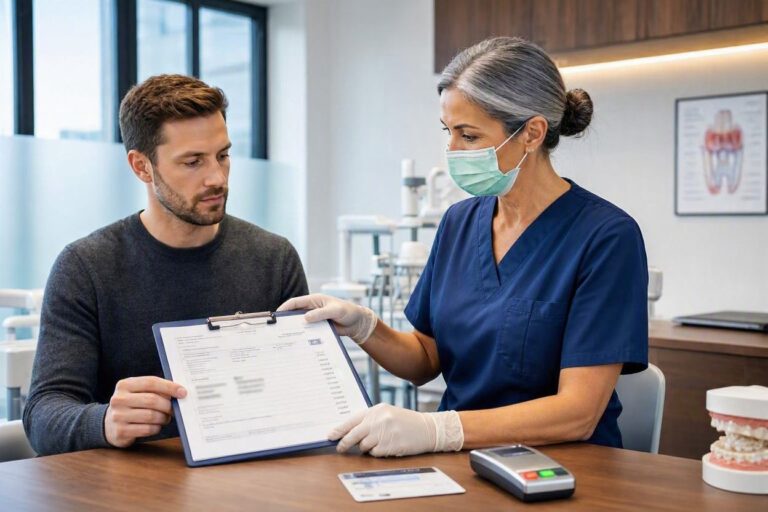
- “Can you provide a single, all-inclusive cost estimate for the reline, including the exam, travel, and any follow-up adjustments?”
- “What type of reline material do you recommend for my specific situation, and why?”
- “How do you handle infection control in a home setting?”
- “What is your policy if the relined denture feels uncomfortable after a few days?”
Red Flags to Watch For
Be cautious if a provider:
- Pressures you into immediate, expensive treatment without a thorough exam.
- Cannot produce a valid dental license or proof of insurance.
- Offers a price that seems significantly lower than every other provider you contact.
- Uses high-pressure sales tactics or disparages all other dentists.
- Has predominantly negative or very few online reviews.
Does Dental Insurance Cover Mobile Denture Relining?
Navigating insurance for mobile services can feel tricky, but you can approach it with confidence using the right knowledge. Most dental PPO plans classify denture relining as a basic restorative procedure, and they may cover a portion of the cost, typically 50% to 80%, after your deductible.
However, the key question is whether the plan reimburses for the mobile component. The clinical reline itself is billable under a standard CDT code (e.g., D5750 for a maxillary hard reline, D5751 for a mandibular hard reline, D5730/D5731 for soft relines). The insurance company usually processes this without issue.
The travel or “house call” fee is a different matter. This is a service charge for convenience and is almost never covered by insurance. You will pay this amount out-of-pocket. Always ask the mobile dentist for the specific CDT codes they plan to use, and then call your insurance company to verify your benefits for those codes when performed by an out-of-network provider (as most mobile dentists are).
A Quick Guide to Dental Insurance and Relines
- Typical CDT Codes: D5750 (Maxillary Hard Reline), D5751 (Mandibular Hard Reline), D5730 (Maxillary Soft Reline), D5731 (Mandibular Soft Reline).
- Frequency Limitation: Many plans cover a denture reline only once every 24 or 36 months. Check your plan’s specific limitation period.
- Medicare: Original Medicare does not cover routine dental care, including denture relines. Some Medicare Advantage plans offer dental benefits that may include a reline allowance.
- Medicaid: Adult dental benefits under Medicaid vary dramatically by state. Some states cover denture relines; many do not. Check your state’s current Medicaid dental manual.
A Practical Tip: If you have a flexible spending account (FSA) or health savings account (HSA), you can use those tax-advantaged dollars to pay for the entire cost of the reline, including the mobile travel fee, as long as it is a qualified medical expense.
Exploring the Soft Reline in Greater Depth
We touched on soft relines earlier. Let us now explore the nuances, as they offer a unique set of advantages for a specific patient population. The cost of relining dentures mobile at home with a soft liner reflects both the material and the gentle technique required.
A soft liner is typically made of a silicone polymer that does not fully harden. It stays resilient. This quality is a blessing for a mouth that has endured years of a loose, rocking denture. The constant rubbing often leads to inflammatory papillary hyperplasia or chronic ulcers. Before a definitive hard reline, a dentist may recommend a soft liner as a “tissue conditioning” phase to allow the inflamed gum to heal to a healthy, firm contour.
The process is intimate and efficient in a home setting:
- The dentist gently dries the tissue-bearing surface of your denture.
- They mix the soft reline material and apply it in a thin, even layer.
- They seat the denture and ask you to close gently in your natural bite.
- As the material sets, you feel a comfortable, warm sensation.
- Once set, the dentist removes the denture, trims any overflow with a scalpel or fine bur, and polishes the edges to a smooth finish.
You can immediately feel the difference. The denture no longer rocks. The sharp pain on the bony ridge subsides. You can chew with more confidence. The fee for this service, typically between $250 and $450 for a single arch at home, buys you this immediate relief. You must remember, though, that a soft liner is porous. You must clean it meticulously with a soft brush and non-abrasive cleaner to prevent fungal infections like Candida.
The Art and Science of the Hard Reline
A hard reline represents a more permanent solution. When we discuss the cost of relining dentures mobile at home for a hard reline, we are talking about a restoration that can last three to five years or more with proper care. The material is polymethyl methacrylate (PMMA), the same class of acrylic used for the denture base itself. It forms a chemical bond with the existing base, essentially creating a “new” denture from the inside out.
The mobile hard reline workflow often involves two distinct paths:
Path A: The Light-Cured Chairside Hard Reline
Some advanced mobile dentists use a urethane dimethacrylate or similar light-cured resin. After applying the material to the denture and seating it, the dentist uses a high-intensity portable curing light to harden the resin directly in your mouth. This eliminates the lab step, reduces turnaround time, and can lower the cost slightly by removing the lab fee. The fit is very precise, and you have your permanent reline in about an hour.
Path B: The Laboratory-Processed Hard Reline
This traditional method is the gold standard for durability. The dentist takes a wash impression inside your existing denture using a zinc oxide-eugenol paste or a polyvinyl siloxane material. The denture and impression go to a dental lab, where a technician pours a stone model, prepares the denture, packs acrylic against the model, and processes it under heat and pressure. The result is a dense, non-porous, highly accurate fit. This path usually requires the dentist to return for a delivery appointment a day or two later. The lab fee, ranging from $100 to $250, is the primary reason this path has a higher overall cost.
Which path is right for you? If you want the most durable, longest-lasting result and don’t mind a brief separation from your denture, the lab-processed hard reline is the ideal choice. If you need a permanent fix but cannot be without your denture, the chairside light-cured hard reline offers a superb in-office alternative. Discuss both with your mobile dentist.
Additional Costs You Might Encounter
A transparent guide must address the “what ifs.” The base cost of relining dentures mobile at home often covers the procedure itself, but additional treatments can arise.
- Tissue Conditioning Prior to a Hard Reline: If your gums are inflamed, the dentist may apply a temporary soft conditioner ($150-$250) for a week or two before taking the final impression for a hard reline. This ensures the permanent reline fits healthy, stable tissue.
- Denture Adjustment for Sore Spots: A follow-up adjustment a few days after the reline is often included in the initial fee. Confirm this. If not, a single adjustment visit might cost $75-$150.
- Minor Denture Repair During Reline: If the dentist finds a small crack or a broken tooth, they may repair it concurrently. A simple tooth replacement adds $75-$150 per tooth; a crack repair adds $50-$100.
- Replacement of a Worn-Out Denture: Occasionally, a dentist examines a denture and finds that a reline is not a viable solution because the teeth are too worn or the base is too thin. A new denture is then necessary. A mobile dentist can discuss the cost of a new mobile denture, which is a separate and more significant investment.
Maximizing the Lifespan of Your Relined Denture
You want your investment to last. A relined denture demands the same diligent care as a brand-new prosthesis. The better you maintain it, the longer you postpone the next cost of relining dentures mobile at home.
Daily Care Rituals
- Rinse after every meal. Remove your denture and rinse it under cool water to remove food particles.
- Brush gently daily. Use a soft denture brush and a non-abrasive denture cleanser. Toothpaste is too abrasive and creates microscopic scratches that harbor bacteria.
- Soak overnight. Most dentures, especially those with a soft liner, need to stay moist. Soak them in cool water or a denture-soaking solution. For soft liners, always check the manufacturer’s instructions; some soaks can damage the soft material.
- Clean your mouth. Use a soft toothbrush to gently clean your gums, tongue, and any remaining natural teeth. This stimulates circulation and reduces bacterial load.
Recognizing the Signs You Need a New Reline
Even with perfect care, your jaw continues to change. A reline is not permanent. Call your mobile dentist if you notice:
- The denture rocking when you chew or speak.
- A return of the clicking sound.
- The need for more denture adhesive than before.
- Food frequently collecting under the denture.
- Sore spots that recur in the same place, even after adjustment.
- A change in your facial appearance, such as sunken lips.
A Closer Look at Financing and Payment Options
The cost of relining dentures mobile at home does not have to be a barrier if you plan wisely. Many mobile dental practices understand the financial constraints of their patients, particularly seniors on a fixed income. They often provide flexible solutions.
Payment Plans Offered by Providers
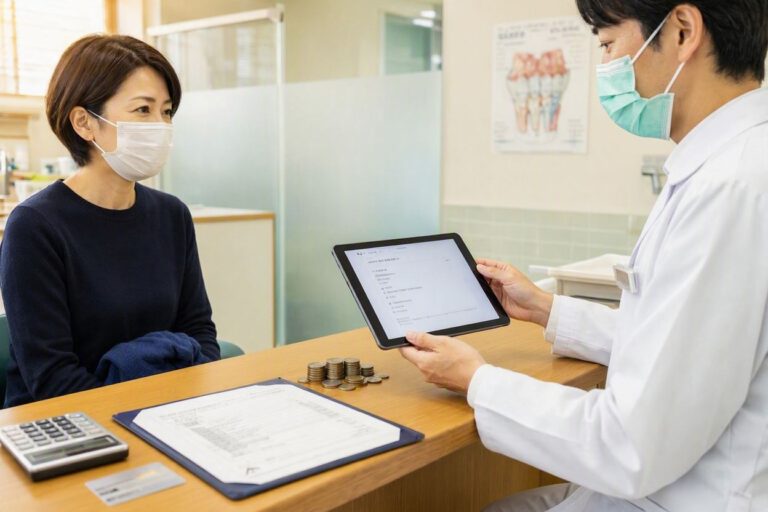
Ask the practice manager if they partner with healthcare financing companies like CareCredit or Proceed Finance. These allow you to break the total cost into manageable monthly payments, often with promotional periods of deferred interest if paid in full within a set timeframe (e.g., 6 or 12 months). Always read the terms carefully to understand the interest rate after the promotional period ends.
Cash and Senior Discounts
A direct conversation about cost can yield savings. Some mobile dentists offer a modest discount, perhaps 5% to 10%, for cash or check payments, as they avoid the merchant fees associated with credit card processing. Do not be shy about politely asking if a senior discount or a prompt-pay discount is available.
Community and Government Assistance Programs
If your income is limited, explore local resources. Some Area Agencies on Aging offer small grants or vouchers for dental care. Dental schools sometimes have mobile outreach programs that provide low-cost relines. Non-profit organizations like Dental Lifeline Network operate programs in many states for elderly or disabled individuals who cannot afford care. A web search for “low-cost denture reline [your state]” can open doors you did not know existed.
The Human Side of Mobile Denture Care
Beyond the numbers and clinical terms, there is a deeply human reason why the cost of relining dentures mobile at home feels justified for so many. We hear stories of a daughter who no longer has to take a full day off work to drive her father to the dentist. We hear of a veteran who can eat a steak comfortably for the first time in years because a compassionate dentist sat with him at his kitchen table and restored his denture.
The value proposition extends into mental health and social confidence. A denture that fits securely eliminates the fear of it slipping out during a conversation. It allows a genuine, unguarded laugh. It restores the simple, profound pleasure of sharing a meal with family without anxiety. This emotional restoration is an integral part of the service, woven into the very fabric of the mobile care model.
An illustrative story: A mobile dentist in Oregon shared the case of an 82-year-old woman who had not left her assisted living facility in three years due to agoraphobia. Her lower denture had not fit for over a decade, rendering her unable to eat anything but soft, pureed foods. The mobile team performed a hard reline in her room. Two weeks later, the facility’s activities director reported the woman had attended the community dinner for the first time, wearing a bright red lipstick. The reline cost her family $550. The experience of rejoining her community was immeasurable.
Table: A Quick-Reference Cost Summary for Busy Readers
We recognize you might be skimming for the key figures. This table condenses the most important cost data.
| Reline Type | Service Description | Typical All-Inclusive Cost (Single Arch) | Durability |
|---|---|---|---|
| Mobile Soft Reline | Chairside application of cushioning silicone liner. Includes exam, material, and travel. | $300 – $550 | 1 – 2 years |
| Mobile Chairside Hard Reline | Light-cured permanent acrylic applied at home. Single visit. | $450 – $700 | 3 – 5 years |
| Mobile Lab-Processed Hard Reline | Impressions taken at home, processed at a lab, returned and delivered. Two visits. | $550 – $850 | 4 – 7+ years |
| Tissue Conditioning | Temporary soft material to heal gums before a permanent reline. | $150 – $300 | 1 – 4 weeks |
Preparing for Your Mobile Dentist’s Visit
You can play an active role in ensuring the visit is successful and efficient. A little preparation can even help the dentist provide the most accurate quote and the best-fitting reline.
On the day of your appointment:
- Wear your denture normally for several hours beforehand. The dentist needs to see the oral tissues in their typical state, with any pressure marks or redness visible. Removing the denture hours in advance allows the tissues to rebound, masking problem areas.
- Have a list of your medical conditions and medications ready. This includes any blood thinners, bisphosphonates for osteoporosis, or medications that cause dry mouth. Your systemic health directly impacts your oral health and the choice of materials.
- Ensure good lighting and a clear space. The dentist needs a flat surface to set up instruments and a comfortable seat for you. A kitchen table area often works best.
- Arrange for a caregiver to be present if needed. If you have difficulty communicating or require assistance with transfers, having a trusted person nearby helps the process run smoothly.
- Prepare your questions. Write them down. A good provider will never rush you and will answer every question until you feel completely at ease.
The Technology Elevating Mobile Relines
Modern mobile dentistry has shed its image of a doctor with a black bag. Today’s mobile units are technologically sophisticated. This advancement contributes to the precision that commands the current cost of relining dentures mobile at home.
Portable Intraoral Scanners: Instead of goopy impression materials that can trigger a gag reflex, some cutting-edge mobile dentists use a small, wand-like digital scanner. They pass it over your denture and your gum tissue, capturing a 3D digital model. They can send this file wirelessly to a lab for a digitally designed and milled hard reline. This technology often results in a supremely accurate fit and a more pleasant experience, though it may add to the laboratory fee.
Light-Curing Units: High-intensity, cordless LED curing lights allow the dentist to harden a chairside hard reline material in seconds, segment by segment. This controlled curing reduces material shrinkage and improves the bond to the original denture base.
Advanced Portable Suction and Aerosol Management: In a post-pandemic world, many mobile dentists use medical-grade air purifiers with HEPA filters during any procedure that generates aerosols, such as trimming the acrylic. This shows a profound commitment to your in-home safety.
Common Myths About Mobile Denture Relining
Let us dispel a few misconceptions that may create unnecessary hesitation.
Myth 1: “A mobile reline is just a cheap, temporary fix.”
Reality: A mobile reline performed by a licensed dentist uses the same clinical-grade materials as a traditional office. A lab-processed hard reline from a mobile provider is identical in quality to one done in a brick-and-mortar clinic.
Myth 2: “It’s unsanitary to do dental work in a home.”
Reality: Mobile dentists adhere to the same strict infection control standards (OSHA and CDC guidelines) as traditional offices. They bring sterilized instrument packs, use surface barriers, and dispose of all biohazardous waste properly.
Myth 3: “If I use denture adhesive, I don’t need a reline.”
Reality: Adhesive is a temporary bandage for a poorly fitting denture, not a solution. Relying on heavy adhesive over a loose denture can actually accelerate bone loss and trap food, causing gum inflammation. A proper reline addresses the root cause of the looseness.
Myth 4: “The travel fee makes it too expensive.”
Reality: When you subtract the costs you avoid (transportation, time off work, caregiver hours), the net difference often shrinks to a negligible amount, and the value of comfort and personalized care far outweighs it.
A State-by-State Glimpse at Pricing Variation
While we cannot list every zip code, we can offer a regional sense of how the cost of relining dentures mobile at home shifts across the country. These are general observations based on cost-of-living indices and dental fee surveys.
| Region | Typical Price Trend (Hard Reline, Single Arch) | Rationale |
|---|---|---|
| Northeast (NY, MA, CT) | High ($650 – $900) | High lab fees, malpractice insurance, and cost of living. |
| Southeast (FL, GA, AL) | Moderate-Low ($400 – $600) | Strong retirement market with high competition among mobile providers. |
| Midwest (OH, MI, IN) | Moderate ($500 – $700) | Steady, predictable market with good access to dental labs. |
| West Coast (CA, WA, OR) | High ($600 – $850) | High operating costs, though competition in urban centers like LA is fierce. |
| Mountain (CO, AZ, NV) | Moderate-High ($550 – $750) | Growing retiree populations in AZ and NV driving demand and competitive pricing. |
Why You Should Not Delay a Needed Reline
Postponing a denture reline can seem like a cost-saving move, but it often leads to more expensive problems down the line.
The cascade of complications includes:
- Chronic Inflammation: The loose denture rubs constantly, causing painful and persistent sores (denture stomatitis).
- Accelerated Bone Resorption: The uneven pressure from a rocking denture accelerates the loss of the very jawbone you need for support. A flat, resorbed ridge is much harder and more costly to fit in the future.
- Nutritional Deficits: When chewing becomes difficult or painful, you may unconsciously avoid healthy, fibrous foods like fresh vegetables, fruits, and proteins. This can lead to compromised overall health.
- TMJ Issues: To compensate for a loose denture, you may develop unnatural chewing patterns that strain the jaw joints and muscles, leading to headaches and facial pain.
- Denture Breakage: A loose denture is more likely to flex and eventually fracture. Replacing a broken denture costs significantly more than a timely reline.
Acting at the first sign of looseness is an investment in your long-term health, comfort, and finances.
The Emotional and Social Return on Your Investment
We place too little emphasis on the intangible returns of dental care. When you pay the cost of relining dentures mobile at home, you are not just buying a clinical service. You are buying back pieces of your life that a poor fit may have stolen. You are purchasing the freedom to accept a dinner invitation without running through a mental checklist of what you can and cannot chew. You are buying the confidence to smile fully in a photograph with your grandchildren. You are giving yourself the gift of clear, unselfconscious speech.
The at-home delivery model amplifies this return. You remain in your sanctuary, surrounded by your own things, perhaps with your pet at your feet. The anxiety that spikes in a cold, sterile, unfamiliar dental office simply does not have a chance to surface. The dentist works at your pace, in your territory. This power dynamic shift is profoundly reassuring and leads to better communication and, ultimately, a better-fitting denture.
A Step-by-Step Guide to Booking Your First Mobile Reline Consultation
Ready to take the next step? Here is a simple action plan.
- Compile a List: Search online for “mobile denture reline near me” or “mobile prosthodontist [your city].” Note down three to five providers with strong online reviews.
- Make Initial Calls: Contact each provider during business hours. Pay attention to how they answer the phone. Are they patient? Do they seem knowledgeable?
- Request Information: Ask for a brochure or an email explaining their services. A professional practice will have this readily available.
- Conduct a Phone Consultation: A dentist or a very skilled treatment coordinator should be willing to spend 10-15 minutes on the phone with you, discussing your situation and giving you a realistic price range.
- Verify, Verify, Verify: Check the dentist’s license with your state’s dental board website. The process takes two minutes and offers immense peace of mind.
- Schedule the Visit: Once you feel a sense of trust and clarity about the cost, schedule the appointment. Clear your day, have your questions ready, and look forward to a renewed sense of comfort.
Frequently Asked Questions About the Cost and Process
Q: How long does a mobile denture reline procedure take?
A: A soft reline or chairside hard reline typically takes between 60 and 90 minutes from the time the dentist arrives. A lab-processed hard reline requires an initial visit of about 45 minutes for the impression and a second visit of about 30 minutes for delivery and adjustment.
Q: Is the cost of a mobile reline higher than going to a dental office?
A: The base fee is often comparable. The main addition is the mobile travel fee, usually $50 to $150. When you account for your own travel costs, time, and the personalized attention, many patients find the total value superior.
Q: Will Medicare pay for my denture reline?
A: Original Medicare (Parts A & B) does not cover routine dental services, including denture relines. However, some Medicare Advantage (Part C) plans include dental benefits that offer an allowance for relines. Check your specific plan’s evidence of coverage document.
Q: Can a mobile dentist reline a partial denture?
A: Yes, absolutely. The process is similar, though the dentist must carefully work around the metal or flexible clasps. The cost is often very close to that of a full denture reline.
Q: What if I don’t like the way the reline feels?
A: A reputable provider includes follow-up adjustment visits in the initial cost. Do not suffer in silence. A small pressure spot is easily adjusted and can make a world of difference. Communicate openly with your dentist.
Q: Do I have to go without my denture while it’s being relined?
A: For a chairside soft or hard reline, no. The denture is ready to wear immediately. For a lab-processed hard reline, the denture will be gone for 24 to 48 hours. Discuss this with your dentist to plan accordingly.
A Summary Table of Your Options at a Glance
| Your Primary Goal | Best Reline Option | Key Benefit | Estimated Cost Range |
|---|---|---|---|
| Immediate comfort for very sore gums | Soft Reline | Cushioning, gentle on tissue | $300 – $550 |
| Long-lasting, durable fit | Lab-Processed Hard Reline | Precision, dense and non-porous | $550 – $850 |
| Permanent fix in one quick visit | Chairside Light-Cured Hard Reline | Speed and good durability | $450 – $700 |
| Heal inflamed tissue before a permanent fix | Tissue Conditioning | Prepares mouth for best final result | $150 – $300 |
Conclusion
Understanding the cost of relining dentures mobile at home empowers you to take control of your comfort and health. This service bridges the gap between clinical necessity and the profound value of personalized, in-home care. A proper reline, delivered by a skilled professional at your kitchen table, restores not only the function of your denture but also the confidence in your smile and the joy in a shared meal. Investing in a timely reline today protects your oral health, your nutrition, and your quality of life for years to come.
Additional Resource
For a deeper understanding of denture care and to locate resources in your area, visit the American College of Prosthodontists’ patient education site at www.gotoapro.org. Here you can search for a board-certified prosthodontist who may offer mobile services and learn more about advanced denture solutions.
Disclaimer: This article provides general information about the cost of relining dentures mobile at home and is intended for educational purposes only. It does not constitute medical or dental advice. Prices cited are national averages and estimates for 2026. Always consult directly with a licensed dental professional for a personalized assessment and treatment plan. Verify all costs and insurance coverage with your provider and insurer before initiating any treatment.