Dental Implant After Tooth Extraction Healing
The Waiting Game: What Happens After Tooth Extraction
You’ve just had a tooth extracted. Maybe it was damaged beyond repair, maybe it was infected, or maybe it was causing more problems than it was worth. Whatever the reason, the tooth is gone, and now you’re faced with an important question: what comes next?
If you’re considering a dental implant to replace that missing tooth, you’re in the right place. But here’s the thing—you can’t just rush into implant surgery the day after extraction. Your mouth needs time to heal. The extraction site must recover, the bone must stabilize, and your gums must return to health.
This waiting period can feel frustrating. You might be anxious to complete your treatment and get back to normal. But understanding why this healing time matters—and what happens during it—will help you make better decisions and set yourself up for implant success.
This comprehensive guide will walk you through everything you need to know about dental implants after tooth extraction healing. We’ll cover the healing timeline, factors that affect when you can get an implant, how to prepare for surgery, what to expect during the procedure, and how to care for your new implant for years to come. By the end, you’ll have a clear roadmap for your journey from extraction to restoration.
Understanding the Tooth Extraction Healing Process
What Happens Immediately After Extraction
When your dentist removes a tooth, your body immediately begins the healing process. Here’s what happens in the first few days:
Blood clot formation
Within minutes of extraction, a blood clot forms in the socket. This clot is essential—it protects the underlying bone and nerve tissue and serves as a foundation for new tissue growth.
Inflammation
The body’s inflammatory response kicks in, bringing immune cells to the site to prevent infection and begin tissue repair. You’ll notice some swelling and discomfort during this phase.
Granulation tissue formation
Within a few days, new tissue called granulation tissue begins to form in the socket. This tissue is rich in blood vessels and helps with healing.
Soft tissue healing
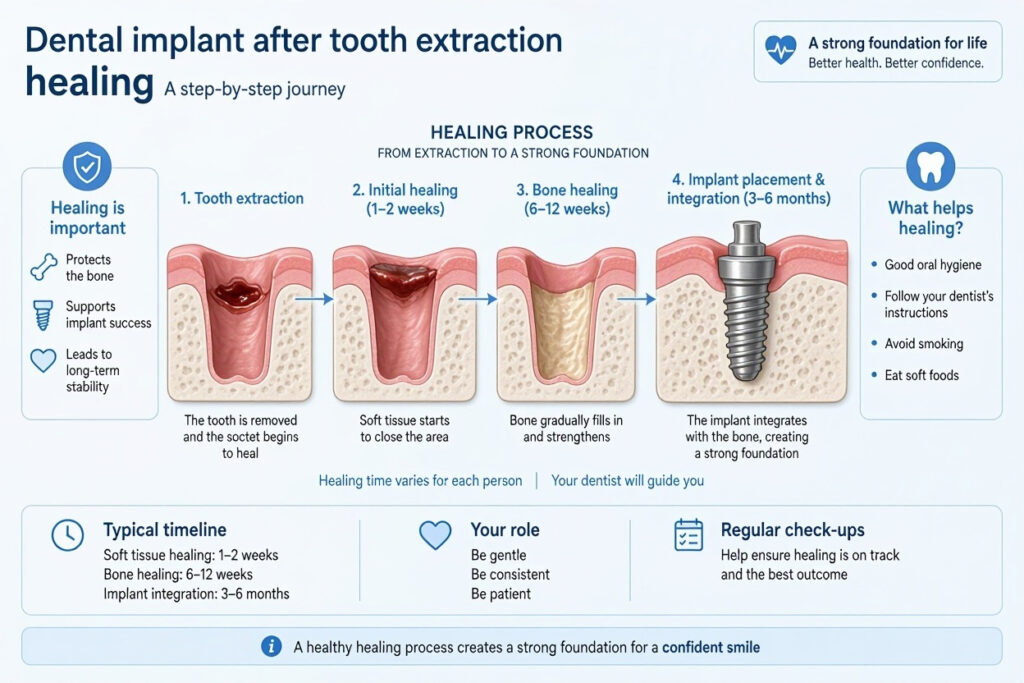
Your gums begin to close over the extraction site. This typically takes 1-2 weeks for the surface to heal, though complete soft tissue healing takes longer.
“The first 24-48 hours after extraction are critical. That’s when the blood clot forms and stabilizes. If the clot is dislodged—which can happen from smoking, drinking through a straw, or aggressive rinsing—you can develop a dry socket, which is painful and delays healing.” – Dr. Emily Watson, Oral Surgeon
The Four Stages of Socket Healing
Research has identified four distinct stages of healing after tooth extraction:
Stage 1: Coagulation (Day 1)
A blood clot forms in the socket. This clot is the scaffold for everything that follows.
Stage 2: Inflammation (Days 2-3)
Immune cells flood the area to prevent infection. You’ll experience swelling, redness, and some discomfort.
Stage 3: Proliferation (Days 4-14)
Granulation tissue forms, new blood vessels develop, and the socket begins to fill with new tissue. The gum surface starts to close.
Stage 4: Maturation (Weeks 3-6 and beyond)
New bone begins to form in the socket through a process called bone remodeling. The socket gradually fills with bone over several months.
Timeline of Socket Healing
| Timeframe | What’s Happening |
|---|---|
| Day 1 | Blood clot forms |
| Days 2-3 | Inflammation peaks; swelling and discomfort |
| Days 4-7 | Granulation tissue forms; gum begins to close |
| Week 2 | Surface gum tissue heals; socket continues filling |
| Weeks 3-4 | New bone begins to form |
| Months 2-3 | Bone continues remodeling and filling the socket |
| Months 3-6 | Socket is largely filled with new bone |
Factors That Affect Healing Speed
Not everyone heals at the same rate. Several factors influence how quickly your extraction site heals:
Age
Younger patients generally heal faster than older patients. Bone metabolism slows with age, which can extend healing time.
Overall health
Conditions like diabetes, autoimmune disorders, and immune deficiencies can slow healing. Smoking dramatically impairs healing by reducing blood flow to the area.
Oral hygiene
Excellent oral hygiene supports healing. Poor hygiene increases the risk of infection and complications.
Tooth location
Lower molars may take longer to heal than front teeth due to differences in bone density and blood supply.
Trauma during extraction
A difficult extraction with significant trauma to the bone and gums will take longer to heal than a simple extraction.
Medications
Some medications, such as corticosteroids or bisphosphonates, can affect bone healing.
“I tell my patients to think of healing as a foundation for their implant. The better the foundation, the more successful the final result. Rushing the process is like building a house on wet concrete.” – Dr. Robert Chen, Implant Dentist
Timing Your Implant: When Is the Right Time?
The Three Approaches to Implant Timing
After tooth extraction, you have three main options for implant placement:
Immediate implant placement (same day)
The implant is placed during the same appointment as the extraction. This works best when:
- The extraction site is free of infection
- There’s enough bone to stabilize the implant
- The socket walls are intact
- You’re in good general health
Early implant placement (4-8 weeks)
The implant is placed after soft tissue healing has occurred but before significant bone remodeling. This approach works well when:
- Soft tissue healing is complete
- There’s no infection
- Bone quality is adequate
Delayed implant placement (3-6 months)
The implant is placed after the extraction site has fully healed and bone has stabilized. This is the most common approach and works well when:
- There was significant infection or bone loss
- Bone grafting was needed
- The extraction was complex
- You want the most predictable outcome
Immediate vs. Delayed Implant Placement
| Factor | Immediate Implant | Delayed Implant |
|---|---|---|
| Timing | Same day as extraction | 3-6 months after extraction |
| Number of surgeries | One | Two (extraction + implant) |
| Healing time | Similar overall | Similar overall |
| Risk of infection | Higher if infection was present | Lower |
| Bone preservation | Excellent | Good (with grafting if needed) |
| Soft tissue aesthetics | Can be challenging | Easier to manage |
| Predictability | Good in ideal cases | Excellent |
| Best for | Healthy patients with no infection | Most patients, especially with bone loss |
How Bone Healing Affects Timing
Bone healing is the critical factor in determining when you can get an implant. After extraction, the socket goes through a predictable series of changes:
First 2 weeks
The blood clot is replaced by granulation tissue. No new bone has formed yet.
Weeks 2-4
New bone begins to form at the base and sides of the socket. This bone is initially woven (immature) bone.
Months 2-3
The socket continues to fill with bone. The bone begins to remodel and become more organized.
Months 3-6
The socket is largely filled with mature bone. The bone is now stable enough to support an implant.
If you have an implant placed before adequate bone healing, the implant may not have enough stability to integrate properly. If you wait too long, the bone may shrink, making implant placement more complex or requiring grafting.
How to Know You’re Ready for an Implant
Your dentist will determine when you’re ready for implant placement based on several factors:
Clinical examination
Your dentist will examine the extraction site, checking for signs of complete healing and healthy gum tissue.
Imaging
X-rays and possibly a CT scan will show the quantity and quality of bone in the extraction site.
Your health status
Your dentist will confirm that you’re in good general health and that any conditions affecting healing are under control.
Your readiness
You should be committed to the implant process, including the surgery, healing time, and long-term maintenance.
“I never rush implant placement. I’d rather wait a few extra weeks and have a solid, predictable outcome than place an implant too early and risk failure. The patient’s long-term success is always more important than speed.” – Dr. Patricia Gomez, Oral Surgeon
Preparing for Your Implant After Extraction
What to Do During the Healing Period
The weeks and months between extraction and implant placement aren’t just about waiting. You can take active steps to prepare your mouth for a successful implant:
Maintain excellent oral hygiene
Brush twice daily and floss regularly, being careful around the extraction site. Good hygiene prevents infection and supports healing.
Follow your dentist’s instructions
If your dentist recommends a soft diet, saltwater rinses, or other care measures, follow them carefully.
Avoid smoking
Smoking dramatically impairs healing and increases the risk of implant failure. If you smoke, quit before implant surgery.
Control systemic conditions
Keep conditions like diabetes well-managed. Work with your doctor to optimize your health before surgery.
Address any remaining dental issues
If you have other dental problems—like decay, gum disease, or failing restorations—address them before implant placement. You want your mouth as healthy as possible before surgery.
Consider bone grafting if needed
If your dentist recommends bone grafting to rebuild lost bone, don’t delay. Grafting needs time to heal before implant placement.
Bone Grafting: When It’s Needed
Bone grafting may be necessary if:
- The extraction caused significant bone loss
- You have naturally thin bone
- The tooth had been infected for some time
- You want to optimize the aesthetics of your implant
- The extraction socket is large
Types of bone grafts:
Autograft – Bone taken from another part of your body. This is the gold standard because it contains living bone cells.
Allograft – Bone from a human donor (processed and sterilized).
Xenograft – Bone from an animal source, usually bovine (cow).
Synthetic graft – Man-made materials that mimic natural bone.
The grafting procedure is typically straightforward. Your dentist places the graft material into the deficient area and covers it with a membrane if needed. Healing takes several months as your body replaces the graft with new bone.
Soft Tissue Grafting
If your gums are thin or receded, soft tissue grafting may be recommended. This restores gum thickness and coverage, which is important for both aesthetics and implant health.
The procedure involves taking tissue from the roof of your mouth (palate) or using donor tissue, then attaching it to the deficient area. Healing typically takes 2-4 weeks.
Getting Your Mouth Ready
Before implant surgery, your dentist will ensure that:
- Your gums are healthy and free of inflammation
- Any infection has been fully resolved
- Your bone is adequate for implant placement
- Your bite is stable
- You’re in good general health
The Dental Implant Procedure After Extraction
Phase 1: Consultation and Planning
Your implant journey begins with a comprehensive consultation:
- Review of your medical and dental history
- Clinical examination
- X-rays and possibly a CT scan
- Discussion of your goals and expectations
- Explanation of the procedure and timeline
- Cost estimate and payment options
Your dentist will use digital planning tools to determine the ideal position, angle, and depth for your implant. This precision planning is crucial for success.
Phase 2: Implant Placement Surgery
The implant placement procedure typically takes 30-60 minutes for a single implant. Here’s what to expect:
Anesthesia
Local anesthesia numbs the area. Sedation options are available for anxious patients.
Incision
A small incision exposes the bone if the gum has healed over the extraction site.
Drilling
A series of drills creates a precise hole in the bone, gradually widening it to the exact size needed for your implant.
Implant insertion
The titanium implant is carefully threaded into the prepared site.
Closure
The gum is sutured closed over the implant, or a healing abutment is attached if a one-stage approach is used.
Phase 3: Osseointegration (Healing)
Over the next 3-6 months, the implant fuses with your bone through a process called osseointegration. During this time:
- Follow a soft diet initially
- Avoid putting pressure on the implant site
- Maintain excellent oral hygiene
- Attend follow-up appointments
- Report any unusual symptoms
Phase 4: Abutment Placement
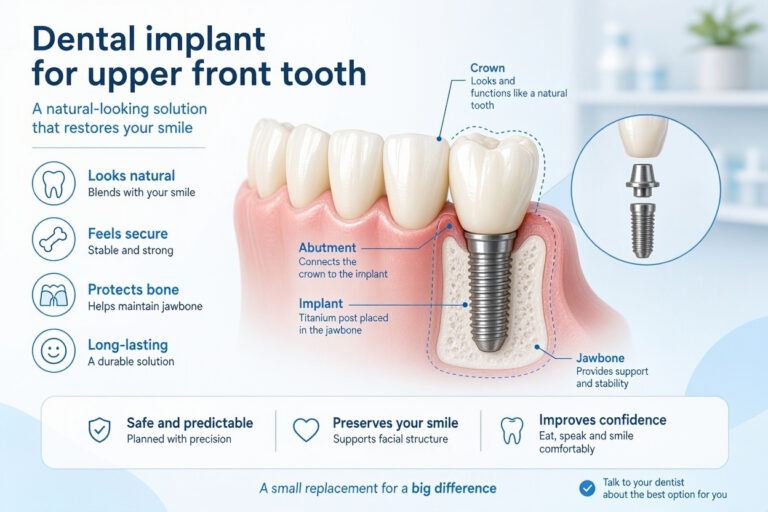
Once osseointegration is complete, your dentist exposes the implant and attaches an abutment. This small connector piece will hold your final restoration.
Phase 5: Final Restoration
After your gums have healed around the abutment (typically 2-4 weeks), impressions are taken for your final crown. The restoration is custom-made to match your natural teeth and bite.
When ready, your dentist attaches the final restoration to the abutment. You now have a fully functional, natural-looking replacement tooth.
Timeline Overview
| Phase | Duration |
|---|---|
| Tooth extraction | 1 visit |
| Healing after extraction | 3-6 months (delayed implant) |
| Bone grafting (if needed) | 4-6 months additional healing |
| Implant placement | 1 visit (30-60 minutes) |
| Osseointegration | 3-6 months |
| Abutment placement | 1 visit |
| Gum healing | 2-4 weeks |
| Final restoration | 1-2 visits |
| Total (typical delayed approach) | 6-12 months |
Risks and Complications
What Can Go Wrong?
While implant success rates are high, complications can occur:
Infection
Bacteria around the implant can cause peri-implantitis, leading to bone loss and implant failure.
Implant failure (osseointegration failure)
The implant may not fuse with the bone. This is more common in smokers and patients with uncontrolled health conditions.
Nerve damage
Rare, but possible if the implant is placed near a nerve. This can cause numbness or tingling.
Sinus problems
In the upper jaw, implants can intrude into the sinus cavity. Sinus lift procedures can prevent this.
Bone loss
Without proper maintenance, bone can recede around the implant.
Restoration complications
The crown may chip, loosen, or need replacement over time.
Delayed healing
If the extraction site hasn’t healed adequately, implant placement may need to be postponed.
How to Minimize Risks
- Choose an experienced implant dentist
- Follow all pre- and post-surgical instructions
- Quit smoking
- Control systemic conditions like diabetes
- Maintain excellent oral hygiene
- Attend regular check-ups
- Be patient with the healing timeline
“Most implant complications are preventable. The patients who do best are those who treat their implants like an investment they want to protect.” – Dr. Robert Kim, Implant Dentist
Cost of Dental Implants After Extraction
What Factors Affect the Cost?
The cost of your implant treatment depends on several factors:
- Number of implants needed
- Need for bone grafting or soft tissue grafting
- Complexity of the case
- Geographic location
- Dentist’s experience and credentials
- Type of final restoration
Typical Cost Breakdown
| Procedure | Cost Range |
|---|---|
| Tooth extraction | $150 – $500 |
| Bone grafting | $600 – $3,000 |
| Implant placement (single) | $1,500 – $3,000 |
| Abutment and crown | $1,500 – $3,000 |
| Total for single implant | $3,000 – $6,000 |
| Immediate implant (same day) | $4,000 – $8,000 |
Insurance Coverage
- Dental insurance may cover a portion of the implant and crown
- Medical insurance may cover implants if the tooth loss resulted from an accident or medical condition
- Check with your provider to understand your benefits
- Some plans have waiting periods for major services
Financial Options
- Payment plans through your dentist
- Dental financing companies (CareCredit, etc.)
- Health savings accounts (HSAs)
- Flexible spending accounts (FSAs)
- Third-party lenders
Recovering from Implant Surgery
What to Expect After Surgery
Day 1-3:
- Mild swelling and discomfort
- Some bleeding (manageable with gauze)
- Soft diet recommended
- Avoid strenuous activity
Week 1:
- Swelling subsides
- Sutures may be removed
- Return to normal activities (with precautions)
Week 2-4:
- Soft tissue healing
- Gradual return to normal diet
- Follow-up appointment
Month 3-6:
- Osseointegration continues
- Bone fuses with implant
Tips for a Smooth Recovery
- Take prescribed medications as directed
- Use ice packs for swelling
- Eat soft, nutritious foods
- Avoid smoking and alcohol
- Keep the surgical site clean
- Attend all follow-up appointments
- Report any unusual symptoms immediately
Long-Term Care for Your Implant
Daily Maintenance
Brushing
Brush twice daily with a soft-bristled toothbrush. Pay special attention to the gumline around your implant.
Flossing
Use floss or interdental brushes daily to clean between the implant and adjacent teeth.
Mouthwash
An antimicrobial mouthwash can help control bacteria.
Professional Maintenance
- Dental cleanings every 6 months (or more frequently if recommended)
- Regular probing around the implant to check for pocket formation
- X-rays to monitor bone levels
- Professional assessment of gum health
Warning Signs to Watch For
Contact your dentist if you notice:
- Bleeding when brushing
- Swelling or redness
- Pain or discomfort
- Implant mobility
- Pus or discharge
- Bad breath that doesn’t improve
Lifestyle Factors
Quit smoking
Smoking is the biggest preventable risk factor for implant failure.
Control systemic conditions
Keep diabetes well-managed. Work with your doctor to control any conditions that affect healing.
Maintain a healthy diet
Good nutrition supports tissue health and immune function.
Manage stress
Chronic stress impairs healing and immune function.
Real Patient Stories
Michael’s Story: Patience Pays Off
Michael, a 50-year-old contractor, had a molar extracted after it cracked beyond repair. His dentist recommended waiting four months before implant placement.
“I was impatient at first. I wanted to get the implant done right away. But my dentist explained that rushing could risk failure. I waited, and the surgery was smooth. Now, two years later, the implant feels just like my other teeth. I’m glad I listened.”
Sarah’s Story: The Importance of Bone Grafting
Sarah, 58, lost a tooth to periodontal disease. Her dentist recommended bone grafting before implant placement.
“I was nervous about the extra procedure and the added time. But my dentist showed me the X-rays and explained that without grafting, the implant might not have enough bone to hold onto. The graft healed for five months, and then the implant went in perfectly. It’s been three years, and everything is solid.”
James’s Story: A Smooth Journey
James, 42, had a front tooth extracted after a sports injury. His dentist placed the implant immediately after extraction.
“I was lucky—my dentist said I was a good candidate for an immediate implant. The whole thing was done in one appointment. The recovery was easier than I expected, and I had a temporary tooth right away. Six months later, I got the final crown, and you can’t tell it’s not my natural tooth.”
Frequently Asked Questions
How long after tooth extraction can I get a dental implant?
Typically, you can get an implant 3-6 months after extraction to allow for adequate bone healing. In some cases, immediate implant placement (same day as extraction) is possible if there’s no infection and adequate bone. Your dentist will recommend the best timing based on your specific situation.
Why do I need to wait for healing before getting an implant?
The healing period allows your bone and gums to recover from the extraction. The blood clot must form, soft tissue must heal, and new bone must fill the socket. Rushing the process can lead to implant failure because the bone may not be stable enough to support the implant.
Can I get an implant immediately after extraction?
Yes, immediate implant placement is possible in some cases. It works best when the extraction site is free of infection, the socket walls are intact, and there’s enough bone to stabilize the implant. Your dentist will evaluate whether you’re a candidate.
What happens if I wait too long to get an implant?
Waiting too long after extraction can lead to bone loss. The jawbone shrinks when it no longer has a tooth root to stimulate it. If significant bone loss occurs, you may need bone grafting before implant placement, which adds time and cost to your treatment.
Is bone grafting always necessary before an implant?
No. Bone grafting is only needed if there isn’t enough bone to support the implant. Your dentist will assess your bone quality and quantity with imaging and recommend grafting if necessary.
How can I speed up healing after extraction?
You can’t rush biology, but you can support healing by following your dentist’s instructions, maintaining excellent oral hygiene, avoiding smoking, eating a nutritious diet, and attending follow-up appointments.
What should I eat during the healing period?
Stick to soft, nutritious foods like yogurt, soups, mashed potatoes, scrambled eggs, and smoothies. Avoid hard, crunchy, or spicy foods that could irritate the extraction site. Avoid using straws, as the suction can dislodge the blood clot.
Can I smoke after tooth extraction?
You should not smoke after tooth extraction. Smoking significantly impairs healing, increases the risk of dry socket, and dramatically increases the risk of implant failure. If you smoke, quitting is the single most important thing you can do for your oral health.
Is implant surgery painful?
Most patients report minimal discomfort during the procedure thanks to local anesthesia. Post-operative discomfort is typically manageable with over-the-counter pain relievers and usually subsides within a few days.
How long does the entire implant process take?
The complete process typically takes 4-9 months (or longer if bone grafting is needed). This includes extraction, healing time, implant placement, osseointegration (3-6 months), and final restoration.
What if the extraction site gets infected?
If you notice signs of infection—increased pain, swelling, pus, fever—contact your dentist immediately. Infection must be treated before implant placement.
Can I get multiple implants after multiple extractions?
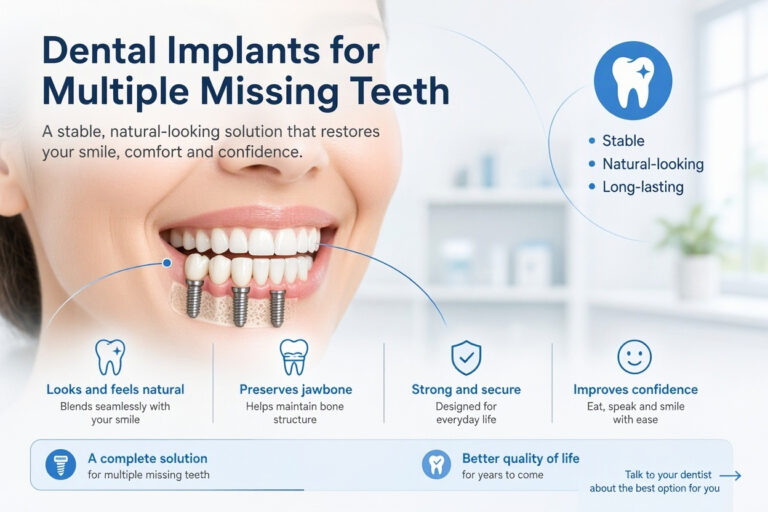
Yes, many patients receive multiple implants. Your dentist will evaluate each site individually and create a comprehensive treatment plan. If you have multiple missing teeth, an implant-supported bridge or denture may be more cost-effective than individual implants.
Will my implant look natural?
Yes. Modern implant crowns are custom-made to match your natural teeth in color, shape, and size. With proper planning and high-quality laboratory work, most implants are indistinguishable from natural teeth.
Is age a factor in getting an implant after extraction?
Age itself is not a barrier to implants. What matters more is your overall health, bone quality, and healing capacity. Older adults can successfully receive implants, provided they are in good general health and committed to proper maintenance.
How do I choose the right dentist for my implant?
Look for a dentist with experience in implant dentistry, preferably one who has completed advanced training. Ask about their success rates, view before-and-after photos, and read patient reviews. Don’t be afraid to ask questions.
Additional Resource
For more information about dental implants and the healing process after tooth extraction, visit the American Academy of Implant Dentistry website: www.aaid.com
This professional organization provides resources for patients, including finding an implant dentist and learning about the latest advances in implant dentistry.
Your Next Steps
If you’ve had a tooth extracted and are considering a dental implant, here’s your action plan:
1. Follow your post-extraction instructions carefully
Proper care during the first few weeks sets the stage for successful healing.
2. Schedule a follow-up appointment
Your dentist will monitor your healing and determine when you’re ready for implant placement.
3. Maintain excellent oral hygiene
Brush, floss, and rinse as directed to prevent infection and support healing.
4. Address any health issues
If you have conditions that affect healing—like diabetes or smoking—work to control them before implant surgery.
5. Discuss bone grafting if needed
If your dentist recommends grafting, don’t delay. It’s an investment in your implant’s long-term success.
6. Be patient
Healing takes time. Trust your dentist’s timeline and follow their recommendations.
Conclusion
Dental implants after tooth extraction healing offer a reliable, natural-looking solution for replacing missing teeth. The journey requires patience—your mouth needs time to heal before implant placement—but the reward is a functional, beautiful smile that can last decades. With proper preparation, an experienced dental team, and a commitment to long-term care, you can successfully restore your smile and enjoy the confidence that comes with it. Don’t rush the process—embrace the healing period as an essential step toward a lasting solution.