Dentist in Grand Junction CO
Finding the right dentist is a bit like finding a good mechanic or a trusted barber. You want someone skilled, honest, and close to home. If you live in Western Colorado, you have plenty of options. But how do you choose the best dentist in Grand Junction CO for your unique needs?
This guide walks you through everything. You will learn about common dental services, what to expect during a first visit, how to handle emergencies, and ways to save money on treatment. No fluff. No fake promises. Just useful, honest information to help you smile with confidence.
Why Choosing a Local Dentist Matters
Dental health is connected to your overall health. Problems like gum disease can affect your heart and blood sugar levels. That is why having a regular dentist matters.
A local dentist in Grand Junction CO offers more than convenience. They understand the community. They know the local water quality (which can affect teeth), common dietary habits, and even local specialists for referrals. Plus, if you have a sudden toothache on a Saturday, a nearby clinic is a lifesaver.
“Regular dental checkups are not just about clean teeth. They are preventive healthcare for your entire body.” – American Dental Association
Types of Dental Services Available in Grand Junction
Different people need different types of care. A child needs gentle education. An adult may need crowns or root canals. A senior might need dentures or implants. Most local clinics offer a full range of services.
General and Family Dentistry
This is the foundation. General dentistry includes:
- Routine exams and cleanings
- Cavity fillings (tooth-colored)
- X-rays and oral cancer screenings
- Sealants and fluoride treatments
Family dentists treat patients of all ages. They are a great choice if you have kids and want one clinic for everyone.
Cosmetic Dentistry
Cosmetic procedures focus on appearance. These are not always covered by insurance, but many people choose them for confidence. Common options include:
- Teeth whitening (in-office or take-home kits)
- Veneers (thin shells for front teeth)
- Bonding (repairing chips and gaps)
- Invisalign or clear aligners
Restorative Dentistry
When teeth are damaged or missing, restorative care brings back function.
- Crowns and bridges
- Dentures (full and partial)
- Dental implants
- Root canal therapy
Emergency Dental Care
Toothaches, broken teeth, lost fillings — these happen without warning. Many clinics in Grand Junction reserve same-day appointments for emergencies. Some even offer weekend hours.
Periodontal (Gum) Care
Gum disease is common but treatable. Deep cleanings (scaling and root planing) and regular maintenance help keep gums healthy.
Pediatric Dentistry
Kids need a gentle approach. Pediatric specialists focus on:
- Preventing cavities in baby teeth
- Teaching brushing and flossing habits
- Using sedation if a child is very anxious
What to Expect During Your First Visit
If you have not seen a dentist in over a year, you may feel nervous. That is normal. A good clinic will make you feel welcome.
Here is what usually happens:
- Paperwork – You fill out medical history and insurance forms. Bring your ID and insurance card.
- X-rays – These help the dentist see between teeth and under gums. Most clinics use digital X-rays, which use very low radiation.
- Oral exam – The dentist checks each tooth, your gums, tongue, and throat.
- Cleaning – A hygienist removes plaque and tartar, then polishes your teeth.
- Treatment plan – If you need fillings, crowns, or other work, the dentist explains options and costs.
Important note: Do not lie about your medical history. Tell your dentist about all medications, allergies, and health conditions. This includes pregnancy, heart issues, or diabetes.
How to Choose the Right Dentist in Grand Junction CO
Not all dentists are the same. Some focus on speed. Others focus on patient education. You want a balance of quality, affordability, and comfort.
Use this checklist when comparing clinics:
| Factor | What to look for |
|---|---|
| Location | Near your home, work, or kids’ school |
| Hours | Early morning, evening, or weekend availability |
| Insurance | Accepts your plan or offers in-house membership |
| Services | Offers everything you need (general, emergency, cosmetic) |
| Reviews | 4+ stars on Google with recent positive comments |
| Technology | Digital X-rays, intraoral cameras, same-day crowns |
| Atmosphere | Clean, calm, friendly staff |
Questions to Ask Before Booking
- Do you treat patients with dental anxiety?
- What sedation options do you offer?
- How do you handle after-hours emergencies?
- Do you have payment plans or care credit?
- How often do you recommend checkups?
A reliable dentist will answer these questions without pressure.
Dental Insurance and Payment Options
Dental care costs can add up. But there are ways to make it affordable.
Traditional Dental Insurance
Most plans cover 100% of preventive care (exams and cleanings). They cover about 80% of basic procedures (fillings) and 50% of major work (crowns, root canals). Check your annual maximum — often $1,000 to $2,000 per year.
Directories for In-Network Dentists
You can use trusted directories to find a dentist in Grand Junction CO that accepts your specific insurance plan. Always verify coverage before your first appointment.
In-House Membership Plans
Some clinics offer discount plans for uninsured patients. You pay a flat yearly fee (around $300–$500) and get free cleanings, exam, and X-rays plus 15–20% off other treatments.
CareCredit and Financing
CareCredit is a healthcare credit card. It lets you pay over 6, 12, or 18 months with no interest if paid in full.
HSA and FSA Accounts
Health Savings Accounts and Flexible Spending Accounts can pay for dental work with pre-tax dollars. This saves you money.
Common Dental Problems and Solutions
Even with good brushing and flossing, problems can occur. Here are the most common issues and what a dentist can do.
| Problem | Signs | Typical solution |
|---|---|---|
| Cavity | Toothache, sensitivity to sweets | Filling (composite or amalgam) |
| Gum disease | Bleeding when brushing, bad breath | Deep cleaning (scaling and root planing) |
| Cracked tooth | Pain when biting | Crown or bonding |
| Missing tooth | Gap, shifting teeth | Implant, bridge, or partial denture |
| Tooth infection | Severe pain, swelling, fever | Root canal or extraction |
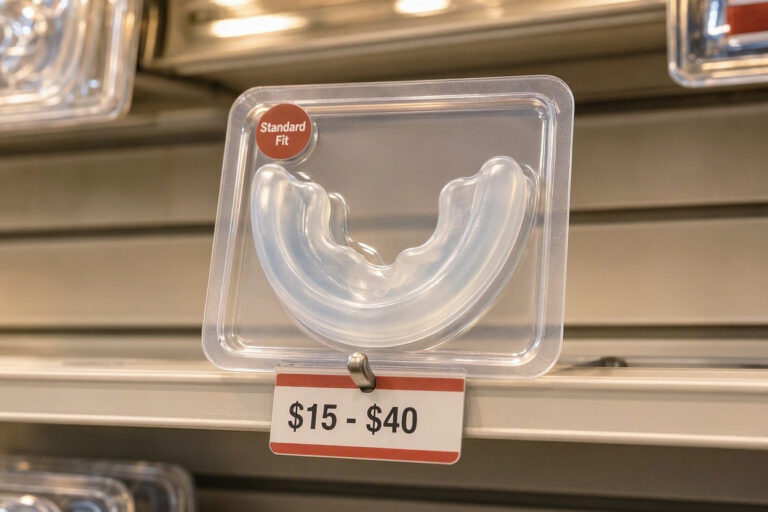
| Teeth grinding | Worn teeth, jaw pain, headaches | Night guard (custom-made) |
Do not ignore early signs. Small problems become big (and expensive) problems quickly.
Emergency Dental Care: What to Do Right Now
Dental emergencies rarely happen at a good time. Knowing what to do in the first 30 minutes can save a tooth.
Knocked-Out Tooth
- Pick it up by the crown (top), not the root.
- Rinse gently with water. Do not scrub.
- Try to put it back in the socket. If not, place it in milk or saline.
- See a dentist within 30 minutes to an hour.
Severe Toothache
- Rinse with warm salt water.
- Floss gently to remove trapped food.
- Do not put aspirin directly on the gum (it burns tissue).
- Call a dentist for an emergency appointment.
Broken or Chipped Tooth
- Save any pieces.
- Rinse mouth with warm water.
- Apply a cold compress to reduce swelling.
- See a dentist within 24 hours.
Many clinics in Grand Junction offer emergency slots. Call ahead and explain your situation clearly.
Pediatric Dentistry: Making Kids Comfortable
Children are not small adults. Their teeth, jaws, and emotional needs are different. A good pediatric dentist or a family dentist with kid experience makes visits fun.
Tips for Parents
- Start early – first visit by age 1 or when the first tooth appears.
- Use positive language. Avoid words like “needle” or “drill.”
- Read books about going to the dentist.
- Schedule morning appointments when children are fresh.
- Ask about nitrous oxide (laughing gas) for anxious kids.
Common Pediatric Treatments
- Fluoride varnish to strengthen enamel
- Dental sealants on molars to prevent cavities
- Space maintainers if baby teeth fall out too early
- Fillings for cavities (yes, baby teeth need fillings too)
Important note: Baby teeth matter. They hold space for permanent teeth. Ignoring cavities in baby teeth can lead to crowding and orthodontic problems later.
Sedation Dentistry for Anxious Patients
Do you feel shaky just thinking about a dental drill? You are not alone. Between 5% and 15% of Americans avoid the dentist due to fear.
Sedation dentistry helps you relax. It is safe and commonly used.
| Type | How it works | Best for |
|---|---|---|
| Nitrous oxide | Gas you breathe, wears off quickly | Mild anxiety, short procedures |
| Oral sedation | Pill taken an hour before | Moderate anxiety, longer visits |
| IV sedation | Medicine through a vein | Severe anxiety, complex surgeries |
| General anesthesia | You are completely asleep | Major procedures, special needs |
Talk to your dentist about your fears. A compassionate team will adjust their approach. Many clinics now offer noise-canceling headphones, warm blankets, and TV during treatment.
Cost Comparison of Common Procedures in Grand Junction
Prices vary between clinics. Below are average ranges for Grand Junction CO. Your actual cost depends on insurance, complexity, and dentist experience.
| Procedure | Without insurance | With insurance (estimated) |
|---|---|---|
| Exam and cleaning | $150 – $300 | Usually $0 – $50 |
| Bitewing X-rays (4) | $60 – $120 | Usually covered 100% |
| Composite filling (1 surface) | $150 – $350 | $40 – $100 |
| Crown (porcelain) | $1,000 – $1,800 | $400 – $800 |
| Root canal (molar) | $1,200 – $1,800 | $500 – $900 |
| Extraction (simple) | $150 – $350 | $50 – $150 |
| Implant (single tooth) | $3,000 – $5,500 | Varies widely |
Always ask for a written treatment plan with costs before starting any major work.
Tips to Maintain Oral Health Between Visits
You see the dentist twice a year. But what you do the other 363 days matters more.
Do This Every Day
- Brush twice a day for two minutes. Use a soft-bristled toothbrush.
- Floss once a day. It is more important than brushing between teeth.
- Drink water after meals. It rinses away sugar and acid.
- Chew sugar-free gum with xylitol if you cannot brush.
Avoid These Habits
- Smoking or vaping (huge risk for gum disease and oral cancer)
- Chewing ice or hard candy (cracks teeth)
- Using teeth as tools (opening packages or bottles)
- Sipping soda or juice all day (constant acid attack)
Replace Your Toothbrush
Every three months or sooner if bristles look frayed. A worn brush does not clean well.
Technological Advances in Local Dental Offices
Dentistry has changed a lot in the last ten years. Many clinics in Grand Junction now offer:
- Digital X-rays – 80-90% less radiation than old film X-rays.
- Intraoral cameras – You see exactly what the dentist sees on a screen.
- Same-day crowns – CEREC machines mill a crown in about an hour. No temporary crown or second visit.
- Laser dentistry – Less bleeding and faster healing for gum treatments.
- 3D cone beam imaging – Detailed view for implants and root canals.
These technologies mean less pain, fewer visits, and better results.
Frequently Asked Questions (FAQ)
1. How often should I really see a dentist?
Most people need a checkup and cleaning every six months. Some with gum disease or high cavity risk need every three to four months. Your dentist tells you what is right for you.
2. Do dentists in Grand Junction accept Medicaid?
Some do. Colorado’s Health First Colorado (Medicaid) covers dental for children. Adult coverage is limited to extractions and emergencies. Call clinics directly to ask.
3. What is the difference between a DDS and a DMD?
Nothing. DDS means Doctor of Dental Surgery. DMD means Doctor of Dental Medicine. The training is the same. Only the name differs by university.
4. Is teeth whitening safe?
Yes, when done correctly. In-office whitening is safest. Over-the-counter kits can cause sensitivity if overused. Always talk to your dentist first.
5. Can I go to the dentist while pregnant?
Yes. Routine cleanings and emergency work are safe during pregnancy. Tell your dentist you are pregnant. They will avoid X-rays unless absolutely necessary.
6. What if I have no insurance and no money?
Look for a dental school clinic (nearest is in Denver). Some Grand Junction clinics offer sliding scale fees based on income. Call and ask about financial assistance.
7. How long does a dental implant last?
With good care, 20+ years or even a lifetime. Implants themselves do not decay, but the gum around them needs maintenance.
8. Do dentists treat sleep apnea?
Some do. Dentists can make oral appliances that reposition your jaw to keep airways open. This is for mild to moderate sleep apnea.
Additional Resource
For official information on dental health, insurance, and finding low-cost care, visit the Colorado Dental Association’s patient resources page:
🔗 https://www.coloradodental.org/patients (external link, open in new tab)
Conclusion
Choosing the right dentist in Grand Junction CO comes down to your personal needs — budget, anxiety level, family situation, and dental history. Regular checkups prevent pain and save money in the long run. Emergency services, sedation options, and modern technology are all available locally. Use this guide to ask the right questions, compare your options, and take the first step toward a healthier smile.
Disclaimer:
This article is for informational purposes only and does not constitute medical or dental advice. Always consult a licensed dentist in Grand Junction CO for diagnosis and treatment specific to your condition. Individual results and costs vary. This content does not create a dentist-patient relationship.