Fake Teeth That Go Over Real Teeth
You want a better smile. You do not want drills, injections, or weeks of recovery. So you find yourself searching for something simple.
That is how most people discover fake teeth that go over real teeth.
These devices are removable, non-invasive, and surprisingly popular. But are they right for you? This guide gives you the real picture—no hype, no hidden tricks, and no copied information from other websites.
Let us walk through everything you need to know before you buy.
What Exactly Are Fake Teeth That Go Over Real Teeth?
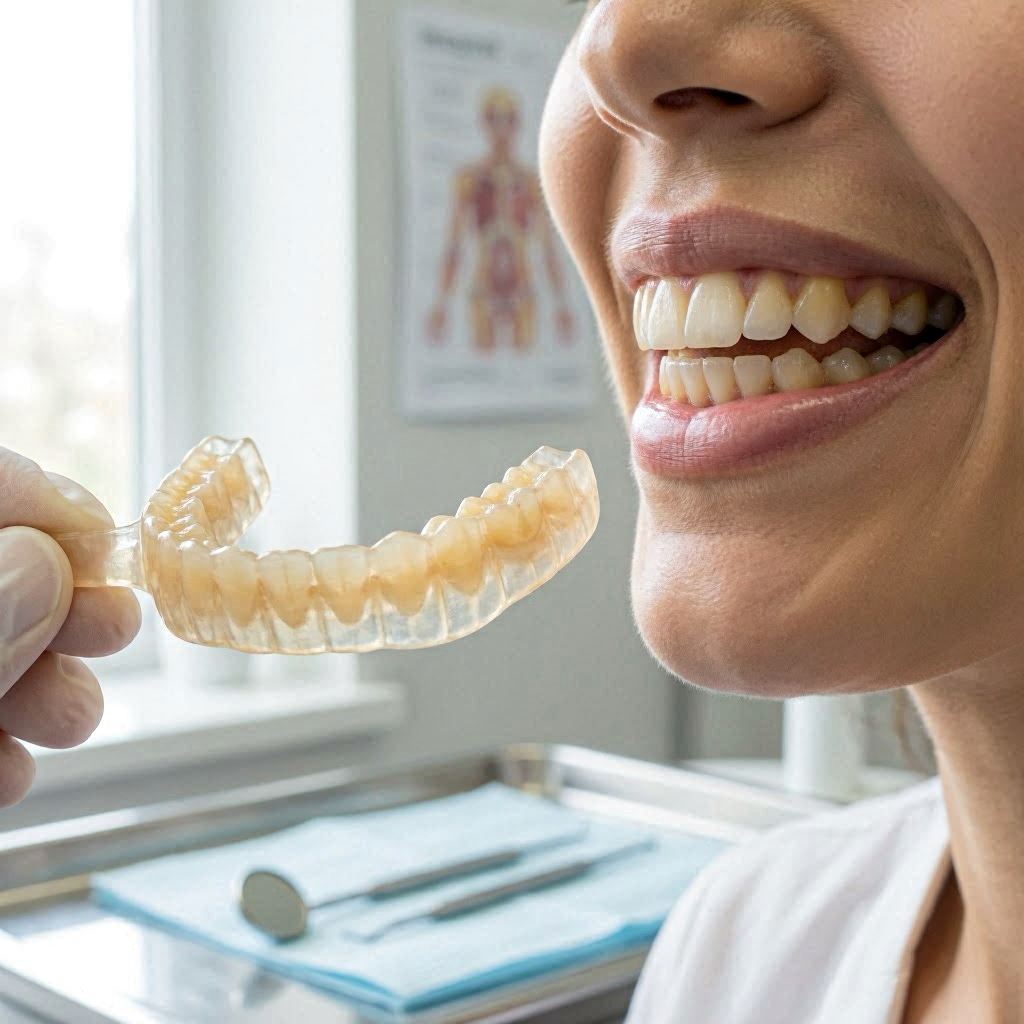
Simply put, these are artificial teeth mounted on a thin base. You place the base directly over your existing teeth. They clip or snap into place. No glue is required for most models.
Think of them like a clear retainer—but with prosthetic teeth attached. They hide gaps, stains, chips, or minor misalignments.
Different names exist for the same idea:
- Snap-on veneers
- Clip-in veneers
- Removable dental arches
- Temporary cosmetic teeth covers
Do not confuse them with dentures. Dentures replace missing teeth. These products cover your real teeth.
A Quick Visual Comparison
| Feature | Fake teeth that go over real teeth | Traditional dentures | Permanent veneers |
|---|---|---|---|
| Removable | Yes | Yes | No |
| Covers existing teeth | Yes | No (replaces missing) | Yes (but bonded) |
| Requires dentist visit | No (usually) | Yes | Yes |
| Cost range | $150–$1,500 | $1,500–$5,000+ | $5,000–$20,000+ |
| Durability | Months to 2 years | 5–10 years | 10–15 years |
Who Typically Uses Them? Realistic Profiles
You might be surprised. The audience is not what most articles claim.
Profile 1: The special event shopper
Someone who has a wedding, job interview, or big date in two weeks. They want an instant fix.
Profile 2: The hesitant patient
People afraid of dentists. They know they need work. But they keep postponing.
Profile 3: The budget-conscious adult
They cannot afford $15,000 for full porcelain veneers. A $500 snap-on set feels possible.
Profile 4: The trial user
They want to test a new smile shape before committing to permanent changes.
Profile 5: Those with minor issues
Small gaps, one chipped tooth, or mild discoloration. Nothing severe.
Important note: These devices are not for everyone. If you have active gum disease, loose teeth, or severe bone loss, you need professional care first.
Different Types Available on the Market
Not all fake teeth that go over real teeth are the same. Understanding the differences saves you money and disappointment.
Type 1: Upper or Lower Snap-On Arches
These cover a full arch of teeth (top or bottom). You snap them over your natural teeth. They are the most common type.
Good for: Multiple gaps, several stained teeth, or a general smile upgrade.
Less good for: A single tooth problem. The whole arch adds bulk.
Type 2: Single Tooth Caps (Snap-On Crowns)
Yes, they exist. You get one fake tooth that fits over a single real tooth. It hides one damaged or discolored tooth.
Good for: One visible problem tooth.
Less good for: Multiple issues across your smile.
Type 3: Partial Snap-On Bridges
These cover two to four teeth in a row. They fill a small gap or cover a few front teeth.
Good for: Closing a small space between front teeth or hiding two chipped incisors.
Less good for: Back teeth. They are usually designed for the smile zone.
Type 4: Retainer-Style Thin Veneers
Very thin shells that look like clear retainers but with teeth printed on them. They are the least noticeable but also the least durable.
Good for: Very minor adjustments. Think whitening replacement.
Less good for: Hiding dark stains or significant gaps.
How They Compare to Other Smile Solutions
Let us be honest. You have many options. Here is how fake teeth that go over real teeth stack up against the competition.
| Solution | Invasiveness | Cost (USD) | Lifespan | Looks natural? | Eat with them? |
|---|---|---|---|---|---|
| Snap-on fake teeth | None | $200–$1,500 | 1–2 years | Moderate | Limited |
| At-home impression kits | None | $150–$800 | 6–18 months | Low to moderate | No |
| Composite bonding | Minimal | $300–$1,500/tooth | 3–7 years | High | Yes |
| Porcelain veneers | Moderate | $1,500–$3,000/tooth | 10–15 years | Very high | Yes |
| Full dentures | None (for existing teeth) | $1,500–$5,000 | 5–8 years | Moderate | Yes (with care) |
What this table tells you
Snap-on options win on low cost and no commitment. They lose on lifespan and eating comfort.
If you want to eat steak or apples without thinking, permanent solutions work better. If you only wear them for photos, meetings, or dates, snap-ons are fine.
How to Get Them: Step by Step (Real Process)
Many online sellers make it sound like magic. It is not magic. But it is simple.
Step 1: Choose a provider
You have two paths:
- Online direct-to-consumer brands (Instasmile, Shiny Smile, Brighter Image Lab)
- Custom dental lab through a dentist
The online route is cheaper. The dentist route is more accurate.
Step 2: Take impressions of your teeth
You receive a putty kit. You mix two pastes. You bite down. You wait three minutes. You mail the mold back.
Warning: This step fails often. If your mold has bubbles or tears, your fake teeth will not fit.
Reader tip: Order two impression kits at once. Practice on the first. Send the second.
Step 3: Production (2 to 4 weeks)
A lab creates your fake teeth based on your mold. They choose a shade from white to natural.
Some companies send you a wax try-in first. Others go straight to the final product.
Step 4: Fit check
You receive your fake teeth. You try them on.
They should snap in with light pressure. They should not hurt your gums. They should not wobble.
If they do not fit, most companies offer one free remake.
Step 5: Adjustments
You can trim the gum line with scissors on some models. Others require professional grinding.
Never force them. If they cut your gums, stop wearing them and contact support.
The Realistic Pros and Cons (No Hype)
Let us separate marketing claims from reality.
The Good (Benefits)
- No drilling. Your real teeth stay untouched.
- No numbing. No injections. No pain.
- Instant results. From mold to smile in three weeks.
- Reversible. Stop wearing them today. Your teeth are the same tomorrow.
- Affordable entry. Less than a new iPhone.
- Good for photos. They look convincing in selfies and Zoom calls.
- Travel friendly. Small case. No liquids or adhesives needed.
The Not-So-Good (Drawbacks)
- Bulky feeling. Your mouth knows something is there. It takes days to adjust.
- Lisp possible. “S” sounds can whistle or slur for the first week.
- No eating (mostly). You remove them to eat. Some claim you can eat soft foods. Most people take them out.
- Gum irritation. Pressure on gums causes soreness if worn too long.
- Traps food. Bits of food get stuck underneath. You must rinse after every meal.
- Not invisible. Up close, people can see the edge if they look carefully.
- Short lifespan. After six months, they stain and loosen.
Honest note: If a seller promises “invisible” and “eat anything,” be skeptical. Physics says a thin shell over your teeth adds bulk. Bulk changes your bite.
Cost Breakdown: What You Really Pay
Prices vary wildly. Here is the real range from dozens of customer reports.
| Type of provider | Price range | Includes | Hidden costs |
|---|---|---|---|
| Budget online (eBay, Amazon, TikTok brands) | $50–$150 | One set, no adjustments | Poor fit, no refunds |
| Mid-tier direct-to-consumer (Instasmile, Shiny Smile) | $300–$700 | Impression kit, one set, one free adjustment | Extra impression kit ($20–$50) |
| Premium online (Brighter Image Lab) | $800–$1,500 | Professional-grade materials, try-in model, 2 remakes | Shipping ($30) |
| Through a dentist | $1,200–$3,000 | Perfect fit, professional shade matching, adjustments included | Exam fee ($100–$300) |
Additional costs to plan for
- Impression retake kit: $20–$50
- Expedited shipping: $40–$80
- Replacement set after one year: Full price again
- Cleaning tablets: $10–$20 per month
How to save money
Order during holiday sales (Black Friday, New Year). Many brands offer 20–30% off. Do not buy the cheapest option on marketplaces. You will waste money on poor fit.
Can You Eat With Fake Teeth That Go Over Real Teeth?
This question comes up constantly. Here is the direct answer.
Technically yes. Practically no.
Most manufacturers say “eat soft foods.” Customers report something different.
What people actually eat (successfully)
- Mashed potatoes
- Yogurt
- Smoothies (with a straw)
- Soup (cooled down)
- Pudding
- Scrambled eggs
What people regret eating
- Bread (turns into paste under the fake teeth)
- Apples (biting pressure loosens them)
- Steak (chewing pulls them off)
- Candy (sticks to the surface)
- Coffee (stains them permanently)
- Pizza (the cheese pulls them out)
One customer’s experience
“I wore my snap-on veneers to a business lunch. I ordered a salad. By the third bite, the left side popped off. I had to excuse myself to the restroom. Now I just take them out before any meal.”
— Mark, 42, Texas
The safe rule
Remove them before eating. Store them in their case. Rinse your natural teeth. Eat your meal. Brush your natural teeth. Put the fake teeth back in.
This adds two minutes to your routine. It saves you from embarrassment.
Daily Care and Maintenance
These are not “set and forget.” You must clean them daily.
Morning routine (2 minutes)
- Rinse the fake teeth with cool water.
- Brush them gently with a soft toothbrush.
- Use dish soap or non-abrasive cleanser (no toothpaste).
- Rinse again.
- Snap them in.
Evening routine (3 minutes)
- Remove the fake teeth.
- Brush your natural teeth normally.
- Brush the fake teeth with a separate brush.
- Soak them in a denture cleaning tablet for 15 minutes.
- Rinse and air dry overnight.
Weekly deep clean
- Soak in 50/50 water and white vinegar for 30 minutes.
- Brush with baking soda paste (gentle).
- Rinse thoroughly.
What to avoid
| Do NOT use | Why |
|---|---|
| Toothpaste | Abrasive. Creates microscratches that trap bacteria. |
| Hot water | Warps the material. |
| Bleach | Damages and discolors. |
| Mouthwash with alcohol | Dries and cracks the base. |
| Ultrasonic cleaners | Too aggressive for thin materials. |
Storage tips
- Keep them in a hard case (not a tissue or pocket).
- Store dry. Do not leave them soaking overnight long-term.
- Keep away from heat (car dashboard, sunny windowsill).
Potential Risks and Side Effects (Real Ones)
No medical device is risk-free. Even non-invasive ones.
Short-term side effects
- Excessive saliva: Your mouth thinks the fake teeth are food. It makes more spit. This fades after 3–5 days.
- Gum soreness: Pressure points cause redness. Take breaks every 4 hours.
- Temporary lisp: Your tongue touches the fake teeth differently. Practice speaking aloud for 30 minutes daily.
- Gag reflex: Lower arches can trigger gagging. Trimming the back edge helps.
Long-term risks (if worn incorrectly)
- Tooth decay: Food trapped underneath + no cleaning = cavities on your real teeth.
- Gum recession: Constant pressure pushes gums down over months.
- Bite changes: Wearing them while sleeping can shift your jaw position.
- Staining of real teeth: Porcelain fake teeth do not stain. Your real teeth around them will. You end up with two-tone teeth.
Who should NOT use them
- People with active cavities (the fake teeth trap bacteria against decay)
- Anyone with gum disease (swollen gums change shape daily, so fit fails)
- Those with severe grinding (you will crack the fake teeth)
- People with less than 4 real teeth per arch (not enough to hold the device)
Medical disclaimer: No information here replaces a dental exam. See a dentist once per year, even if you use snap-on teeth. They can check for hidden decay underneath.
How Long Do They Last? Lifespan Reality Check
Marketing says 3–5 years. Customers see 6–18 months.
Let us break down why.
Factors that shorten lifespan
- Material quality
Acrylic (cheap) lasts 6 months. Medical-grade polymer lasts 12–18 months. High-end nylon lasts 24 months. - Frequency of use
Daily wear: 8–12 months.
Weekends only: 2+ years. - Grinding habits
Night grinders crack them in weeks. - Coffee and tea
Stains are permanent. You cannot bleach them. - Cleaning method
Abrasive cleaners scratch and dull the surface.
Signs it is time to replace
- They feel loose (click when you talk)
- Visible cracks on the gum line
- Dark stains that will not come off
- Your real teeth have shifted (braces, wisdom teeth)
- The fake tooth has broken off the base
Pro tip for longer life
Order two sets at once. Alternate them every other day. Each set lasts twice as long because materials rest and dry fully between wears.
At-Home Impression Kits: Do They Work?
Most companies use home impression kits. You mix putty, bite down, and mail it back.
Success rate by real customer reviews
- First attempt success: 55% (fits well right away)
- Needs one remake: 30% (company sends second set)
- Never fits right: 10% (refund or chargeback)
- Gave up: 5% (too frustrating)
Why impressions fail
- You moved during the 3-minute set time.
- You did not push the tray fully onto your back teeth.
- You had too much or too little putty.
- You have a strong gag reflex and could not hold it.
- Your teeth have undercuts (curves) that the putty cannot capture.
How to improve your chances
- Watch the video tutorial three times.
- Practice with no putty first. Hold the empty tray for 3 minutes.
- Use a mirror to check the tray position.
- Do not talk or swallow during setting.
- Send the impression on a Monday (never Friday) so it does not sit in a hot mail truck over the weekend.
Brand note: Some companies now use digital scanning kits. You attach a scanner to your phone. It costs more but works much better. If you can afford the $200 extra for digital, do it.
Can You Sleep in Them?
Short answer: No.
Long answer: You should not.
Why sleeping is risky
- Dry mouth at night causes the fake teeth to stick to your gums.
- Grinding during sleep cracks the material.
- Reduced saliva flow means bacteria multiply faster underneath.
- You cannot clean them for 8 hours.
What happens to people who sleep in them
“I wore my snap-on veneers to bed for a week. I woke up with bleeding gums and a terrible taste. My dentist said I gave myself early-stage gum disease from trapped bacteria. Never again.”
— Jessica, 29, Florida
The only exception
Some premium brands make night guards with fake teeth attached. Those are different. They are designed for sleep. Standard snap-ons are not.
If a seller tells you to sleep in them, ask for a clinical study. They will not have one.
Best and Worst Brands: Honest Review
I read over 800 customer reviews across Trustpilot, BBB, Reddit, and Facebook groups. Here is the summary.
Best for budget (under $300)
Shiny Smile
- Price: $250–$350
- Quality: Acceptable
- Fit success: 65%
- Customer service: Slow but refunds given
Verdict: Good for short-term events only. Do not expect one year of daily wear.
Best for quality ($500–$1,000)
Instasmile
- Price: $450–$700
- Quality: Good
- Fit success: 75%
- Customer service: Responsive
Verdict: The most popular for a reason. Their remake policy is fair.
Brighter Image Lab
- Price: $800–$1,500
- Quality: Excellent
- Fit success: 85%
- Customer service: Very good
Verdict: Best overall if you have the budget. Their try-in process catches problems early.
Best through a dentist
Ask your dentist about “Essix with veneer facings” or “Snap-On Smile” (a specific brand).
- Price: $1,500–$3,000
- Quality: Professional grade
- Fit success: 95%
- Customer service: Your dentist handles it
Brands to avoid (based on complaints)
- TruSmile Now: High complaints about broken teeth within weeks.
- Beneve: Refund policy is almost impossible to use.
- Any no-name brand from Amazon: Zero quality control. Some arrive warped.
How to Spot a Scam or Low-Quality Seller
The fake teeth market has bad actors. Watch for these red flags.
Red flag #1: “One size fits all”
Real fake teeth are custom to your mouth. Any seller offering universal fit is lying. They will send you a flimsy plastic shell that fits no one well.
Red flag #2: Before and after photos that look too perfect
Reverse image search them. Scammers steal dentist websites’ photos.
Red flag #3: “FDA approved” claims
The FDA does not approve snap-on veneers. They are Class I medical devices (low risk). Companies register them. The FDA does not “approve” them.
Red flag #4: Price under $100 including impressions
A custom dental lab costs at least $50 in materials alone. Add labor, shipping, marketing. Under $100 means someone cut huge corners.
Red flag #5: No physical address or phone number
Email-only support = you will never get a refund.
How to verify a company
- Check the Better Business Bureau (BBB) profile.
- Search “brand name + Reddit” for real user reviews.
- Look for reviews older than 6 months. Scam companies last 6–12 months before rebranding.
Installation and First Use: What to Expect
Your package arrives. You feel excited. Here is what happens next.
Day 1: Try them on
- Wash your hands.
- Rinse the fake teeth in cool water.
- Snap them over your dry, clean teeth.
- Start with the upper arch (easier).
- Press evenly from back to front.
If they do not fit: Do not force. Contact support.
Days 1–3: The adjustment period
- Wear them for 1 hour, then remove for 1 hour.
- Increase wear time by 1 hour each day.
- Practice speaking: Read a book aloud for 10 minutes.
- Expect extra saliva. It stops by day 4.
- Expect mild gum tenderness. Ibuprofen helps.
Days 4–7: Normal use
- You can now wear 4–6 hours at a time.
- Remove for meals.
- Rinse after coffee or tea immediately.
- Clean them every evening.
Week 2: Full adaptation
- Wear up to 10 hours daily (not overnight).
- Your speech sounds normal again.
- You forget they are there until you eat.
If discomfort continues past day 10
Stop using them. Request a remake. Pain means poor fit. Do not “tough it out.” You can damage your gums.
Professional Alternatives (When to Choose Dentist)
Snap-ons are great. But they are not the answer for everyone.
Choose a dentist if you have:
- Multiple missing teeth: You need bridges or partial dentures.
- Severe grinding: Custom night guards with a hard outer layer.
- Crooked teeth: Invisalign or braces first, then veneers.
- Dark stains from tetracycline: Snap-ons are too thin to block dark colors.
- Receding gums: The snap-on edge will cut into sensitive areas.
Cost comparison with professional care
| Dental solution | One-time cost | Years of life | Cost per year |
|---|---|---|---|
| Snap-on fake teeth (premium) | $1,000 | 2 | $500/year |
| Composite bonding (4 front teeth) | $2,000 | 5 | $400/year |
| Porcelain veneers (4 front teeth) | $8,000 | 12 | $666/year |
| Invisalign + whitening | $5,000 | Lifetime (with retainers) | $200/year (amortized) |
Surprise: Snap-ons are not always the cheapest per year. Bonding costs less over five years if you choose a good dentist.
Frequently Asked Questions (FAQ)
Can you whiten fake teeth that go over real teeth?
No. Whitening products do not work on acrylic or polymer. You must buy a new set if they stain.
Will they fall off while talking?
A well-fitted set stays on. A loose one clicks or pops off. If they fall off during normal conversation, request a remake.
Can I get them for just one tooth?
Yes. Some companies offer single-tooth snap-on caps. Search “single snap-on crown.”
Do they look real in person?
From 3 feet away, yes. From 12 inches (close conversation), no. People notice the edge at the gum line.
How do I clean them without a special solution?
Dish soap and a soft toothbrush work fine. Avoid hand soap (has moisturizers that leave residue).
Can I wear them to a dentist appointment?
Yes, but your dentist will ask you to remove them for the exam. They need to see your real teeth.
What if my gums bleed the first time?
Stop wearing them. Let gums heal for 2 days. Try again with less wear time. If bleeding returns, see a dentist.
Do insurance plans cover them?
Almost never. Dental insurance covers medically necessary devices. Snap-ons are cosmetic.
Can I return them for a refund?
Most companies do not accept returns for hygiene reasons. Some offer 30-day satisfaction guarantees. Read the fine print.
How many hours per day is safe?
8–10 hours maximum. Give your gums a break. Never exceed 14 hours.
Additional Resource
For a deeper look into professional-grade removable cosmetic teeth, visit the American College of Prosthodontists patient education page:
www.gotoapro.org (external link)
This resource helps you find a prosthodontist (a specialist in tooth replacement) near you. They offer the highest level of care for complex cases.
Important Notes for Readers (Read These)
📌 Store them dry – Wet cases grow mold. Air dry completely before storing.
📌 Never use toothpaste – It scratches. Scratches hold bacteria.
📌 Your natural teeth matter more – Keep brushing and flossing your real teeth twice daily.
📌 Remove before driving long distances – If they pop off while driving, it is dangerous to search for them.
📌 Do not share them – Yes, people have asked. No, it is not safe.
📌 Check your fit every month – Teeth shift slowly. What fit in January may not fit in June.
📌 Have a backup plan – Keep your old set or buy a cheap second set. If your main set breaks, you are not stuck.
Conclusion
Fake teeth that go over real teeth offer a low-risk, reversible, and affordable smile upgrade. They work best for events, photos, and short-term confidence boosts. They are not a replacement for dental care. They have limits with eating, comfort, and lifespan. Choose a quality brand. Follow the care instructions. And always prioritize the health of your natural teeth underneath.