The Ultimate Guide to Creating a Patient-Friendly Dentist Room
Stepping into a dental office can be a stressful experience for many people. The environment itself plays a huge role in easing those anxieties. A well-designed dentist room isn’t just about clinical efficiency; it’s about creating a space where patients feel safe, calm, and cared for. This guide will walk you through the essential elements of designing a dental treatment room that benefits both your patients and your practice.
Why the Treatment Room Matters So Much
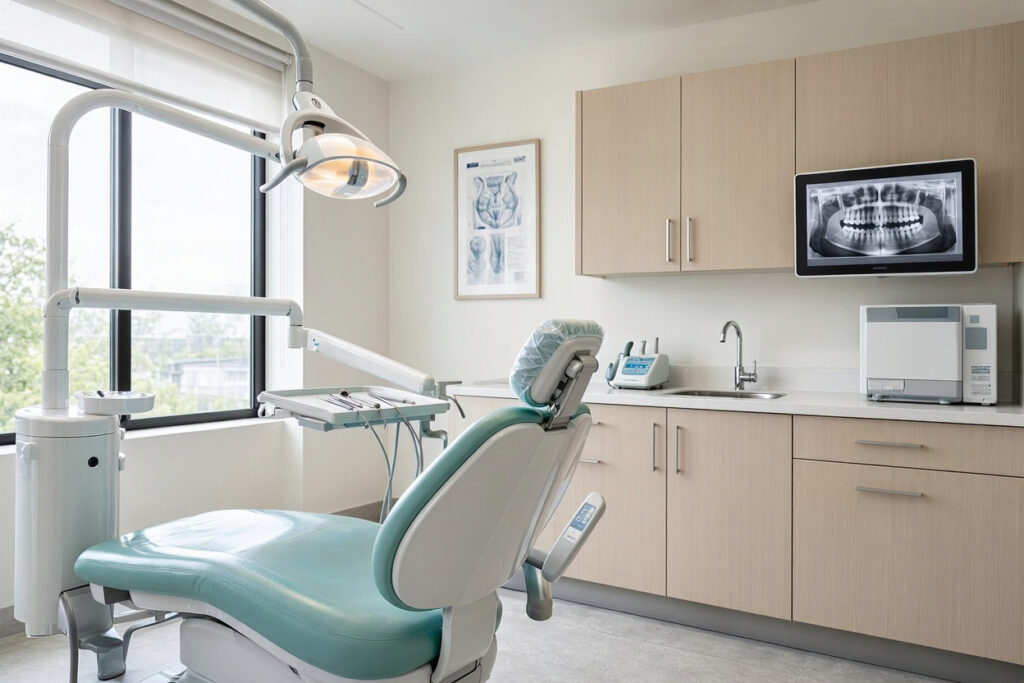
The treatment room is the heart of your practice. It’s where the most critical interactions happen. A poorly designed room can increase patient fear and make your team’s job harder. Conversely, a thoughtful design can improve patient comfort, boost your team’s workflow, and even enhance the overall perception of your clinic. It’s an investment in your practice’s success.
Key Zones of an Efficient Dentist Room
Every dentist room can be broken down into functional zones. Organizing your space this way ensures a smooth workflow and prevents clutter.
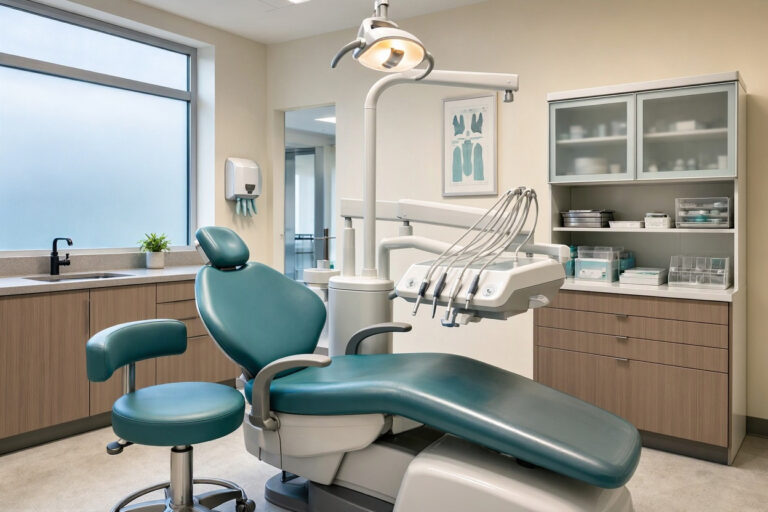
- The Patient Zone: This is the area centered around the dental chair. It includes the chair itself, the overhead light, and the patient’s immediate surroundings. Comfort and accessibility are key here.
- The Operator Zone: This is where the dentist and assistant work. It includes the delivery system (handpieces, suction), the assistant’s stool, and the instrument tray. Everything must be within easy reach.
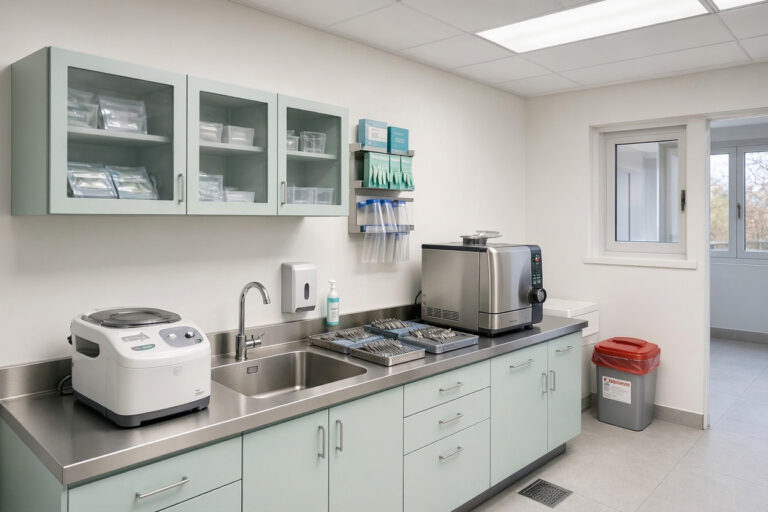
- The Support Zone: This area houses the cabinets, sinks, and sterilization equipment. It should be close enough for efficiency but out of the patient’s direct line of sight to reduce visual clutter.
Designing for Comfort and Calm
A patient’s senses are on high alert in a dental chair. You can use design to send calming signals.
Color Psychology
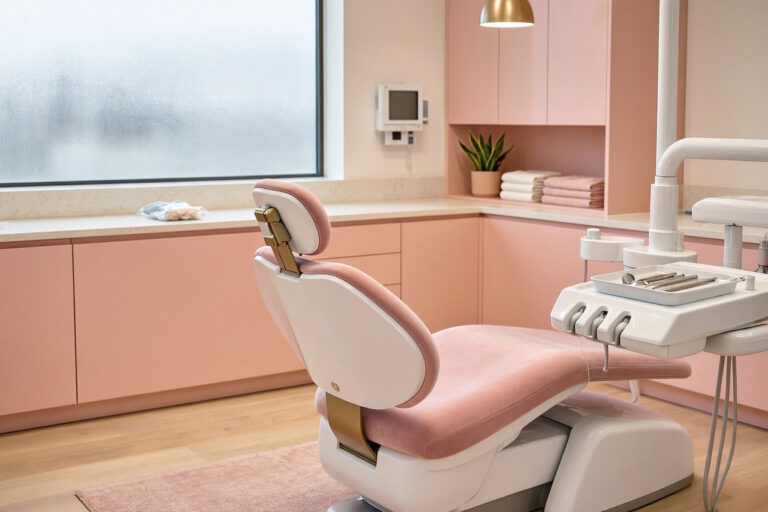
The right color palette can transform a room’s atmosphere. Choose soft, muted tones over harsh, bright colors. Here’s a quick look at some effective choices:
| Color Palette | Effect on Patients | Best For |
|---|---|---|
| Soft Blues & Greens | Promotes calmness, reduces anxiety, and feels clean and natural. | The main treatment room walls. |
| Warm Neutrals (Beige, Taupe) | Creates a cozy, comfortable, and non-clinical feel. | Accent walls or waiting areas. |
| Muted Lavender | Has a soothing, spa-like quality that can help relax nervous patients. | Ceilings or as an accent color. |
Lighting Is Everything
Harsh, fluorescent lighting is a major source of anxiety. Whenever possible, use natural light or install adjustable, warm-toned LED lights. For the overhead dental light, modern LED models are cooler and less glaring. You can also add a dimmer switch to the main room lights to create a more relaxed mood during consultations.
The View from the Chair
What does a patient see when they look up? A blank ceiling can feel intimidating. Consider adding a calming element like a poster of a nature scene or a television screen showing relaxing images. It’s a small touch that can make a big difference.
“We installed a large skylight in one of our treatment rooms, and it became the most requested room by both patients and staff. The natural light completely changed the mood of the space.” – Dr. Evelyn Reed, DDS
The Right Furniture and Equipment
Your equipment choices define the room’s functionality.
The Dental Chair
This is your most important piece of furniture. Look for chairs with ergonomic design that support patient comfort and provide easy access for the dentist. Features like heated massage seats or memory foam padding are becoming popular for enhancing patient experience.
Cabinets and Storage
You need ample, organized storage to keep the room clean and efficient. Opt for cabinetry that matches the room’s aesthetic. Many practices now choose modular dental office cabinets that offer flexibility and a sleek, modern look. Ensure there is a designated place for everything, from instruments to patient records.
The Delivery System
A well-placed delivery system is crucial for ergonomics. It should be easily adjustable for both left- and right-handed operators. This prevents strain on your team and makes procedures faster. As a note, always ensure your equipment is properly maintained and inspected regularly.
Art and Decor That Distracts and Soothes
Decorating a treatment room requires a light touch. The goal is to distract and soothe, not to overstimulate.
- Avoid Busy or Medical Art: Steer clear of graphic anatomical posters or chaotic abstract art. Instead, choose simple, soothing photography of landscapes, flowers, or water.
- Add a Personal Touch: A small, framed photo of a pet or a cheerful quote can humanize the space.
- Keep It Minimal: Clutter creates anxiety. Keep surfaces clear and store personal items out of sight. A simple vase with a single flower or a small, easy-to-care-for plant can bring life to the room without adding clutter.
An FAQ for a Better Dental Room
1. What is the best flooring for a dentist room?
Vinyl or luxury vinyl plank (LVP) flooring is an excellent choice. It’s durable, easy to clean, water-resistant, and comes in a wide variety of designs that can mimic wood or tile. It offers a good balance of practicality and warmth.
2. How can I reduce noise in the treatment room?
Use sound-absorbing materials. Acoustic ceiling tiles and curtains can help. You can also play soft background music to mask the sound of drills and suction. Some modern equipment is designed to be quieter, so consider that when upgrading.
3. Should I include a television in each treatment room?
It’s not essential, but a ceiling-mounted or wall-mounted TV can be a powerful distraction for patients, especially during longer procedures. It’s an investment that can significantly improve the patient experience.
4. How do I make a small dentist room feel bigger?
Use light colors on the walls and ceiling to create an illusion of space. Mirrors can also help. Keep clutter to an absolute minimum and choose furniture with a smaller footprint. You can find more inspiration for a small dental office design here.
Conclusion
Designing the ideal dentist room is a blend of art and science. It requires you to think like a clinician, an interior designer, and most importantly, a patient.
A patient-centric dentist room reduces anxiety and builds trust.
An efficiently organized room improves teamwork and reduces stress.
A well-designed space is a powerful tool for practice growth and patient satisfaction.
Additional Resource: For evidence-based guidelines on infection control and design, visit the CDC’s website on Dental Infection Control. https://www.cdc.gov/oralhealth/infectioncontrol/index.html