Do I Have To Go Under For Dental Implant?
Dental implant surgery is a significant procedure, and many patients have questions about anesthesia. One of the most common concerns is whether they need to be “put under” or receive general anesthesia for the procedure. The answer depends on several factors, including the complexity of the case and patient preference.
This guide explains the anesthesia options for dental implant surgery. You will learn about local anesthesia, sedation options, and general anesthesia, and how to choose the right option for your needs.
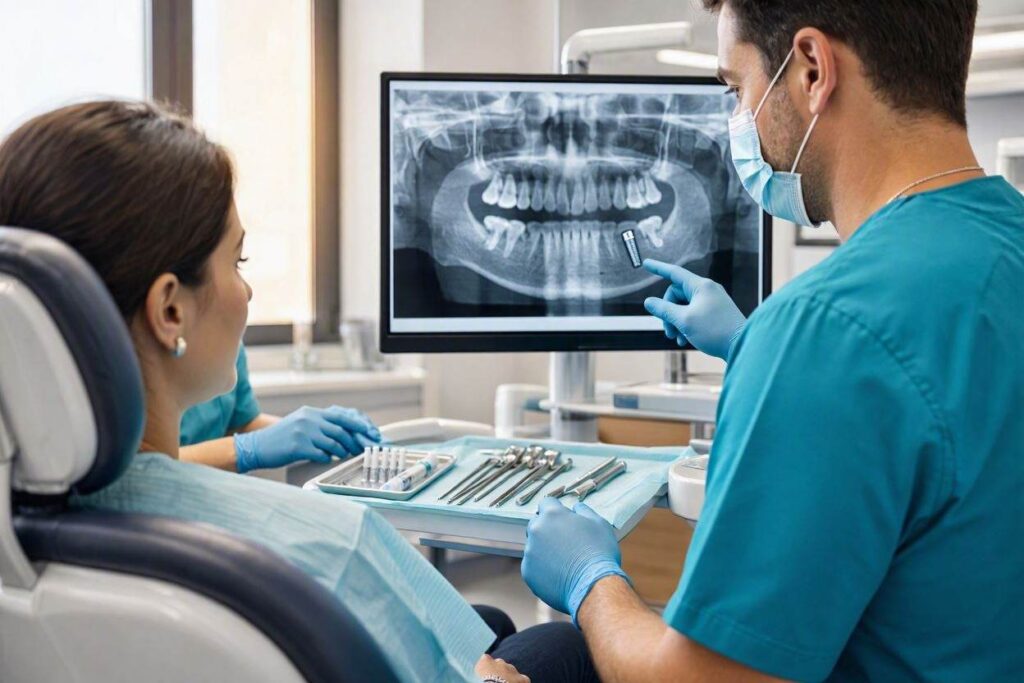
Understanding Anesthesia for Dental Implants
Dental implant placement is a surgical procedure, but it is less invasive than many other surgeries. Most implant procedures can be performed with local anesthesia alone, which numbs the surgical area while you remain awake.
However, some patients prefer additional sedation to reduce anxiety or discomfort. The choice of anesthesia depends on the complexity of the procedure, your anxiety level, and your medical history.
Anesthesia Options for Dental Implants
There are several anesthesia options available for dental implant surgery.
Local Anesthesia
Local anesthesia is the most common option for dental implant placement. The dentist injects a numbing agent into the gum tissue around the surgical site. This completely numbs the area, so you feel no pain during the procedure.
With local anesthesia, you remain fully awake and aware. You may feel pressure or vibration, but not pain. The numbness lasts for several hours after the procedure.
Local anesthesia is included in the cost of the implant surgery. It is the safest option and has the fewest side effects.
Nitrous Oxide Sedation
Nitrous oxide, also known as laughing gas, is a mild sedative that is inhaled through a mask. It helps you feel relaxed and calm during the procedure. You remain awake but less aware of what is happening.
Nitrous oxide is combined with local anesthesia. The effects wear off quickly after the mask is removed. You can drive yourself home after the procedure.
Nitrous oxide costs an additional $50 to $150.
Oral Sedation
Oral sedation involves taking a sedative pill before the procedure. The medication helps you feel relaxed and drowsy. You remain awake but may not remember much of the procedure.
Oral sedation is combined with local anesthesia. The effects last several hours, so you need someone to drive you home.
Oral sedation costs an additional $150 to $300.
IV Sedation
IV sedation, also known as conscious sedation, involves administering sedative medication through an intravenous line. This produces a deeper level of sedation. You are in a twilight state, not fully asleep but deeply relaxed.
IV sedation is combined with local anesthesia. You will not remember the procedure. The effects last several hours, and you need someone to drive you home.
IV sedation costs an additional $300 to $600 per hour.
General Anesthesia
General anesthesia renders you completely unconscious. You are not aware of the procedure and feel no pain. General anesthesia is administered by an anesthesiologist or nurse anesthetist.
General anesthesia is rarely needed for routine dental implant placement. It is reserved for complex cases, patients with severe anxiety, or patients with special needs.
General anesthesia costs an additional $500 to $1,000 or more.
Comparison Table for Anesthesia Options
Here is a quick reference table comparing anesthesia options for dental implants.
| Anesthesia Type | Level of Sedation | Awareness | Cost | Recovery |
|---|---|---|---|---|
| Local Anesthesia | None | Fully awake | Included | Immediate |
| Nitrous Oxide | Mild | Awake but relaxed | $50 – $150 | Immediate |
| Oral Sedation | Moderate | Drowsy | $150 – $300 | Several hours |
| IV Sedation | Deep | Twilight state | $300 – $600 per hour | Several hours |
| General Anesthesia | Complete | Unconscious | $500 – $1,000+ | Several hours |
Do You Need to Go Under for Dental Implants?
The short answer is no. Most dental implant procedures do not require general anesthesia. Local anesthesia alone is sufficient for the majority of cases.
When Local Anesthesia Is Enough
For simple cases involving one or two implants in healthy patients, local anesthesia is usually sufficient. The procedure is not painful, and most patients tolerate it well.
When Sedation Is Recommended
Sedation may be recommended for patients with dental anxiety, a strong gag reflex, or difficulty sitting still. It is also helpful for longer procedures involving multiple implants.
When General Anesthesia Is Necessary
General anesthesia is rarely necessary for dental implants. It may be used for complex cases involving extensive bone grafting, patients with special needs, or patients who cannot tolerate local anesthesia.
Factors That Influence the Choice of Anesthesia
Several factors affect which anesthesia option is best for you.
Complexity of the Procedure
Simple single implant placement can be done with local anesthesia. Multiple implants or full arch restorations may benefit from sedation to make the longer procedure more comfortable.
Anxiety Level
If you have dental anxiety, sedation can help you feel more relaxed. Discuss your anxiety with your dentist before the procedure.
Medical History
Your medical history may affect which anesthesia options are safe for you. Certain conditions may make sedation or general anesthesia riskier.
Personal Preference
Some patients prefer to be completely unaware during the procedure. Others prefer to remain awake and avoid the side effects of sedation.
What to Expect with Local Anesthesia
If you choose local anesthesia, here is what to expect.
Before the Procedure
Your dentist applies a topical numbing gel to the gum tissue. Then they inject the local anesthetic. You may feel a brief pinch, but the area quickly becomes numb.
During the Procedure
You remain awake and aware. You may feel pressure and vibration as the dentist works, but no pain. The procedure typically takes one to two hours per implant.
After the Procedure
The numbness lasts for several hours. You can drive yourself home and resume normal activities, although you should avoid strenuous exercise for a day.
What to Expect with Sedation
If you choose sedation, here is what to expect.
Before the Procedure
You may need to fast for several hours before the procedure if you are having IV sedation or general anesthesia. Arrange for someone to drive you home.
During the Procedure
You feel relaxed and may not remember the procedure. Your vital signs are monitored throughout.
After the Procedure
The sedation effects last several hours. You need someone to drive you home. You should rest for the remainder of the day.
Important Notes for Patients
- Most dental implant procedures do not require general anesthesia.
- Local anesthesia alone is sufficient for many cases.
- Sedation can help with anxiety and longer procedures.
- Discuss your preferences and concerns with your dentist.
- Arrange for transportation if you choose sedation or general anesthesia.
- Follow your dentist’s pre-operative instructions carefully.
Frequently Asked Questions
Do I need to be put to sleep for dental implants?
No, most dental implant procedures do not require general anesthesia. Local anesthesia is usually sufficient.
Can I be awake during dental implant surgery?
Yes, most patients remain awake with local anesthesia. You feel no pain but are aware of the procedure.
Is dental implant surgery painful?
No, the procedure is not painful because the area is numbed with local anesthesia. You may feel pressure but not pain.
What is the best anesthesia for dental implants?
Local anesthesia is the best option for most patients. Sedation can be added for anxiety or longer procedures.
Can I drive myself home after dental implant surgery?
If you have local anesthesia only, you can drive yourself home. If you have sedation, you need someone to drive you.
How long does dental implant surgery take?
The procedure takes one to two hours per implant. Multiple implants or full arch restorations take longer.
Is general anesthesia safe for dental implants?
General anesthesia is safe when administered by a qualified professional. However, it is rarely necessary for dental implants.
What should I do if I am anxious about dental implant surgery?
Discuss your anxiety with your dentist. Sedation options like nitrous oxide or oral sedation can help you feel more relaxed.
Conclusion
You do not need to go under general anesthesia for dental implant surgery in most cases. Local anesthesia is sufficient for the majority of procedures. Sedation options like nitrous oxide, oral sedation, and IV sedation are available for patients with anxiety or for longer procedures. General anesthesia is rarely necessary and reserved for complex cases. Discuss your preferences with your dentist to choose the best option for your needs.
Additional Resource
For more information on dental implant procedures and anesthesia options, visit the American Academy of Implant Dentistry at www.aaid.com. This professional organization offers patient education resources on implant treatment.