Do I Need An Implant After A Bone Graft?
The journey to restoring a missing tooth can sometimes feel like a long and complicated road. When you are told you need a bone graft before you can get a dental implant, it can be disheartening. It feels like an extra step, an extra cost, and an extra delay.
A common question that arises is: “If I go through the trouble of getting a bone graft, do I have to get an implant afterward?”
The answer requires understanding the purpose of the bone graft. A bone graft is not a standalone treatment. It is a preparatory procedure. This guide will explain the relationship between bone grafts and implants, why one is needed for the other, and what happens if you choose not to proceed with the implant.
The Purpose of a Bone Graft
To understand the answer, you must understand why the bone graft is needed in the first place.
When you lose a tooth, the body begins a process called resorption. The jawbone in the area of the missing tooth is no longer being stimulated by the tooth root. The body interprets this lack of stimulation as a signal that the bone is no longer needed. Over time, the bone shrinks (atrophies).
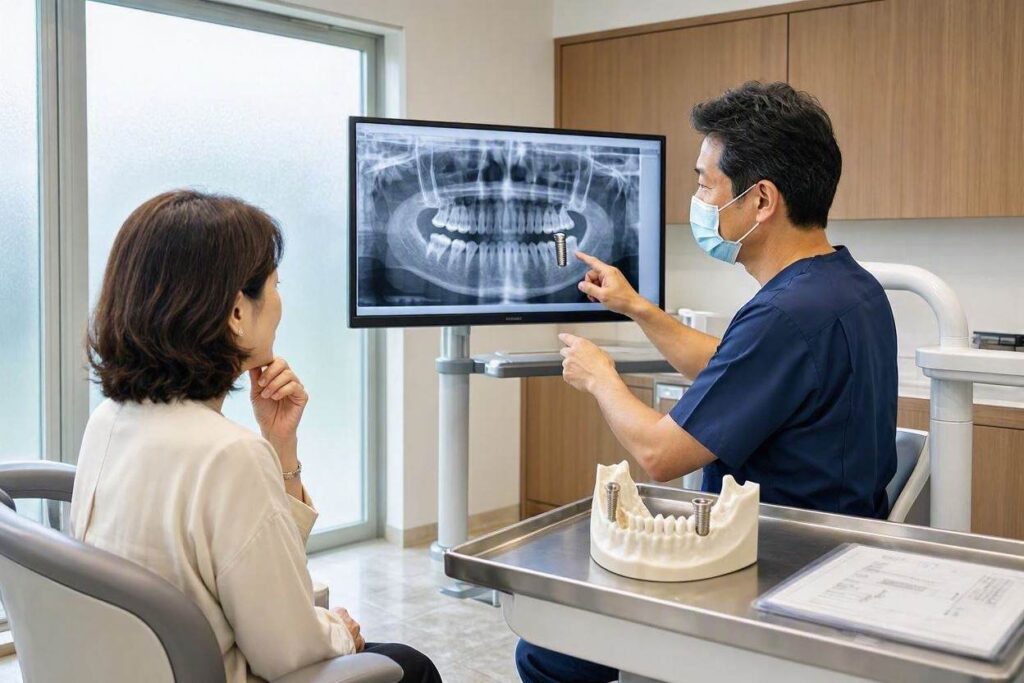
A dental implant is a titanium post that needs a certain amount of bone to hold it securely. It requires height, width, and density. If you have been missing a tooth for a long time, or if you had a traumatic extraction, you may not have enough bone left to support an implant.
A bone graft is a surgical procedure where bone material (from your own body, a donor, an animal source, or a synthetic source) is placed into the area of the missing tooth. This graft material acts as a scaffold. Your body’s own bone cells grow into the graft, replacing it with new, living bone. This process is called bone regeneration. The goal of the graft is to rebuild the lost bone volume so it can support an implant.
The Interdependency: Graft vs. Implant
Here is the core concept: The bone graft is the foundation. The implant is the house.
You would not build a foundation without a plan to build a house on it. The foundation has no purpose on its own. It is a means to an end.
Similarly, a bone graft is not a solution to tooth loss. It does not restore your ability to chew. It does not stop the bone from resorbing long-term on its own. Its sole purpose is to create a suitable site for a dental implant.
Important Note: Once the graft has healed and new bone has formed, that new bone is still vulnerable. If it is not stimulated by an implant (or a natural tooth root), the body will eventually resorb the new bone too. The graft is not a permanent fix on its own; it is a temporary scaffold that must be used.
The Timeline: From Graft to Implant
The sequence is always the same: Graft first, wait for healing, then implant.
1. Bone Graft Surgery
The graft material is placed in the extraction socket or the deficient area of the jaw. The gum is stitched closed.
2. Healing Period (Osseointegration of the Graft)
You must wait for the graft to integrate with your existing bone. This healing period is crucial. If you rush it, the graft may fail.
- Minor Graft (Socket Preservation): 3 to 4 months of healing.
- Major Graft (Block Graft or Sinus Lift): 4 to 9 months of healing.
3. Implant Placement
Once the dentist confirms (usually with a 3D X-ray) that the bone has healed and is sufficient, the implant surgery is performed.
What Happens If You Don’t Get the Implant After the Graft?
This is the critical question. You have the bone graft, but then you decide not to proceed with the implant. What are the consequences?
1. Wasted Investment
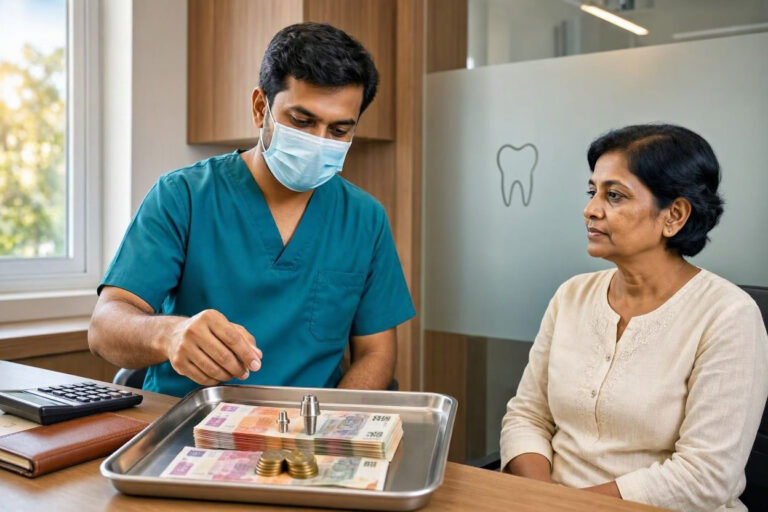
A bone graft is expensive (often $500 to $3,000). If you do not get the implant, you have spent that money on a procedure that has no functional benefit.
2. Bone Loss Returns
This is the most significant consequence. Without the implant to stimulate the new bone, the body will begin the resorption process all over again. The bone you just built up will shrink and disappear. Within a year or two, you will be back to the same bone deficiency you started with.
3. You Still Have a Missing Tooth
The graft does not replace the tooth. You will still have a gap in your smile. The adjacent teeth may shift, and the opposing tooth may drift. You will still need to choose a tooth replacement option (a bridge or a denture).
4. A Bridge is Still Possible
If you decide against an implant, you can still use the bone graft site to support a fixed bridge. However, a bridge requires grinding down the adjacent healthy teeth. It is a different treatment modality.
Are There Alternatives to a Bone Graft?
In some cases, yes. Dental technology is advancing rapidly.
1. Short or Narrow Implants
If your bone is deficient in height, a standard implant may not fit. However, some manufacturers make “short” or “ultra-short” implants that can be placed in areas with limited bone. This can sometimes eliminate the need for a vertical bone graft.
2. Angled Implants (All-on-4 concept)
For patients missing all their teeth, a technique called All-on-4 uses angled implants to avoid areas of poor bone. This often eliminates the need for bone grafting in the back of the jaw.
3. Zygomatic Implants
This is a highly specialized technique. The implant is anchored in the cheekbone (zygoma) instead of the jawbone. It is used for patients with severe bone loss in the upper jaw.
These alternatives are not suitable for everyone. Your surgeon will advise you on the best option for your specific anatomy.
The Bottom Line
A bone graft is an investment in a future implant. It is the first step in a two-part process. While it might be technically possible to stop after the graft, doing so is a waste of money and an unnecessary surgical procedure. The graft will fail without the implant to support it.
If you are unsure about the implant, you should discuss your concerns with your dentist before you agree to the bone graft. You need to be committed to the full journey, or you should not start it.
Conclusion
A bone graft is a preparatory procedure designed for one purpose: to make a dental implant possible. It is not a standalone treatment. If you choose not to get the implant, the graft will eventually resorb, and you will have wasted the time and money. Therefore, if you are planning a bone graft, you should be prepared to follow through with the implant.
Frequently Asked Questions (FAQ)
Q: Can I get a bone graft and an implant at the same time?
A: Sometimes. In cases where the bone deficiency is minor and the implant can achieve good initial stability, a bone graft and implant can be placed simultaneously. However, for major bone loss, the graft must heal first before the implant is placed.
Q: Is a bone graft more painful than an implant?
A: The pain levels are comparable. Both are surgical procedures. Some patients report that the bone graft site is slightly more sore because the tissue is manipulated more, especially if bone is taken from another part of your body (like the chin or hip).
Q: How do I know if my bone graft has failed?
A: Signs of graft failure include persistent pain, swelling, pus, and the graft material becoming exposed in the mouth. In some cases, the graft may simply resorb (disappear) without any symptoms. Regular X-rays are used to monitor the healing of the graft.
Q: Can I smoke after a bone graft?
A: You should absolutely not smoke after a bone graft. Smoking severely impairs blood flow and will dramatically increase the risk of graft failure. Most surgeons will require you to stop smoking for a period before and after the procedure.
Q: Is a bone graft covered by dental insurance?
A: Bone grafting is a surgical procedure. It is usually classified as a “major” service and may be covered at 50% by your dental insurance, subject to your annual maximum. You should get a pre-treatment estimate from your insurance company.
Additional Resource:
To understand the science of bone regeneration in dentistry, you can visit the American Academy of Periodontology (AAP) website: https://www.perio.org/