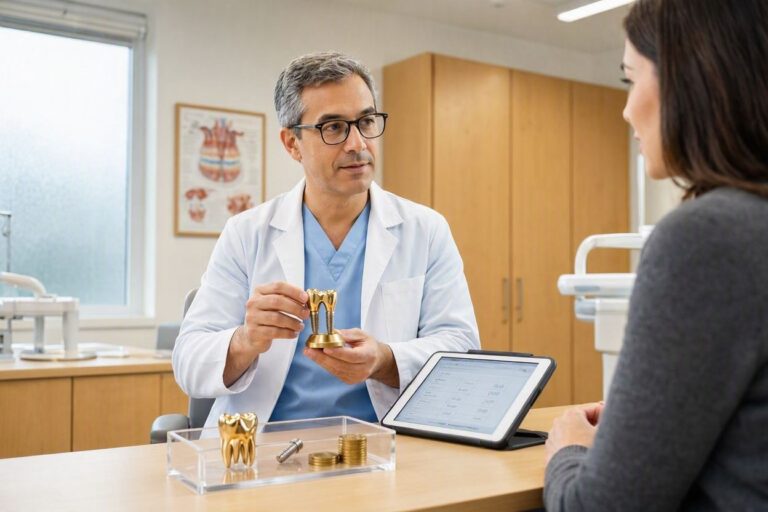
Does Aetna DMO Cover Dental Implants?
Dental insurance terminology can be a labyrinth of acronyms, and understanding what your specific plan covers is the only way to avoid unexpected bills. Aetna is one of the largest dental insurers in the United States, and it offers both DMO (Dental Maintenance Organization) and PPO (Preferred Provider Organization) plans. If you are enrolled in an Aetna DMO plan and are considering dental implants, the short, direct, and overwhelmingly likely answer is that your plan provides little to no coverage for this service.
This article provides a comprehensive, honest, and detailed explanation of how Aetna DMO plans work and their limited relationship with dental implant coverage. You will learn the structural difference between a DMO and a DPPO, why implants are typically excluded, what specific benefits might exist, and the steps you must take to verify your own plan’s details.

The Fundamental Structure of a DMO Plan
To understand why coverage is limited, you must first understand what a DMO plan is at a structural level. An Aetna Dental Maintenance Organization (DMO) plan is a managed care, capitated plan. This is a completely different financial model from a PPO fee-for-service plan.
In a DMO, you select a single Primary Care Dentist (PCD) from a specific network of contracted providers. You must see this assigned dentist for all of your routine care. The dentist is paid a fixed monthly capitation fee by Aetna for each patient assigned to their roster, regardless of whether the patient comes in for a visit. The plan focuses heavily on encouraging regular preventive care—cleanings, exams, and basic procedures—at a very low or no copay to the patient. The goal is to manage oral health cost-effectively through prevention and early intervention.
The corollary of this low-cost, preventive-focused model is that coverage for complex, high-cost, elective, and major restorative procedures is heavily restricted. This is the category into which dental implants fall.
Aetna DMO and Dental Implants: The General Rule
The general, default rule for an Aetna DMO plan is that dental implants are not a covered service. When you review a standard Aetna DMO Schedule of Benefits, you will commonly find that services under the Major Restorative category are either completely excluded or have very high patient copayments. Implants, specifically, are often listed as an excluded service, meaning the plan pays absolutely nothing toward the procedure.
The implant surgery, the abutment, and the implant crown are all typically not covered. If you choose to proceed with an implant, you will be responsible for the full, out-of-pocket fee charged by the specialist, and you may not even have the benefit of a network-negotiated discount because many DMO plans do not contract for these non-covered services.
The Rare Exception: A Specific Implant Rider
The insurance industry is a market of products, and plan offerings can change. Some large employers who self-fund their dental benefits may negotiate a specific, supplemental implant rider with Aetna that can be added to a DMO structure. This would be a highly customized, non-standard plan feature.
If such a rider exists, the benefit will be very specifically defined. It may cover a single implant at a fixed, high copayment amount, or it may provide a discount on the fee schedule of a contracted specialist. This is not a standard feature of an off-the-shelf Aetna DMO plan. You must verify if your specific plan has this.
Comparing DMO to Aetna DPPO Coverage
The contrast with an Aetna Dental PPO plan is stark and explains why many patients who want implants choose a different plan type. An Aetna DPPO (Dental Preferred Provider Organization) plan operates on a fee-for-service basis. You can see any dentist, but you get the highest benefit by staying in the network.
In a mid-level or high-option Aetna DPPO plan, dental implants are often classified as a Major Restorative service. The plan will cover a percentage of the allowed amount for the procedure, typically 40% to 50%, after you have met your annual deductible. The plan will also have an annual maximum benefit cap, often $1,500 or $2,500. While this still leaves a significant patient co-pay, it is a defined insurance benefit. The DMO plan generally offers no such percentage-based benefit for the implant.
The Role of the Implant Specialist in a DMO
A DMO plan functions on a gatekeeper model. If you need to see a specialist, like an oral surgeon for an implant, your Primary Care Dentist must submit a written referral for that specific treatment. The specialist must be a contracted provider within the Aetna DMO specialty network.
The fact that a referral is required and can be generated should not be interpreted to mean the service is covered. The referral is an administrative requirement to see a network specialist. The claim from the specialist will be submitted, and Aetna will adjudicate it based on your plan’s Schedule of Benefits. If implants are an excluded service, the claim will be denied, and the patient will be fully responsible for the specialist’s fee.
The Definitive Way to Know Your Specific Coverage
Guessing or relying on word-of-mouth is financially dangerous. There is only one correct process to determine your exact coverage.
- Log into Your Aetna Member Portal: Access your secure member website account.
- Review Your Schedule of Benefits: This is the official, legally binding document that lists every covered service code and the patient copayment for each. You must look under the Major Services or Implant Services section for any mention of “Endosteal Implant” or “Implant Supported Crown.”
- Request a Pre-Treatment Estimate (Pre-Authorization): The implant specialist’s office should submit a formal pre-treatment estimate to Aetna DMO. This includes the proposed procedure codes and the clinical narrative. Aetna will issue a written response that states exactly what will be covered and your exact financial responsibility before you commit to the procedure. This is the most reliable step.
Conclusion
An Aetna DMO plan typically does not cover dental implants. As a capitated, managed care plan focused on preventive and basic services, it generally excludes the complex surgical and restorative procedures of implant dentistry. A standard DMO Schedule of Benefits will list implants as a non-covered service, leaving the patient with the full financial responsibility. The only path to a definitive answer for your specific plan is to review your official Schedule of Benefits and submit a pre-treatment estimate to Aetna for a written, binding cost determination.
FAQ
1. Is there any Aetna DMO plan that pays for implants?
Only in very rare, customized cases where a large employer has purchased a specific implant rider. A standard, individual Aetna DMO plan will not cover implants.
2. What is the difference between an Aetna DMO and a DPPO for implants?
An Aetna DPPO plan typically covers a percentage (40-50%) of the allowed charge for an implant as a Major service, while a DMO plan generally excludes the service entirely.
3. Do I still need a referral from my DMO dentist to see a surgeon for a non-covered implant?
Yes. The DMO requires a written referral for you to see any specialist in the network, even if the service is ultimately not covered.
4. If implants are not covered, can I still get a network discount?
Not typically. A DMO plan with an excluded service does not provide a contracted rate for that service. You pay the specialist’s full fee.
5. How can I be absolutely sure of my coverage?
By having your implant surgeon submit a pre-treatment authorization to Aetna and receiving the response in writing before you begin any treatment.
Additional Resource
To access your specific plan documents, your Schedule of Benefits, and the provider network, log into your secure member portal on the official Aetna website.