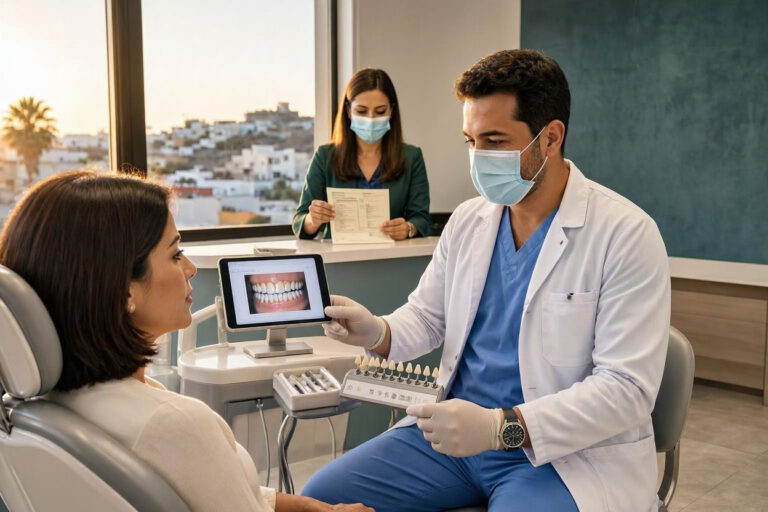
Does Whitening Your Teeth Make Them Weak?
A bright, white smile often tops the list of desired beauty improvements. But a lingering question holds many people back from treatment. You might stare at a box of whitening strips or browse professional treatments and wonder: does the pursuit of a sparkling smile come at a cost? Specifically, does whitening your teeth make them weak?
The short answer is no, when performed correctly, professional or clinically tested at-home whitening does not weaken the structural integrity of your teeth. However, the internet is rife with horror stories about enamel erosion and brittle teeth. These fears often stem from misunderstandings about how whitening works versus how tooth decay works. Understanding the difference is critical for making an informed decision.
This comprehensive guide dives deep into the anatomy of a tooth, the chemistry of whitening agents, and the temporary side effects that people often mistake for permanent weakness. We will separate marketing hype from biological reality, giving you a clear roadmap to a whiter smile that remains strong and healthy.
Understanding Your Tooth Structure: It’s Not Just a Solid Bone
To grasp why whitening doesn’t cause weakness, you must first understand that your tooth is not a uniform, dead piece of material. It is a complex, layered living tissue. Simplifying the anatomy, we can break it down into three primary layers:
- Enamel: The outermost layer. It is the hardest, most mineralized substance in the human body, composed almost entirely of calcium phosphate crystals (hydroxyapatite). Enamel contains no living cells, which is why it cannot regenerate or heal itself if it wears away. It serves as a rigid, protective shell.
- Dentin: The layer directly beneath the enamel. This tissue is porous and consists of microscopic tubules filled with fluid and tiny cellular extensions connecting back to the nerve. Dentin is naturally yellowish in color and softer than enamel, but it provides a cushioning support structure.
- The Pulp: The innermost chamber containing blood vessels, nerves, and connective tissue. When you feel tooth sensitivity, the sensation originates from the nerve within the pulp, triggered by fluid movement in the dentinal tubules.
Weakness implies a permanent structural failure—a loss of mineral density that leads to irreparable damage, bending, or fracturing. True enamel weakness comes from acid erosion (demineralization) caused by bacteria digesting sugar, or from chronic exposure to highly acidic beverages like lemon juice and soda. Whitening works on a completely different mechanism.
The Chemistry of Whitening: Oxidation, Not Erosion
The fear that whitening agents “strip away” enamel layers is the foundation of the weakness myth. The reality is a chemical process called oxidation. The active ingredients in virtually all effective whitening products are either hydrogen peroxide or carbamide peroxide (which breaks down into hydrogen peroxide).
Here is the crucial distinction:
- Acid Erosion: Acids dissolve the mineral structure, softening and literally washing away layers of enamel.
- Oxidation: Hydrogen peroxide breaks down into water, oxygen, and highly reactive free radicals (reactive oxygen species). These molecules are tiny and mobile. They penetrate the microscopic pores of the enamel to reach the pigmented stain molecules within the dentin layer.
Think of it like this: if you have a stained white ceramic mug, acid erosion would be like scratching the surface off with sandpaper. Whitening is like pouring a bleaching agent inside that breaks down the coffee stains without altering the ceramic structure itself. The peroxide bypasses the mineral structure, targets the chromophores (stain molecules), breaks their double chemical bonds, and turns them into molecules that scatter light differently, making the tooth appear whiter.
The enamel’s mineral scaffolding remains intact. Because the structure is not dissolved, the mechanical strength and load-bearing capacity of the tooth do not change. A whitened tooth can bite and chew with the same force as an unwhitened tooth.
Temporary Side Effects: Why People Confuse Sensitivity with Weakness
If the tooth remains structurally strong, why does it sometimes feel fragile or sensitive after whitening? This is the crux of the misunderstanding. The feeling of sensitivity is a transient physiological nerve response, not a sign of structural collapse.
The Hydrogen Peroxide Pathway
Even though the enamel structure stays intact, the free radical oxygen molecules are small enough to travel through the microscopic spaces between enamel rods. They can eventually reach the dentin layer and, in high concentrations or with prolonged exposure, diffuse all the way to the pulp chamber. When the peroxide contacts the nerve tissue inside the pulp, it causes a temporary, mild inflammatory response. This is known as pulpitis.
The nerve becomes temporarily hyper-reactive. A sip of cold water or a breath of air causes a sharp, zinging sensation because the nerve is already in a heightened state of alert. This sensation mimics the feeling of a tooth weakened by a cavity, but the mechanism is entirely different. Once you stop the whitening treatment, the free radicals dissipate, the inflammation subsides, and the nerve returns to its normal resting state. No structural strength is lost during this process.
Dehydration: The Optical Illusion
Another temporary effect that feeds the “weakness” myth is dehydration. Whitening procedures, especially in-office laser or light-accelerated treatments, temporarily dry out the teeth. A hydrated tooth has a certain translucent, elastic quality. A dehydrated tooth reflects light differently, appearing much whiter—often called a “hyper-white” or “chalky” look.
This chalky appearance can look alarmingly brittle. Patients sometimes panic, believing the enamel has been irreversibly bleached and desiccated into a fragile shell. This is an illusion. Within 24 to 48 hours, the tooth rehydrates with minerals from saliva, the natural color stabilizes, and the normal elasticity returns.
Deconstructing the “Enamel Damage” Studies
Vocal critics often point to small-scale studies that show changes in enamel surface topography under an electron microscope after whitening. It is true that peroxide can cause a slight increase in surface roughness at the micrometer level. However, we must put this into a realistic context.
- Saliva’s Healing Role: Human saliva is a super-saturated calcium and phosphate solution. It acts as the body’s natural remineralizing agent. Any microscopic surface roughness created by neutral pH peroxide gel is quickly smoothed over by the precipitation of salivary proteins and minerals. This is precisely why modern whitening products often include amorphous calcium phosphate (ACP), casein phosphopeptide-amorphous calcium phosphate (CPP-ACP), or nano-hydroxyapatite.
- Comparison to Everyday Damage: The micro-hardness changes induced by whitening agents are often comparable to or less than the demineralization caused by drinking a can of orange juice or a carbonated soda. We don’t generally consider teeth weak after breakfast, yet a fizzy drink creates an acid bath that temporarily softens enamel. The key differentiator is pH.
- The Critical Role of pH: The most dangerous products are not those with peroxide. They are unregulated, acidic “whitening” gels sold online or at pop-up kiosks. If a whitening product has a low pH (acidic) to keep the peroxide stable, or if it contains harsh acids like citric acid as a “booster,” it can and will erode enamel. In these cases, the damage comes from the acid, not the peroxide. Regulated products are heavily buffered to a near-neutral pH (around 6.0 to 7.0) to prevent demineralization.
Comparative Table: Weakening Agents vs. Whitening Agents
To clearly visualize the difference, this table compares the actions of things that truly weaken teeth against the mechanisms of proper whitening.
| Factor | True Enamel Weakening (Erosion/Caries) | Professional/Regulated Whitening |
|---|---|---|
| Primary Mechanism | Demineralization (Acid dissolving minerals). | Oxidation (Oxygen breaking stain bonds). |
| Net Effect on Structure | Net loss of enamel volume and density. | No loss of volume; temporary protein removal. |
| Root Cause | Bacterial acid (sugar + plaque) or dietary acid. | Hydrogen peroxide or carbamide peroxide. |
| pH Environment | Low pH (typically <5.5, critical pH for enamel). | Near-neutral pH (buffered, typically 6.0–7.5). |
| Reversibility | Irreversible without a dentist’s intervention. | Reversible (tissue remineralizes via saliva). |
| Final Result | Cavity, crater, thin, flexible, breakable tooth. | A whiter, structurally intact tooth. |
Overuse and Abuse: The Real Danger
So, whitening itself doesn’t make teeth weak. But human behavior can. The principle of “more is better” is the enemy of dental health. When patients ignore instructions and overuse products, they invite problems that can lead to structural degradation.
The “No-Days-Off” Syndrome
If you wear whitening trays for 4 hours a day as instructed, the pulp inflammation is mild and temporary. If you wear them overnight, every night, for a month, the constant, low-grade inflammation of the pulp can overwhelm the tooth’s repair capacity. Chronically irritated pulp doesn’t bounce back; it can eventually necrose (die), leading to the need for a root canal. A non-vital tooth is inherently more brittle and prone to fracture, thus “weak.”
Bleachorexia
This term describes an obsession with whitening beyond normal bounds. Individuals chase an impossibly white shade, using multiple products simultaneously—strips in the morning, a gel pen at lunch, and heavy-duty trays at night. This constant chemical assault strips the enamel of its organic protein matrix. The enamel can become dehydrated, chalky, and critically, the bond between the enamel and dentin can weaken. Over time, the enamel can shear off in sheets (abfraction), exposing the soft dentin underneath.
Product Misuse
The most significant risk comes from unregulated, extremely high-concentration peroxide gels. Gels above 40% hydrogen peroxide are meant for in-office professional use only, with careful gingival barrier protection. Using these on your own can cause severe chemical burns to the gums and blister the epithelial attachment. The tooth itself, overwhelmed by a tidal wave of free radicals, can undergo internal resorption or cementum damage at the root level, compromising its connection to the bone.
How to Whiten Aggressively While Keeping Teeth Strong
The goal is to satisfy your aesthetic desire for whiteness while confirming your biological need for strength. This requires a strategy that prioritizes barrier protection and remineralization.
Step 1: Strengthen Before You Whiten
Two weeks before starting your whitening cycle, switch to a remineralizing toothpaste. Look for active ingredients like nano-hydroxyapatite (n-Ha) or fluoride. These materials integrate into the surface of the enamel, filling microscopic defects and building a robust mineral reserve. It’s like conditioning leather before polishing it.
Step 2: Choose Buffered, Low-Viscosity Gels
Do not buy acidic whitening agents. If you are using custom trays, select a carbamide peroxide gel (10-16%) or hydrogen peroxide (6-10%) that is specifically marketed as “neutral pH” or “buffered.” The gel should feel slimy, not sour. A thicker, glycerin-based gel can also help by reducing the oxygen flow directly into the dentin tubules without blocking the stain-lifting action.
Step 3: Implement the “Sandwich” Technique for Trays
A common mistake is overloading the tray, which pushes acidic gel onto the gums and deep into the crevice. Place a tiny, rice-sized droplet of gel on the front (facial) surface of the tray only. Before inserting the tray, dab a desensitizing gel containing potassium nitrate or fluoride directly onto the tooth surfaces. This creates a “sandwich”: a desensitizer inside, a whitening gel outside. The potassium nitrate travels down the tubules and calms the nerve before the peroxide arrives.
Step 4: Respect the Cycle
Do not whiten continuously for months. The body needs time to clear the inflammatory response. A standard safe protocol is a 10- to 14-day treatment cycle. At the first sign of zinging sensitivity or a translucent edge on the incisors, stop immediately. Switch to just the desensitizing gel for two nights. Do not push through the pain. Pain is the signal that the pulp is struggling, not a sign of “the product working.”
Step 5: Post-Whitening Remineralization
Immediately after removing trays or strips, do not brush your teeth with an abrasive toothpaste. The enamel surface is temporarily “clean” and slightly porous. Rinse with a remineralizing mouthwash (no alcohol) or, even better, with milk. Milk contains casein, calcium, and phosphate, which rapidly bind to the enamel surface and reduce surface micro-hardness loss. Avoid dark-colored foods, but more importantly, avoid acidic foods for 2 hours to let the pH rebound.
Special Considerations: Restorations and Enamel Defects
It is critical to understand that hydrogen peroxide has zero effect on the mineral structure, but it has a powerful effect on the adhesive interface of dental restorations. If your teeth are already “weak” due to large fillings, crowns, or veneers, whitening introduces a risk factor unrelated to the natural tooth structure.
Amalgam Fillings: Silver fillings do not bond to teeth; they are mechanically locked in. The oxidation process can release mercury ions from the surface of the amalgam and can also microscopically corrode the interface, potentially accelerating leakage.
Composite Bonding: The resin matrix of white fillings absorbs oxygen. Peroxide degrades the silane bond between the resin and the tooth. If you whiten aggressively around a large front-tooth composite, the edges may look whiter and chalky, and the bond will weaken, potentially causing the filling to debond earlier than expected.
The rule of thumb: whiten your natural teeth to the desired shade first, wait two weeks for the residual oxygen to leave the tooth structure (as oxygen inhibits bonding), and then replace any old, dark crowns or bonding. This ensures the new restorations match your new tooth color and bond to a stable, non-oxidized surface.
The Emotional Psychology of “Weakness”
Sometimes, the fear of weak teeth is a manifestation of a sensory shift. Our brain is accustomed to the “squeaky clean” feel of brushed enamel. Whitened teeth, especially when dehydrated, feel “sticky” or “grabby” to the tongue. Without the familiar slick biofilm coating the surface, the teeth can feel foreign.
Patients will press on their teeth with their fingers, feeling for movement. The anxiety itself creates a phantom sensation of looseness. In 99% of cases, a dental examination with a bite test and a percussion test shows no clinical mobility. The tooth is perfectly anchored in bone. The brain is simply interpreting the lack of normal surface friction as a structural defect. Recognizing this mind-body disconnect helps patients tolerate the 48-hour period until the teeth feel normal again.
Setting Realistic Whitening Limits
A tooth has a natural maximum whiteness limit. That limit is determined by the color of the dentin. Once you have oxidized all the stain molecules within the dentin, the tooth will not get whiter. This is the “whitening plateau.” If you continue to apply peroxide after hitting the plateau, you are no longer breaking down stains; you are simply sustaining an inflammatory assault on the pulp with zero cosmetic benefit.
How to identify your limit: Compare your teeth to the whites of your eyes. The tooth shade that matches the sclera (white of the eye) naturally looks vibrant and healthy. If you try to bleach teeth beyond this point, they take on a blueish-white, translucent, “Chiclet” appearance. This is a sign of over-bleaching and chronic dehydration. At this stage, the enamel isn’t structurally broken, but you have stripped it of its organic vital appearance. Pulling back and allowing natural rehydration restores the healthy optical density.
Conclusion
- True structural weakness comes from acid erosion and decay, not from the oxidation process used in teeth whitening. The mineral scaffolding of the enamel remains intact during properly buffered peroxide treatments.
- The sensation of sensitivity is a temporary, reversible nerve inflammation (pulpitis) within the tooth’s pulp, not a sign that the tooth has lost its mechanical strength or load-bearing capacity.
- Maintaining strength requires focusing on neutral-pH products, respecting treatment cycles, and supporting the teeth with remineralizing agents before and after whitening to restore any transient micro-roughness.
Frequently Asked Questions
Can teeth whitening cause my teeth to chip or crack?
No. The peroxide chemistry does not alter the mineral density of enamel in a way that causes fractures. If a tooth chips during a whitening cycle, it was likely already cracked or severely decayed, and the whitening fluid may have dehydrated the crack line, making it more visible, but not causing the structural failure.
How long does it take for enamel to remineralize after whitening?
Surface softening, if any occurred under acidic conditions, is reversed by saliva within a few hours. The complete resolution of the microscopic protein loss in the enamel matrix typically takes 24 to 48 hours with normal salivation and good oral hygiene. Using a remineralizing paste speeds this up significantly.
Does LED light whitening make teeth weaker than gel alone?
LED or laser lights do not change the chemical mechanism of peroxide. They merely accelerate the breakdown of peroxide via heat or light energy. The risk of weakness comes from the heat potentially causing intrapulpal thermal stress or severe dehydration, not from a change in the structural integrity of the enamel. If the heat is excessive, it can cause more intense temporary sensitivity.
Why do my teeth look see-through at the edges if they aren’t weak?
The biting edges of incisors are naturally composed only of enamel without the yellow dentin backing. This area is always translucent. Whitening clears the organic stains from the enamel, making the natural translucency of the biting edge more dramatic and noticeable. This is a cosmetic optical effect, not a loss of tooth structure.
Are natural whitening methods like charcoal weaker on the teeth structure?
Contrary to the “natural is safe” fallacy, some natural methods are much worse for tooth strength than peroxide. Charcoal toothpaste is often highly abrasive and can score and permanently wear away enamel through mechanical friction. Peroxide gels are chemically active but physically non-abrasive, making them safer for the enamel’s thickness.
Disclaimer: This article is for informational and educational purposes only and does not constitute medical or dental advice. You should always consult with a qualified dental professional before beginning any teeth whitening treatment to ensure it is appropriate for your specific oral health condition.