How Much Are Micro Dental Implants? A Complete Cost and Value Guide
A patient with a loose lower denture hears about a less invasive solution. Instead of conventional implants requiring substantial bone, the dentist mentions micro dental implants. These narrower, smaller-diameter devices promise stabilization of dentures with a quicker, less expensive procedure. The patient’s first question is predictable: How much do they cost?
Micro dental implants occupy a distinct niche in implant dentistry. Their cost structure differs from conventional implants, and understanding the value proposition requires a clear look at what they are, how they are placed, what they cost in total, and how they compare to the alternatives. This guide delivers a thorough, honest examination of micro dental implant costs.
Defining Micro Dental Implants
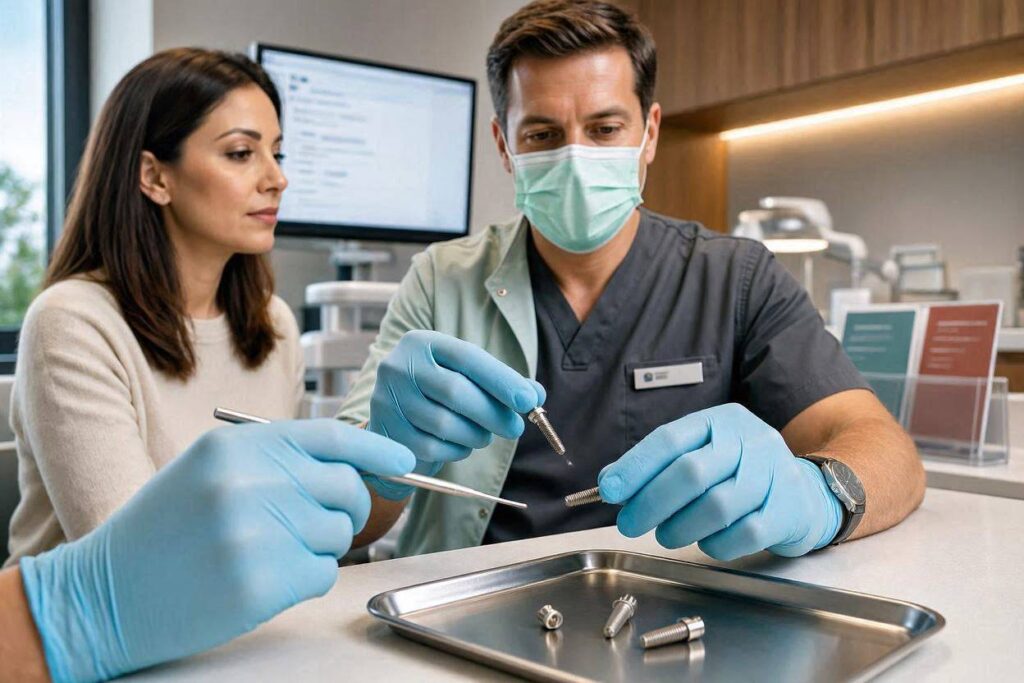
The term “micro” or “mini” dental implant refers to a one-piece implant with a diameter less than 3 millimeters. Conventional implants typically range from 3.5 to 6 millimeters in diameter. The reduced size allows placement in narrower bone ridges without bone grafting. It also permits a less invasive surgical protocol, often without flap elevation.
The One-Piece Design
A micro dental implant consists of a single piece of titanium alloy. The apical portion, which goes into the bone, has threads like a conventional implant. The coronal portion protrudes through the gum and has a ball-shaped or O-ring attachment head. There is no separate abutment and no abutment screw. The crown, bridge, or denture attaches directly onto this head.
Primary Clinical Application
Micro implants are used predominantly to stabilize removable dentures, especially lower dentures. The ball heads snap into corresponding O-ring housings embedded in the denture base. The result is a denture that clicks securely into place, eliminating embarrassing movement during eating and speaking. Micro implants are less commonly used for single-tooth replacement, though they can be in specific situations with low occlusal forces and adequate bone.
The Cost Breakdown of Micro Dental Implants
The total cost of a micro implant procedure is generally lower than that of a conventional implant, but the breakdown reveals why.
The Implant Fixture Cost
Micro dental implants are manufactured using less material and a simpler production process than conventional implants. They are machined from titanium alloy bar stock. They do not have the complex internal connection geometry of a two-piece implant. The manufacturer’s cost is lower, and the dentist’s purchase price is correspondingly lower. A micro implant fixture may cost the dentist one-third to one-half the price of a conventional implant fixture.
The Surgical Placement Fee
Placement of a micro implant is less invasive. The dentist often uses a flapless technique, pushing the implant through the gum directly into the bone without incisions or sutures. The surgical time is shorter, often 30 to 60 minutes for multiple implants. The reduced surgical complexity translates to a lower surgical fee compared to conventional implant placement, which may involve flap surgery, multiple drilling sequences, and suturing.
The Prosthetic Fee
For denture stabilization, the prosthetic fee involves retrofitting the existing denture or fabricating a new denture with the corresponding O-ring housings. Retrofitting an existing denture costs less than making a new one. The lab fee for incorporating housings into a denture is relatively modest. The total prosthetic fee depends on whether the patient needs a new denture or can use their current one.
Absence of Abutment Cost
Because micro implants are one-piece designs with the attachment head integral to the implant, there is no separate abutment fee. This eliminates a component cost entirely.
Diagnostic Costs
A cone-beam CT scan is still recommended to assess bone volume and avoid vital structures, though some clinicians place micro implants using only periapical or panoramic radiographs. The diagnostic imaging cost may be lower or the same, depending on the clinician’s protocol.
Total Cost Range for Micro Dental Implants
What does the patient pay?
Per-Implant Cost
A single micro dental implant, including the fixture and surgical placement, typically costs between five hundred and one thousand five hundred dollars. This is the surgical fee alone, without the denture or prosthetic component.
Full Lower Denture Stabilization Package
The most common micro implant scenario involves placing two to four micro implants in the lower jaw to stabilize a denture. The total package, including all implants, surgical placement, and retrofitting the existing denture with O-ring housings, typically ranges from three thousand to seven thousand dollars. If a new denture is needed, the total cost increases by the denture fee, adding approximately one thousand five hundred to three thousand dollars.
Comparison to Conventional Implant Overdentures
A conventional two-implant overdenture in the lower jaw typically costs between eight thousand and fifteen thousand dollars or more, including the implants, abutments with attachments, surgical placement, and a new denture. Micro implant stabilization costs approximately half, sometimes less, of the conventional alternative.
Table: Micro Implant Cost Comparison
| Procedure | Micro Implants (Typical Cost) | Conventional Implants (Typical Cost) |
|---|---|---|
| Single implant fixture and placement | $500 – $1,500 | $1,500 – $3,500 |
| Two implants to stabilize lower denture (implants + surgery) | $1,500 – $3,000 | $3,000 – $7,000 |
| Four implants for lower overdenture (implants + surgery) | $3,000 – $6,000 | $6,000 – $12,000 |
| Retrofitting existing denture with housings | $500 – $1,500 | $1,000 – $2,500 |
| New denture (if needed) | $1,500 – $3,000 | $1,500 – $3,000 |
| Total lower overdenture package | $3,000 – $7,000 | $8,000 – $15,000+ |
These ranges are illustrative for the United States market. Actual costs vary.
Factors Influencing Micro Implant Costs
Several variables push the final price higher or lower.
Number of Implants Placed
Denture stabilization requires at least two micro implants, but four provide greater stability and redundancy. Each additional implant adds to the total surgical and fixture cost. The marginal cost per additional implant is relatively low compared to conventional implants.
Type of Denture
Retrofitting an existing denture is the most economical prosthetic option. If the denture is old, worn, or poorly fitting, a new denture is recommended. A premium denture with higher-quality teeth and better esthetics costs more.
Geographic Location and Provider Type
As with all dental procedures, costs vary by region. Urban coastal areas command higher fees. A prosthodontist or oral surgeon typically charges more than a general dentist, though micro implants are more commonly placed by general dentists who have undergone training.
Need for Extractions
If the patient has failing teeth that need removal before implant placement, extraction fees add to the total. Full-mouth extractions can add significant cost.
Sedation Needs
Micro implant surgery is less invasive and often performed with local anesthesia alone. Some anxious patients opt for sedation, which adds an additional fee.
The Value Proposition: What Lower Cost Buys and Does Not Buy
Micro dental implants offer a lower-cost entry point into implant dentistry. This lower cost comes with trade-offs.
Advantages That Justify the Lower Cost
Reduced surgical trauma: Flapless placement means less postoperative pain, swelling, and bleeding. Recovery is faster.
No bone grafting: The narrow diameter allows placement in ridges too thin for conventional implants, avoiding the cost and healing time of bone grafting.
Immediate loading in many cases: The denture is often retrofitted and snapped onto the implants the same day.
Accessibility: The lower cost makes implant stabilization available to patients on fixed incomes who could not afford conventional implant overdentures.
Limitations That Define the Lower Cost
Reduced long-term durability: Micro implants have a narrower diameter and inherently less strength. They are more susceptible to fracture under heavy loads. Survival rates are lower than conventional implants over ten to fifteen years.
Limited application: Micro implants are designed for denture retention, not for supporting single crowns or fixed bridges in most situations. Using a micro implant to replace a molar is not recommended.
Potential for more frequent maintenance: The O-ring attachments wear over time and need periodic replacement, typically every one to two years. This is an ongoing maintenance cost.
Not suitable for all bone: While micro implants can be placed in thin ridges, they still require adequate bone height and density. Severely resorbed ridges may not support even a micro implant.
The Long-Term Cost Perspective
A conventional two-implant overdenture has a higher initial cost but a longer track record of longevity. The implants rarely fracture. The attachments are durable. A micro implant overdenture may require replacement of failed implants or more frequent attachment changes over a patient’s lifetime. The total lifetime cost difference may be less than the initial cost difference suggests.
Who Is a Good Candidate for Micro Implants?
Candidacy determines whether the lower cost is even relevant.
The Ideal Candidate
- A patient with a loose lower denture who cannot afford conventional implant treatment.
- A patient with a thin mandibular ridge who wishes to avoid bone grafting.
- A patient with medical conditions that make more invasive surgery risky.
- A patient who understands the limitations and accepts the maintenance requirements.
Who Should Consider Saving for Conventional Implants Instead
- A patient who desires a fixed, non-removable prosthesis.
- A patient who clenches or grinds heavily.
- A patient replacing a single posterior tooth that will bear heavy chewing forces.
- A young patient who will need the implants to last for many decades.
Micro Implants for Single Tooth Replacement
Though less common, micro implants can be used for single-tooth replacement in specific circumstances.
When It Might Work
A micro implant replacing a mandibular incisor or a maxillary lateral incisor, where the space is small and the occlusal forces are low. The cost for a single micro implant and crown, if done, might range from one thousand five hundred to three thousand dollars, significantly less than a conventional single implant and crown. However, many implant dentists advise against this application due to the higher fracture risk and the lack of a prosthetic platform that allows for a properly contoured emergence profile.
The Crown Attachment Challenge
Micro implant heads are small. Cementing a crown onto a micro implant head does not allow for the same biological width and emergence profile as a conventional implant abutment. The result may be a crown that looks bulky or sits on the gum without a natural contour. The esthetic outcome in the anterior zone is often compromised.
Insurance and Financing for Micro Implants
Payment options matter as much as cost.
Dental Insurance Coverage
Dental insurance plans that cover implants generally cover micro implants at a similar level to conventional implants, though the lower fee means the dollar benefit may be smaller. Some plans classify micro implants as a separate category with different coverage. The patient must verify their specific plan’s language. Plans with missing tooth clauses or waiting periods apply equally.
Medical Insurance
Medical insurance rarely covers micro dental implants. The procedure is almost exclusively dental in nature.
Financing
The lower total cost makes micro implants more accessible, but financing is still available. Third-party healthcare financing companies offer payment plans. Many dentists offer in-house plans for the lower dollar amounts involved.
The Procedure and What Patients Pay For
Understanding the steps clarifies what the fee covers.
Consultation and Imaging
The dentist evaluates the patient’s medical and dental history, examines the mouth, and takes imaging. A treatment plan with cost estimate is provided.
Implant Placement Appointment
Local anesthesia is administered. The dentist locates the implant sites, often using a surgical guide derived from the CB-CT or a simple template. The micro implants are threaded through the gum into the bone using a handheld driver or a slow-speed handpiece. The attachment heads remain exposed above the gum. The procedure for four implants takes about an hour.
Denture Retrofit
The dentist takes an impression or uses a chairside pick-up technique to transfer the implant positions to the denture. The denture is sent to the lab or modified in the office with the O-ring housings. The patient leaves with a stabilized denture, often the same day.
Follow-Up and Maintenance
The patient returns for a postoperative check. The dentist evaluates healing and occlusion. Ongoing maintenance includes replacement of the O-rings as they wear, typically an inexpensive and quick procedure.
Risks Specific to Micro Dental Implants
Every procedure has risks. The lower cost does not eliminate them.
Implant Fracture
The narrow diameter makes micro implants vulnerable to fracture, especially if the patient has heavy occlusal forces or if the denture fit is poor, creating leverage forces. A fractured micro implant must be removed. The site may then accommodate another micro implant or may need to heal for a conventional implant.
Loss of Osseointegration
Micro implants can fail to integrate, particularly in soft bone or if loaded prematurely. The failure rate is slightly higher than for conventional implants. The thinner implant simply has less surface area for bone contact.
Prosthetic Complications
The O-ring housings can debond from the denture. The O-rings wear and lose retention. The denture may rock if the implants are not parallel. These are manageable but represent ongoing maintenance.
Nerve Injury
Placement in the anterior mandible must avoid the mental nerve. In the anterior maxilla, the nasopalatine canal must be respected. A CB-CT scan greatly reduces this risk.
Comparing Micro Implant Brands
Not all micro implants are identical.
Major Manufacturers
Several reputable companies produce micro implant systems with FDA clearance. Products like MDL from 3M (now owned by others), Intra-Lock, and Imtec have extensive clinical history. These systems have documented success rates and available parts for maintenance. They cost more than generic or off-brand systems but offer reliability.
Generic or Economy Systems
Lower-cost micro implant systems are available, often imported. The metallurgy, surface treatment, and quality control may be inferior. The long-term performance data may be absent. Saving a few hundred dollars on the fixture cost is not worth the increased risk of failure.
Conclusion
Micro dental implants cost between five hundred and one thousand five hundred dollars per implant surgically, with a full lower denture stabilization package typically ranging from three thousand to seven thousand dollars. This represents roughly half the cost of a conventional implant-retained overdenture. The lower cost derives from a less invasive surgical technique, a simpler one-piece implant design, and the elimination of a separate abutment and complex restorative components. While micro implants offer a more accessible entry point for denture wearers desperate for stability, they trade some long-term durability and application versatility for that lower price. The right candidate is the informed patient who values immediate denture stability at a manageable cost and accepts the need for ongoing maintenance and the possibility of a shorter service life.
Frequently Asked Questions
Are micro dental implants cheaper than regular implants?
Yes. Micro implants typically cost half or less than conventional implants for the fixture and placement. A full lower denture stabilization package with micro implants is significantly less expensive than a conventional implant overdenture.
How long do micro dental implants last?
With proper care, micro implants can last many years, but their long-term survival rate is lower than conventional implants. Studies show survival rates of 90 to 95 percent at five years for denture stabilization. Fracture and loss of integration are more common than with standard-diameter implants.
Does insurance cover micro dental implants?
Dental insurance that covers implants generally covers micro implants similarly, though the lower fee means lower dollar benefits. Check your specific plan for implant coverage, limitations, and waiting periods.
Can micro implants be used for single missing teeth?
Technically possible in specific situations with low biting forces, like replacing a lower incisor. However, many specialists advise against it due to higher fracture risk and compromised esthetics. Conventional implants are strongly preferred for single-tooth replacement.
What is the maintenance cost for micro implant dentures?
The O-ring attachments in the denture wear out and need replacement approximately every one to two years. Each replacement typically costs between fifty and one hundred fifty dollars per O-ring. This is an ongoing cost to factor into the total value assessment.
Additional Resources
American Academy of Implant Dentistry – Mini Dental Implants
https://www.aaid.com
Information on mini and micro implant options, the procedure, and what patients should know before choosing this treatment path.